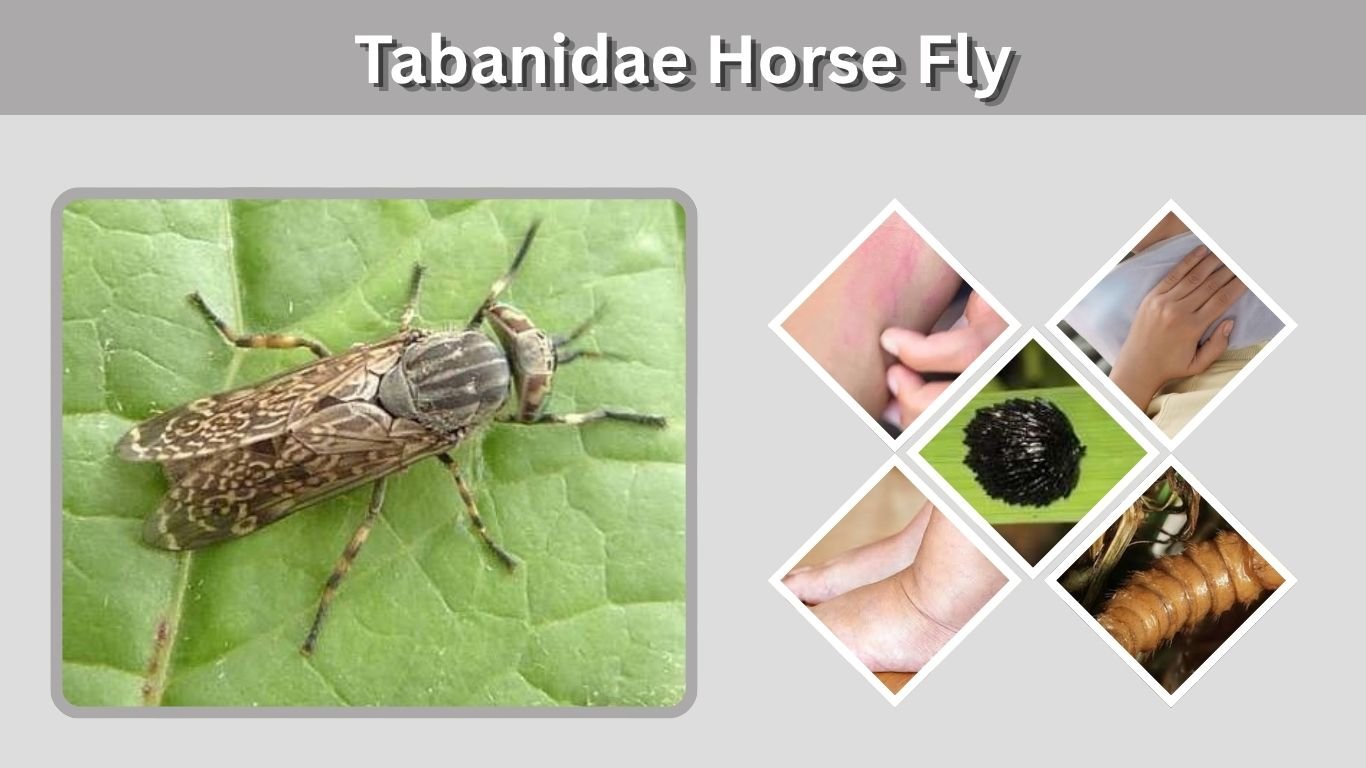
Tabanidae is the insect family that includes horse flies, deer flies, clegs, greenheads, and several related biting flies. These robust, fast-flying insects are best known for the painful bites delivered by females. However, adults also visit flowers, while their predatory larvae help control worms and other small animals in wet habitats.
What Is a Tabanidae Horse Fly?
A Tabanidae horse fly is a true fly belonging to the order Diptera and family Tabanidae. “Tabanidae” does not refer to one species. It represents a large family containing approximately 4,300–4,500 species worldwide.
Tabanidae Classification
| Classification | Name |
| Kingdom | Animalia |
| Phylum | Arthropoda |
| Class | Insecta |
| Order | Diptera |
| Infraorder | Tabanomorpha |
| Family | Tabanidae |
Like other true flies, tabanids have one functional pair of wings. Their reduced hind wings form small balancing organs called halteres, which help stabilize the insect during its fast and highly controlled flight.
Common Tabanidae Groups
The family includes several familiar groups and genera:
- Tabanus — many of the large, heavy-bodied horse flies
- Hybomitra — another major group of horse flies
- Chrysops — most insects commonly called deer flies
- Haematopota — flies commonly called clegs
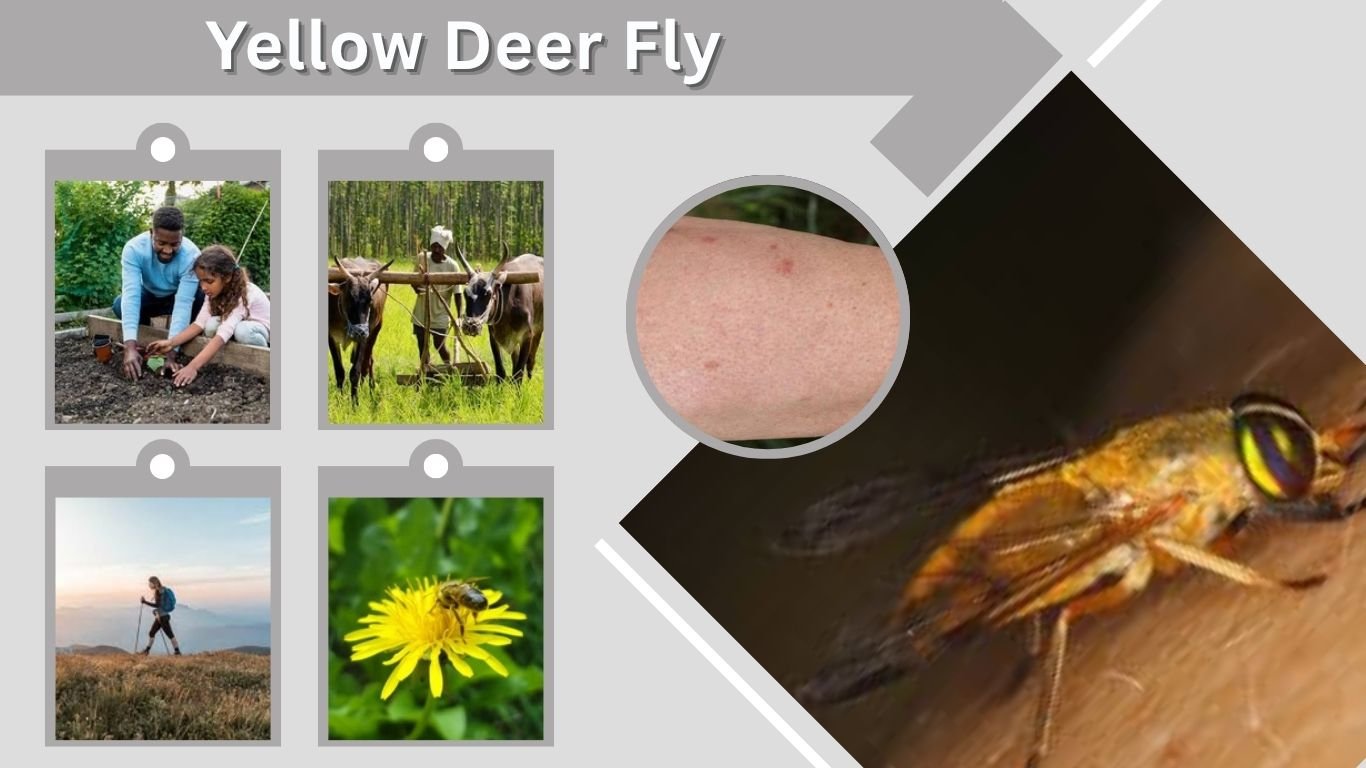
- Diachlorus — includes some flies known as greenheads or yellow flies
Most horse-fly species in North America belong to Tabanus and Hybomitra, while most deer flies belong to Chrysops.
How to Identify a Tabanidae Horse Fly
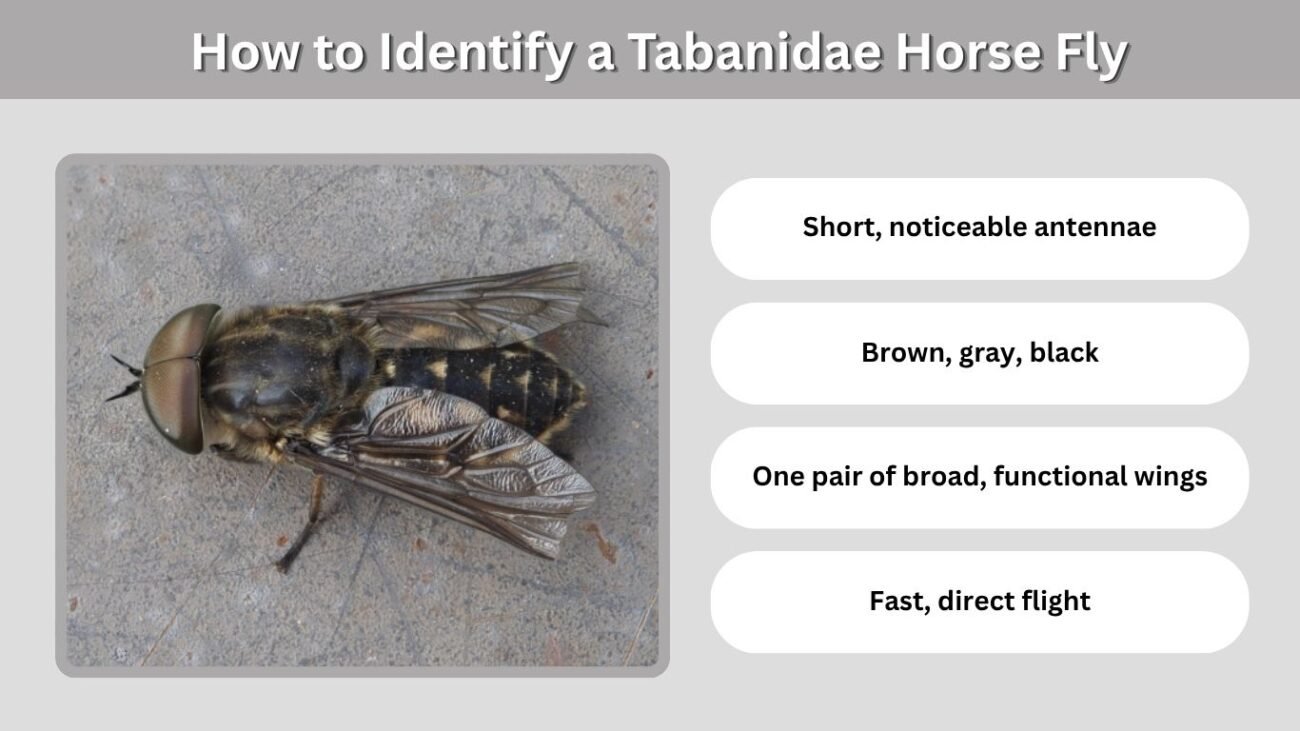
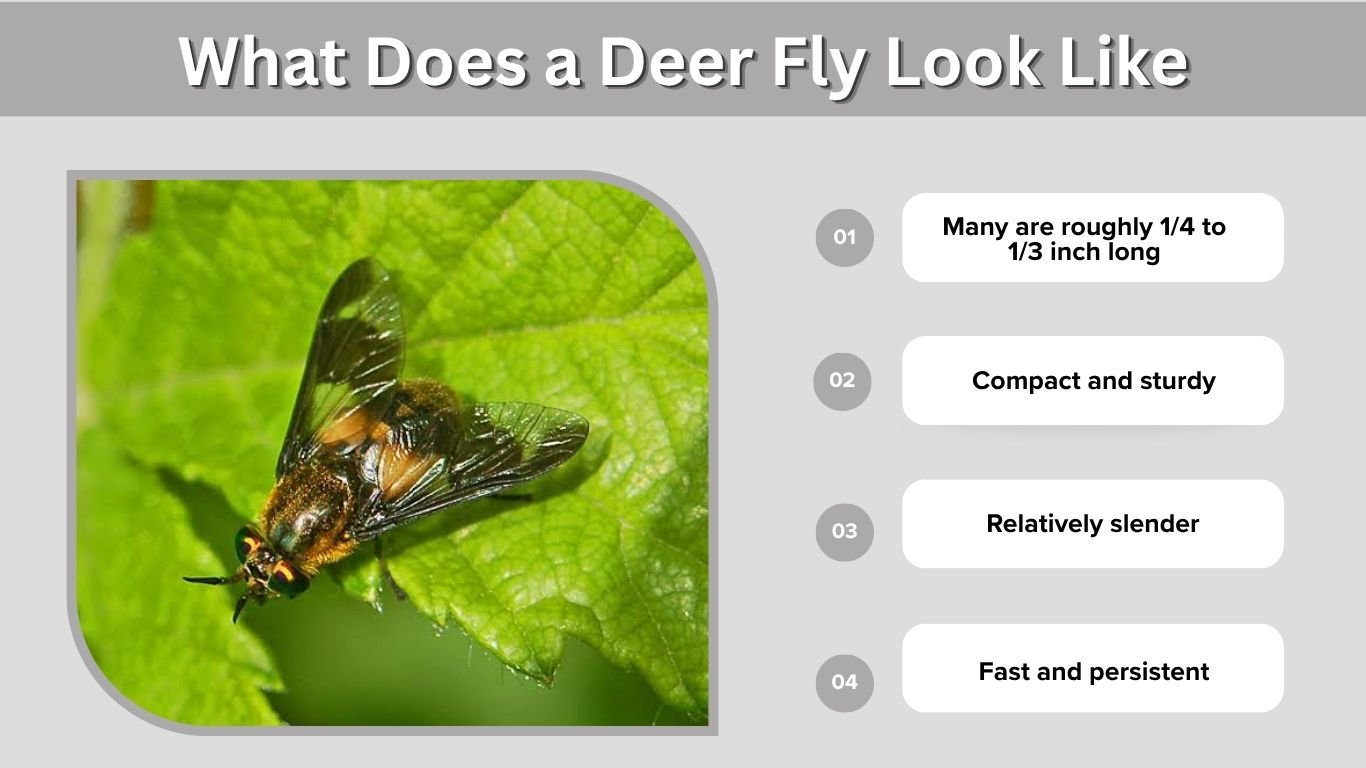
Tabanids are usually medium to large, strongly built flies. Although their exact appearance varies between species, many share large eyes, prominent mouthparts, broad wings, and powerful bodies.
Main Identification Features
- Adult length of approximately 8–28 millimeters
- Large, brightly colored compound eyes
- Brown, gray, black, yellow, or patterned body
- One pair of broad, functional wings
- Short, noticeable antennae
- Large mouthparts projecting from the head
- Strong legs and a robust thorax
- Fast, direct flight
Some species have brilliant green, blue, purple, copper, or striped eyes. The wings may be clear, smoky, or marked with dark patches, depending on the group.
Male vs Female Tabanidae
The position of the eyes can sometimes help distinguish the sexes. In many male tabanids, the compound eyes meet or nearly meet on top of the head. Female eyes are usually separated by a visible space.
Females possess well-developed cutting mouthparts and may feed on blood. Males have much weaker mouthparts, cannot bite, and rely on flower nectar, plant sap, honeydew, and other sugary liquids.
Horse Flies vs Deer Flies
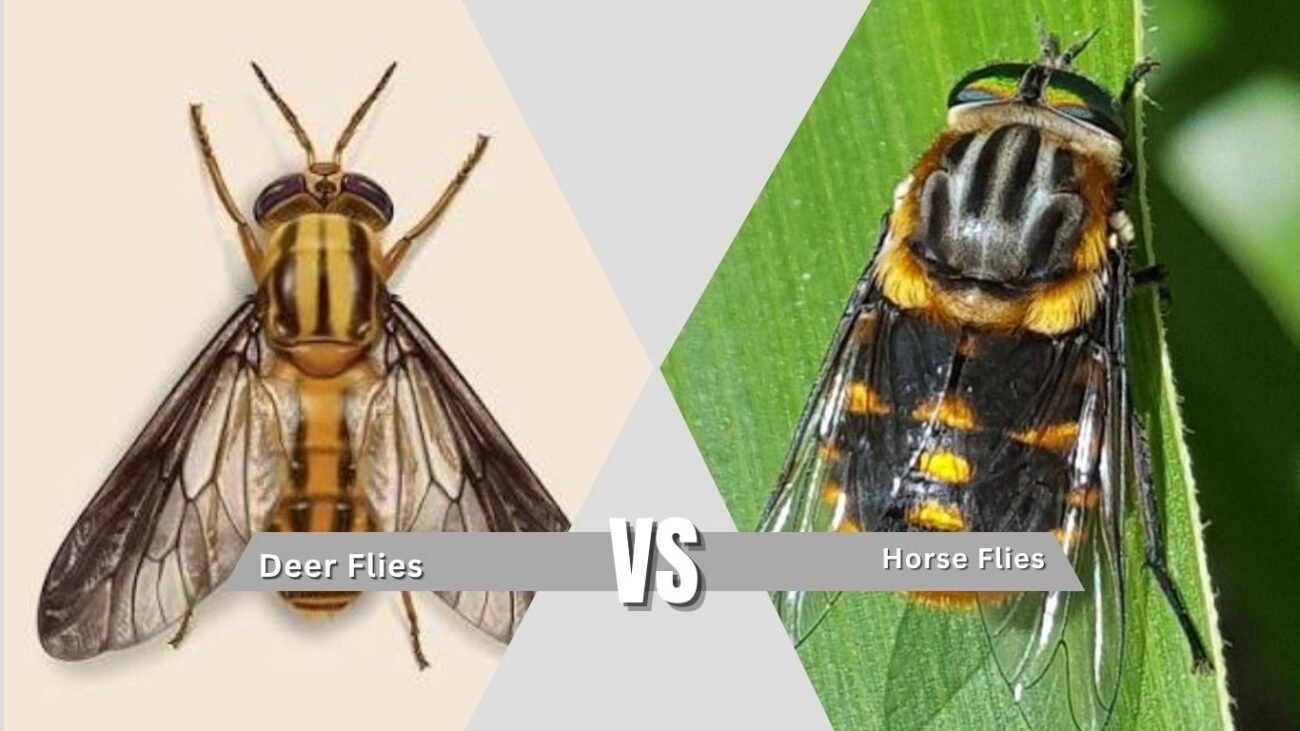
Horse flies and deer flies belong to the same family, but they differ in size, wing patterns, and feeding behavior.
| Feature | Horse fly | Deer fly |
| Common genera | Tabanus, Hybomitra | Chrysops |
| Typical size | Medium to very large | Usually smaller |
| Wings | Often clear or evenly cloudy | Frequently have dark bands or patches |
| Common hosts | Horses, cattle, deer and other large mammals | Humans and many moving animals |
| Biting area | Often legs and body | Frequently head, neck and shoulders |
| Flight | Strong and direct | Quick, persistent and circling |
Horse flies often attack large or stationary animals. Deer flies are more likely to follow moving hosts and repeatedly circle around the head and upper body.
Why Do Tabanidae Horse Flies Bite?
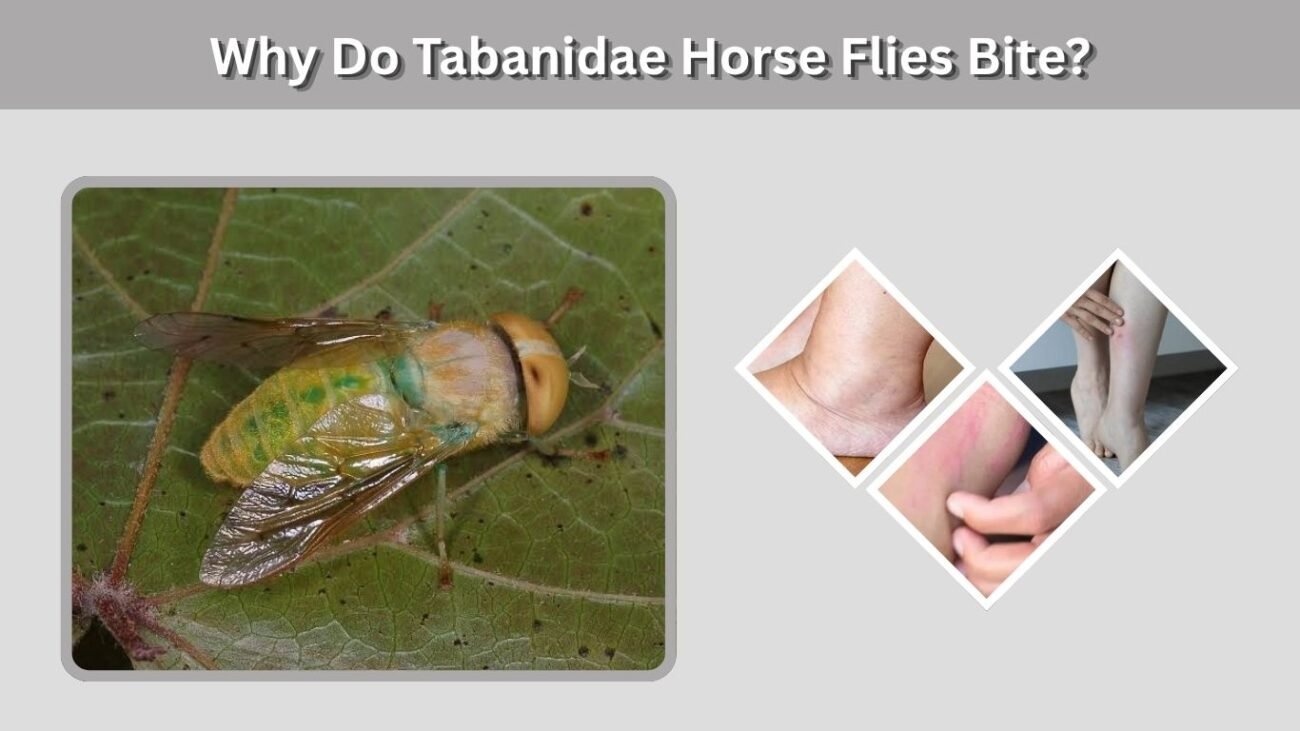
Only female horse flies and deer flies take blood meals. The nutrients in blood help most females develop their eggs. Both sexes still consume nectar and other sugary foods for energy.
How Does a Horse Fly Bite?
A horse fly does not bite with a needle-like feeding tube. The female uses blade-like mouthparts to cut or slice the skin. Blood then pools at the surface, and the fly laps it up with a sponge-like structure.
This feeding method explains why a horse-fly bite may:
- Hurt immediately
- Produce a small amount of blood
- Leave an open central mark
- Cause redness and tenderness
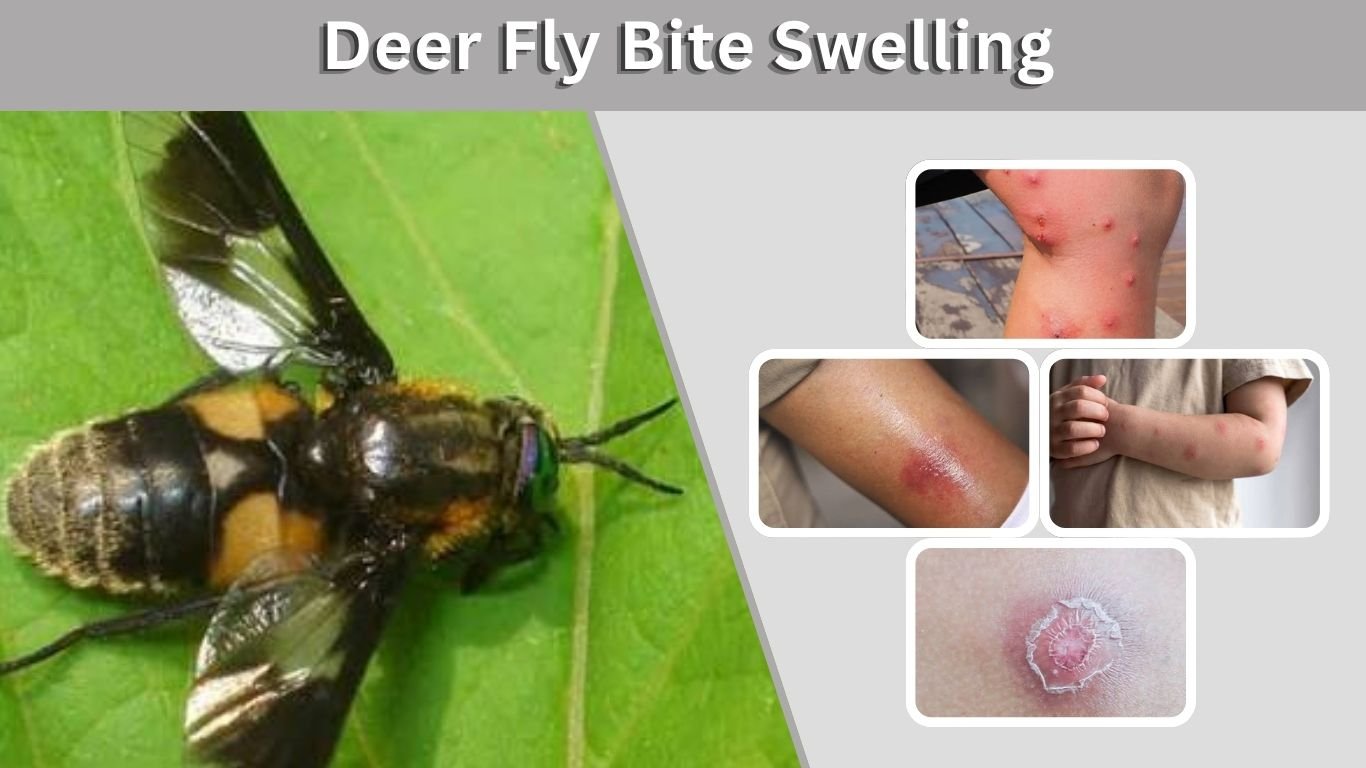
- Develop into an itchy, swollen welt
Female tabanids may quickly return when interrupted before completing a meal.
How Do They Find People and Animals?
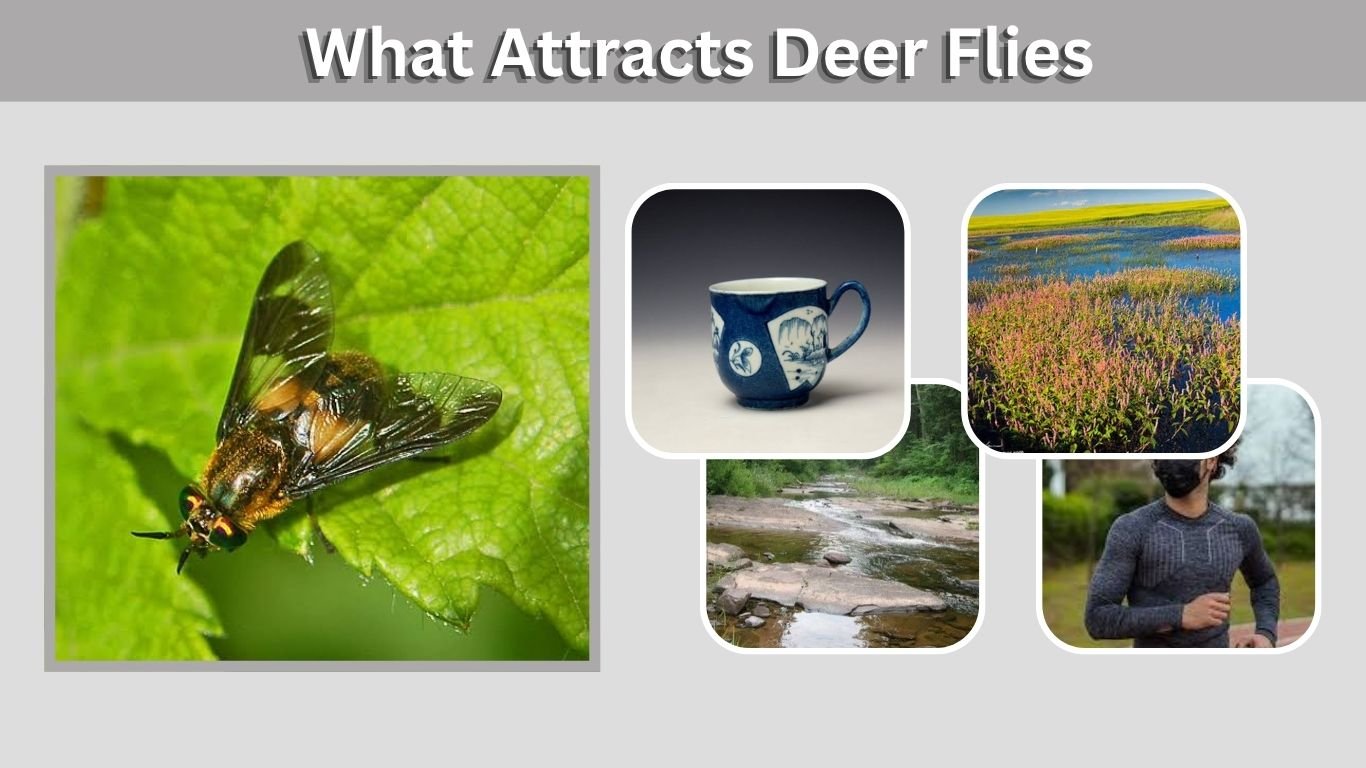
Female tabanids use several signals to locate potential hosts. Carbon dioxide from breathing can attract them from a distance. Closer to the host, they respond strongly to movement, body size, shape, and dark colors.
Most blood-feeding activity occurs during the daytime. Horse flies are especially noticeable during warm weather around livestock, forests, marshes, ponds, streams, and other moist environments.
Tabanidae Habitat and Distribution
The Tabanidae family has a worldwide distribution. Adults may fly far from their breeding areas, but they are usually most numerous around habitats that provide moisture for their immature stages.
Common Habitats
Tabanid flies may be found around:
- Freshwater marshes
- Salt marshes
- Ponds and lakes
- Streams and riverbanks
- Wet forests
- Bogs and swamps
- Moist woodland soil
- Saturated pastures
- Coastal wetlands
- Muddy agricultural fields
Deer-fly larvae are mainly associated with aquatic environments. Horse-fly larvae use more varied habitats, including marshes, streams, wet soil, damp forest floors, and occasionally moist, decaying wood.
Tabanidae Life Cycle
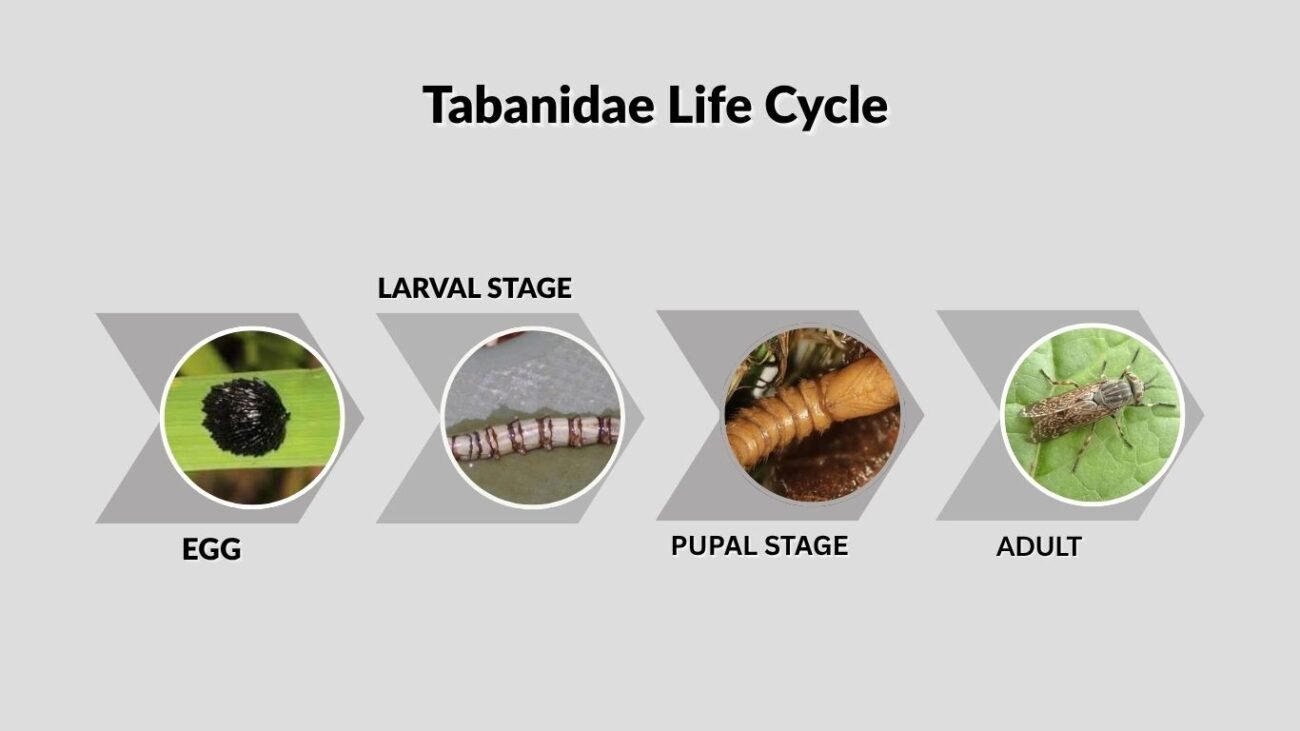
Horse flies undergo complete metamorphosis, passing through four developmental stages: egg, larva, pupa, and adult.
1. Egg Stage
After mating and feeding, the female deposits an egg mass on vegetation near water or saturated soil. Depending on the species, one mass may contain approximately 100–800 eggs.
The eggs often hatch within two or three days. The young larvae then fall into water, mud, or wet soil below.
2. Larval Stage
Tabanid larvae are elongated, legless, and adapted to living in moist environments. Many horse-fly larvae are active predators that feed on:
- Other fly larvae
- Aquatic insects
- Worms
- Small invertebrates
- Occasionally tadpoles or other small vertebrates
Larval development is often the longest part of the life cycle. Large species may remain larvae for two or three years.
3. Pupal Stage
When fully developed, the larva moves into relatively dry soil and changes into a pupa. It does not feed during this stage. Its body reorganizes as the adult fly develops inside the pupal case.
4. Adult Stage
The adult emerges from the soil, expands its wings, and begins feeding on plant sugars. Mating takes place after the flies become active, and females of most species later seek a blood meal for egg development.
Most tabanid species produce one generation per year. Some small deer flies may have several generations annually, while exceptionally large horse flies can require more than one year to complete development.
Are Tabanidae Horse Flies Dangerous?
For most people, the main concern is a painful local reaction. A bite can cause bleeding, swelling, itching, and tenderness. Scratching the broken skin may increase the risk of a secondary bacterial infection.
Tabanids are also important pests of horses and livestock. Persistent attacks can disturb feeding and grazing, cause stress, and result in blood loss when large numbers of flies are present.
The proven role of horse flies in transmitting diseases to humans is limited. However, certain deer flies in the western United States can participate in the transmission of tularemia. Their role is considered less significant than transmission through ticks or contact with infected animals.
Ecological Importance of Tabanidae
Despite their reputation as biting pests, tabanids contribute to natural ecosystems. Males and some females visit flowers for nectar and may transfer pollen between plants.
Their predatory larvae consume worms and other small animals in wetlands and moist soil. Tabanid eggs, larvae, pupae, and adults also provide food for fish, amphibians, birds, spiders, dragonflies, and other predators.
FAQs
Is Tabanidae the scientific name of a horse fly?
Tabanidae is the scientific family name for horse flies, deer flies, and related groups. An individual horse fly has a more specific genus and species name, such as a species belonging to Tabanus or Hybomitra.
Are all Tabanidae blood-feeding insects?
Only females take blood meals, and the preferred host differs between species. Males feed on nectar and other plant sugars. Adult females also consume sugary foods because blood primarily supplies nutrients for egg production.
Can male Tabanidae horse flies bite?
No. Male tabanids have weaker mouthparts and cannot cut the skin or feed on blood. A horse fly attempting to bite a person or animal is therefore female.
Where do horse flies lay their eggs?
Females commonly attach egg masses to leaves or stems over water, wetlands, mud, or saturated soil. After hatching, the larvae drop into the moist habitat and begin feeding and developing.
Is Tabanus the same as Tabanidae?
No. Tabanidae is the entire family, while Tabanus is one genus within that family. Many large horse flies belong to Tabanus, but numerous other genera are also classified as Tabanidae.