The green finch and linnet bird are two of nature’s most melodic and visually striking songbirds. Known for their vibrant colors, delicate features, and lyrical calls, these birds symbolize freedom, beauty, and hope. Their significance extends beyond nature — immortalized in Stephen Sondheim’s “Sweeney Todd”, where they represent captivity and longing. This article explores their identity, behavior, symbolism, and artistic representation through music and culture.
Identification and Physical Description

- Scientific Name: Chloris chloris (European Green Finch)
- Family: Fringillidae (Finch family)
- Length: Around 14–15 cm (5.5–6 inches)
- Wingspan: 24–28 cm (9–11 inches)
- Weight: About 25 grams
- Color: Bright olive-green body with yellow streaks on wings and tail
- Beak: Strong, conical — designed for cracking seeds
- Male Appearance: Vivid green plumage with striking yellow accents
- Female Appearance: Duller green-brown tones for camouflage
Species and Variants
European and African Green Finches
The European Green Finch is native to Europe, North Africa, and western Asia. It thrives in woodlands, parks, hedgerows, and gardens — places rich in seeds and shrubs. Over time, this adaptable bird has expanded its range into urban areas, nesting comfortably near human settlements.
In contrast, the African Green Finch, or Green Singing Finch (Serinus mozambicus), is native to sub-Saharan Africa. This species exhibits a brighter, more yellowish-green plumage and is prized for its continuous, cheerful song. The African Singing Finch is commonly bred in captivity and adored by bird lovers worldwide.
While the European species is known for its bold, whistling tones, the African green singing finch’s voice is more melodious and flute-like. Both share similar feeding habits, consuming a mix of seeds, grains, and small insects.
The Green Singer Finch
The Green Singer Finch is one of the most popular pet finches due to its manageable size, friendly temperament, and beautiful song. Males are more colorful, displaying a bright yellow-green chest and olive upper parts, while females appear duller. They sing throughout the day, filling aviaries with cheerful notes.
When breeding, pairs build small, cup-shaped nests from grass, feathers, and soft materials. They typically lay 3–5 pale blue eggs. Green Singer Finches thrive in warm environments and are social, making them ideal for group aviaries.
In markets and aviaries, phrases like “green singer finch for sale” or “green singing finch for sale near me” often appear, highlighting their popularity. However, ethical breeding and proper care are essential to maintaining healthy populations. They require a balanced diet, clean habitats, and mental stimulation through space and interaction.
Habitat, Nesting, and Migration
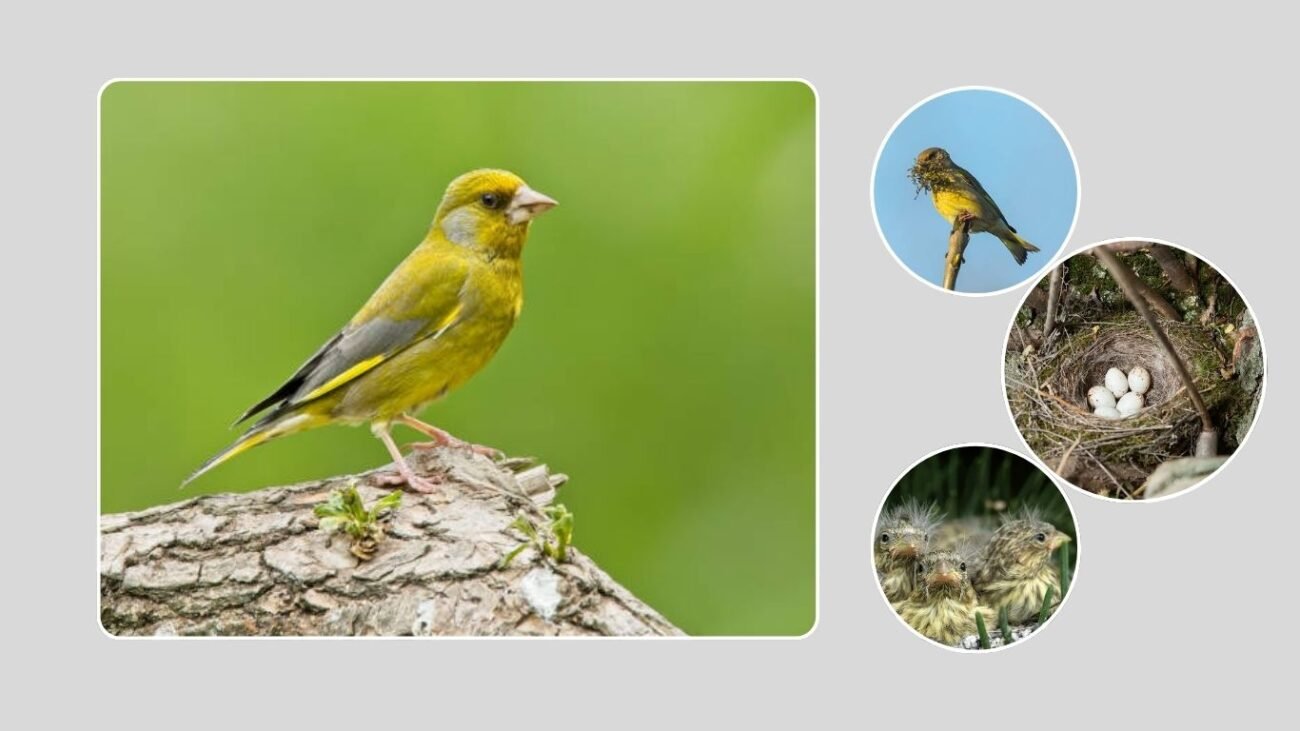
The green finch is commonly found across Europe, North Africa, and parts of western Asia, while linnets prefer open farmland, grasslands, and hedgerows. Green finches adapt easily to suburban gardens and parks, where bird feeders attract them year-round.
They build nests in dense foliage, typically shrubs or trees, creating cup-shaped structures lined with soft materials like moss and feathers. Females usually handle nest construction, while males assist in feeding during incubation.
Migration patterns vary depending on the species and climate. In southern Europe, green finches are mostly non-migratory, but northern populations migrate short distances to find warmer conditions during winter. Linnets show similar partial migration habits, depending on food availability and weather.
Sadly, green finch populations have declined in certain regions due to trichomonosis, a parasitic disease spread at bird feeders. Conservationists now encourage proper cleaning of feeders and water sources to prevent infections and support wild populations.
Behavior and Song
Singing and Communication
One of the green finch’s most captivating features is its melodious song. Characterized by trills, twitters, and whistles, their songs serve as both a mating call and territorial display. During spring, males perch prominently, singing to attract mates and assert dominance.
The Green Singing Finch, in particular, is renowned for its musical ability. It sings with intricate patterns that vary from region to region — a kind of dialect that develops naturally. Their songs are cheerful and continuous, often associated with joy, peace, and vitality.
Symbolism in Song
The green finch and linnet bird are frequently associated with freedom and spirit, especially when contrasted with themes of confinement or sadness. Their songs represent a yearning for open skies and liberation. This symbolic depth became central to Stephen Sondheim’s “Sweeney Todd”, where the birds’ song embodies Johanna’s trapped innocence and hope for escape.
“Green Finch and Linnet Bird” in Sweeney Todd

Origin of the Song
The song “Green Finch and Linnet Bird” appears early in Stephen Sondheim’s 1979 musical Sweeney Todd: The Demon Barber of Fleet Street. It is sung by Johanna, the young heroine who has been locked away by her guardian, Judge Turpin. As Johanna gazes out of her window, she sings to the birds — the green finch and linnet — longing for the same freedom they enjoy.
This moment establishes Johanna’s emotional depth and innocence while introducing one of Sondheim’s most hauntingly beautiful melodies. The birds she addresses are not mere animals; they are symbols of her yearning for liberation, contrasting her confinement with their natural freedom.
Lyrics and Meaning
The lyrics of “Green Finch and Linnet Bird” are both delicate and profound. Johanna questions why the birds continue to sing despite being caged — a poignant reflection of her own entrapment. The opening lines capture her despair:
“Green finch and linnet bird,
Nightingale, blackbird,
How is it you sing?”
The song explores themes of innocence, hope, and resilience, using bird imagery as a metaphor for the human spirit under oppression. Sondheim’s use of lyrical dissonance mirrors Johanna’s emotional conflict — fragile yet determined. The birds’ song becomes a symbol of endurance, an echo of freedom even within walls.
Musical Composition and Style
Musically, the piece is challenging and layered. It requires precision, range, and emotional control, often sung by sopranos in auditions due to its technical beauty. The melody features a delicate balance between minor and major tones, reflecting the tension between captivity and hope.
The original key (E major) complements the lyrical fragility, while transitions give the song a floating, airy feeling — as if mirroring a bird’s flight. Performers must convey a mix of innocence, sadness, and wonder, embodying Johanna’s yearning for a life beyond her window.
Sheet Music, Karaoke, and Performance
The popularity of “Green Finch and Linnet Bird” has inspired numerous sheet music editions and recordings, available for piano, voice, and orchestral accompaniment.
- Sheet Music PDFs can be found in both Broadway and concert versions.
- Karaoke renditions allow vocalists to practice the song’s challenging phrases and emotional subtleties.
- Piano accompaniments vary from simplified to full orchestral transcriptions for advanced musicians.
The song is often featured in musical theater recitals and auditions, favored for its lyrical tone and emotional depth. Performers interpret it not just as a song about birds, but as a portrait of innocence imprisoned — a young woman’s soul reaching toward the sky through music.
Notable renditions include the 2000 New York Concert Cast and Broadway revivals, each showcasing unique vocal interpretations. Some singers emphasize technical clarity; others focus on vulnerability. Either way, the piece continues to enchant audiences and inspire vocalists.
Related Species and Color Variants
Finch Color Mutations
Beyond the green finch, bird enthusiasts have documented a variety of color mutations and hybrids. Some popular variants include:
- Yellow-green finch – a naturally bright mix of yellow and olive feathers.
- Blue-green finch – a rarer hue often found in selective breeding.
- Green and red finch – referring to species like the Gouldian finch, which displays brilliant multicolored plumage.
These color variants highlight the adaptability and genetic diversity of finches, making them a favorite among aviculturists and bird photographers.
Other Finch Relatives
Other related species share similar beauty and song patterns:
- Green-backed twinspot finch
- Green lady gouldian finch
- Green-backed Gouldian finch
- House finch (greenish variety)
These birds, though from different genera, are united by their melodic voices and vibrant plumage. The green singer finch, in particular, stands out for its clear, flute-like song, often compared to a canary’s.
Green Finch Care and Conservation

Keeping Finches as Pets
Many enthusiasts keep green singing finches as pets due to their sociable nature and musical talent. However, proper care is crucial.
- Environment: Finches require spacious cages or aviaries with natural light and airflow.
- Diet: A mixture of seeds, greens, and soft foods ensures balanced nutrition.
- Breeding: Breeding pairs should have privacy and nesting materials like grass and feathers.
- Companionship: Finches are social; they thrive in pairs or small flocks.
Ethical breeders focus on maintaining genetic diversity and avoiding overbreeding. The price of a green singing finch varies depending on rarity and color quality, but the true reward lies in their song — a living melody of nature.
Conservation and Rarity
In the wild, green finch populations have declined in some regions, primarily due to disease and habitat loss. The trichomonosis outbreak affected large portions of the European population in the early 2000s. Fortunately, awareness and conservation programs have helped stabilize numbers.
Gardeners can aid in conservation by:
- Cleaning feeders regularly to prevent disease.
- Planting native shrubs and trees for nesting.
- Providing clean water sources.
While green finches are not globally endangered, local populations benefit greatly from responsible feeding and habitat preservation.
Cultural and Spiritual Meaning
The green finch carries deep symbolic meaning across cultures. Its vivid color represents growth, renewal, and vitality, while its song symbolizes freedom and the soul’s resilience. Spiritually, spotting a green finch is thought to signal positive transformation — a reminder to embrace change and joy.
In art and literature, these birds often symbolize innocence under constraint, echoing the themes seen in Sweeney Todd. The juxtaposition of their beauty against confinement evokes empathy and reflection on humanity’s longing for freedom.
From gardens to stages, the green finch and linnet bird continue to inspire — as living embodiments of nature’s music and metaphors for the unbreakable spirit.
Key Takeaways
- The green finch and linnet bird symbolize beauty, innocence, and freedom.
- Their melodic songs are admired in nature and immortalized in Sweeney Todd.
- Variants like the green singer finch and African green finch highlight the species’ diversity.
- Conservation and ethical breeding protect their natural populations.
- In art, they represent the human desire for liberation and hope.
FAQs
What is the main difference between a green finch and a linnet?
Green finches have olive-green plumage with yellow highlights, while linnets are brownish with a red forehead and breast during breeding season. Green finches sing with stronger, trilling notes, whereas linnets produce gentler, rippling melodies.
What does the song “Green Finch and Linnet Bird” symbolize in Sweeney Todd?
The song symbolizes captivity and longing for freedom. Johanna’s questions to the caged birds mirror her own entrapment. Their continued singing represents hope, resilience, and the enduring power of the human spirit, even in confinement.
Where can I find green finch and linnet bird sheet music or karaoke versions?
Official sheet music for “Green Finch and Linnet Bird” is available from Hal Leonard, Musicnotes, and Sondheim’s Broadway collections. Karaoke and piano accompaniments are also available on platforms like YouTube and Karaoke Version, in both Broadway and concert editions.
Are green singing finches good pets?
Yes, they are popular as companion birds due to their cheerful temperament and musical song. However, they require space, social interaction, and proper nutrition. They thrive in pairs or groups and should never be kept alone or in small, restrictive cages.
What is the spiritual meaning of seeing a green finch?
Spiritually, a green finch signifies renewal, growth, and optimism. Many believe it is a sign of upcoming positive changes or emotional healing. Its song reminds us to embrace joy, nurture freedom, and remain resilient through life’s challenges.