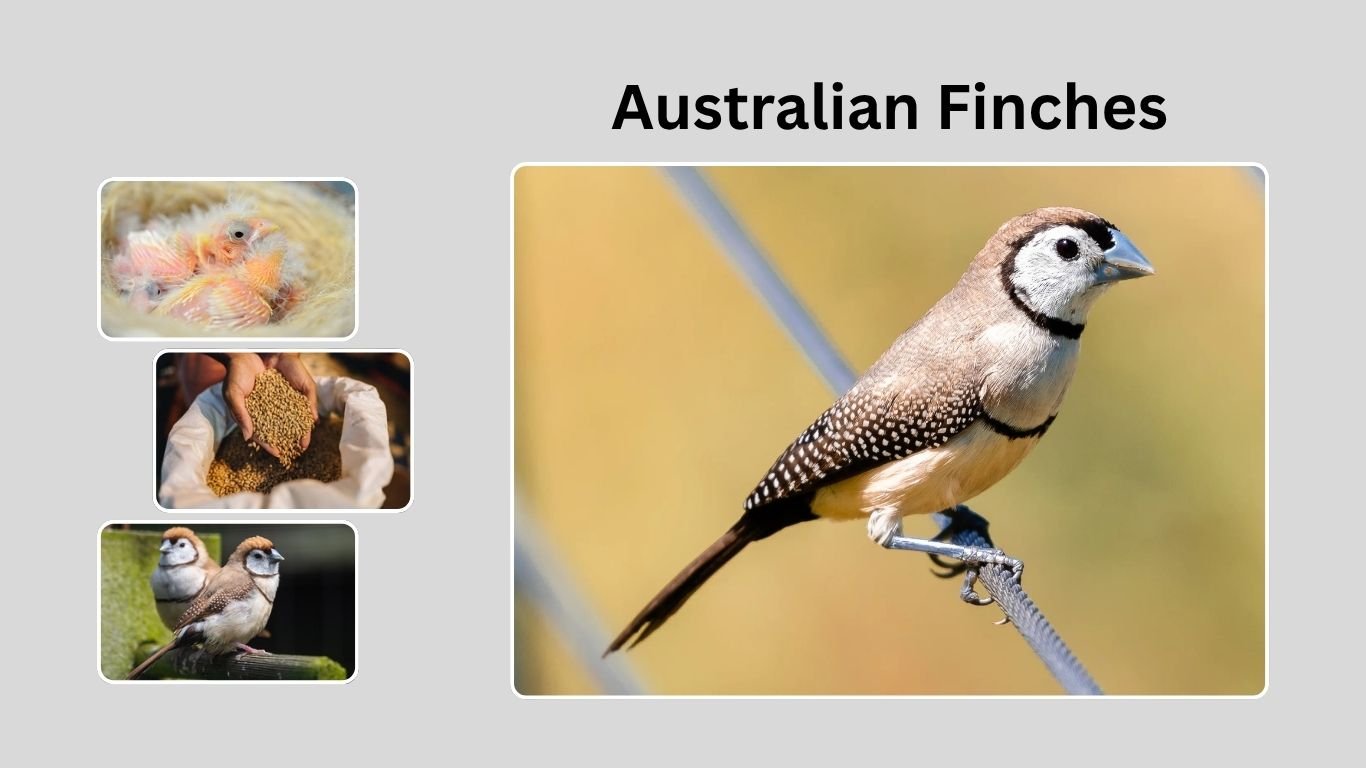
Finches are small, colorful songbirds that capture attention with their cheerful chirps and lively personalities. Found across many parts of the world, these tiny birds are a favorite among birdwatchers and backyard enthusiasts alike. Their bright plumage, melodic voices, and diverse species make them fascinating to observe. In this guide, we’ll explore what finches look like, how to identify different species, their sounds, diet, nesting habits, and even cultural uses of the name “Finch.”
What Does a Finch Look Like?
General Appearance and Identification
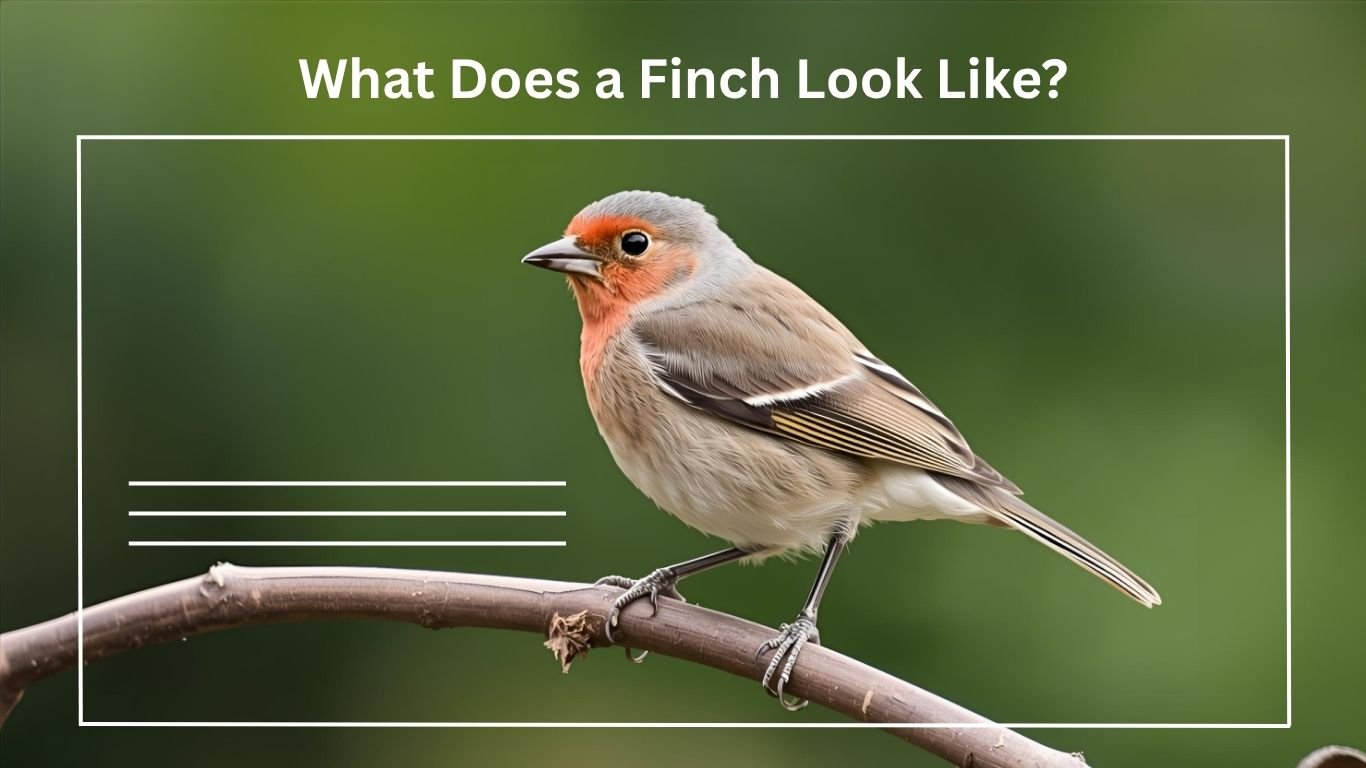
Finches are generally small birds, measuring between 4 to 6 inches in length. They have short, conical beaks perfectly adapted for cracking seeds — one of their main food sources. Their bodies are compact, and their tails are often notched or slightly forked. Depending on the species, finches can display a dazzling array of colors, including red, yellow, purple, brown, and blue.
The most common identifying feature of a finch is its sturdy, seed-crushing beak. Unlike slender insect-eating birds, finches’ beaks are thick at the base and taper to a fine point. Their flight is bouncy and rapid, and their chirping is bright and frequent, especially during early mornings.
Male vs. Female Finch Differences
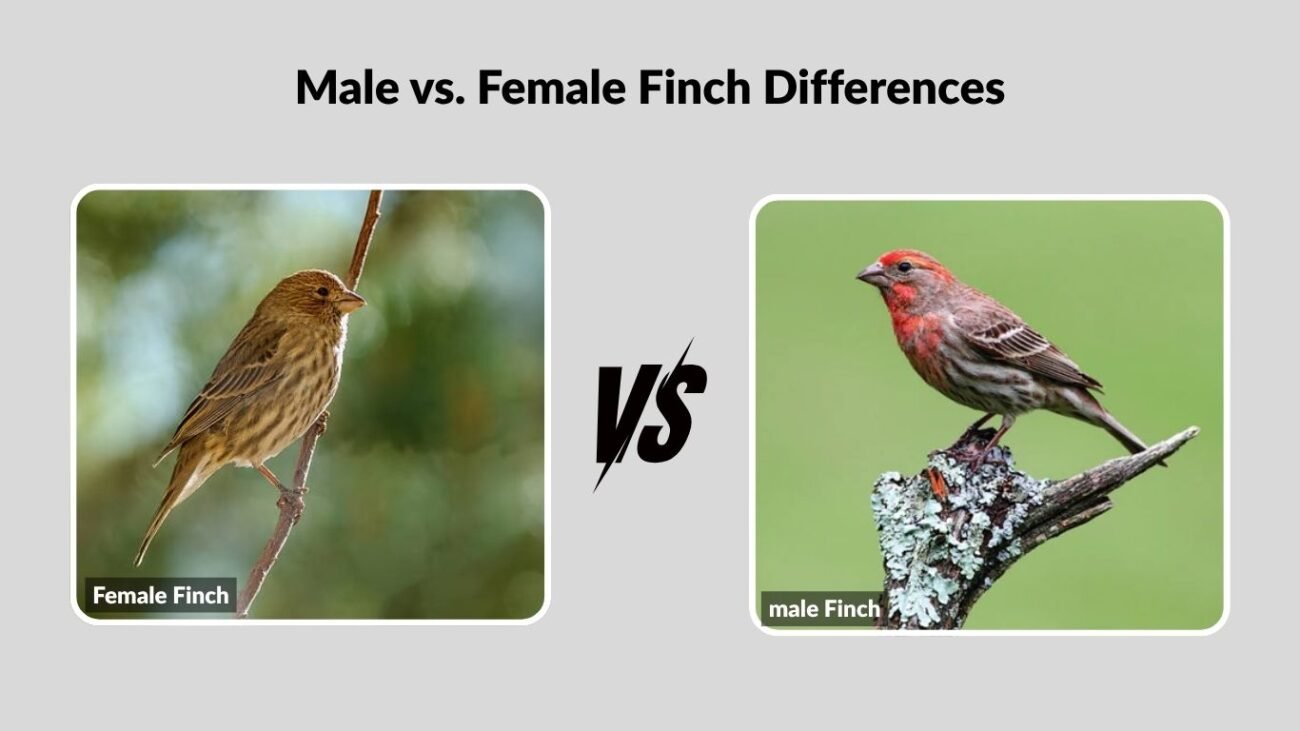
Male finches are usually more colorful than females, particularly during the breeding season. For example, male house finches display vibrant red heads and chests, while females are streaked in soft brown and gray tones. This difference in color helps females camouflage while nesting, protecting them from predators.
Females also tend to have subtler patterns and smaller color patches, though their markings still reflect the beauty of their species. Observing behavior can also help — males often sing and display to attract mates, while females are quieter and more focused on nesting.
Common Types of Finches and Their Features
House Finch
The house finch is one of the most familiar types in North America. Males have rosy-red feathers on their heads, throats, and upper breasts, blending into brown-streaked backs. Females lack the red and appear streaky grayish-brown. They’re adaptable and thrive around human dwellings, parks, and gardens.
House finches have a cheerful, warbling song that fills the air year-round. Their friendliness and bright coloring make them a common sight at bird feeders.
Purple Finch
The purple finch, despite its name, is more of a raspberry-red color. Males show a rich reddish hue over most of their bodies, while females are brown with white facial stripes. They prefer wooded areas and are more common in the northern United States and Canada. Purple finches often appear heavier and bulkier than house finches, which helps distinguish them when seen together.
Yellow and Gold Finches
American goldfinches are among the most striking. Males wear brilliant yellow feathers with black caps and wings during summer, while females are a paler, olive-yellow shade. In winter, both sexes molt into duller tones, blending into their environment.
These finches are particularly fond of thistle and sunflower seeds and can often be seen hanging acrobatically on seed heads or feeders. Their cheerful “per-chick-o-ree” call is one of the most recognizable in backyards.
Other Variants
Finches display a wide range of colors beyond red and yellow. Some species show blue, orange, or gray tones, while others, like zebra finches, feature unique patterns of spots and stripes. Small brown or gray finch-like birds may also be mistaken for sparrows, but their sharper, conical beaks are the giveaway.
Black or dark blue finch-like birds may be mistaken for buntings or indigo species, which share similar shapes but differ in song and feeding habits.
Finch Nests and Eggs
Nest Structure
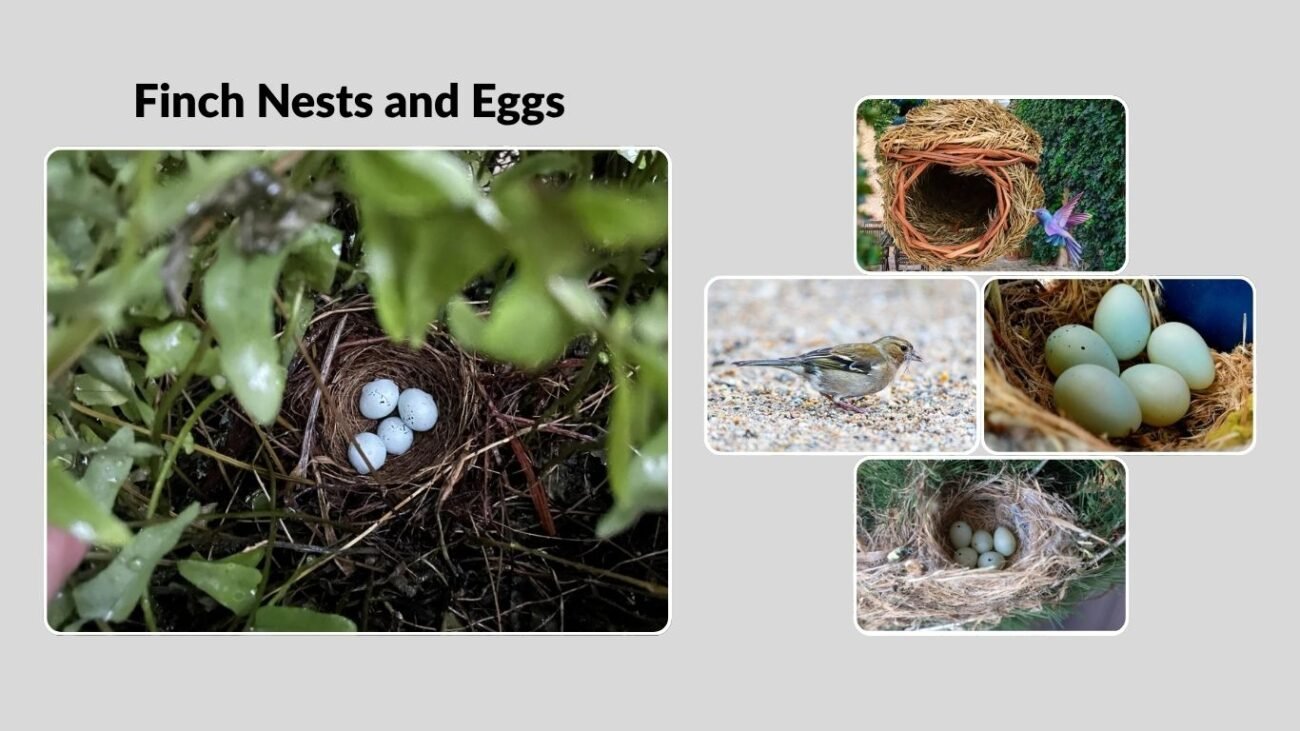
Finch nests are small, cup-shaped structures crafted with remarkable precision. Females typically use grasses, twigs, feathers, and even bits of string or hair to create a secure home. These nests are often tucked into tree branches, shrubs, hanging baskets, or sheltered eaves.
Some species prefer open areas, while others choose dense foliage for added protection. The typical nest is about 3 inches across — just large enough for the female and her clutch of eggs.
Finch Eggs
Finch eggs are tiny and delicate, usually measuring about half an inch long. They are pale blue, white, or speckled with faint brown or purple markings, depending on the species. A typical clutch contains 3 to 6 eggs, and the female incubates them for around two weeks.
House finch eggs are bluish-white with light spots, while goldfinch eggs are smooth and pale blue. The parents share feeding duties once the chicks hatch, ensuring rapid growth in the first two weeks of life.
Finch Sounds and Songs
What Does a Finch Sound Like?
Finches are beloved for their musical voices. Their calls range from soft chirps to complex warbling melodies that can last several seconds. Each species has its own unique song. House finches produce a sweet, jumbled warble, while goldfinches have bright, twittering phrases that sound almost like laughter.
Purple finches, on the other hand, sing a richer, flute-like tune. These sounds are most often heard in the early morning and during breeding seasons, as males sing to attract mates and defend their territory.
How to Identify Finches by Sound
Learning finch songs takes patience, but it’s one of the best ways to identify them without sight. Listen for repeated chirps, rolling trills, or musical bursts. Finches often sing while perched high or in mid-flight.
The house finch’s song is bubbly and unstructured, while the goldfinch’s rhythm is fast and flighty. Birdwatchers often use apps or online databases to compare these melodies, which makes recognizing them in the wild much easier.
Finch Diet and Feeding Habits
What Do Finches Like to Eat?
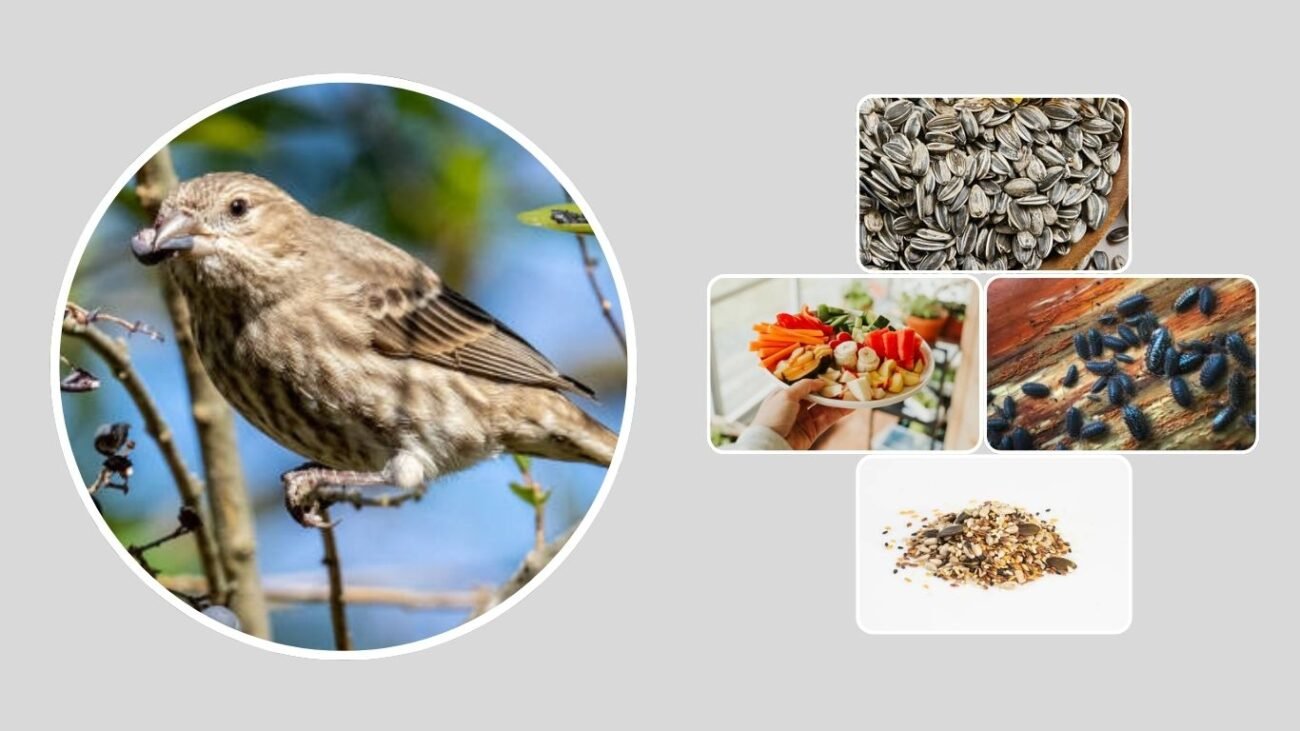
Finches are primarily seed eaters, using their short, strong beaks to crack open even the toughest shells. Their favorite natural foods include grass seeds, wildflower seeds, and small fruits. During spring and summer, they also eat insects such as aphids and caterpillars, providing extra protein for growing chicks.
Wild finches forage actively, hopping from branch to branch while searching for food. You’ll often see them perched upside-down as they pick at seed heads or flower pods — a behavior that’s both agile and charming.
Favorite Feeder Foods
If you’re feeding finches in your garden, certain seeds attract them more than others. Thistle (nyjer) seeds are an absolute favorite of goldfinches, while black oil sunflower seeds appeal to most species. They also enjoy safflower seeds, millet, and finely chopped greens.
Avoid sugary treats like jelly or nectar, which are better suited for orioles and hummingbirds. While finches are curious, they don’t usually eat mealworms, suet, or peanuts. Providing clean feeders and fresh water is key to keeping them healthy and returning often.
Behavioral Traits
Finches are playful and sociable. They love gathering in flocks, especially outside the breeding season. In captivity, finches thrive when kept in pairs or small groups rather than alone. While they’re not “hand-tame” birds, they can become accustomed to gentle voices and routine care.
Some people notice that finches respond positively to music or quiet background sounds — their chirps often synchronize with gentle tunes. They also enjoy mirrors and toys in aviaries, though their main focus remains flying and socializing.
Birds That Look Like Finches
Common Lookalikes
Finches are often confused with other small birds, particularly sparrows, siskins, and wrens. House sparrows, for example, share a similar size but have a thicker neck and a more blocky head. Their plumage is also duller, with less streaking on the chest.
Siskins and buntings resemble finches but differ in beak shape — their beaks are slimmer and less conical. Wrens have a shorter tail that sticks upward and produce faster, choppier songs. Comparing silhouettes, beaks, and flight patterns helps birdwatchers tell them apart.
Identifying Finches by Beak and Behavior
A finch’s beak is its best identifier. Rounded and short, it’s built for cracking seeds rather than catching insects. Observing their feeding style is another clue: finches pick and crush, while insectivorous birds peck and snatch.
Behaviorally, finches exhibit a gentle, bouncy flight and often travel in loose flocks. They perch high when singing but forage low among flowers or grass, making them easy to spot once you know their habits.
Beyond Birds – “Finch” in Modern Culture

Finch App and Self-Care Alternatives
The term “Finch” isn’t just for birds — it’s also the name of a popular self-care and mental wellness app. The Finch app helps users improve emotional health through journaling, goal setting, and mood tracking, represented by a cute bird avatar that “grows” as you practice self-care.
If you’re searching for apps like Finch, consider alternatives such as Stoic, Fabulous, or Wysa — many offer similar daily wellness tools and are free or partially free. These digital companions focus on mindfulness, gratitude, and habit-building, mirroring the Finch app’s mission of self-kindness.
Kirrin Finch and Lifestyle Brands
“Finch” also appears in fashion — particularly Kirrin Finch, a gender-inclusive clothing brand known for designing shirts and suits that blend traditional tailoring with modern style. It champions sustainability and body inclusivity, appealing to those seeking ethically made clothing.
Other brands that share this ethos include Wildfang, TomboyX, and Tradlands, each promoting individuality through sustainable fashion.
Finch in Media and Literature
Finches even make appearances in pop culture. The narrative video game What Remains of Edith Finch explores themes of family, memory, and mystery through a series of interactive stories. Games similar to it include Life Is Strange, Firewatch, and Gone Home, all emphasizing storytelling and emotional depth.
In literature, Atticus Finch from To Kill a Mockingbird symbolizes integrity and justice. Meanwhile, Charles Finch is a well-known mystery author, and David Fincher — though his name differs slightly — is a famous film director known for his precise, emotional storytelling style. Clearly, the name “Finch” carries meaning across multiple creative fields.
Key Takeaways
- Finches are small, colorful birds known for their cheerful songs and lively behavior.
- Male finches are more brightly colored than females, especially during breeding seasons.
- They build compact, cup-shaped nests and lay pale blue or speckled eggs.
- Favorite foods include thistle, sunflower, and safflower seeds.
- “Finch” also appears in modern wellness apps, fashion brands, and storytelling media.
FAQs
What colors are most common in finches?
Finches come in red, yellow, brown, gray, and purple tones. Males are typically brighter to attract mates, while females have muted colors for better camouflage. Seasonal molting can also change their plumage intensity.
How can I tell a house finch from a sparrow?
House finches have slimmer bodies, longer tails, and a red or orange tint on their heads and chests. Sparrows are chunkier with plain brown plumage and a grayish cap. Listening to the finch’s melodic song helps confirm identification.
What do finch nests look like?
Finch nests are small, round, and woven from grass, feathers, and twigs. They’re usually hidden in trees, shrubs, or even hanging flower baskets. The interior is soft and cozy, built to cradle delicate eggs safely.
What sounds do finches make?
Finches produce bubbly, warbling songs made up of fast notes and cheerful chirps. Goldfinches have high, twinkling tones, while house finches sing sweet, improvised melodies. These songs are a signature part of their courtship behavior.
Are finches good pets?
Finches make wonderful pets for observation, not handling. They thrive in pairs or small groups with plenty of space, clean feeders, and toys for enrichment. Quiet, social, and low-maintenance, they’re ideal companions for gentle bird lovers.