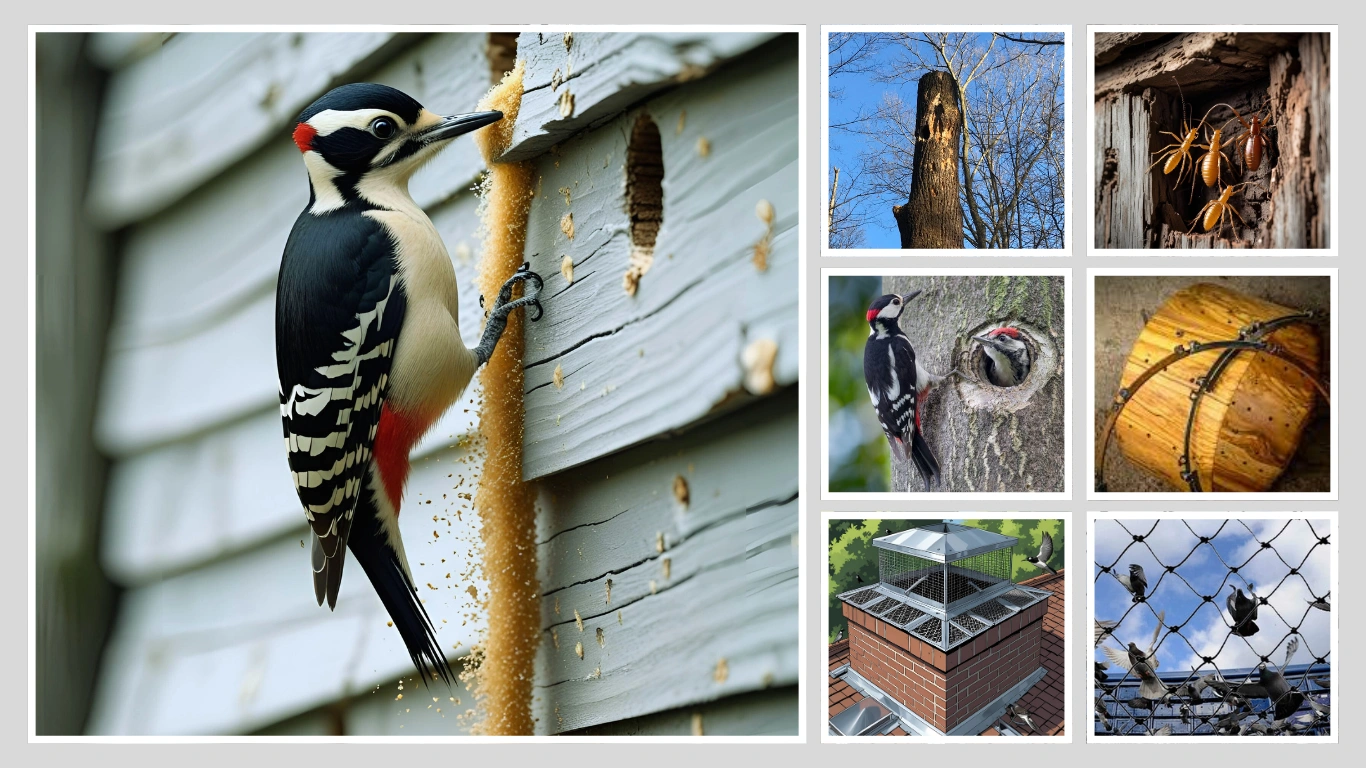
Woodpeckers may be fascinating birds, but they can cause serious problems when they start pecking on your house. From damaging siding and roofs to drilling holes in chimneys, their persistent tapping is more than just noise—it can lead to costly repairs. Whether you’re dealing with a single bird or a recurring problem, this guide covers effective, humane, and long-term ways to get rid of woodpeckers on your house, roof, chimney, trees, or siding, and keep them from coming back.
Why Woodpeckers Peck on Houses
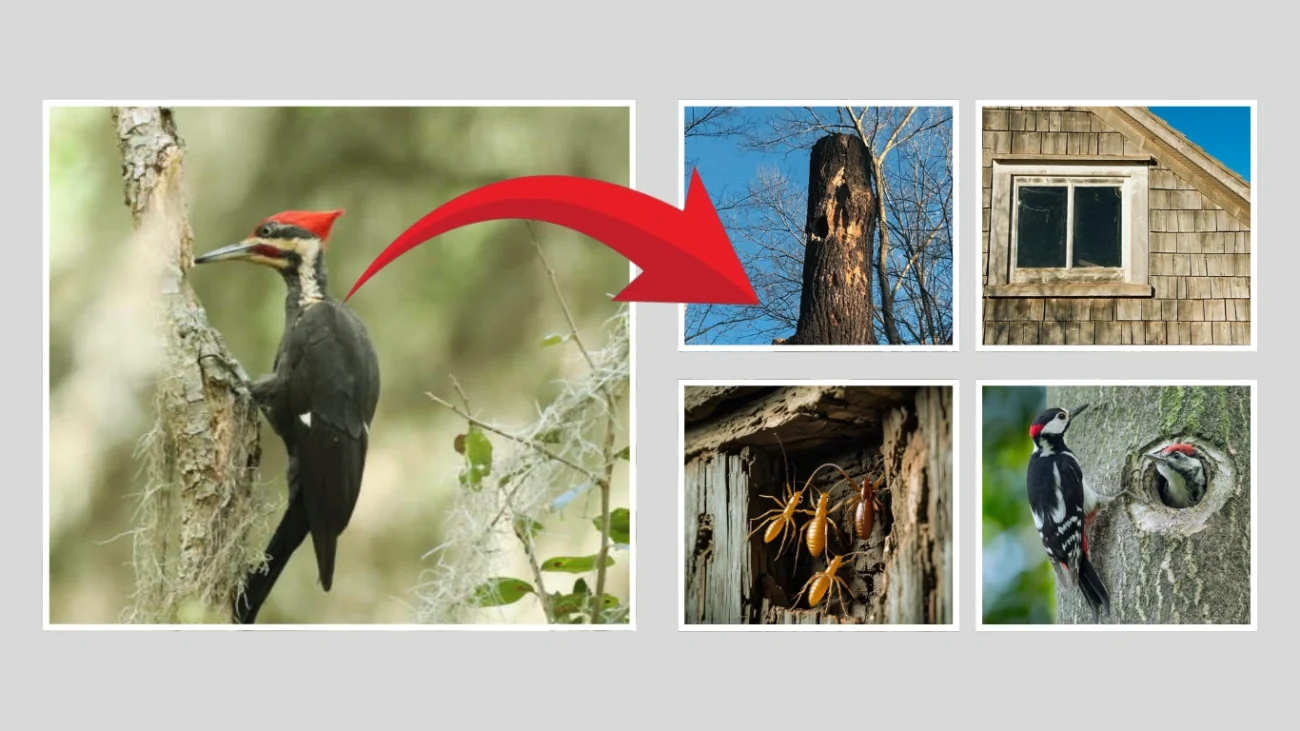
Understanding why woodpeckers target your home is the first step toward solving the problem. These birds don’t randomly choose surfaces to peck—they’re usually responding to natural instincts or environmental cues.
Communication and Territory Drumming
Woodpeckers drum to establish territory and attract mates. Surfaces like gutters, chimney caps, and siding amplify sound, making them attractive drumming spots—especially during early spring.
Searching for Insects
If your siding or roof has carpenter ants, termites, or beetle larvae, woodpeckers may be pecking to feed. Wooden areas with existing pest issues are more likely to be targeted.
Nesting or Roosting Sites
Some woodpeckers, especially larger species like Pileated or Red-headed Woodpeckers, excavate cavities for nesting or shelter. Hollow spots in wood, foam, or stucco can invite this behavior.
Seasonal Behavior
Drumming and damage often peak in spring and fall, when woodpeckers are preparing to breed or find shelter for colder months.
Attractants Around the Home
- Dead or dying trees nearby
- Untreated wood siding or cedar shake
- Insects in the wall or roof
- Lack of natural predators or deterrents
These cues help woodpeckers decide where to feed, nest, or drum—so managing them is key to prevention.
Signs of a Woodpecker Problem
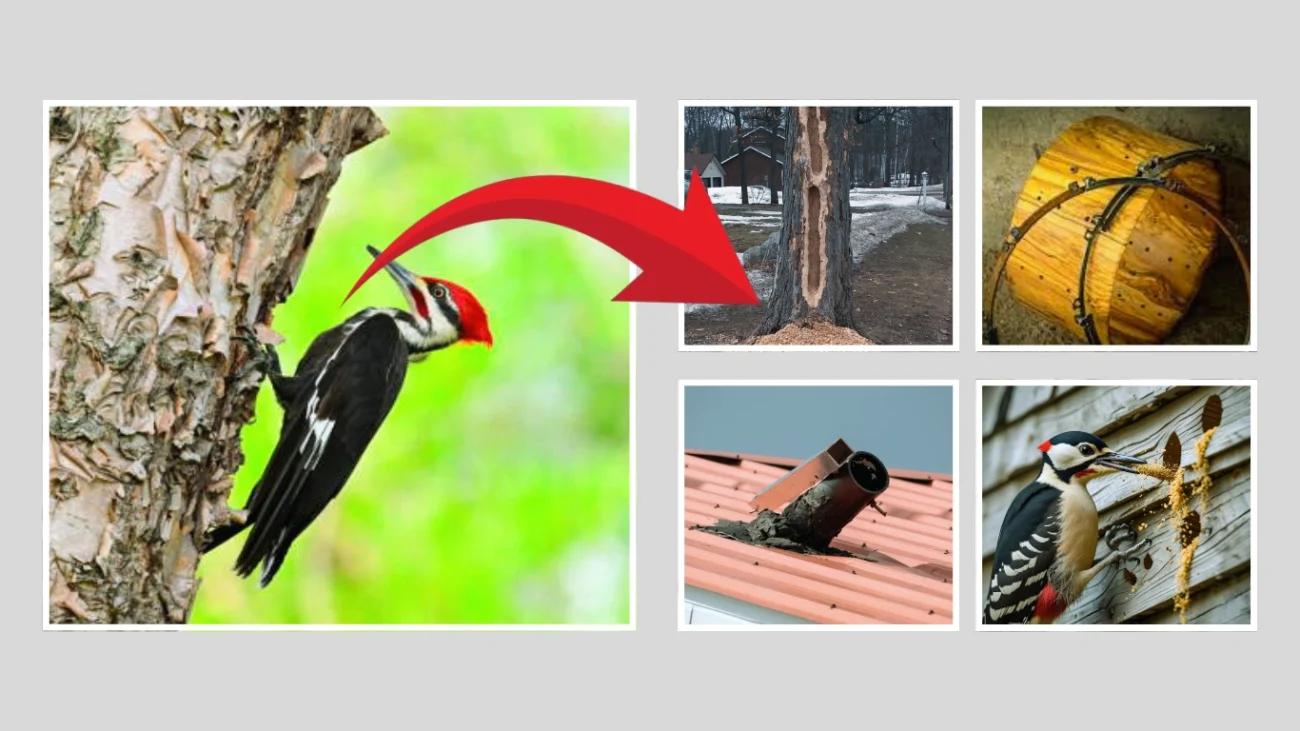
Woodpecker activity can sometimes go unnoticed until damage becomes visible. Recognizing the early signs can help you take action before the issue worsens.
Holes in Siding, Trim, or Wood
Woodpeckers typically leave round or oval holes. If the same area is being targeted repeatedly, the holes may deepen and spread, especially on cedar, pine, or redwood siding.
Loud Drumming or Tapping Sounds
One of the earliest signs is rhythmic tapping on metal gutters, downspouts, or siding—often early in the morning. This is usually territorial drumming, not feeding.
Damage to Chimneys and Roof Vents
Woodpeckers may drum on chimney caps, vent covers, or roof flashing, causing dents or dislodging parts over time. This damage may lead to water leaks.
Trails of Insects or Sawdust
If the woodpecker is feeding, you may notice trails of insects or fine sawdust falling from holes in the siding or eaves. This can indicate an underlying pest problem.
Persistent Visits to Specific Areas
Frequent returns to the same wall, chimney, or tree usually signal either nesting interest or a reliable food source. Some woodpeckers may return daily or seasonally.
If you notice any of these signs, it’s important to act quickly. Early intervention can prevent long-term damage and reduce the chance of repeated visits.
Effective Ways to Get Rid of Woodpeckers
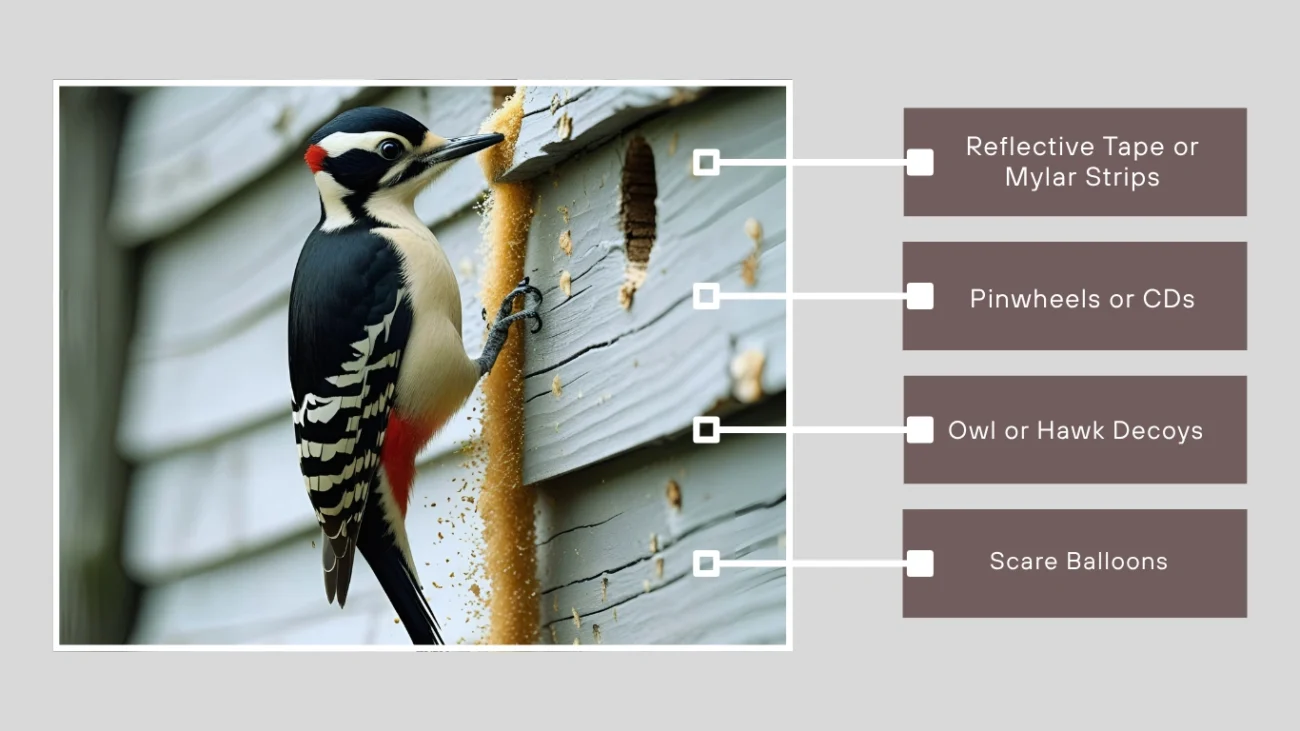
Once you’ve identified woodpecker activity on your property, the next step is to deter them—humanely and effectively. The following methods can help you get rid of woodpeckers from your house, chimney, siding, and yard without causing harm.
Visual Deterrents
Woodpeckers rely heavily on sight, and they can be startled by movement or reflective surfaces.
- Reflective Tape or Mylar Strips – Hang these near affected areas; their movement and shine mimic predator presence.
- Pinwheels or CDs – Installed near active pecking zones to create random reflections.
- Owl or Hawk Decoys – Place near nesting or drumming spots; rotate locations regularly for continued effect.
- Scare Balloons – Bright eyespots and movement discourage birds from staying.
Sound Deterrents
Noise can disrupt woodpeckers’ comfort zones, especially if it mimics predators or sudden sounds.
- Motion-activated sound devices – Emit bird distress calls or predator noises.
- Hanging wind chimes – Random sounds and motion can deter less persistent individuals.
- Aluminum foil or metal sheeting – Attached loosely, it creates noise when hit, discouraging repeat pecking.
Physical Barriers
For persistent woodpeckers, blocking access to favored spots is often the most effective method.
- Bird Netting – Install 2–3 inches away from siding or eaves to prevent landing.
- Plastic or Metal Flashing – Cover frequently pecked areas with smooth, non-grippable surfaces.
- Woodpecker Spikes – Prevent perching on trim, gutters, or narrow ledges.
- Chimney Caps and Roof Vent Guards – Secure screens prevent drumming or nesting.
Safe and Legal Repellents
Use only non-toxic, bird-safe products approved for residential use.
- Citrus sprays or bitter apple – The scent and taste deter woodpeckers from returning.
- Commercial bird repellents (gel or spray) – Apply to high-activity zones. Be sure the product is safe for the surface material.
Each of these methods works best when used in combination. For example, pairing visual deterrents with barriers can reduce recurrence and help retrain the bird’s behavior.
Species-Specific Tips for Getting Rid of Woodpeckers
Not all woodpeckers behave the same way. Understanding the habits of specific species can help you apply the most effective solution for your situation.
How to Get Rid of Pileated Woodpeckers
- Behavior: Large, powerful woodpeckers that excavate deep rectangular holes in search of insects like carpenter ants.
- Best methods: Use physical barriers like netting and metal flashing. Check for insect infestations—they often attract these birds.
- Extra tip: Repair wood damage quickly, as they may return to the same spot.
How to Get Rid of Acorn Woodpeckers
- Behavior: Social species that create “granary trees” or use buildings to store acorns. May drill dozens of holes over time.
- Best methods: Seal existing holes and install exclusion barriers. Reflective deterrents can reduce activity in non-nesting seasons.
- Extra tip: Remove or limit access to nearby oak trees if excessive acorn hoarding is occurring on buildings.
How to Get Rid of Red-headed Woodpeckers
- Behavior: Bold and active; often uses fences, utility poles, and open woodlands. Stores food and defends territory aggressively.
- Best methods: Combine visual deterrents with physical barriers. Limit exposed dead wood near homes.
- Extra tip: Decoys and motion-based devices are especially effective when placed early in the season.
Regional Tip: How to Get Rid of Woodpeckers in Arizona
- Common species: Gila Woodpecker, Ladder-backed Woodpecker
- Best methods: Use deterrents like shiny objects and wind chimes in desert landscaping. Netting and spikes may be needed for cactus or palm-dwelling species.
- Extra tip: Use stucco-safe repellents if birds are pecking on adobe or plaster exteriors.
Adjust your strategy based on the bird’s size, feeding habits, and nesting preferences. The more specific your approach, the more likely you’ll solve the issue quickly.
How to Get Rid of Woodpeckers Based on Location
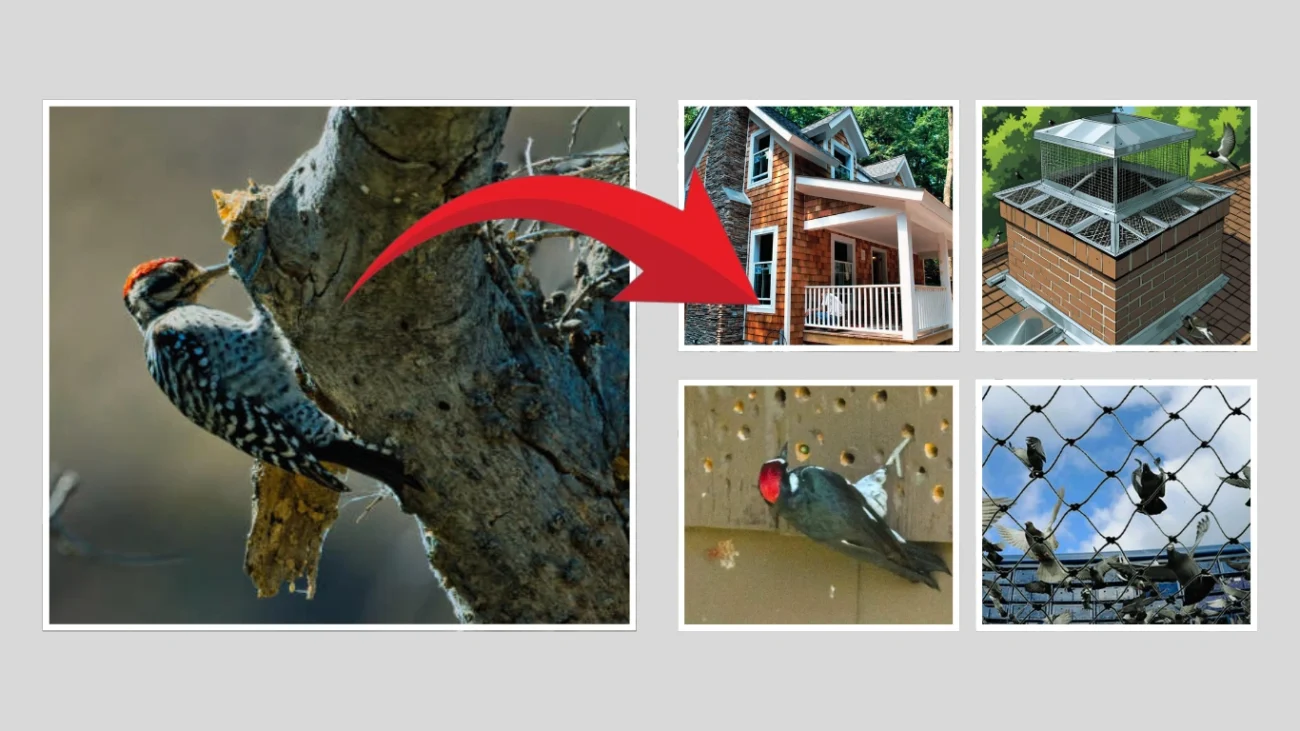
Woodpeckers don’t just target trees—they’ll peck on almost any surface if it suits their needs. Here’s how to handle them based on where the problem is happening.
On House Siding (Cedar, Vinyl, Stucco)
Cedar siding is particularly vulnerable due to its softness and insect activity.
- Solution: Install metal flashing or bird netting over the affected area.
- Use reflective tape or predator decoys nearby.
- For stucco or foam siding, apply taste repellents and patch holes with hard filler to prevent return visits.
On Chimney and Roof
Chimneys and roof vents amplify sound, attracting woodpeckers for drumming.
- Solution: Cover chimney caps and roof vents with stainless steel mesh or chimney guards.
- Add motion-activated sound deterrents or reflective materials near the drumming zone.
In Trees and Yard
Pecking in trees usually indicates foraging for insects or cavity nesting.
- Solution: Allow natural pecking unless damage is extensive.
- If needed, use visual deterrents like shiny ribbons or balloons.
- Treat trees for insect infestations if present.
In Your Attic or Walls
Birds entering or pecking near the attic may be trying to roost or nest.
- Solution: Locate and seal entry points using hardware cloth or bird-proof mesh.
- Use sound deterrents inside the attic temporarily to encourage the bird to leave.
- Never trap a bird inside—ensure it exits safely before sealing.
On Decks, Fences, or Poles
Woodpeckers may peck for food or drumming.
- Solution: Wrap targeted areas with metal flashing or install visual deterrents.
- Consider removing nearby food sources like dead wood or insect nests.
Tailoring your approach based on the exact location will ensure better long-term results and reduce repeat problems.
FAQs
How do I get rid of woodpeckers fast?
Use a combination of visual deterrents (like reflective tape), sound devices, and physical barriers such as netting or metal flashing. Quick action early in the season—especially during spring—gives the best results.
What is the best way to stop a woodpecker from pecking my house?
The most effective method is to block access to pecked areas using mesh or flashing, remove insect infestations, and use multiple deterrents together (sight, sound, and surface protection).
Are woodpeckers damaging my house for food or nesting?
It depends on the behavior:
- Small holes in rows likely mean they’re feeding on sap or insects.
- Large or deep holes could indicate cavity excavation for nesting.
- Drumming on metal is usually for territorial display, not feeding.
Can I legally remove or relocate a woodpecker?
No, not without a permit. Woodpeckers are federally protected. You can’t kill, trap, or relocate them without approval from U.S. Fish and Wildlife Service or your state wildlife agency.
Will woodpeckers come back every year?
Yes, especially if prior damage isn’t repaired or attractants (like insects or soft wood) remain. Birds often return to the same area seasonally unless effective deterrents are in place.