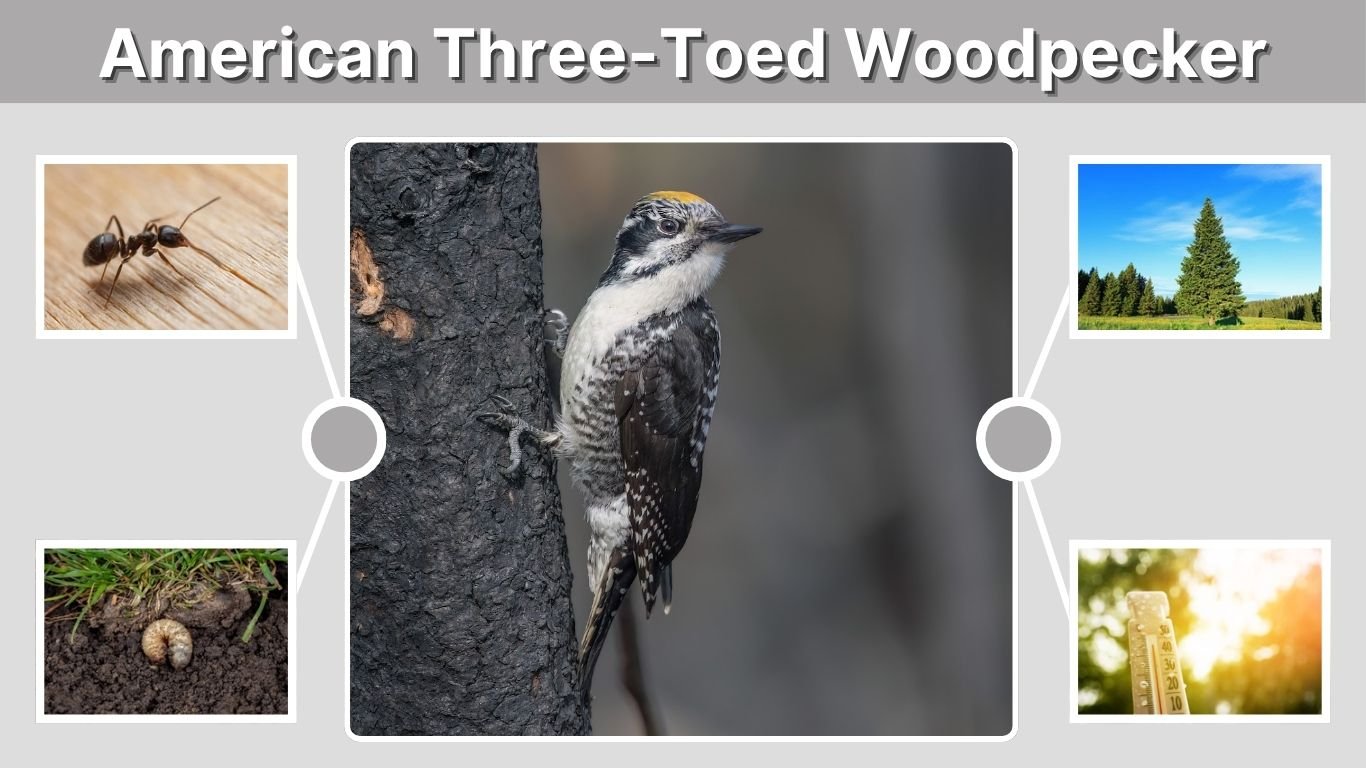
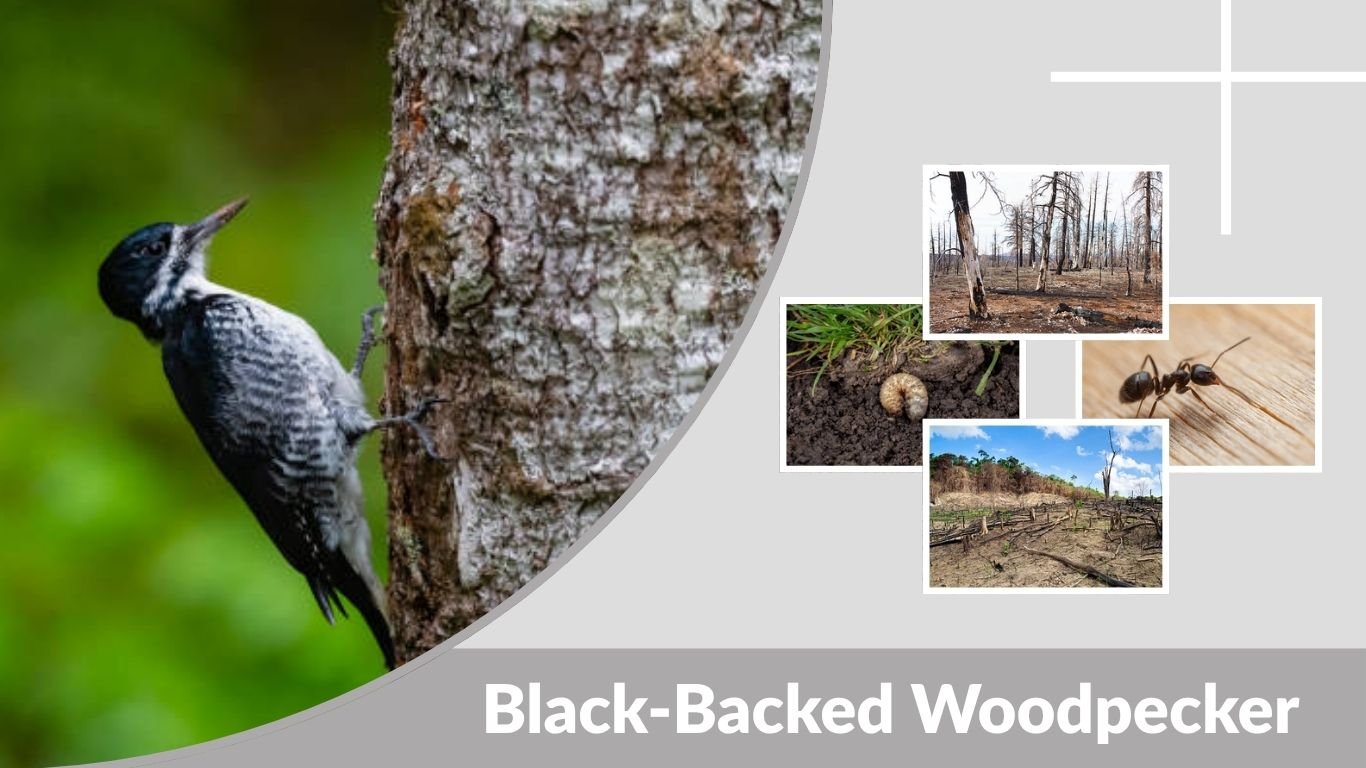
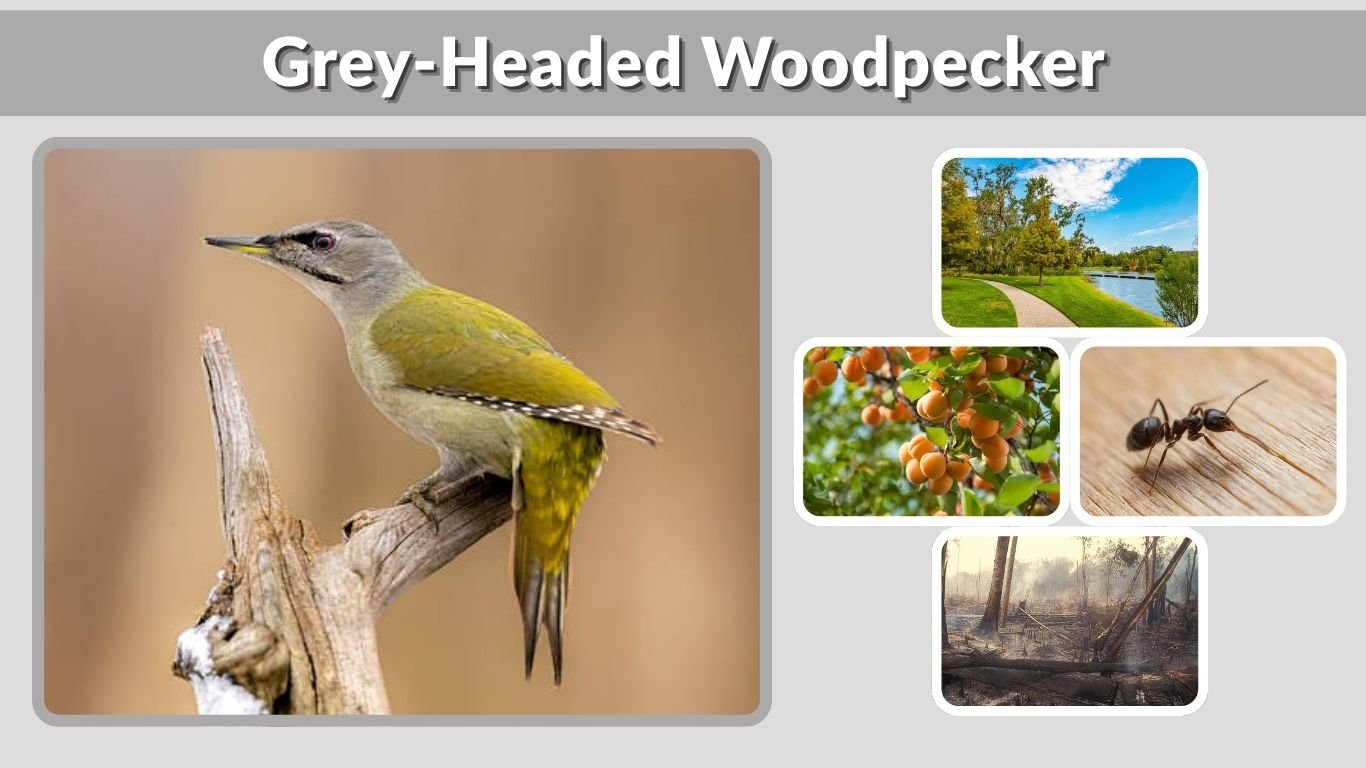
Woodpeckers are more than just noisy visitors in the trees—they’re skilled foragers with a diverse and seasonal diet. Whether you’re a backyard birder or dealing with woodpeckers around your home, understanding what they eat is key. From insects like carpenter ants and termites to fruits, seeds, nuts, and even suet, their food choices depend on the season, location, and species. This guide explores everything woodpeckers eat in the wild and what you can feed them at home.
What Do Woodpeckers Eat in the Wild?
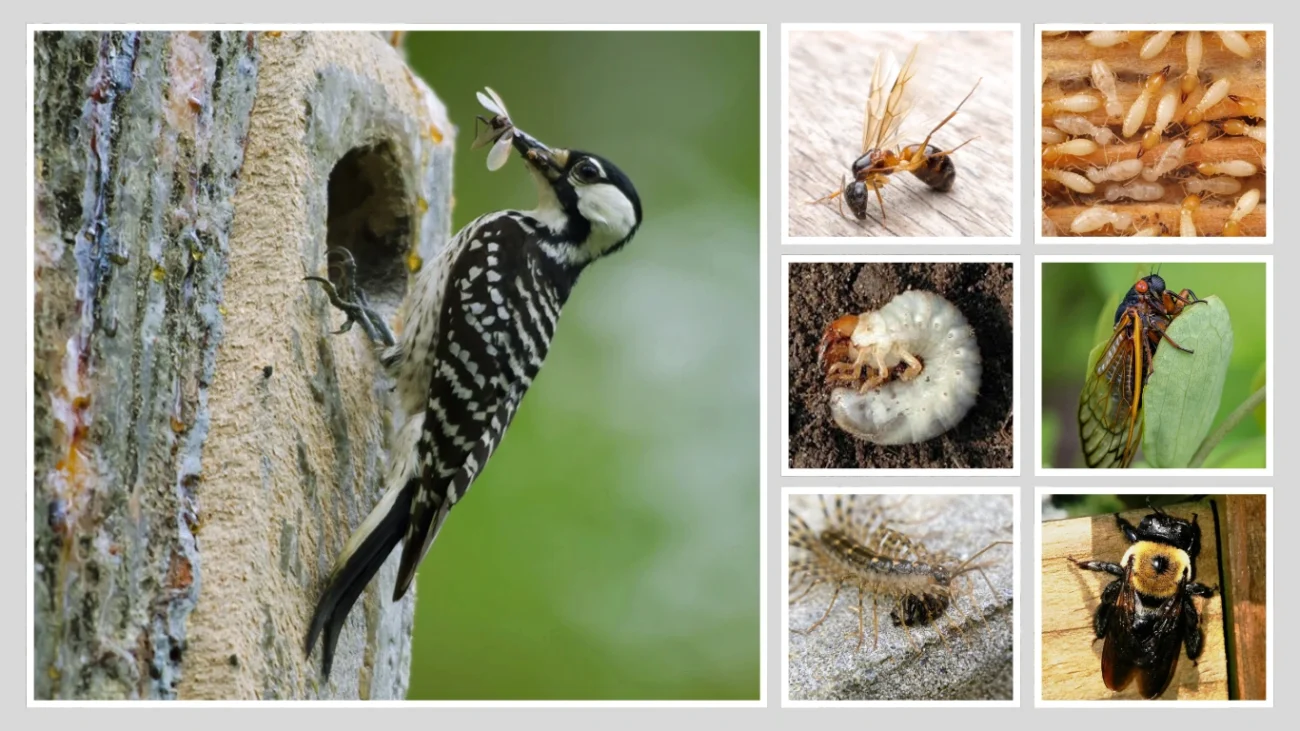
In their natural habitats, woodpeckers rely on a high-protein, insect-rich diet, but they’re also opportunistic feeders that adapt based on seasonal availability. Their strong beaks and barbed tongues make them excellent at foraging under bark, inside trees, and along the ground.
Insect-Based Diet
Insects make up the majority of most woodpeckers’ diet, especially during spring and summer. These include:
- Carpenter ants
- Termites
- Beetle larvae (grubs)
- Caterpillars and cicadas
- Spiders and centipedes
- Carpenter bees
Some species, like the Pileated Woodpecker, are known for tearing into dead trees to reach ants and larvae buried deep inside. Others, such as the Downy and Hairy Woodpeckers, forage along smaller branches for surface insects.
Tree Sap and Resin
Certain species like Yellow-bellied Sapsuckers specialize in drinking sap by drilling neat rows of holes into tree bark. These holes also attract insects, giving the woodpecker a two-for-one meal. Sap-feeding is more common in cooler seasons when insect activity is low. While they don’t eat wood, they do drill into it to access sap and insects.
What Do Woodpeckers Eat in Winter?
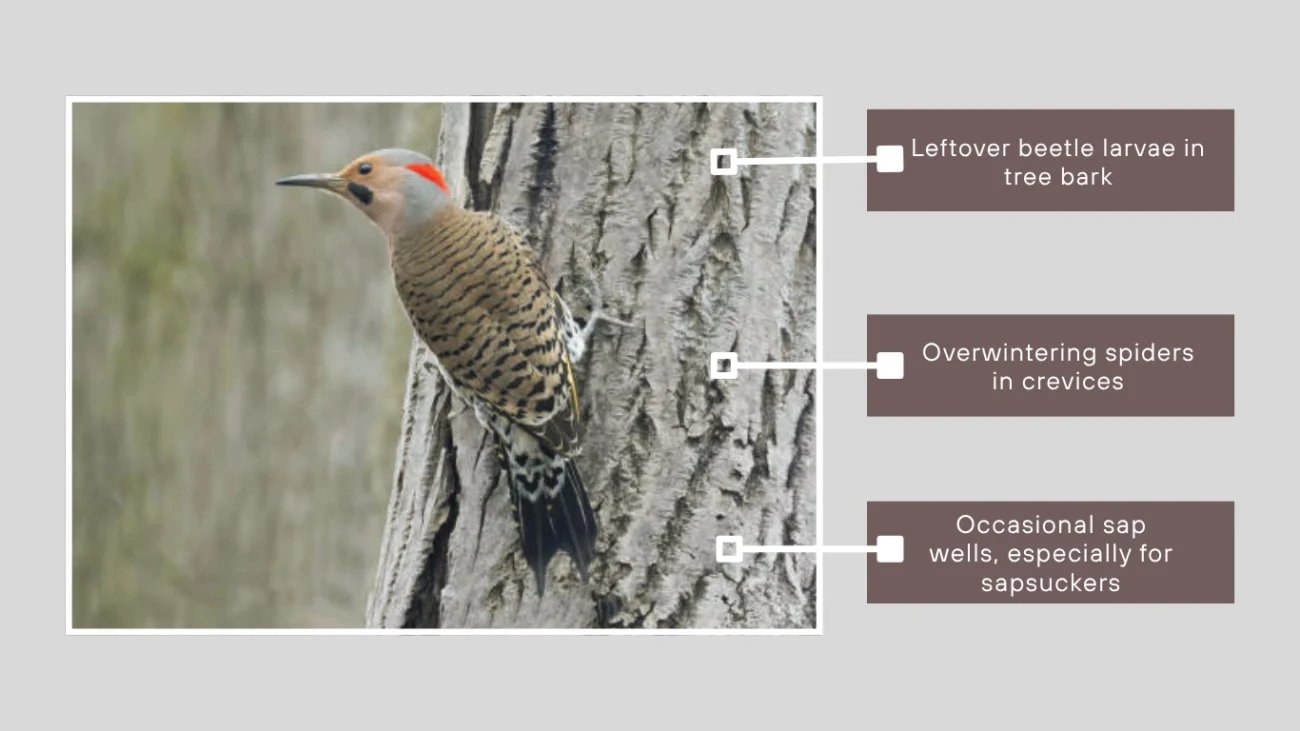
Winter presents new challenges for woodpeckers, especially in colder climates where insects are scarce. However, these birds are well-adapted and shift their diet toward plant-based sources and feeder foods.
Scarcity of Insects
Insects become less accessible in winter, so woodpeckers rely on:
- Leftover beetle larvae in tree bark
- Overwintering spiders in crevices
- Occasional sap wells, especially for sapsuckers
Alternative Winter Foods
To supplement their energy needs, woodpeckers consume more:
- Acorns, beechnuts, and pine seeds
- Berries like dogwood, bayberry, holly, and elderberry
- Fruit remnants found in trees or shrubs
Species like the Red-headed and Red-bellied Woodpecker often store food in bark or tree holes during fall, a behavior called caching, which helps them survive the cold months.
These dietary shifts help woodpeckers remain active year-round, even in snowy or icy environments.
What Do Woodpeckers Eat from Bird Feeders?

Woodpeckers are frequent visitors to backyard feeders, especially during fall and winter when natural food sources are limited. Offering the right types of food can attract a variety of woodpecker species, from small Downy Woodpeckers to larger Red-bellied and Pileated Woodpeckers.
Favorite Feeder Foods
Here are the top foods woodpeckers love at feeders:
- Suet – A high-fat energy source, especially popular in winter. Available plain or mixed with nuts, fruits, or insects.
- Peanuts (shelled or unshelled) – Packed with protein and healthy fats. Use in wire mesh or peanut feeders.
- Black oil sunflower seeds – Easily cracked and full of oil, ideal for most woodpecker species.
- Safflower seeds – Less common but accepted by Red-bellied and Downy Woodpeckers.
- Fruit – Offer orange halves, grapes, raisins, or apple slices in platform or fruit feeders.
- Dried mealworms – High-protein snacks that mimic natural insect prey.
- Peanut butter blends – Spread on bark or mix with cornmeal to create woodpecker-friendly food cakes.
Do Woodpeckers Eat From Hummingbird Feeders?
Occasionally, yes. Some species (especially Gila and Red-bellied Woodpeckers) have been seen sipping from hummingbird feeders. While nectar isn’t a main food source, it may provide a quick energy boost—particularly in dry or hot climates.
To discourage woodpeckers from draining hummingbird feeders, use feeders with bee guards or smaller ports. Conversely, if you want to attract them, leave a shallow nectar dish accessible to larger birds.
Species-Specific Diets
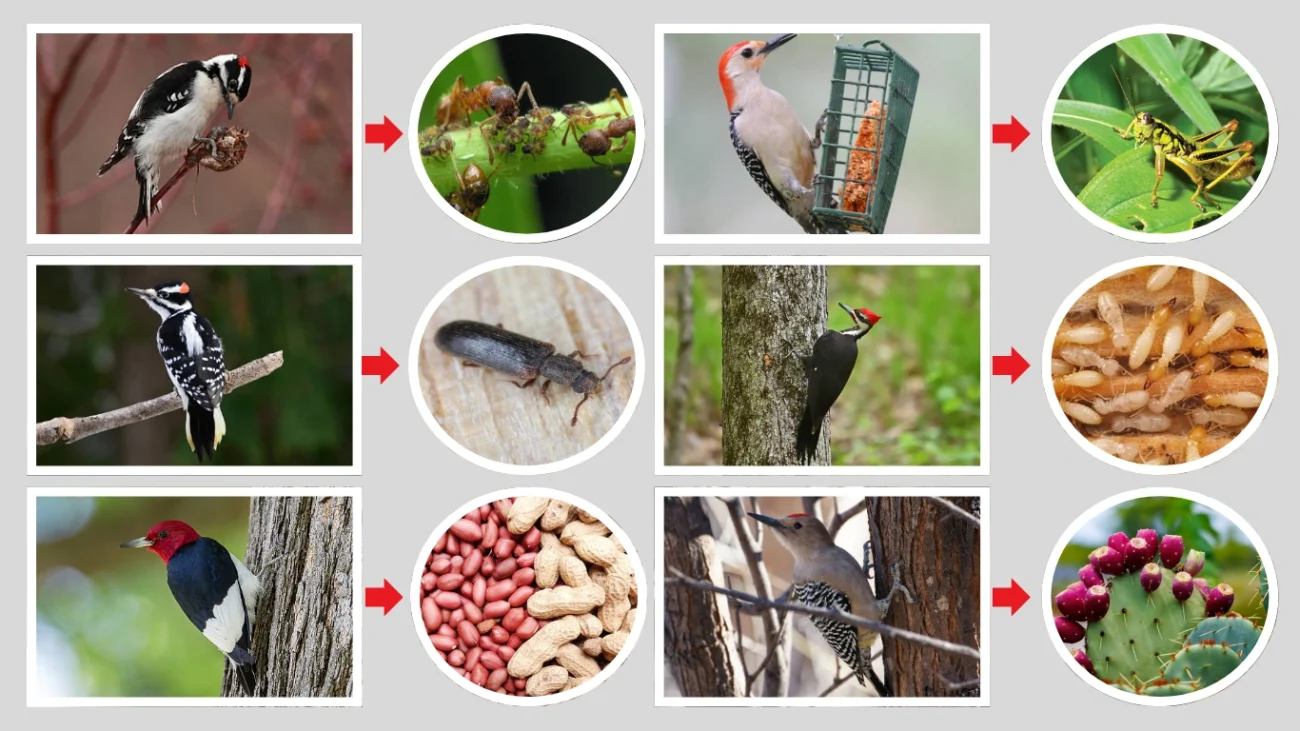
Different woodpecker species have slightly varied diets based on their habitat, beak size, and seasonal behavior. Here’s a breakdown of what each major species typically eats:
What Do Downy Woodpeckers Eat?
- Insects: Beetle larvae, ants, aphids
- Plant matter: Seeds, berries
- Feeder favorites: Suet, sunflower seeds, peanuts
They forage on twigs and small branches, often in suburban areas and parks.
What Do Hairy Woodpeckers Eat?
- Insects: Wood-boring beetles, caterpillars, bark beetles
- Fruits and nuts: Occasional berries and seeds
- Feeders: Suet, peanuts, sunflower seeds
Hairy Woodpeckers prefer mature forests and are more reclusive than Downy Woodpeckers.
What Do Red-headed Woodpeckers Eat?
- Omnivorous: Insects, nuts, berries, seeds, and even small lizards or bird eggs
- Caching behavior: Stores food in tree cavities
- Feeders: Enjoys peanuts, sunflower seeds, suet, and fruit
This species is versatile and often forages on the ground or in open woodlands.
What Do Red-bellied Woodpeckers Eat?
- Insects: Grasshoppers, beetles, and ants
- Fruits: Grapes, apples, berries
- Other: Tree sap, small vertebrates
- Feeders: Frequent visitors for suet, peanuts, and fruit
Red-bellied Woodpeckers adapt well to suburban feeders and are very vocal foragers.
What Do Pileated Woodpeckers Eat?
- Main diet: Carpenter ants, termites, wood-boring beetles
- Occasional: Nuts, wild fruits, suet
- Winter diet: Mostly insects from tree trunks
This large woodpecker is known for excavating deep rectangular holes in decaying wood.
What Do Gila Woodpeckers Eat?
- Found in desert regions like Arizona
- Diet: Cactus fruit, insects, small lizards, nectar
- Feeders: Will eat suet and visit hummingbird feeders
These birds thrive in saguaro-filled environments and nest inside cacti.
What Do Acorn Woodpeckers Eat?
- Primary food: Acorns, stored in “granary trees”
- Also eat: Insects, sap, fruits, and nuts
- Feeders: May visit for suet, peanuts
This social species often forms cooperative groups and lives in oak woodlands.
What Do Baby Woodpeckers Eat?
- Fed by both parents
- Diet includes regurgitated insects, larvae, and softened fruits
- As they grow, parents introduce seeds and suet
Baby woodpeckers remain in the nest cavity for several weeks before fledging.
What Don’t Woodpeckers Eat? (Myths and Misconceptions)
Do Woodpeckers Eat Wood?
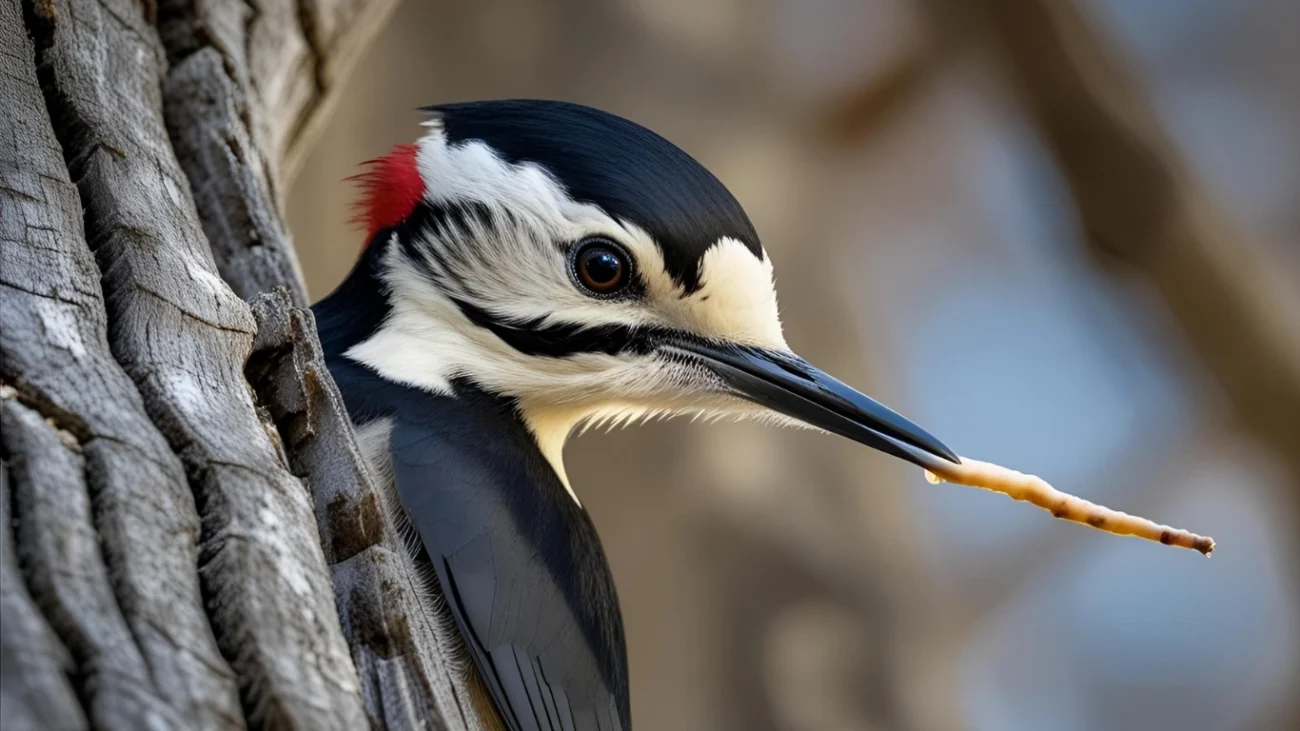
Despite their name, woodpeckers do not eat wood. They peck into wood to reach insects, extract sap, or create nesting cavities. The strong, chisel-like beak and long, sticky tongue are designed for excavation and foraging—not digestion of wood fibers. So, while it may seem like they’re consuming the wood of your home or tree, they’re really targeting what’s inside it.
Do Woodpeckers Eat Other Birds or Their Eggs?
Most woodpeckers are not predatory, but a few species—like the Red-headed Woodpecker—may occasionally eat bird eggs, nestlings, or small reptiles. However, this is uncommon and usually opportunistic, not a routine part of their diet. For the majority of species, especially Downy, Hairy, and Pileated Woodpeckers, their diet remains largely insect-based with a mix of plant matter.
What Animals Eat Woodpeckers?
Predators and Natural Threats
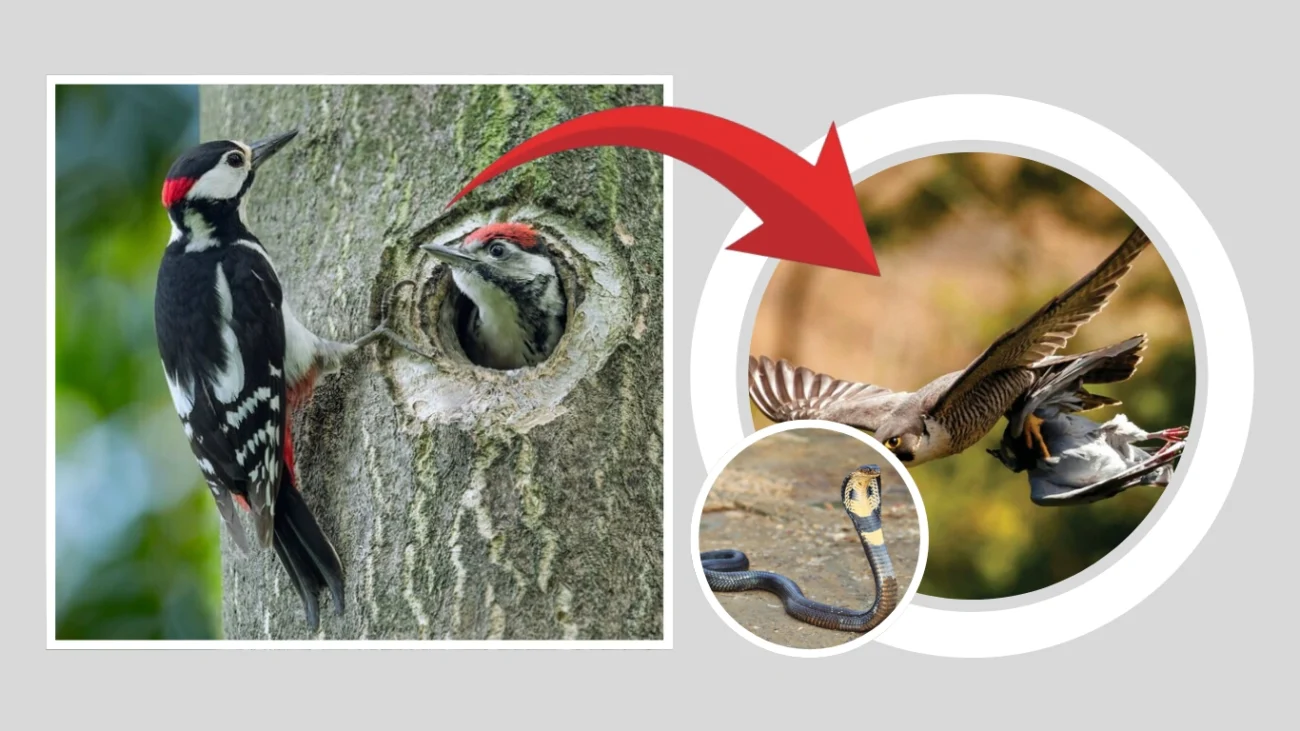
Woodpeckers, especially juveniles and nesting adults, face threats from various predators. Birds of prey like hawks and owls are among the most common. Snakes and squirrels may also raid nests, feeding on eggs or chicks. Raccoons, domestic cats, and even tree-climbing rats can pose a risk in suburban or forested areas.
Adult woodpeckers are agile and alert, making them harder to catch, but cavity nests can be vulnerable. They rely heavily on choosing safe nesting spots and maintaining escape awareness in their habitats. While they have natural defenses, predation remains a regular part of the ecosystem.
How to Feed Woodpeckers in Your Yard
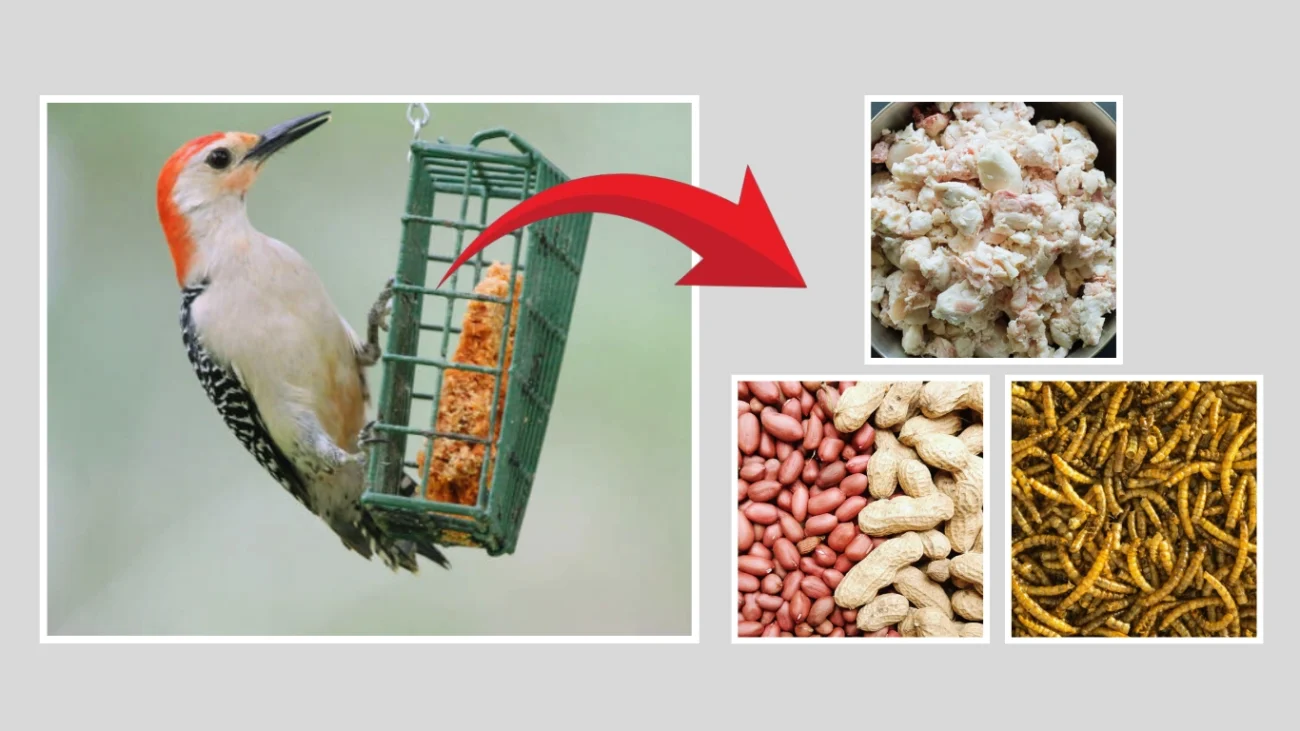
Attracting woodpeckers to your yard is not only rewarding but also beneficial—they help control insect populations and bring lively activity to your space. The key is offering food they like in a way that matches their natural feeding behavior.
Best Foods to Offer
Woodpeckers are especially fond of high-fat and high-protein foods. Suet is one of the most popular choices, especially in colder months when natural insect sources are limited. Peanuts (shelled or unshelled), black oil sunflower seeds, and dried mealworms also attract various species. Some woodpeckers enjoy fruit like orange slices, grapes, or berries, especially when placed on a flat platform or nailed to a tree.
Choosing the Right Feeders
Feeder design matters. Suet cages with tail supports are ideal for larger birds like Pileated and Red-bellied Woodpeckers. Wire mesh feeders are great for offering peanuts or mealworms. Platform feeders work well for fruit and seed mixes, while log-style feeders mimic natural bark crevices for clinging.
Tips to Attract More Woodpeckers
Keep dead tree limbs if safe—they offer foraging and nesting spots. Plant native trees and shrubs that bear fruit or nuts, and avoid using pesticides that kill off insect food sources. Offering food consistently year-round, especially in winter, can help build trust and encourage return visits.
By mimicking their natural diet and feeding habits, your yard can become a reliable feeding ground for local woodpecker species.
FAQs About Woodpecker Diets
Do woodpeckers eat termites or carpenter ants?
Yes, many woodpeckers—especially Pileated and Hairy Woodpeckers—actively hunt for termites and carpenter ants inside rotting trees or wooden structures. Their ability to detect insect movement under bark makes them natural pest controllers.
Do woodpeckers eat fruit and nuts?
Absolutely. Species like Red-bellied and Red-headed Woodpeckers regularly eat fruits such as grapes, berries, apples, and even oranges. Nuts like acorns, beechnuts, and peanuts are also an important food source, especially in fall and winter.
Do woodpeckers eat from the ground?
While most woodpeckers forage on trees, some, like the Red-headed Woodpecker, will also feed on the ground—especially for fallen nuts, fruits, or insects. It depends on the species and the availability of food.
What should I avoid feeding woodpeckers?
Avoid bread, salty snacks, or processed human food. These offer little nutrition and can be harmful. Stick to natural or bird-safe items like suet, nuts, seeds, fruits, and dried mealworms.
Can I feed woodpeckers year-round?
Yes. While they rely more on feeders during cold months, woodpeckers will visit suet and peanut feeders year-round if offered consistently. Just be sure to keep feeders clean and stocked with fresh, appropriate food.