1. European Stag Beetle
Stag beetles are among the most fascinating insects in the world, admired for their striking mandibles and diverse appearances. Found across Europe, Asia, Australia, and the Americas, these beetles play vital ecological roles as decomposers, aiding in nutrient recycling through decaying wood. This guide explores 15 different types of stag beetles, detailing their identification, habitats, behaviors, diets, and lifecycles, offering a complete overview of these remarkable insects.
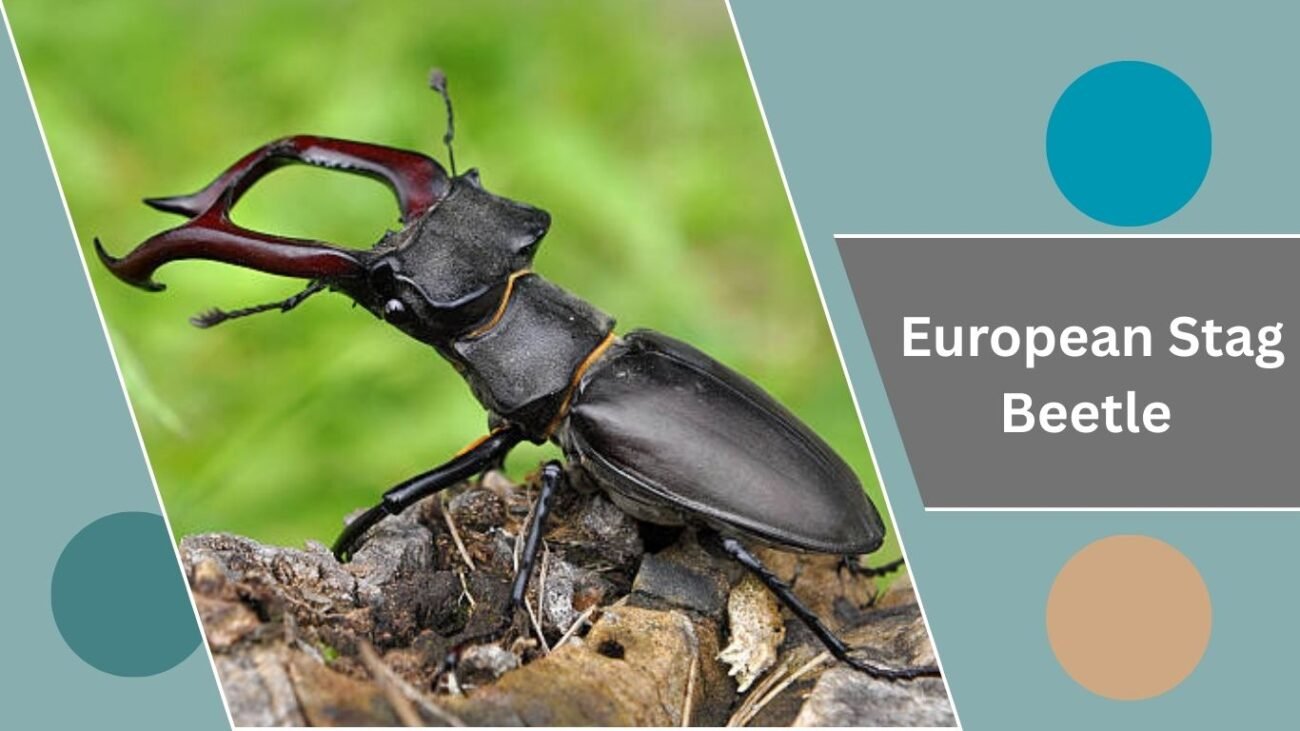
The European Stag Beetle (Lucanus cervus) is the largest terrestrial beetle species in Europe and is famous for its spectacular antler-like mandibles, especially in males. This beetle is culturally significant and often considered a symbol of summer in many parts of Europe. Despite its imposing appearance, it is harmless to humans.
Identification
- Males can reach up to 8 cm in length, females are smaller (2.5–5 cm)
- Dark reddish-brown elytra with a shiny black thorax and head
- Males possess large, antler-shaped mandibles used in combat
- Females have smaller, more functional mandibles
- Robust body with strong legs adapted for gripping wood
Habitat
European Stag Beetles prefer old woodlands, parks, orchards, and gardens with decaying hardwood trees. They thrive in areas with plenty of rotting oak, beech, or ash, which provide ideal conditions for larval development.
Behavior
Males are known for their dramatic “fights” using their mandibles to wrestle rivals during mating season. These displays are more for dominance than harm. Adults are most active on warm summer evenings and are often seen flying clumsily in search of mates.
Diet
Adults mainly feed on tree sap, nectar, and overripe fruits. The larvae consume decaying wood, which is essential for their growth and development over several years.
Lifecycle
The lifecycle of the European Stag Beetle can span up to 6 years. Larvae live in rotting wood for 3–5 years before pupating. Adults emerge in late spring to early summer, live for a few months, and focus on reproduction before dying by autumn.
2. Giant Stag Beetle

The Giant Stag Beetle (Lucanus elaphus) is the largest stag beetle species found in North America, particularly recognized for its massive size and the impressive mandibles of the males. Despite their fearsome look, they are harmless and play an important ecological role in nutrient recycling.
Identification
- One of the largest beetles in North America, reaching up to 6–7 cm in length
- Dark brown to black body with a shiny exoskeleton
- Males have long, antler-like mandibles used for wrestling
- Females are smaller with shorter, more functional jaws
- Strong, robust body with prominent wing covers (elytra)
Habitat
This species is mainly found in the eastern United States, especially in deciduous forests with abundant hardwood trees. They are also spotted in suburban areas with large trees, rotting logs, and stumps.
Behavior
Males use their enlarged mandibles to fight rivals during the mating season, attempting to flip or push each other away from females. They are primarily nocturnal, flying on warm summer nights in search of mates.
Diet
Adults feed on tree sap and decaying fruit, while larvae consume rotting wood, especially from oak and other hardwoods. Their role in breaking down dead wood is vital for forest ecosystems.
Lifecycle
The life cycle typically spans 3–5 years. Larvae live in rotting logs for several years before pupating. Adults emerge in summer, live only a few months, and are focused mainly on reproduction before dying in late summer or early autumn.
3. Reddish-brown Stag Beetle
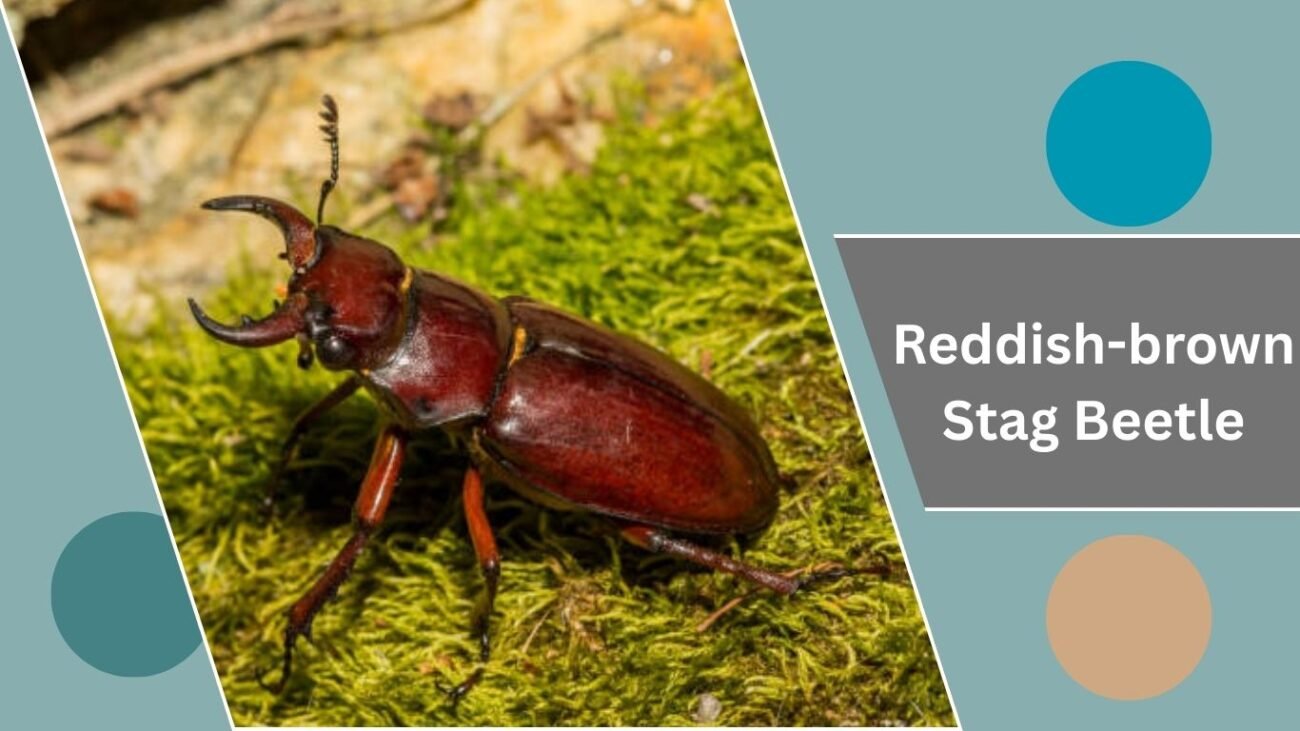
The Reddish-brown Stag Beetle (Lucanus capreolus) is a striking North American species known for its deep chestnut coloration and moderately sized mandibles. While not as large as the Giant Stag Beetle, it is still an impressive insect that contributes to the forest ecosystem by recycling decaying wood.
Identification
- Medium-sized beetle, typically 2.5–4.5 cm in length
- Distinct reddish-brown elytra with a glossy finish
- Males have curved mandibles resembling deer antlers
- Females are smaller with shorter mandibles
- Antennae with distinct elbowed clubs
Habitat
This species inhabits deciduous forests, woodlands, and wooded suburban areas across eastern North America. They prefer environments with plenty of decaying hardwood, especially oak and maple.
Behavior
Males often engage in combat using their mandibles to compete for mates, though their fights are less dramatic than those of larger stag beetle species. They are mostly active at dusk and night, often attracted to lights during the summer.
Diet
Adults feed on tree sap, juices from overripe fruit, and occasionally nectar. The larvae consume rotting wood, which provides them with the nutrients needed for their long development phase.
Lifecycle
The lifecycle lasts around 2–4 years. Larvae develop inside rotting logs for several years before pupating. Adults emerge in late spring or early summer, live for a few months, and reproduce before dying in autumn.
4. Flat-headed Stag Beetle
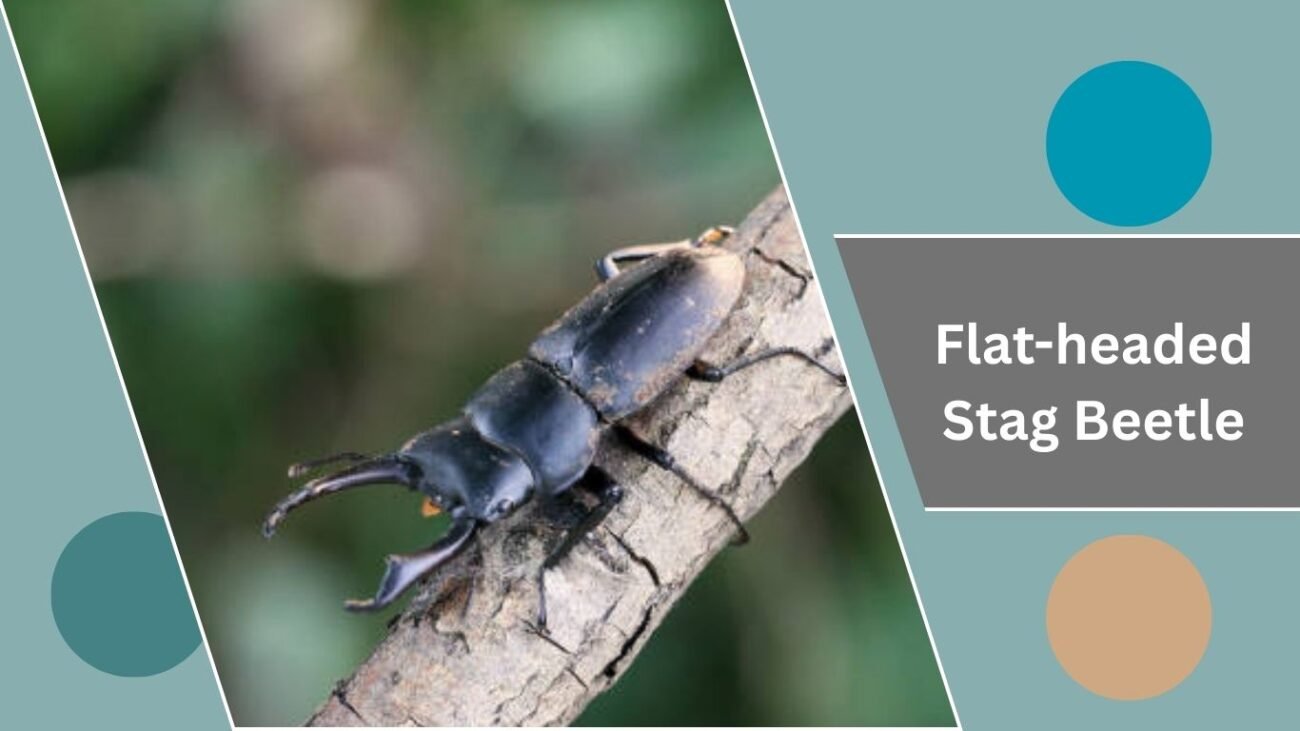
The Flat-headed Stag Beetle (Platycerus caraboides) is a small and less conspicuous member of the stag beetle family. Unlike many of its larger relatives, this beetle has a flatter body and reduced mandibles, making it quite distinct in appearance and behavior.
Identification
- Small beetle, usually 1–2 cm in length
- Flattened, elongated body shape
- Metallic dark blue or black coloration
- Mandibles are short and not antler-like
- Elytra smooth and shiny, giving a streamlined look
Habitat
Flat-headed Stag Beetles are widespread across Europe and parts of Asia, preferring moist deciduous forests with plenty of fallen logs and stumps. They are strongly associated with rotting wood, especially oak and beech.
Behavior
Unlike larger stag beetles, this species does not engage in dramatic combat. They are more reclusive and spend much of their life hidden within decaying wood. Adults are less likely to fly around lights and are more often encountered when logs are disturbed.
Diet
Adults feed on tree sap and decaying plant matter, while larvae live exclusively in rotting wood, where they aid in the decomposition process.
Lifecycle
The lifecycle is relatively short compared to larger stag beetles, lasting about 2–3 years. Larvae spend most of their time inside rotting wood before pupating. Adults emerge in late spring and live through the summer months, with a primary focus on reproduction.
5. Blue Stag Beetle

The Blue Stag Beetle (Platycerus caprea) is a small and beautifully colored stag beetle species known for its metallic blue sheen. Unlike its larger relatives, it is less aggressive and has shorter mandibles, but it still plays an important role in forest ecosystems through wood decomposition.
Identification
- Small beetle, typically 1.2–1.8 cm in length
- Metallic blue or bluish-green body with a shiny surface
- Flattened and elongated body similar to other Platycerus species
- Short mandibles, not antler-like
- Elytra smooth, giving a streamlined appearance
Habitat
Blue Stag Beetles are found in parts of Europe and Asia, particularly in mixed and deciduous forests. They prefer damp environments with plenty of rotting logs and tree stumps, often oak or beech.
Behavior
These beetles are shy and reclusive, spending much of their time in or around decaying wood. Unlike larger stag beetles, they rarely engage in combat displays. Adults are usually active during late spring and early summer and are less frequently attracted to lights at night.
Diet
Adults feed mainly on tree sap and occasionally rotting fruit, while the larvae depend on decaying wood for nutrition and development.
Lifecycle
The lifecycle typically takes about 2–3 years. Larvae live within rotting logs until pupation, emerging as adults in spring. Adults live only a few months, focusing on reproduction during the warmer season.
6. Antlered Stag Beetle
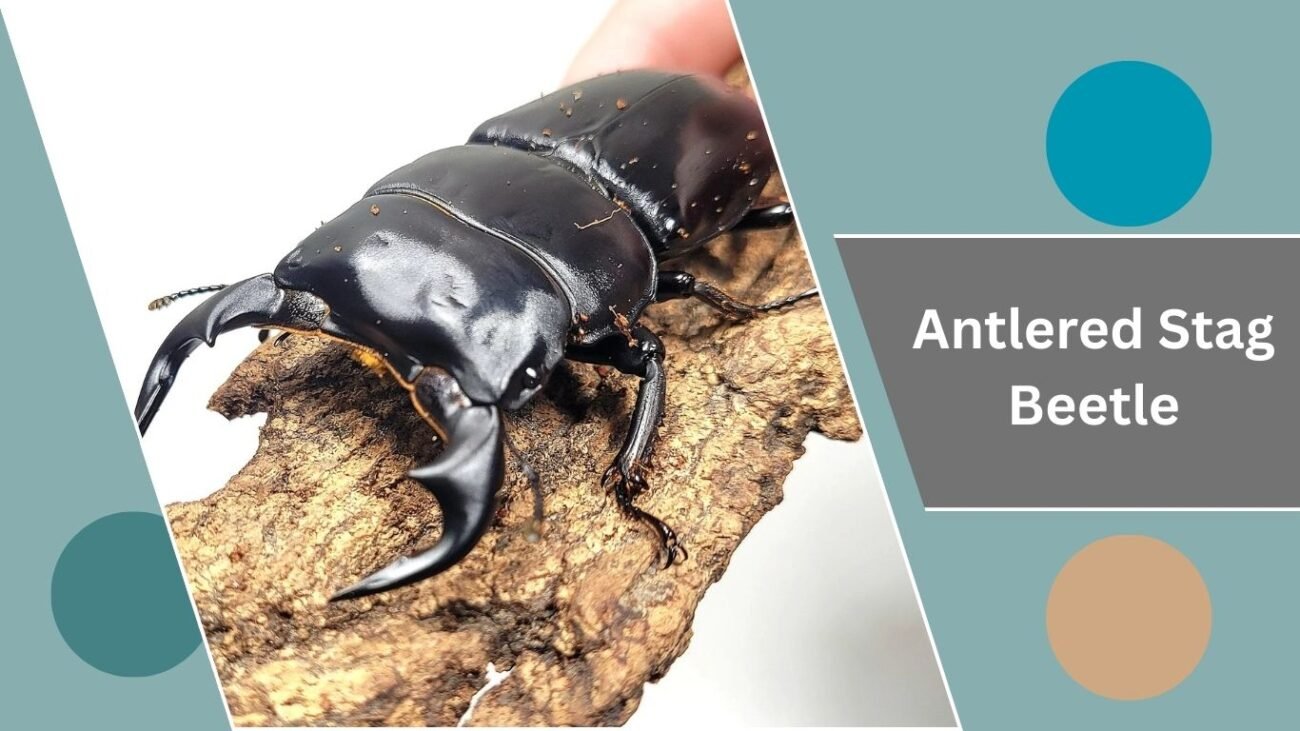
The Antlered Stag Beetle (Dorcus parallelipipedus) is a widespread and relatively common stag beetle species in Europe. Though smaller and less dramatic than the famous European Stag Beetle, it is easily recognized by its flattened body and characteristic mandibles.
Identification
- Medium-sized beetle, usually 2.5–3.5 cm long
- Body flattened and rectangular in shape
- Black or dark brown coloration with a matte finish
- Males have noticeable but short mandibles compared to larger stag beetles
- Females are slightly smaller and have stronger, functional jaws
Habitat
This species inhabits deciduous and mixed forests, parks, hedgerows, and gardens. It thrives in areas with old trees, particularly oak, beech, and ash, where rotting wood is available for larvae.
Behavior
The Antlered Stag Beetle is mainly nocturnal and often found crawling on tree trunks or logs at night. Unlike larger species, males do not engage in spectacular fights but may still use their mandibles for small skirmishes. Adults are sometimes attracted to lights during warm summer evenings.
Diet
Adults feed on tree sap, nectar, and fermenting fruit, while larvae develop in rotting hardwood. This feeding process helps recycle nutrients back into the soil.
Lifecycle
The lifecycle lasts 2–3 years. Larvae spend most of this period inside decayed wood before pupating. Adults emerge in late spring and summer, live only a few months, and focus on reproduction before dying in autumn.
7. Lesser Stag Beetle
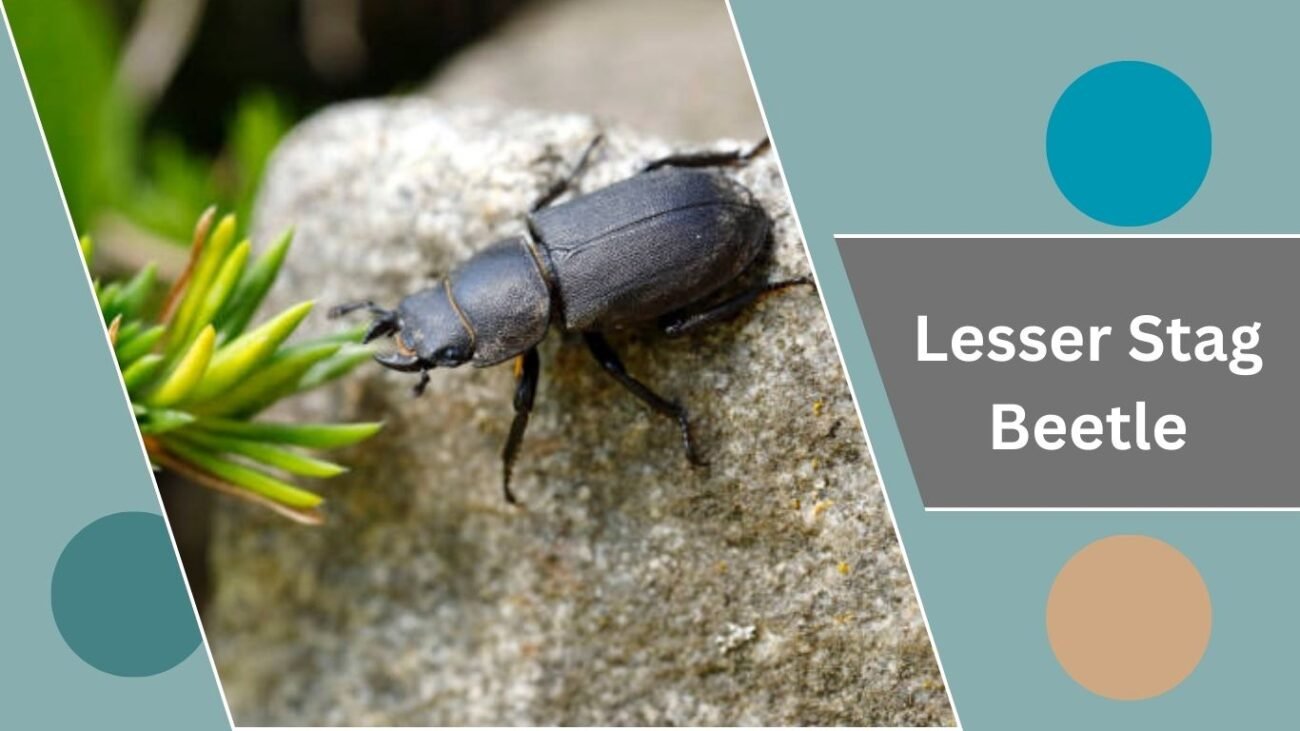
The Lesser Stag Beetle (Dorcus minor) is a smaller relative of the stag beetle family, often overlooked because of its modest size compared to more impressive species. However, it remains an important decomposer in woodland ecosystems.
Identification
- Small to medium-sized beetle, about 1.5–3 cm long
- Flattened body, dark brown to black in color
- Mandibles short and strong, not exaggerated like in larger stag beetles
- Both males and females look quite similar, with only slight differences in jaw size
- Elytra smooth with a matte appearance
Habitat
This species is distributed across Europe and parts of Asia. It inhabits deciduous forests, hedgerows, and gardens, preferring areas with rotting hardwoods like oak, ash, and beech.
Behavior
The Lesser Stag Beetle is active mainly in the summer and often found crawling on tree trunks, logs, or near rotting stumps. Unlike larger species, males do not engage in dramatic combat. They are more discreet and less likely to fly long distances.
Diet
Adults feed on tree sap and juices from rotting fruit. Larvae develop in decaying wood, especially well-rotted stumps and buried roots, contributing to forest nutrient cycling.
Lifecycle
The lifecycle is shorter than that of larger stag beetles, lasting about 1–2 years. Larvae spend most of this time inside rotting wood before pupating. Adults emerge in late spring or early summer, live for several months, and reproduce before dying in autumn.
8. Saw Stag Beetle
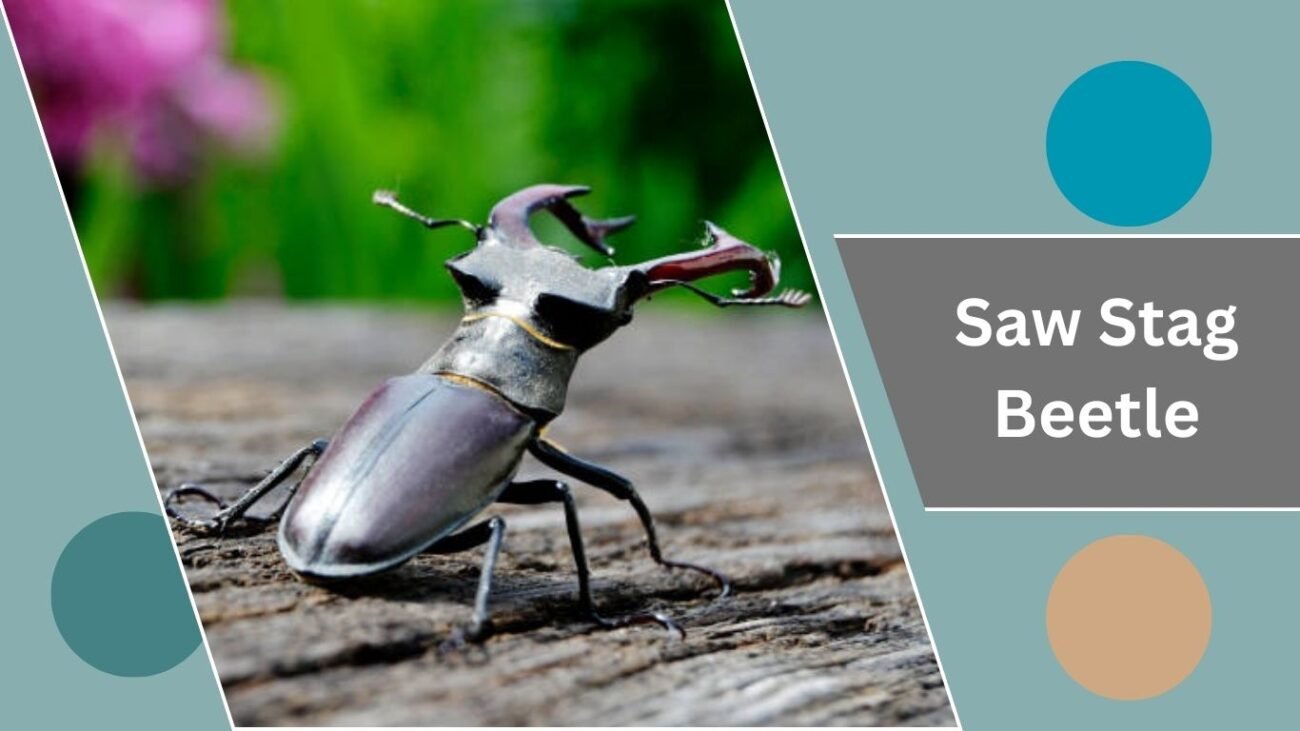
The Saw Stag Beetle (Prosopocoilus inclinatus) is one of the most well-known stag beetles in East Asia, especially in Japan where it is admired and even kept as a pet. It gets its name from the saw-like appearance of the males’ mandibles.
Identification
- Medium to large beetle, 3–5 cm in length
- Dark brown to black body with a shiny surface
- Males have long, curved mandibles with tooth-like projections resembling a saw
- Females are smaller, with shorter, more functional mandibles
- Robust body with strong wing covers (elytra)
Habitat
The Saw Stag Beetle inhabits deciduous and mixed forests across Japan, Korea, Taiwan, and parts of China. It prefers areas rich in old hardwood trees and rotting logs, which serve as breeding grounds.
Behavior
Males use their mandibles in combat to wrestle rivals for access to females. They are strong flyers, especially active on warm summer nights, and often attracted to lights. In Japanese culture, they are popularly collected and sometimes bred in captivity.
Diet
Adults feed on tree sap, overripe fruits, and occasionally nectar. Larvae live inside rotting hardwood, consuming decayed fibers for several years before pupation.
Lifecycle
The lifecycle lasts around 2–3 years. Larvae develop inside deadwood until pupation, after which adults emerge in early summer. Adults typically live for a few months, focusing on mating and feeding before dying in autumn.
9. Golden Stag Beetle
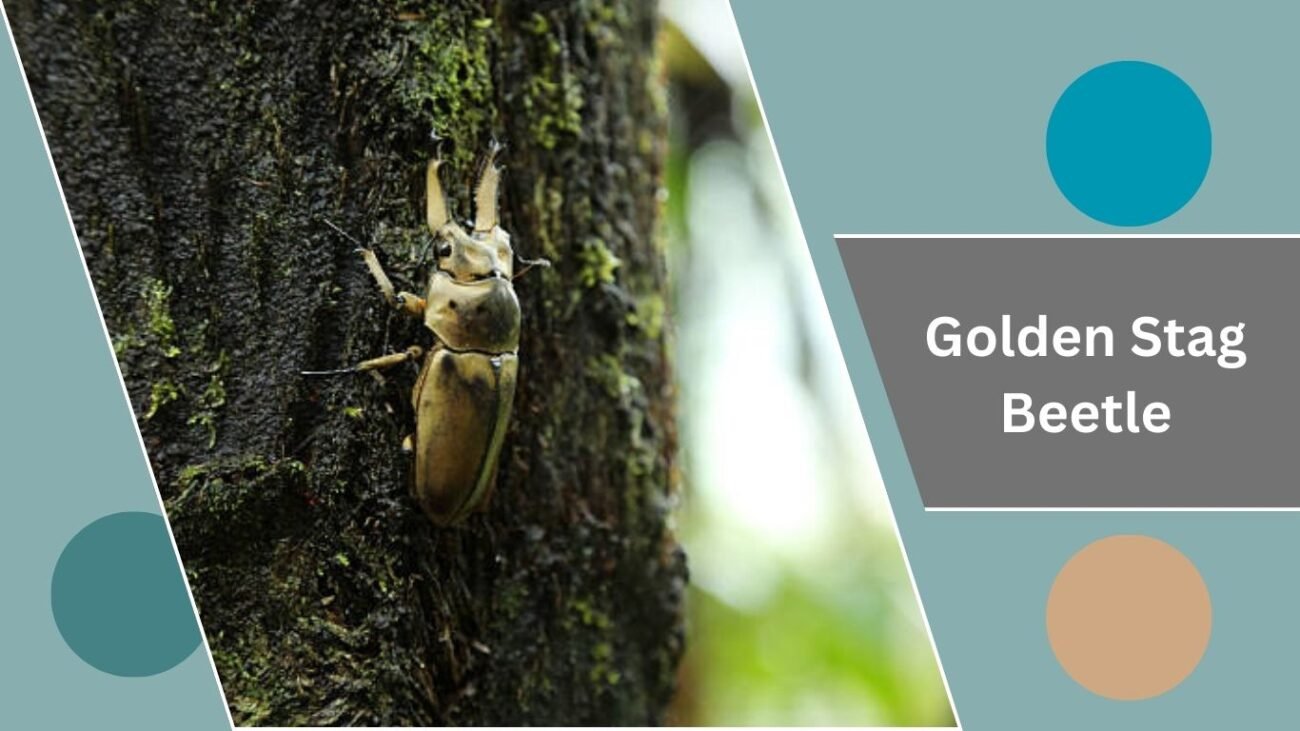
The Golden Stag Beetle (Lamprima aurata) is a brilliantly colored species native to Australia, admired for its metallic sheen. Unlike many darker stag beetles, this one stands out with its vibrant golden and green hues, making it one of the most beautiful beetles in the world.
Identification
- Small to medium-sized beetle, 2–4 cm in length
- Metallic body with golden, green, or copper coloration depending on light
- Males have relatively large mandibles compared to females
- Females are smaller and more robust with shorter jaws
- Elytra smooth and highly reflective
Habitat
Golden Stag Beetles are found mainly in eastern and southern Australia, inhabiting eucalyptus forests, woodlands, and suburban gardens. They are closely associated with rotting wood and decaying logs, where their larvae develop.
Behavior
Males use their mandibles to fight for access to females, though their combat is less intense than that of larger stag beetles. They are most active during summer, often seen on tree trunks feeding on sap. Their striking appearance makes them highly sought after by collectors.
Diet
Adults feed on tree sap, nectar, and overripe fruits, while larvae feed exclusively on decaying wood, especially eucalyptus.
Lifecycle
The lifecycle typically lasts 1–2 years. Larvae develop within rotting logs, pupating before emerging as adults in summer. Adults live for only a few months, focusing on reproduction before dying by the end of the warm season.
10. Rainbow Stag Beetle

The Rainbow Stag Beetle (Phalacrognathus muelleri) is one of the most stunning beetle species in the world, famous for its iridescent, rainbow-like colors. Native to Australia, it is a favorite among insect collectors and breeders due to its metallic brilliance and relatively manageable size.
Identification
- Medium-sized beetle, typically 3–6 cm in length
- Iridescent body with rainbow hues of green, gold, red, and purple
- Males have large, curved mandibles used in combat
- Females are smaller with shorter, more functional jaws
- Shiny, smooth exoskeleton with striking metallic reflections
Habitat
Rainbow Stag Beetles are found in northeastern Australia, particularly in tropical rainforests. They prefer rotting logs and decayed hardwood where their larvae can thrive.
Behavior
Males are territorial and use their mandibles to fight rivals for mates. They are strong flyers, often active during warm evenings. Unlike many stag beetles, they are also popular in the pet trade due to their bright colors and relatively calm temperament.
Diet
Adults feed on tree sap, nectar, and juices from overripe fruit. Larvae consume rotting hardwood, which is essential for their long development.
Lifecycle
The lifecycle usually spans 2–3 years. Larvae live in decayed wood for up to two years before pupating. Adults emerge in summer, live for several months, and focus on reproduction before dying toward the end of the season.
11. Japanese Stag Beetle
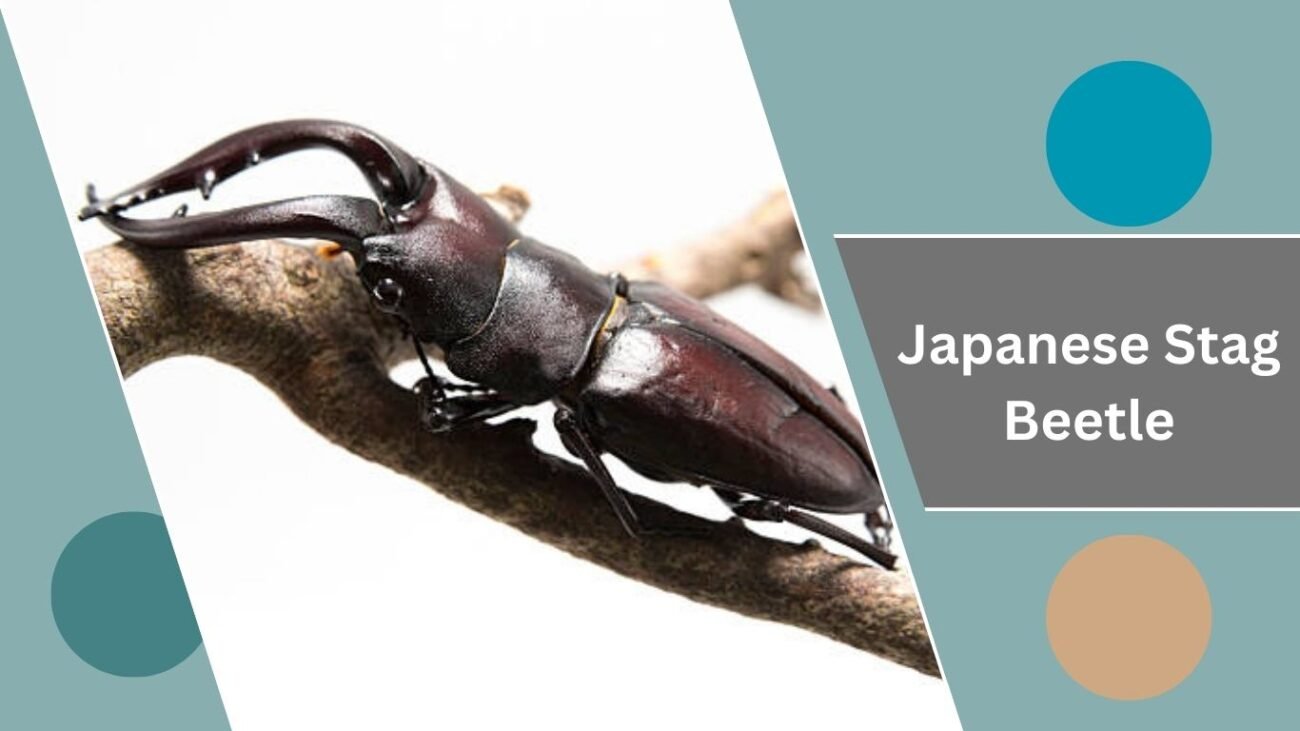
The Japanese Stag Beetle (Dorcus hopei binodulosus) is one of the largest and most iconic stag beetle species in Asia. It is highly prized among collectors and beetle enthusiasts, particularly in Japan, due to its impressive size and powerful mandibles.
Identification
- Large beetle, ranging from 4–9 cm in length
- Glossy black exoskeleton with a robust build
- Males have massive, elongated mandibles used for combat
- Females are smaller with shorter, stronger jaws
- Elytra smooth and shiny, often giving a polished appearance
Habitat
This species is native to Japan, China, and parts of Southeast Asia. It thrives in broadleaf forests, especially in areas with plenty of rotting oak and chestnut wood for larval development.
Behavior
Males are highly territorial and engage in fierce battles with their mandibles to secure mates. They are powerful but clumsy flyers, often seen during summer nights. In Japan, they are culturally significant and sometimes bred in captivity as pets.
Diet
Adults feed on tree sap, fruit juices, and overripe fruit, while larvae live inside rotting hardwood, consuming decayed wood fibers for nourishment.
Lifecycle
The lifecycle usually lasts 2–3 years. Larvae develop inside rotting logs for most of this period before pupating. Adults emerge in early summer, live for a few months, and dedicate their short lifespan to reproduction.
12. Korean Stag Beetle
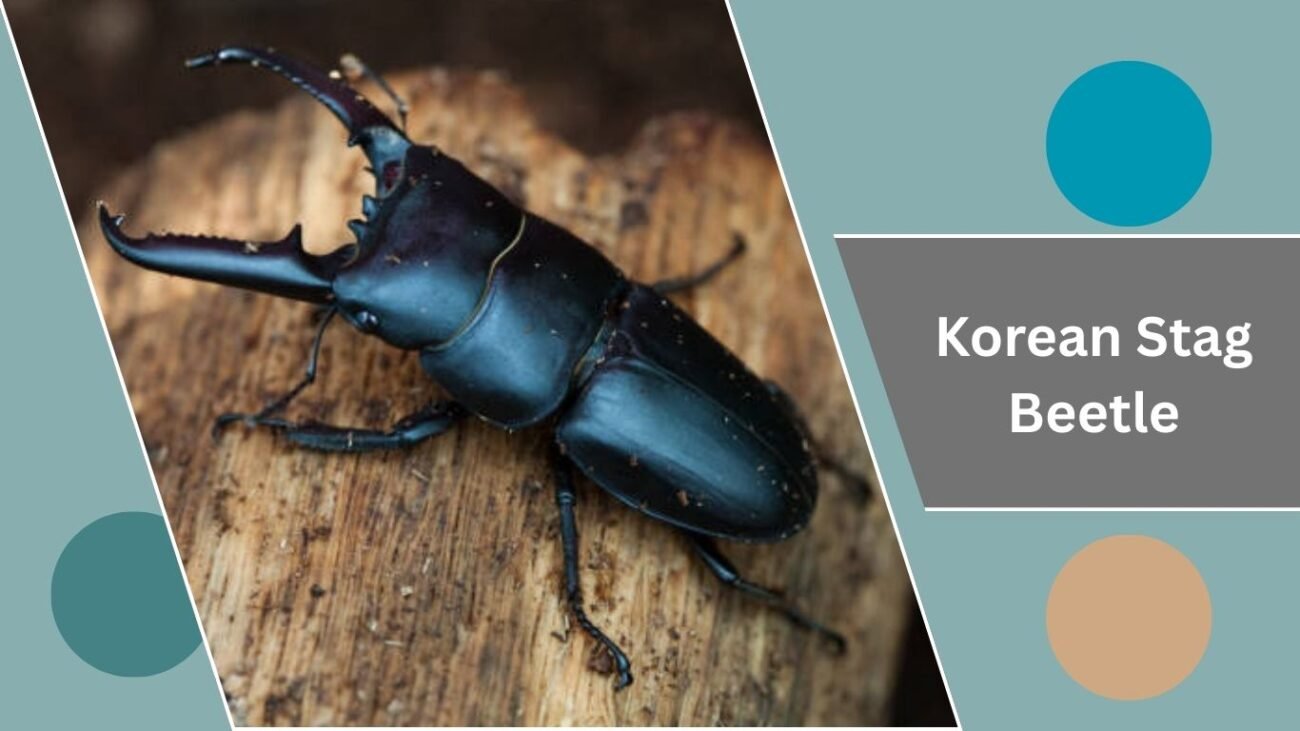
The Korean Stag Beetle (Dorcus koreanus) is a striking stag beetle native to the Korean Peninsula. Known for its glossy appearance and relatively large size, it is one of the more notable species in East Asia and is admired by beetle collectors.
Identification
- Medium to large beetle, 3–6 cm in length
- Glossy black or dark brown exoskeleton
- Males possess elongated mandibles with inward-pointing teeth for combat
- Females are smaller, with shorter and stronger jaws
- Elytra smooth and slightly shiny, often darker than related species
Habitat
This species is found throughout Korea in deciduous and mixed forests. It prefers areas rich in hardwood trees such as oak, chestnut, and beech, where rotting wood is abundant for larval development.
Behavior
Males engage in combat using their mandibles to push or flip rivals during the mating season. They are nocturnal and are frequently attracted to lights during summer nights. Like other stag beetles in Asia, they are sometimes kept as pets or used in beetle-fighting contests.
Diet
Adults feed on tree sap, overripe fruit, and occasionally nectar. Larvae develop inside rotting hardwood, feeding on decayed wood fibers for several years.
Lifecycle
The lifecycle generally spans 2–3 years. Larvae live inside decomposing wood until pupation. Adults emerge in summer, live for several months, and reproduce before dying in late summer or early autumn.
13. Long-arm Stag Beetle
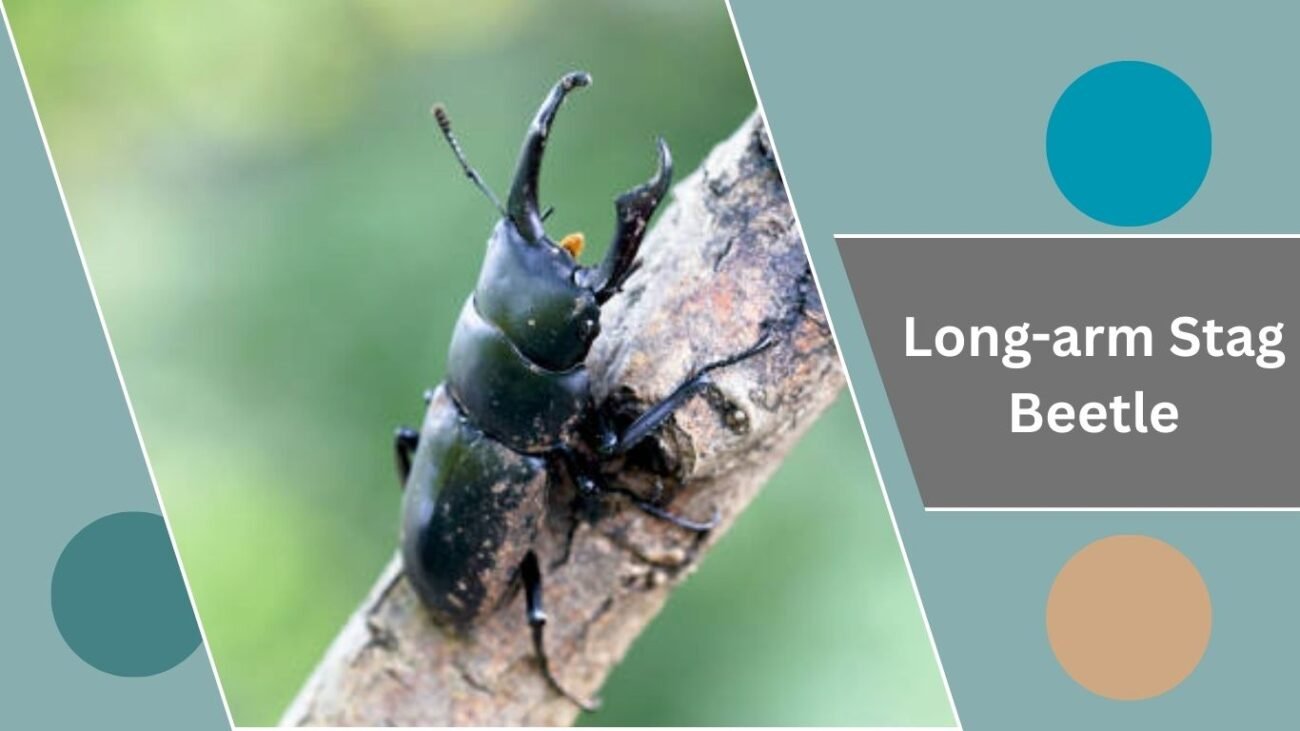
The Long-arm Stag Beetle (Aegus chelifer) is a distinctive stag beetle species found across parts of Asia. Its name comes from the unusually long, forward-stretching mandibles of the males, which they use in combat.
Identification
- Medium-sized beetle, 2.5–4.5 cm in length
- Dark brown to black exoskeleton with a glossy sheen
- Males have elongated, forward-pointing mandibles resembling long arms
- Females are smaller with short, powerful jaws
- Flattened body, adapted for living in and around decayed wood
Habitat
The Long-arm Stag Beetle inhabits tropical and subtropical forests across Southeast Asia, including India, Malaysia, and Indonesia. It thrives in moist environments with plenty of rotting logs and stumps.
Behavior
Males use their long mandibles to wrestle opponents for mates, often engaging in prolonged battles. They are nocturnal, hiding during the day and becoming active at night, especially during the breeding season.
Diet
Adults feed on tree sap and juices from overripe fruit, while larvae feed exclusively on rotting hardwood. They are important decomposers in forest ecosystems.
Lifecycle
The lifecycle lasts about 1–2 years. Larvae develop inside decomposing wood until pupation. Adults emerge in summer, live for a few months, and focus primarily on reproduction before dying by the end of the warm season.
14. Black Stag Beetle
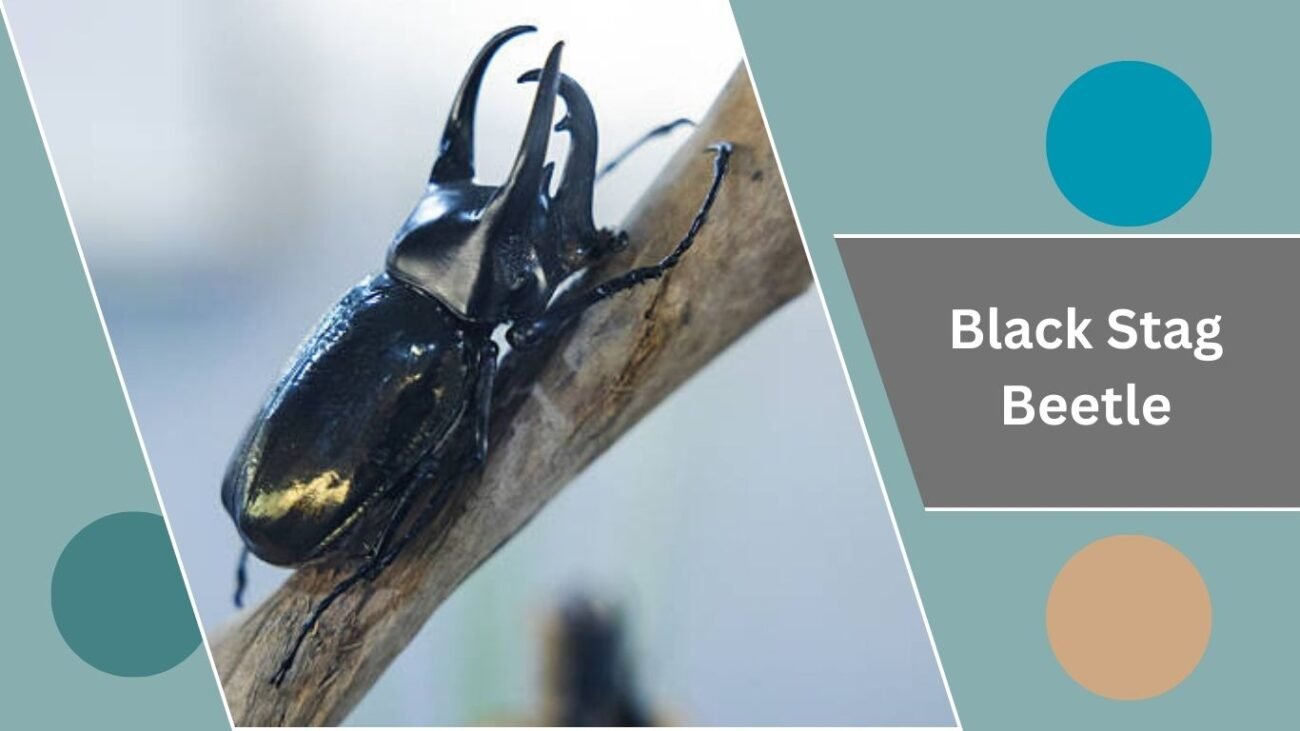
The Black Stag Beetle (Dorcus titanus) is one of the largest and most famous stag beetle species in Asia. Known for its formidable size and powerful mandibles, it is highly prized by beetle enthusiasts and collectors, especially in Japan and Southeast Asia.
Identification
- Large beetle, 4–9 cm in length (some males even larger)
- Glossy black exoskeleton with a robust, heavy body
- Males have extremely long, flat mandibles with sharp inner teeth
- Females are smaller and sturdier with short, strong jaws
- Elytra smooth and shiny, with a jet-black appearance
Habitat
This species is widely distributed in East and Southeast Asia, including Japan, Indonesia, the Philippines, and Malaysia. It inhabits tropical and subtropical forests, favoring areas with abundant rotting hardwood for larvae.
Behavior
Males are aggressive and use their powerful mandibles to fight rivals, often locking jaws and attempting to flip each other. They are nocturnal and strong flyers, frequently drawn to lights during summer nights. In many Asian cultures, they are collected, bred, and even used in beetle-fighting contests.
Diet
Adults feed on tree sap and fruit juices, while larvae consume decayed hardwood. Their feeding helps recycle nutrients in forest ecosystems.
Lifecycle
The lifecycle usually spans 2–3 years. Larvae live in rotting wood for most of this time before pupating. Adults emerge in warm months, live a few months, and focus entirely on reproduction before dying in late summer or autumn.
15. Mandibular Stag Beetle
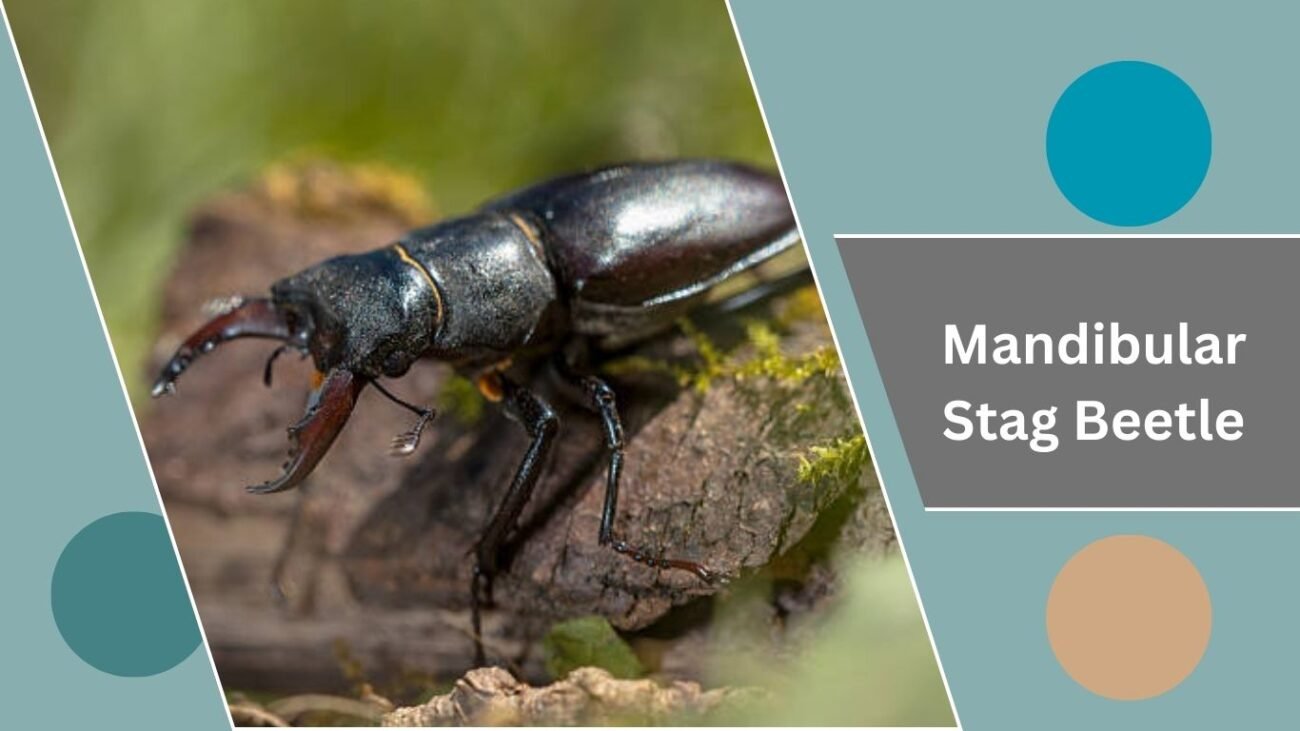
The Mandibular Stag Beetle (Hexarthrius parryi) is a spectacular stag beetle species known for its exceptionally large and curved mandibles. It is highly sought after by collectors and is one of the most impressive stag beetles found in Asia.
Identification
- Large beetle, typically 4–9 cm in length
- Shiny dark brown to black exoskeleton, sometimes with reddish tones
- Males have extremely long, sickle-shaped mandibles with sharp inner teeth
- Females are smaller, more robust, with much shorter jaws
- Strong, elongated body adapted for combat and display
Habitat
This species is native to South and Southeast Asia, including India, Thailand, Malaysia, and Indonesia. It inhabits tropical and subtropical forests, particularly in areas with abundant decaying hardwood.
Behavior
Males use their massive, curved mandibles to battle rivals, lifting and flipping them in dramatic fights. They are nocturnal and strong flyers, often seen during warm, humid nights. Because of their striking appearance, they are often bred and kept by beetle enthusiasts.
Diet
Adults feed on tree sap and the juices of ripe or decaying fruit. Larvae develop in rotting hardwood, feeding on decomposed fibers for several years.
Lifecycle
The lifecycle lasts 2–3 years. Larvae remain inside rotting wood for most of this time, pupating before adults emerge in the summer. Adults live only a few months, focusing on reproduction before dying by the end of the season.