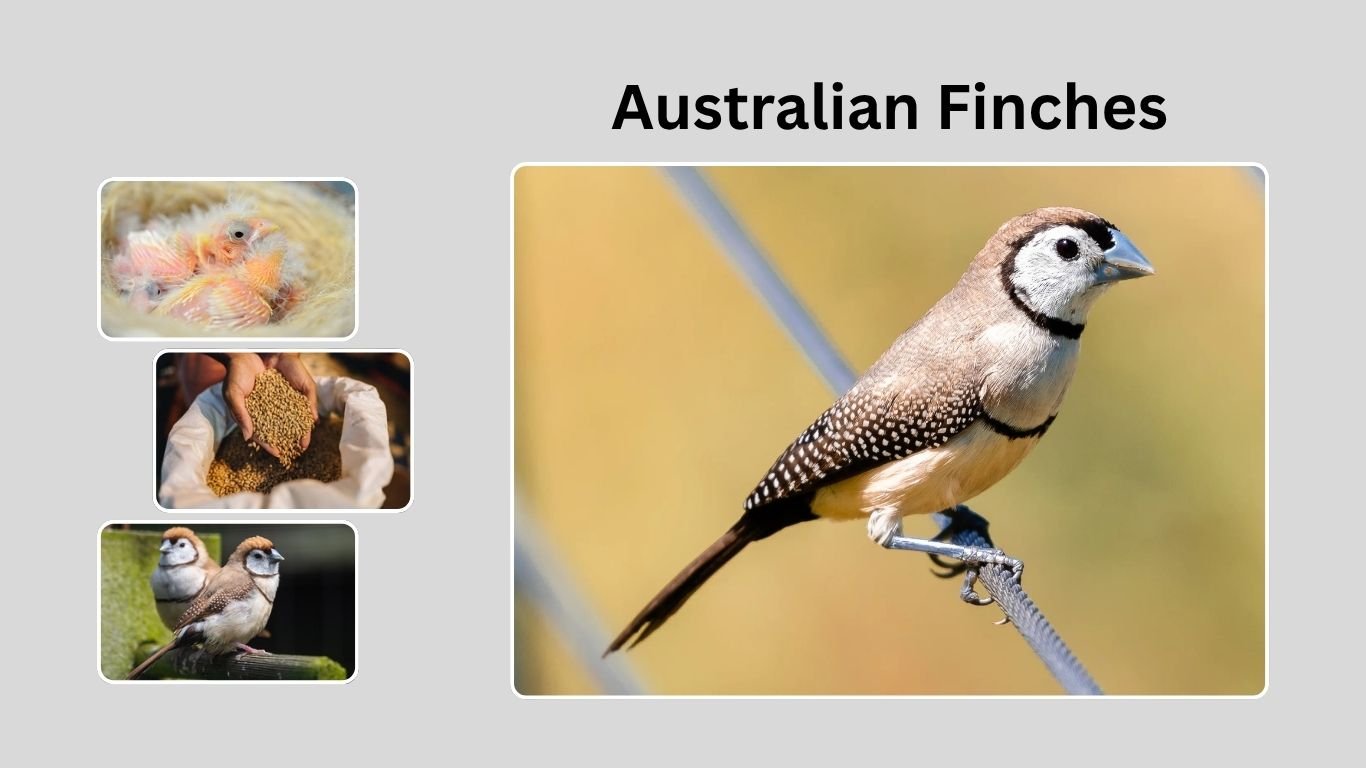
The house finch is a colorful, cheerful songbird admired for its adaptability and charming nesting behavior. These small birds are often found in backyards, gardens, and city ledges, where they skillfully build nests and raise their young. One of the most fascinating parts of their life cycle is the egg-laying and hatching process. This article explores everything about house finch eggs—from their appearance and color to incubation time, nesting habits, and species variations.
Identifying House Finch Eggs
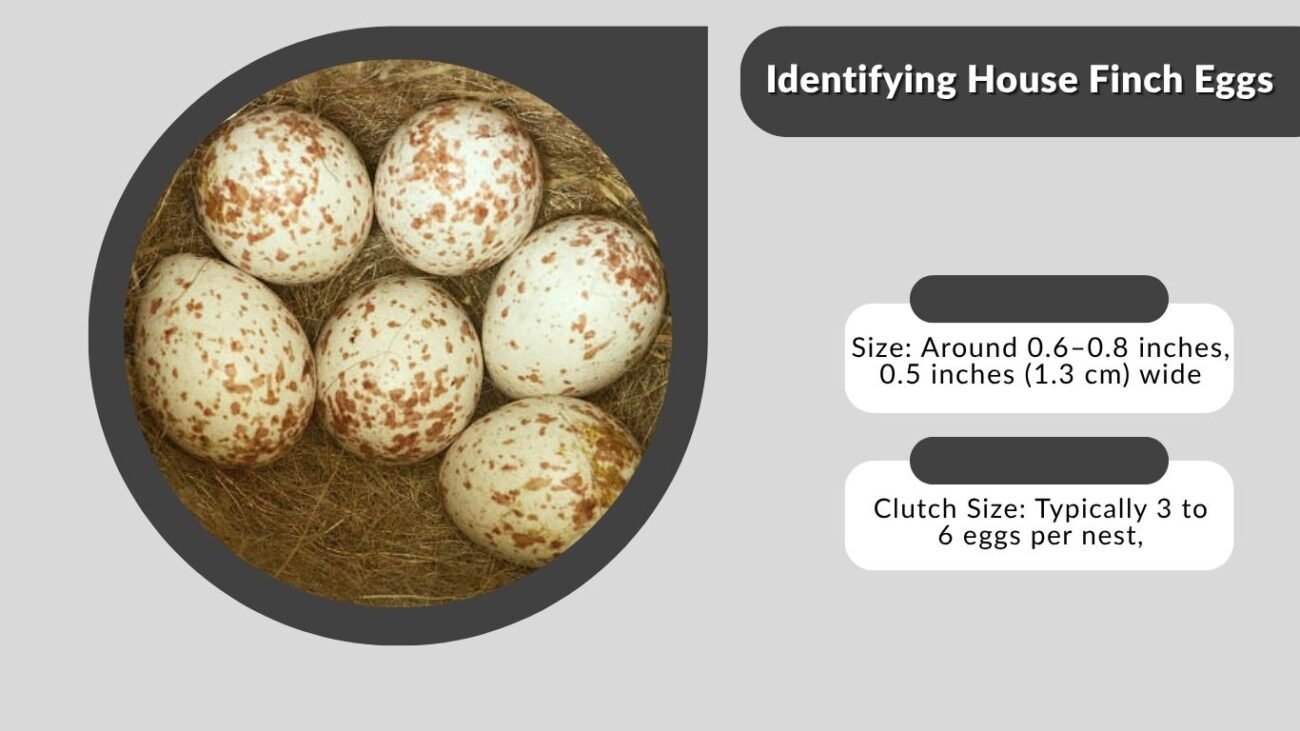
Key Features of House Finch Eggs
- Shape: Small, oval, and slightly pointed at one end.
- Size: Around 0.6–0.8 inches (1.5–2 cm) long and 0.5 inches (1.3 cm) wide.
- Color: Usually pale bluish-white to greenish-blue with fine brown or lavender speckles.
- Texture: Smooth, glossy surface with a delicate, thin shell.
- Markings: Speckles are often concentrated toward the larger end of the egg.
- Clutch Size: Typically 3 to 6 eggs per nest, though occasionally up to 7.
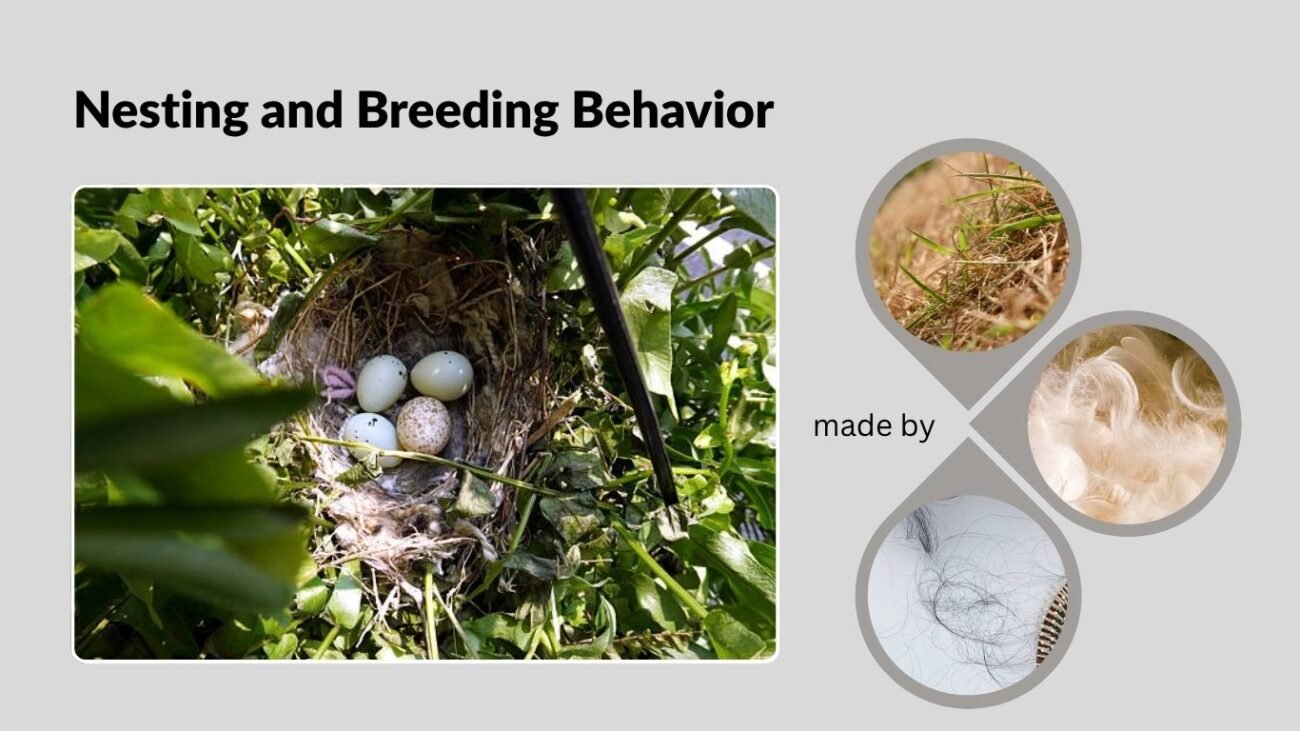
- Nest Appearance: Eggs rest in a cup-shaped nest made from grass, feathers, and twigs.
- Comparison: Smaller and lighter-colored than robin eggs, with less sheen.
- Incubation Start: The female begins incubating once the last egg is laid.
Nesting and Breeding Behavior
Where Do House Finches Build Their Nests?
House finches are highly adaptable when it comes to nesting sites. They often choose trees, hanging planters, ledges, or even building crevices close to human homes. The nests are typically made of straw, grass, feathers, hair, and bits of string, woven carefully into a cup-like shape. Female finches usually do most of the building, while the males bring in materials and guard the surrounding area. This teamwork ensures a stable and safe environment for the eggs.
When Do Finches Lay Eggs?
House finches begin their breeding season in early spring, usually from March through August, depending on the climate. Warmer regions may see egg-laying begin sooner, while colder zones experience slightly delayed nesting. The female usually lays one egg per day until her clutch is complete. External factors such as temperature, food availability, and daylight hours strongly influence when finches begin breeding. During ideal conditions, they can produce multiple broods per year.
How Many Eggs Do House Finches Lay?
A single house finch clutch contains an average of 3 to 6 eggs, though some females may lay as many as seven. After the first brood fledges, finches often return to the same nesting area to produce a second or third clutch in the same season. Compared to other small birds, their reproductive rate is quite high. In a favorable year, a single pair can raise up to 15 chicks, ensuring the species’ success across regions.
Egg Incubation and Development
Finch Egg Incubation Time
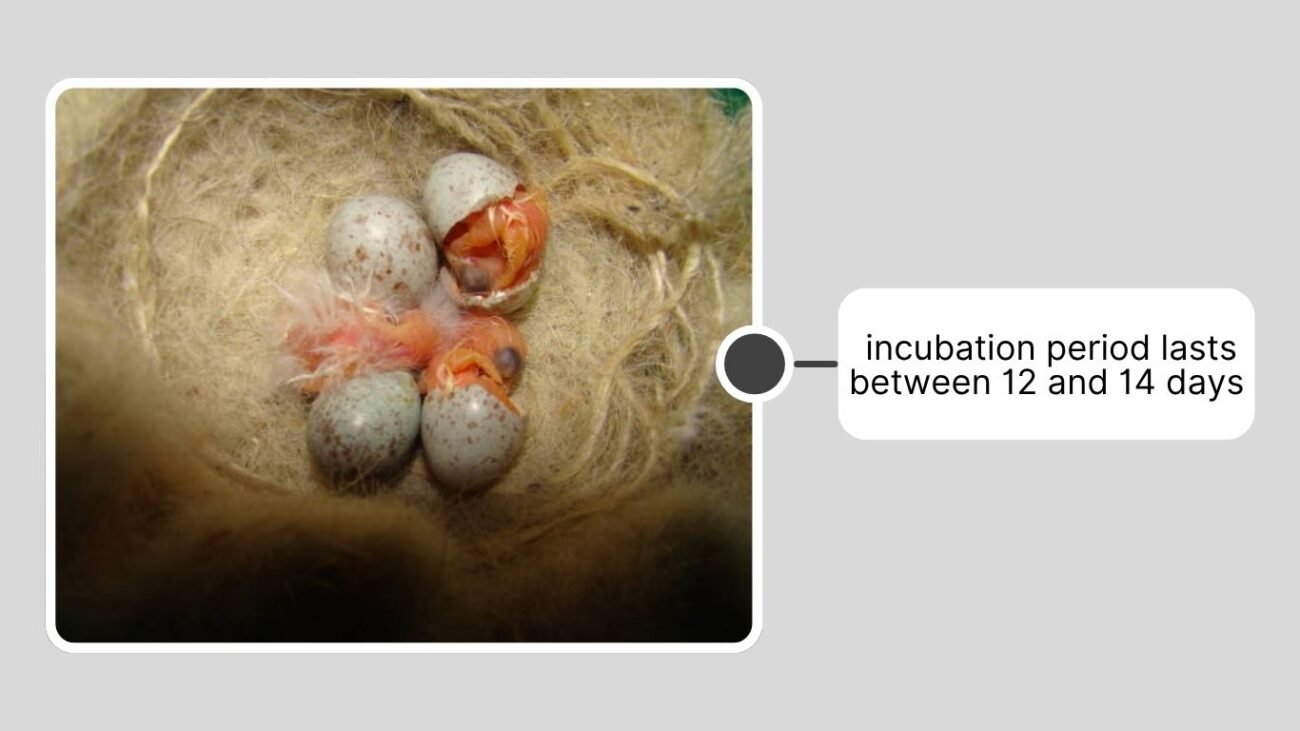
Once all the eggs are laid, the female finch begins incubation, keeping the eggs warm and moist to promote embryo growth. The typical incubation period lasts between 12 and 14 days. The female rarely leaves the nest during this time, while the male provides her with food. This cooperative behavior is crucial, especially when the weather is unpredictable. Maintaining a steady temperature is essential for proper embryo formation.
Finch Egg Gestation and Development
Inside the egg, development begins within hours of incubation. Tiny veins form as oxygen passes through the shell, nourishing the growing chick. Around the tenth day, the embryo begins to move, and faint sounds can sometimes be heard near hatching time. Occasionally, female finches experience egg-binding, a condition where an egg gets stuck inside the body. This issue can be fatal if not treated promptly, highlighting the delicate nature of the finch’s reproductive process.
Temperature and Nest Conditions
Ideal conditions for finch egg incubation include warm, sheltered locations with consistent temperatures between 98°F and 100°F (37°C–38°C). A nest that is too cold or exposed to direct sunlight can result in failed hatching. When kept under human care, breeders often use finch egg incubators to maintain the right balance of heat and humidity. However, in nature, house finches rely solely on the female’s body warmth and instinctive behavior to regulate egg temperature effectively.
Hatching Process and Timing
How Long Do House Finch Eggs Take to Hatch?
After roughly 12 to 14 days of incubation, the tiny chicks inside the eggs begin to break through the shell using a small, sharp bump on their beak called an egg tooth. The process of hatching can take several hours, as the chick slowly chips away at the shell in a circular motion. Temperature, humidity, and parental attention all play a role in determining the exact hatching time. In cooler weather, it may take slightly longer—up to 16 days in some cases.
Signs That Eggs Are About to Hatch
As hatching nears, birdwatchers may notice subtle signs such as faint peeping sounds coming from inside the eggs or increased activity from the parents. The female finch becomes more protective and spends longer periods sitting on the eggs. When hatching finally begins, both parents stay close to guard the nest from predators and disturbances.
After Hatching
Newly hatched house finch chicks are pink, featherless, and completely dependent on their parents for warmth and food. The mother keeps them covered while the father delivers soft insects and seeds. Within a week, the chicks develop thin feathers, and by the 12th to 19th day, they are strong enough to fledge—leaving the nest for short flights nearby. Even after fledging, parents continue to feed and protect them for another one to two weeks.
Finch Egg Variations by Species

Zebra Finch Eggs
The zebra finch, a popular pet bird, lays eggs that are slightly smaller and whiter than house finch eggs. Their eggs are smooth, oval, and typically hatch within 12 to 14 days. Zebra finches are known for their quick breeding cycles, sometimes laying eggs every few weeks under optimal conditions. They prefer enclosed nests and thrive in warm environments.
Gouldian Finch Eggs
Lady Gouldian finches produce tiny white eggs, usually numbering between 4 and 8 per clutch. These finches are more sensitive to temperature and humidity changes, making breeding in captivity challenging. The incubation period is also about 14 days, but Gouldian parents are very cautious and may abandon eggs if disturbed too often. Breeders often use artificial incubators to improve hatch rates in these colorful birds.
Gold and Red Finch Eggs
American goldfinches lay pale blue or bluish-white eggs, slightly larger than those of house finches. They usually nest later in the summer when food is plentiful. Red finches, a common variation of house finches, lay eggs nearly identical in size and color to standard house finches, though the shell may appear more tinted due to environmental differences.
Common Nesting Challenges
Cowbird Eggs in Finch Nests
A frequent issue faced by house finches is cowbird parasitism. Cowbirds lay their eggs in finch nests, leaving the unsuspecting finches to raise their chicks. These intruding eggs are usually larger and hatch faster, often outcompeting finch chicks for food. Birdwatchers who observe this may help by identifying and safely removing cowbird eggs—but only if permitted by local wildlife regulations.
Predators and Egg Safety
Finch eggs face numerous threats from snakes, crows, blue jays, squirrels, and domestic cats. Parents instinctively build nests in concealed or elevated areas to protect their clutch. Dense foliage or sheltered structures like hanging baskets can greatly improve survival rates. Human activity, however, remains a significant risk—especially when nests are disturbed during the incubation phase.
Human Interference
While curiosity about finch nests is natural, touching or moving eggs can lead to abandonment. The scent left by humans may alert predators or cause stress to the parents. If a nest is discovered, it’s best to observe from a distance. Avoid using flash photography or handling the nestlings, as these can disrupt their delicate development.
Breeding Frequency and Parental Behavior
How Often Do House Finches Lay Eggs?
House finches can lay two to three broods per breeding season. Each clutch typically follows a cycle of about a month—from laying and incubation to fledging. The rapid breeding rate ensures the continuation of their population, especially in suburban environments where food and shelter are readily available.
Male and Female Roles
The female house finch takes charge of incubation and early chick care. Meanwhile, the male provides food, guards the territory, and sometimes even feeds the female during nesting. Once the chicks hatch, both parents share the responsibility of feeding them regurgitated seeds and insects. Their cooperation is essential, as baby finches need constant feeding every few minutes in the first week of life.
Observing Finch Eggs at Home
Tips for Birdwatchers
If you’re lucky enough to have house finches nesting near your home, practice quiet observation. Use binoculars instead of getting too close, and avoid trimming plants or moving objects near the nest. Finch parents are generally tolerant of humans but may abandon the site if they feel threatened repeatedly.
Using Birdhouses or Nest Boxes
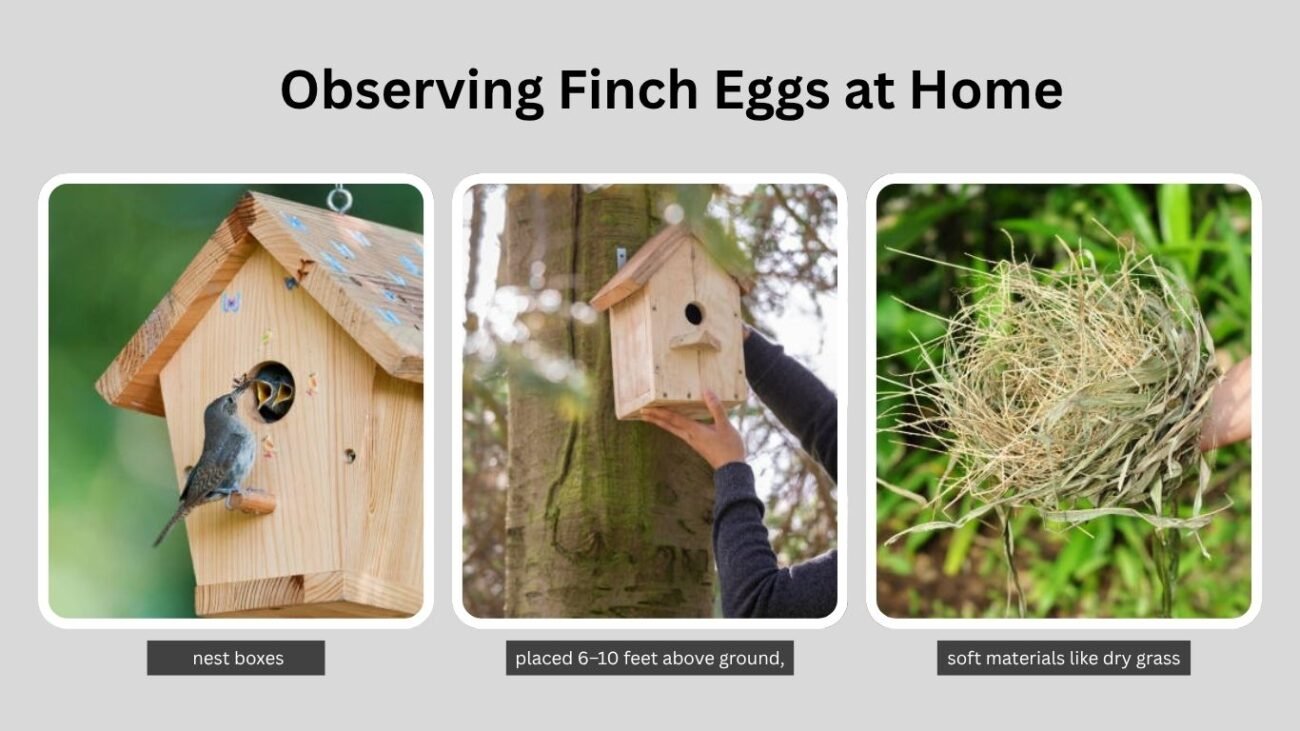
Installing nest boxes or birdhouses can attract finches to your yard. Ensure the box is placed 6–10 feet above ground, away from predators and strong winds. Line it with soft materials like dry grass to encourage nesting. Avoid cleaning or moving it during breeding season; wait until after all broods have fledged.
Key Takeaways
- House finch eggs are bluish-white or greenish-blue, often speckled with brown.
- Typical clutch size: 3–6 eggs per nesting cycle.
- Incubation lasts 12–14 days, with chicks fledging around two weeks later.
- Both parents share care duties after hatching.
- Finch species like zebra and Gouldian finches have similar egg cycles but differ in color and environmental preferences.
- Human interference should always be minimized to ensure healthy hatching.
FAQs
What color are house finch eggs?
House finch eggs are pale bluish-green or bluish-white with light brown speckles. They sometimes appear gray or greenish depending on the nest environment.
How long does it take for finch eggs to hatch?
Finch eggs generally hatch in 12 to 14 days after incubation begins. Temperature and humidity can slightly affect the duration.
How many eggs does a house finch lay per clutch?
A typical house finch lays between 3 and 6 eggs per clutch and may raise multiple broods in one breeding season.
When do house finches usually lay eggs?
Most house finches lay eggs from March through August, depending on climate and food supply. In warmer regions, nesting may start earlier in spring.
What should I do if I find a finch nest in my yard?
It’s best to leave the nest undisturbed. Avoid touching the eggs or chicks, and observe quietly from a distance. Human scent or movement can cause the birds to abandon the nest.