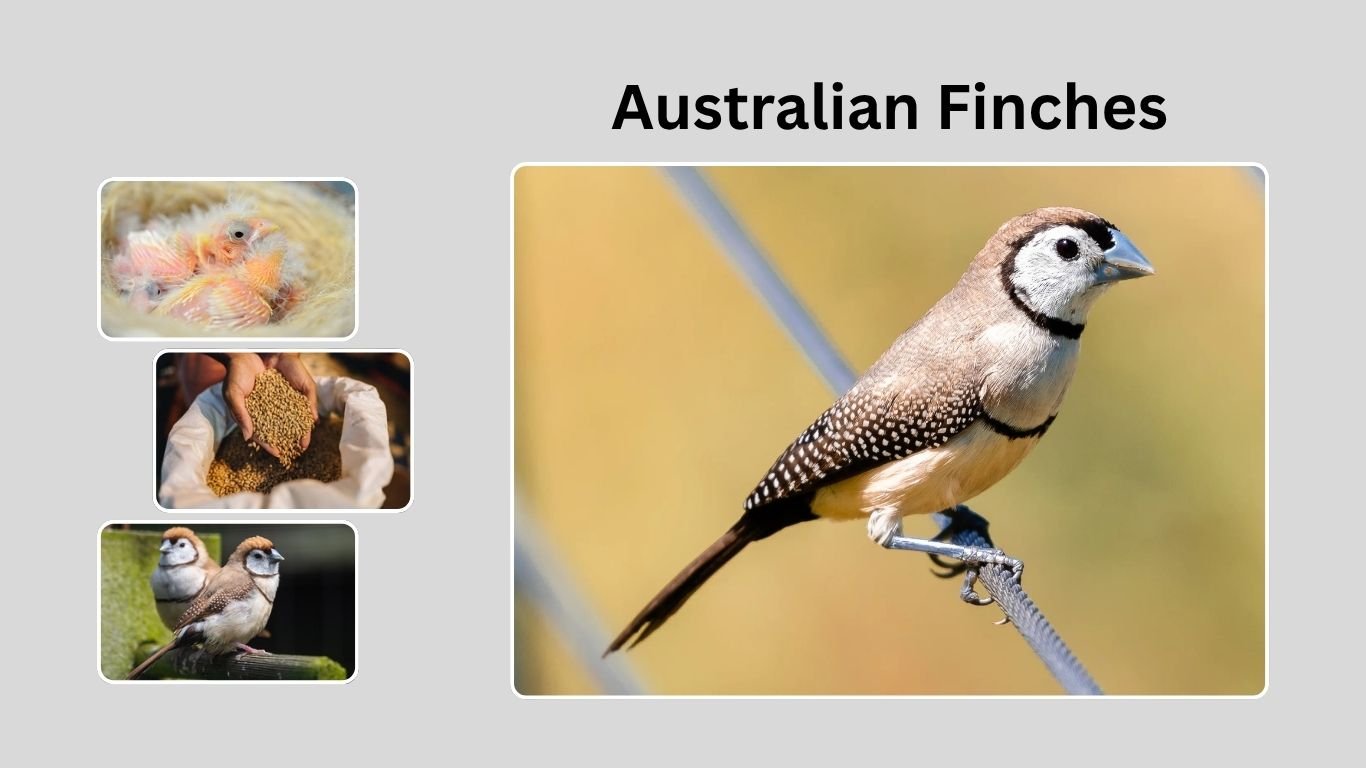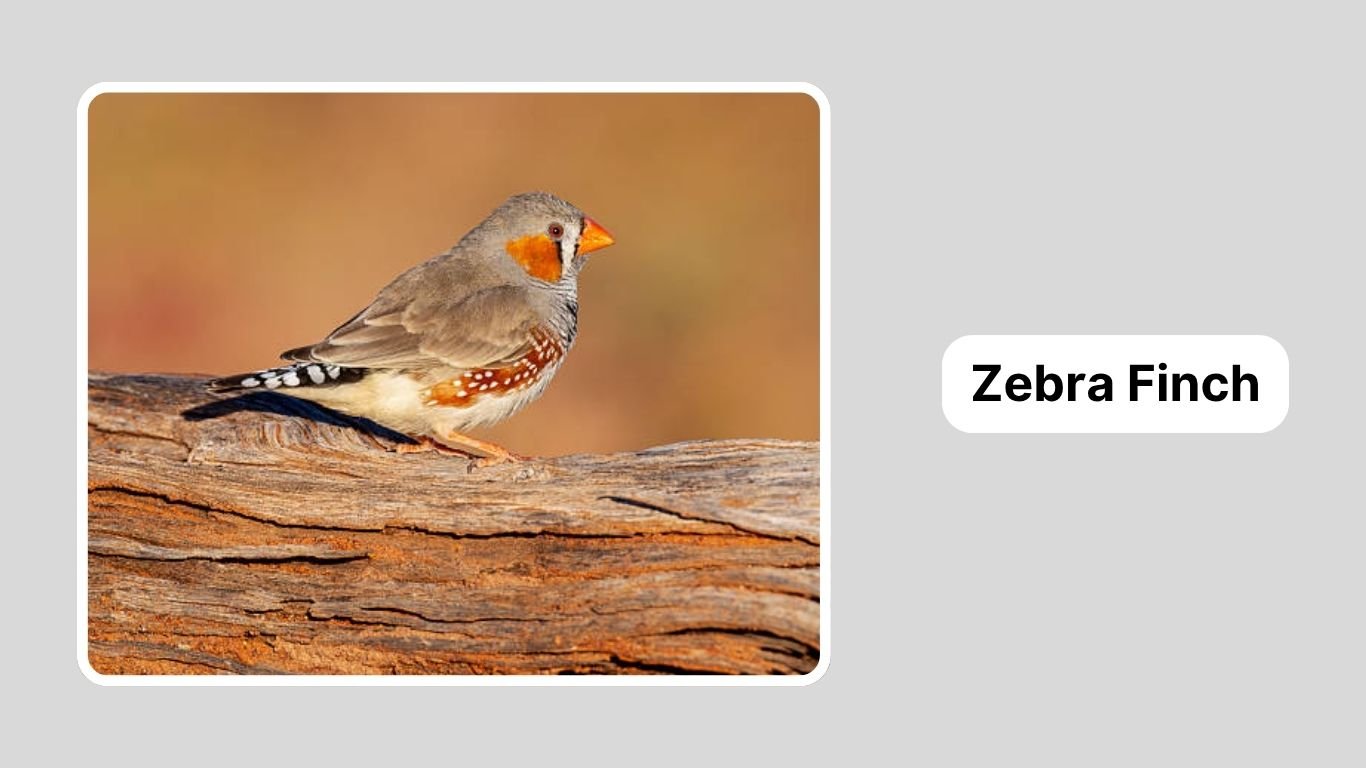
The zebra finch (Taeniopygia guttata) is one of the most charming and popular pet birds in the world. Native to the grasslands of Australia, these small songbirds captivate bird lovers with their striking plumage, lively nature, and cheerful melodies. Known for their strong pair bonds and fascinating social behavior, zebra finches are ideal for both beginner and experienced bird owners looking for low-maintenance yet delightful avian companions.
What Is a Zebra Finch?
Origin and Scientific Background
The zebra finch is part of the Estrildidae family, which includes many small seed-eating birds. It is naturally found throughout Australia, particularly in dry grasslands and open woodlands near water sources. Though native to the Australian continent, these finches have been introduced to Indonesia, East Timor, and parts of the United States, thriving in a variety of environments. Their adaptability and resilience make them one of the most widespread finch species on Earth.
Appearance and Identification
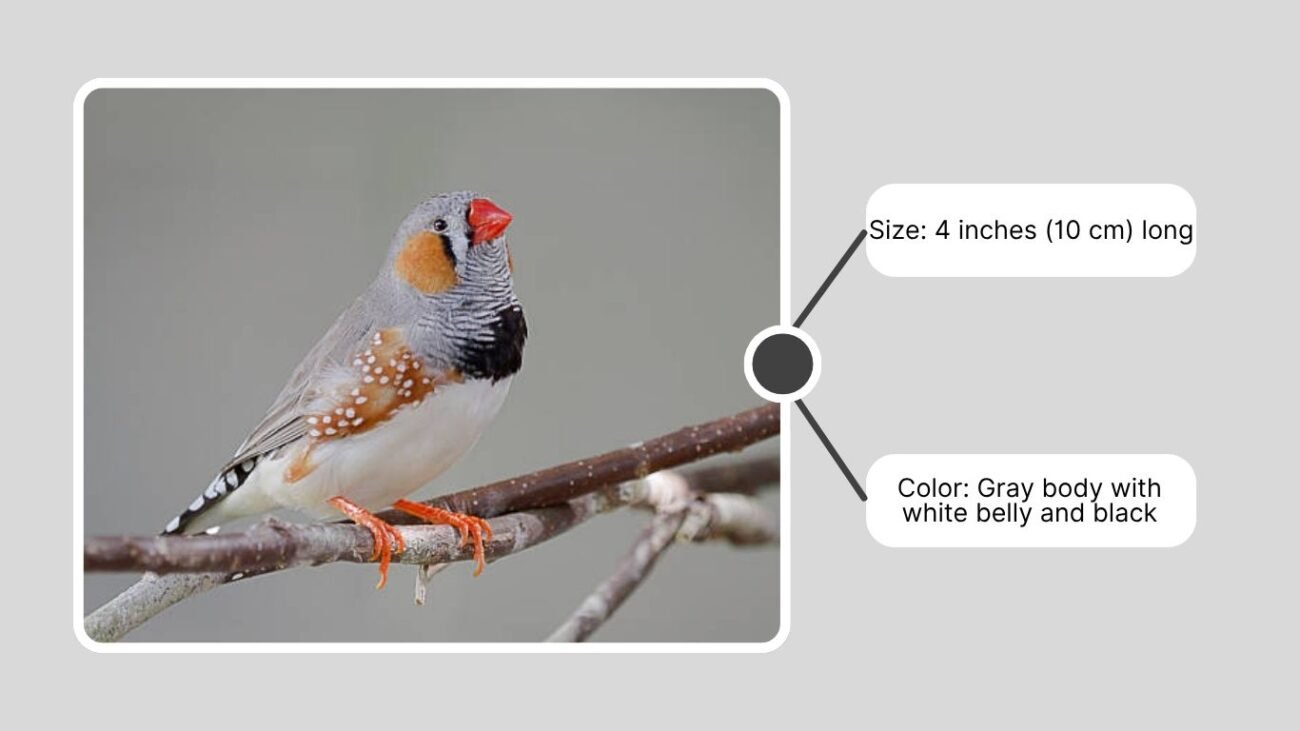
- Size: Small bird, about 4 inches (10 cm) long.
- Color: Gray body with white belly and black “zebra” stripes on the throat and chest.
- Male Markings: Bright orange beak, orange cheek patches, and chestnut flanks with white spots.
- Female Markings: Lighter orange beak, no cheek patches, and softer gray tones.
- Eyes: Round and dark, giving an alert, lively expression.
- Feet: Orange or pinkish legs and feet.
- Tail: Black-and-white barred pattern, typical of finches.
- Distinct Trait: The striped chest pattern that resembles a zebra — inspiring its name.
Types and Color Mutations
Common Zebra Finch Varieties
Over years of selective breeding, zebra finches have developed numerous color mutations. The most common types include:
- Wild Type (Standard): The natural gray variety with black and white striping and orange accents.
- White Zebra Finch: Entirely white feathers with black eyes and orange beak; elegant and pure-looking.
- Pied Zebra Finch: Display irregular white patches mixed with gray or brown tones.
- Penguin Zebra Finch: Characterized by reduced chest bars and more white on the underbelly.
Each color mutation adds beauty and uniqueness, making zebra finches a favorite among breeders and enthusiasts.
Rare and Hybrid Mutations
Rare varieties such as fawn, black-faced, and crested zebra finches have gained popularity among collectors. These mutations occur through selective breeding to emphasize particular traits—like color intensity, feather patterns, or even song variations. Because of their diversity, zebra finches are not just pets but also a passion for many aviculturists around the world.
Male vs. Female Zebra Finch

How to Identify Gender
One of the most common questions among new owners is how to tell a male zebra finch from a female. Thankfully, it’s relatively easy:
- Males: Possess bright orange beaks, orange cheek patches, and often have a barred black-and-white chest. They are the singers in the pair, producing chirping songs to attract mates or establish dominance.
- Females: Have lighter orange or pale beaks and lack the colorful cheek patches. They rarely sing but may make simple chirps.
These differences become apparent once the birds mature at about 8–12 weeks of age.
Breeding Behavior
Zebra finches are known for forming strong monogamous bonds. Once paired, they remain devoted to each other, engaging in affectionate behaviors such as mutual preening and synchronized chirping. During breeding, males perform charming courtship dances and songs while presenting nesting materials to the female. Once the female accepts, both partners take turns building the nest—an important sign of their teamwork and compatibility.
Habitat, Nesting, and Breeding
Nesting Habits in the Wild
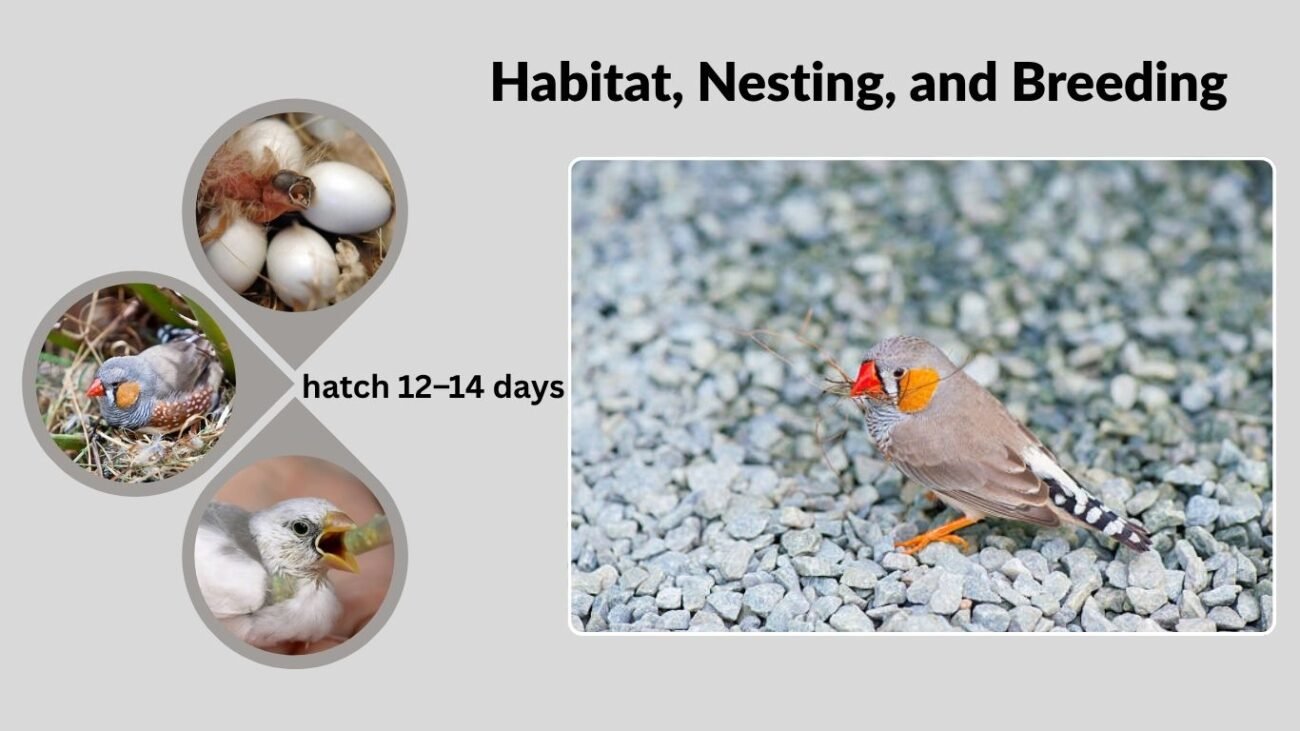
In their natural habitat, zebra finches prefer open grasslands, shrublands, and semi-arid regions. They are highly adaptable and can build nests in trees, bushes, or even man-made structures like fences and sheds. These nests are typically dome-shaped and made from grass, twigs, and feathers. Zebra finches can breed year-round in favorable conditions, especially after rainfall, which provides ample food for their young.
Breeding in Captivity
Captive zebra finches breed quite easily, which is one reason they’re popular among bird enthusiasts. Provide a spacious cage (minimum 24” x 16” x 16”) with nesting materials such as dry grass, coconut fiber, or shredded paper.
A typical clutch contains 4 to 6 eggs, and both parents share incubation duties. The eggs hatch after 12–14 days, and chicks usually leave the nest by the third week. During this time, a balanced diet rich in protein—like egg food and greens—supports the parents and hatchlings alike.
Diet and Nutrition
What Do Zebra Finches Eat?
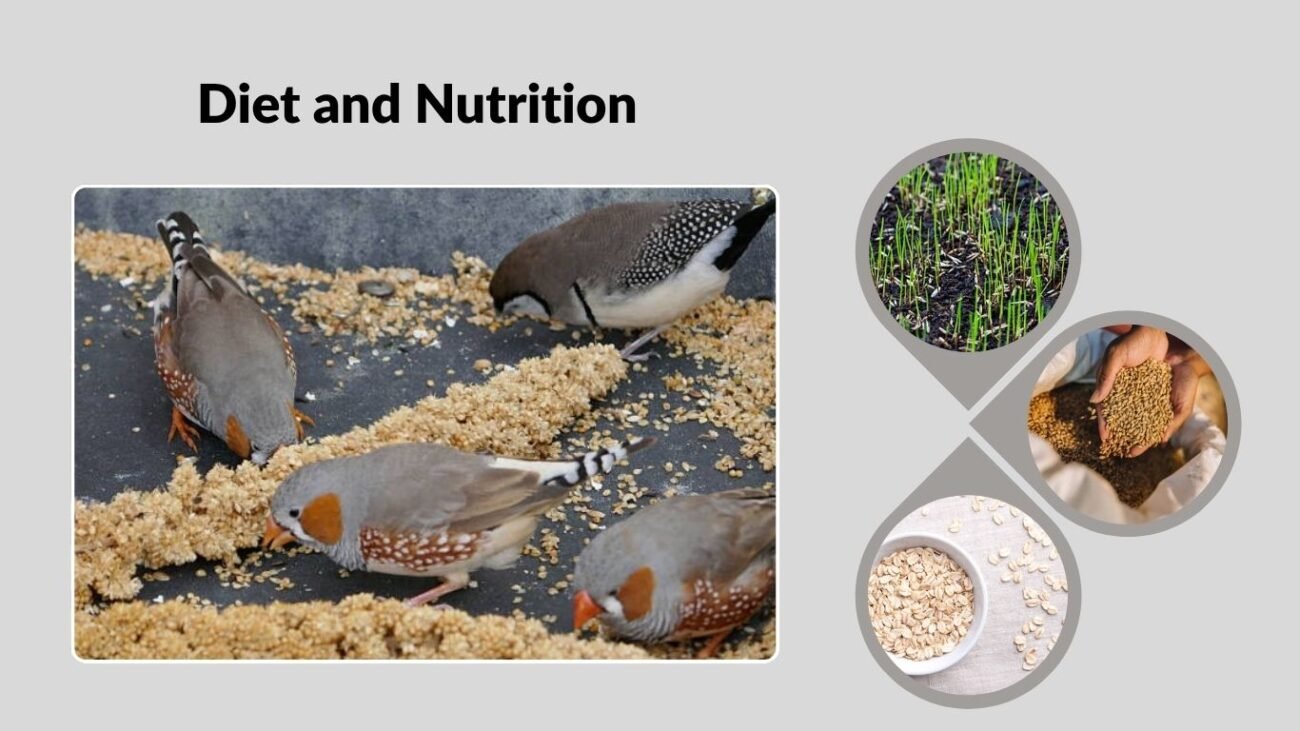
In the wild, zebra finches mainly feed on grass seeds, grains, and the occasional insect. As pets, they thrive on a high-quality seed mix containing millet, canary seed, and oats. Supplementing their diet with fresh fruits, vegetables, and leafy greens provides essential vitamins and minerals. They also need grit to help digest seeds properly.
Best Food Practices for Pet Zebra Finches
Pet zebra finches should always have fresh water available and access to cuttlebone or mineral blocks for calcium. This is particularly vital for breeding females, as calcium strengthens eggshells and prevents binding issues. Avoid giving them chocolate, avocado, salty foods, or caffeine, as these can be toxic to small birds. Consistent feeding habits, clean water, and variety in diet contribute greatly to their health and song quality.
Zebra Finch Behavior and Song
Social and Playful Nature
Zebra finches are extremely social birds, thriving in pairs or small groups. They are happiest when housed with companions, as loneliness can cause stress and health decline. These birds spend their day chirping, hopping, and playing with toys or mirrors inside their cages. Observing their energetic interactions and constant communication provides endless entertainment for owners.
In the wild, zebra finches live in large flocks, where teamwork helps them find food and avoid predators. Their flocking behavior carries into captivity, making them ideal for aviaries or households that can accommodate multiple finches.
Songs and Sounds
One of the most delightful aspects of owning a zebra finch is its unique and melodious song. Only males sing, and they develop their individual tunes by imitating the calls of their fathers or flock members. This process of vocal learning has made zebra finches a key species in scientific research, particularly for studying human speech patterns and memory formation.
Their song serves multiple purposes — to attract mates, mark territory, and strengthen pair bonds. While not loud, their continuous soft chirping adds a cheerful ambiance to any home.
Lifespan and Health
Average Lifespan
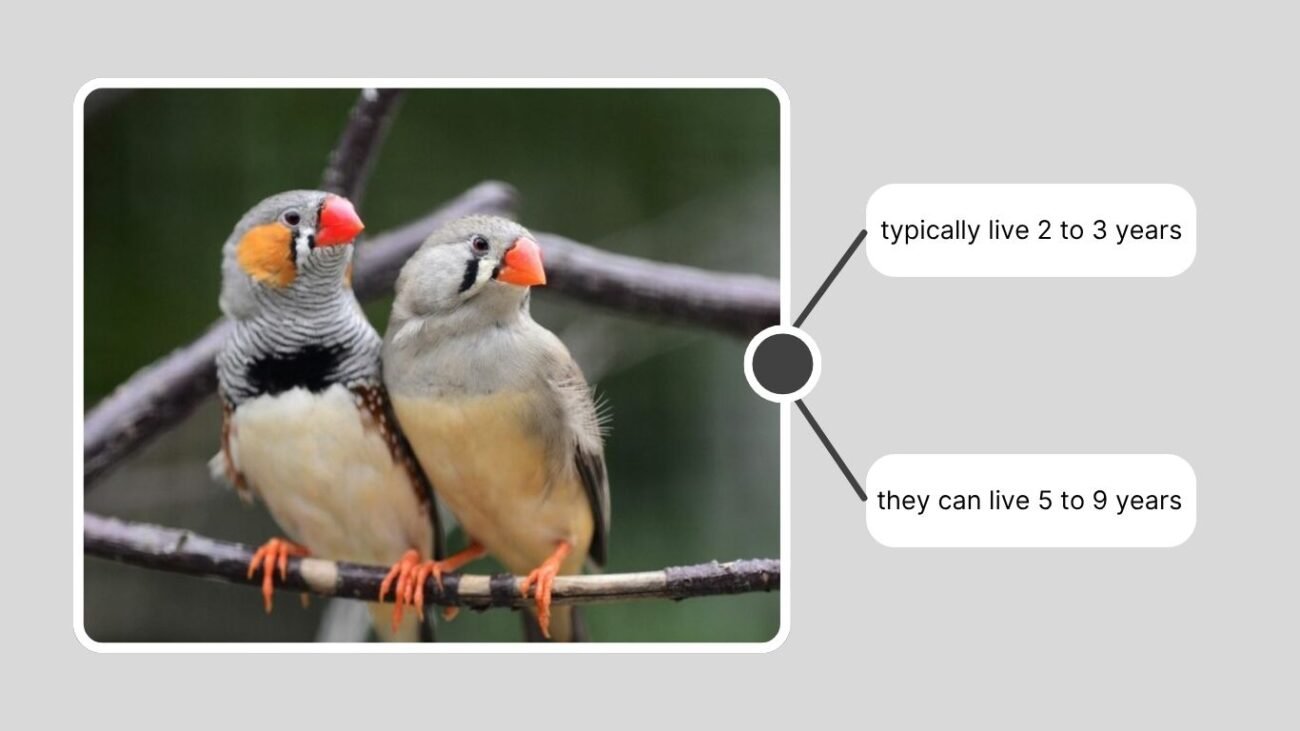
The average lifespan of a zebra finch depends largely on care, diet, and environment. In the wild, they typically live 2 to 3 years, facing natural predators and harsh conditions. However, in captivity, where they receive proper care and protection, they can live 5 to 9 years, and some even reach 10 years.
Maintaining a stable temperature, minimizing stress, and providing nutritious food significantly extend their lifespan.
Common Health Issues
Like all small birds, zebra finches can suffer from certain health issues if not cared for properly. Common problems include:
- Respiratory infections: Often caused by drafts, poor hygiene, or dusty bedding.
- Mite infestations: Feathers or skin mites can cause itching, feather loss, and restlessness.
- Overgrown beak or nails: Require trimming or access to natural perches.
- Egg binding: A condition in females caused by low calcium levels.
To prevent illness, clean the cage regularly, replace water daily, and provide natural sunlight or a bird-safe UV lamp. Regular observation helps detect unusual behaviors like lethargy, puffed feathers, or loss of appetite early on.
Zebra Finch as a Pet
Why Choose a Zebra Finch?
The zebra finch is one of the best pet birds for beginners. It’s small, inexpensive, easy to care for, and requires minimal handling. Their cheerful chirping, lively movement, and gentle demeanor make them perfect companions for homes or offices. Zebra finches are also non-destructive and odorless, adding joy without demanding constant attention.
Cage and Environment Setup
When setting up a home for zebra finches, prioritize space and cleanliness. A single pair needs a cage at least 24 inches long, 16 inches wide, and 16 inches tall. Horizontal bars are preferred since finches fly side to side rather than vertically. Include the following essentials:
- Natural perches: Varying sizes for foot health.
- Toys: Swings, bells, or mirrors to prevent boredom.
- Nesting box: Especially important if you plan to breed them.
- Substrate: Newspaper or paper towel for easy cleaning.
Keep the cage in a quiet, well-lit room with temperatures between 18°C and 26°C (65°F–79°F). Avoid placing it in direct sunlight or drafty areas.
Buying and Cost Considerations
Zebra finches are widely available at pet stores like Petco and PetSmart, from licensed breeders, or through reputable online bird shops. Prices vary depending on color mutation and location, typically ranging from $20 to $50 per bird. White, pied, and rare mutations may cost slightly more.
When buying, look for bright eyes, smooth feathers, and active behavior — signs of a healthy bird. Avoid birds that appear fluffed up, inactive, or have discharge around the beak or eyes.
Interesting Facts About Zebra Finches
- Zebra finches have been used in scientific research to study vocal learning, similar to how humans learn speech.
- Each male has a distinct song, recognizable only to his mate.
- They can start breeding at just three months old and can produce several clutches a year.
- Zebra finches symbolize loyalty and companionship, as they mate for life.
- They are known to drink and bathe frequently, loving access to shallow water dishes.
Key Takeaways
- Zebra finches are small, sociable birds native to Australia.
- Males have bright orange cheeks and are the singers of the species.
- They thrive in pairs or flocks and require simple but consistent care.
- With good nutrition and hygiene, they can live up to 9 years.
- Their melodic songs, playful energy, and loyal pair bonds make them delightful companions.
FAQs
How long do zebra finches live as pets?
Zebra finches usually live between 5 to 9 years in captivity, depending on diet, cage hygiene, and stress levels. Proper nutrition, companionship, and regular cleaning can help them reach their maximum lifespan.
How can you tell if a zebra finch is male or female?
Males have bright orange beaks and orange cheek patches, while females have lighter beaks and lack cheek coloring. Males are also the ones that sing, whereas females produce only simple chirps.
How long does it take zebra finch eggs to hatch?
Zebra finch eggs generally hatch within 12 to 14 days of incubation. Both parents take turns keeping the eggs warm. After hatching, chicks remain in the nest for about three weeks before fledging.
What is the best food for zebra finches?
A mix of millet, canary seed, oats, and greens is ideal. Add calcium through cuttlebone and provide fresh water daily. Avoid feeding chocolate, avocado, or processed human foods, which can be harmful to finches.
Are zebra finches good pets for beginners?
Yes. Zebra finches are low-maintenance, gentle, and entertaining birds. They don’t require hand-taming, enjoy each other’s company, and bring liveliness to any space through their constant movement and melodic chirping.