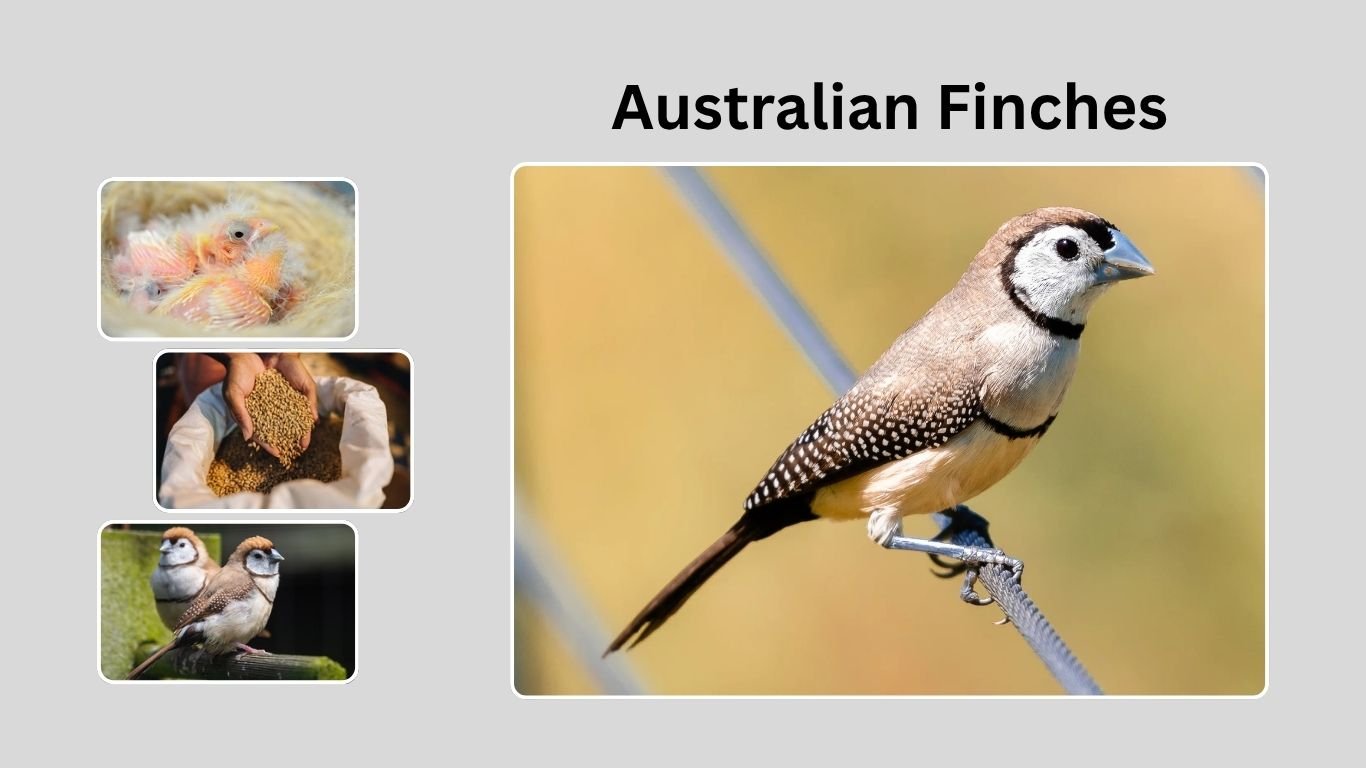
Zebra finches are among the most delightful and popular small birds kept as pets. Known for their bright colors, cheerful chirping, and lively personalities, they bring charm and life to any home or aviary. Native to the grasslands of Australia, these tiny birds are easy to care for, making them ideal for beginners. In this guide, we’ll explore their lifespan, care, diet, breeding habits, and the secrets to keeping zebra finches healthy and happy.
Understanding the Zebra Finch
Appearance and Size
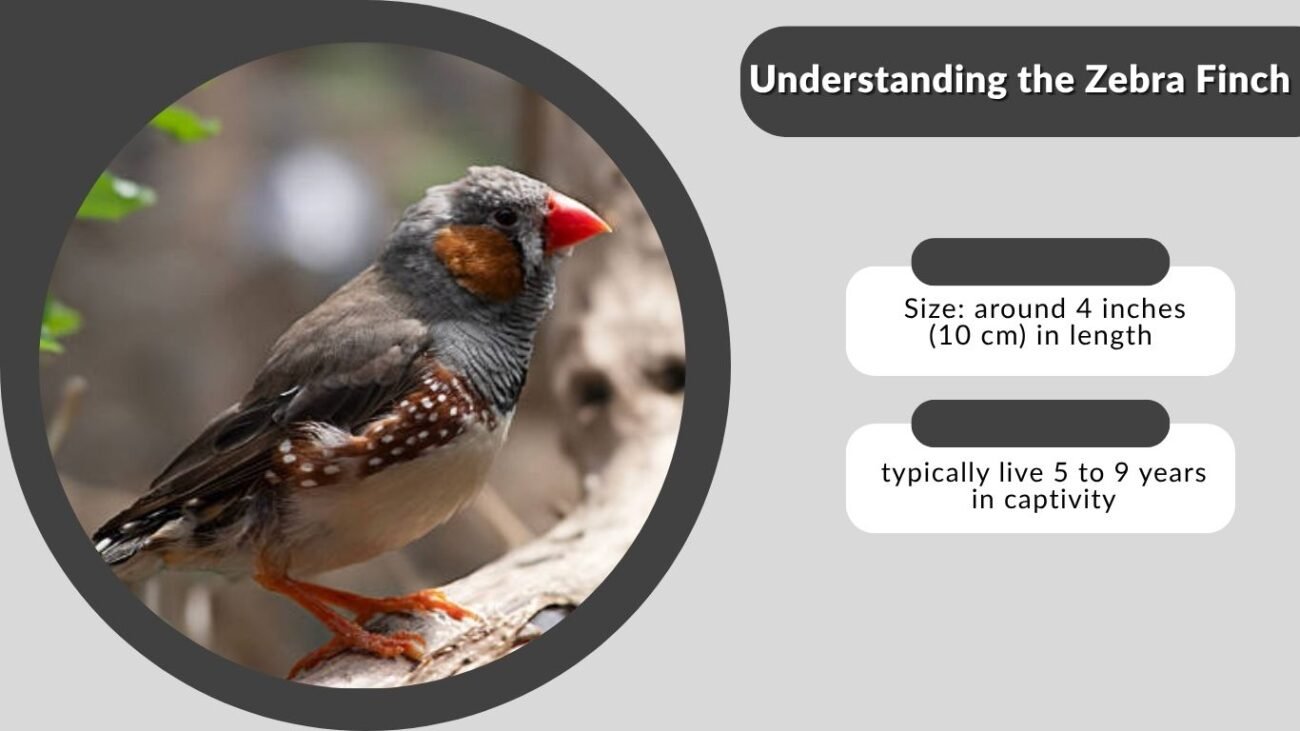
Zebra finches are small, compact birds measuring around 4 inches (10 cm) in length. They are named for the distinct black and white “zebra-like” stripes across the chest of males. Males also have bright orange cheeks, while females are more subdued in color. Their beaks range from vivid red to orange. White zebra finches, a selectively bred color variation, are rare and prized for their striking beauty.
Origin and Natural Habitat
Zebra finches are native to Australia but are also found in parts of Indonesia and East Timor. They inhabit open grasslands, dry savannas, and light forests, where they live in large social flocks. These birds adapt remarkably well to captivity and can thrive in a variety of environments as long as they have access to space, food, and companionship.
Lifespan and Longevity
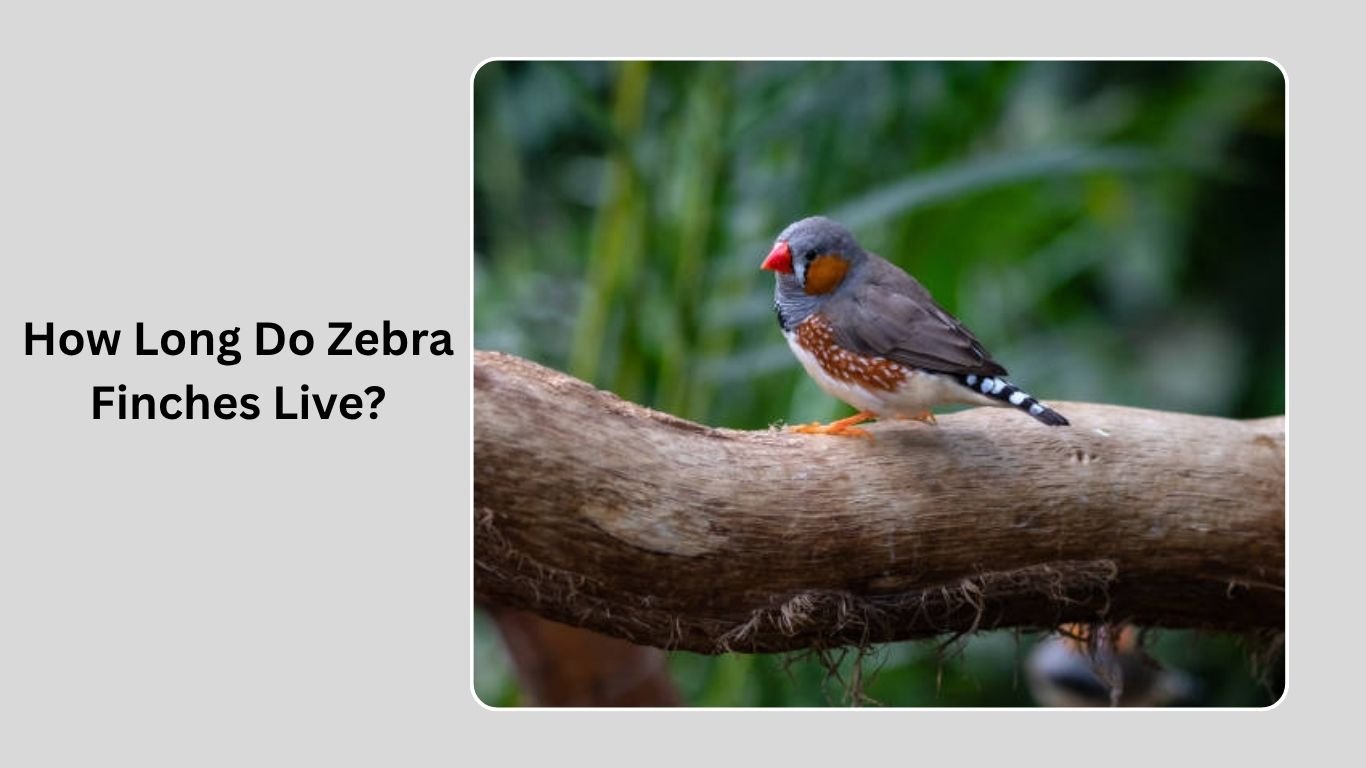
How Long Do Zebra Finches Live?
Zebra finches typically live 5 to 9 years in captivity, depending on the quality of care. In the wild, their lifespan is often shorter—around 3 to 5 years—due to predators, food scarcity, and weather conditions. A well-cared-for zebra finch in a calm, clean environment with proper nutrition can even reach up to 10 years of age.
Tips to Extend Their Lifespan
To help your zebra finch live a long and healthy life:
- Provide a balanced diet rich in seeds, greens, and supplements.
- Keep their cage clean and well-ventilated.
- Offer companionship—finches are happiest in pairs.
- Avoid sudden temperature changes and drafts.
- Schedule regular vet checkups to detect health issues early.
A calm environment, good nutrition, and regular care are key to ensuring their longevity.
Behavior and Temperament
Social Nature
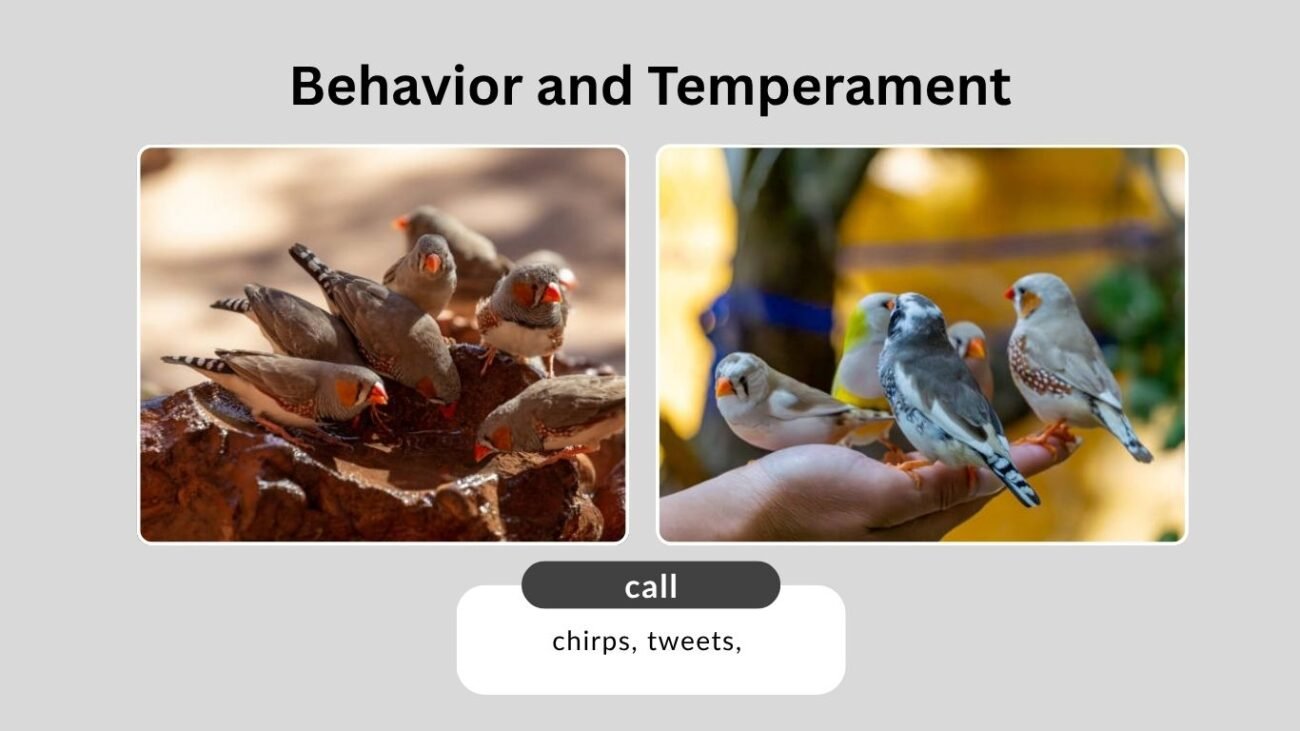
Zebra finches are highly social birds that thrive in groups or pairs. They form strong bonds, often mating for life. A single finch can become lonely and stressed, leading to health problems. Ideally, keep at least two finches together—either a male and a female or two females. Two males can live together peacefully if there’s enough space and no female present to cause competition.
Singing, Sounds, and Communication
Male zebra finches are the singers of the species. Their song is a series of chirps, tweets, and trills used to attract mates and communicate with flock members. Females usually don’t sing but respond with soft calls. While zebra finches are active and vocal, they aren’t excessively loud. Their cheerful chatter is pleasant and generally not disturbing, even in apartments.
Interaction with Owners
Though zebra finches are not as hands-on as parrots, they can still become accustomed to human presence. With patience and consistency, they can learn to trust their owners and eat from the hand. However, they prefer not to be handled or petted directly. They show affection through activity, singing, and curiosity rather than physical contact.
Diet and Nutrition
What Do Zebra Finches Eat?
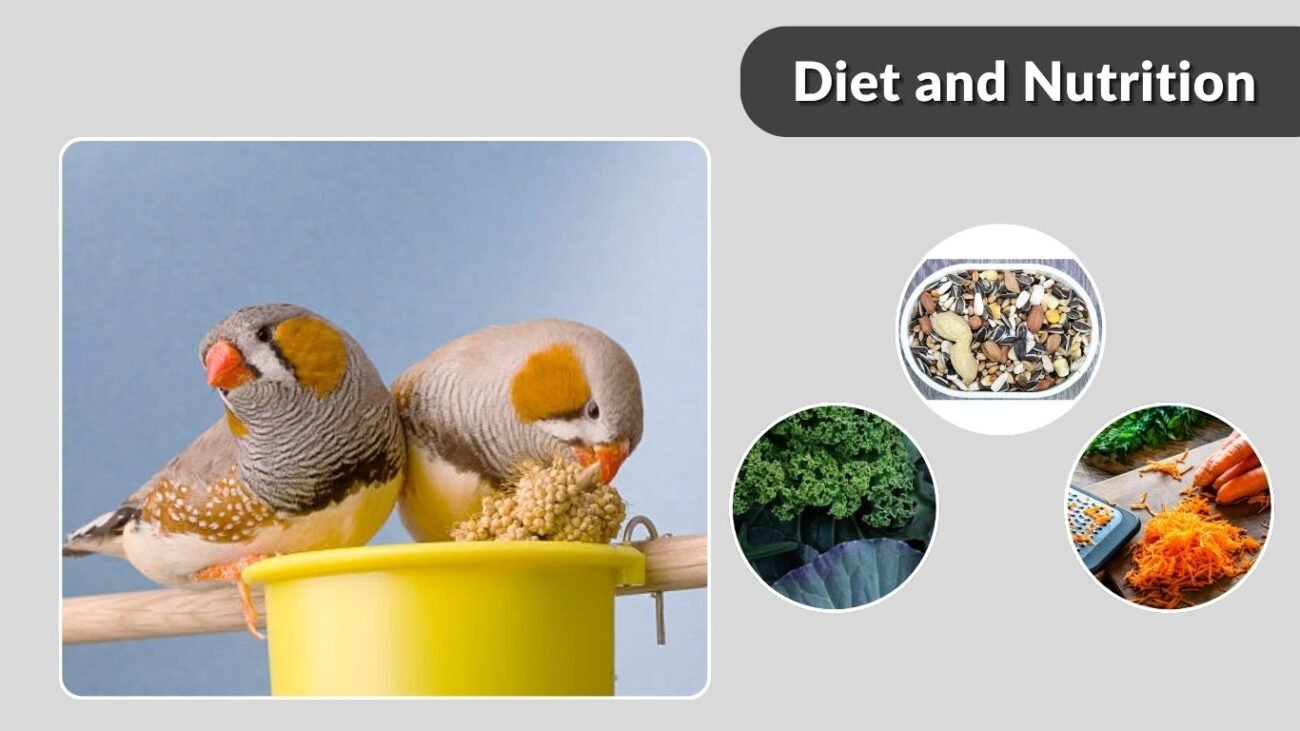
A zebra finch’s primary diet consists of a high-quality seed mix formulated for finches. Supplement their food with fresh vegetables, such as spinach, kale, and grated carrots, and soft fruits like apples or berries. Seeds alone lack certain nutrients, so it’s vital to include egg food or pellets for protein, especially during breeding. Providing grit and cuttlebone supports digestion and strengthens their beaks and bones.
Safe Fruits and Treats
Zebra finches can safely enjoy:
- Apples (without seeds)
- Bananas
- Grapes
- Strawberries
- Cucumbers
- Watermelon
- Blueberries
Avoid citrus fruits like oranges in large quantities, and never feed them avocado or chocolate, as these are toxic to birds. Fruits should make up only a small part of their diet—mainly as treats.
Insects and Protein Sources
In the wild, zebra finches occasionally eat small insects. In captivity, dried mealworms or boiled egg can provide an excellent protein boost, especially during breeding and chick-rearing. Protein supports muscle growth, feather health, and energy.
Housing and Environment
Cage Setup
Zebra finches are active flyers, so their cage should be spacious—at least 30 inches wide for a pair. Avoid tall, narrow cages; instead, choose one that allows horizontal flight. Use natural wooden perches, swing toys, and soft nesting materials for enrichment. The cage should be placed in a quiet, well-lit area, away from direct drafts or heat sources.
Living Conditions
Can Zebra Finches Live Outside or in Cold Weather?
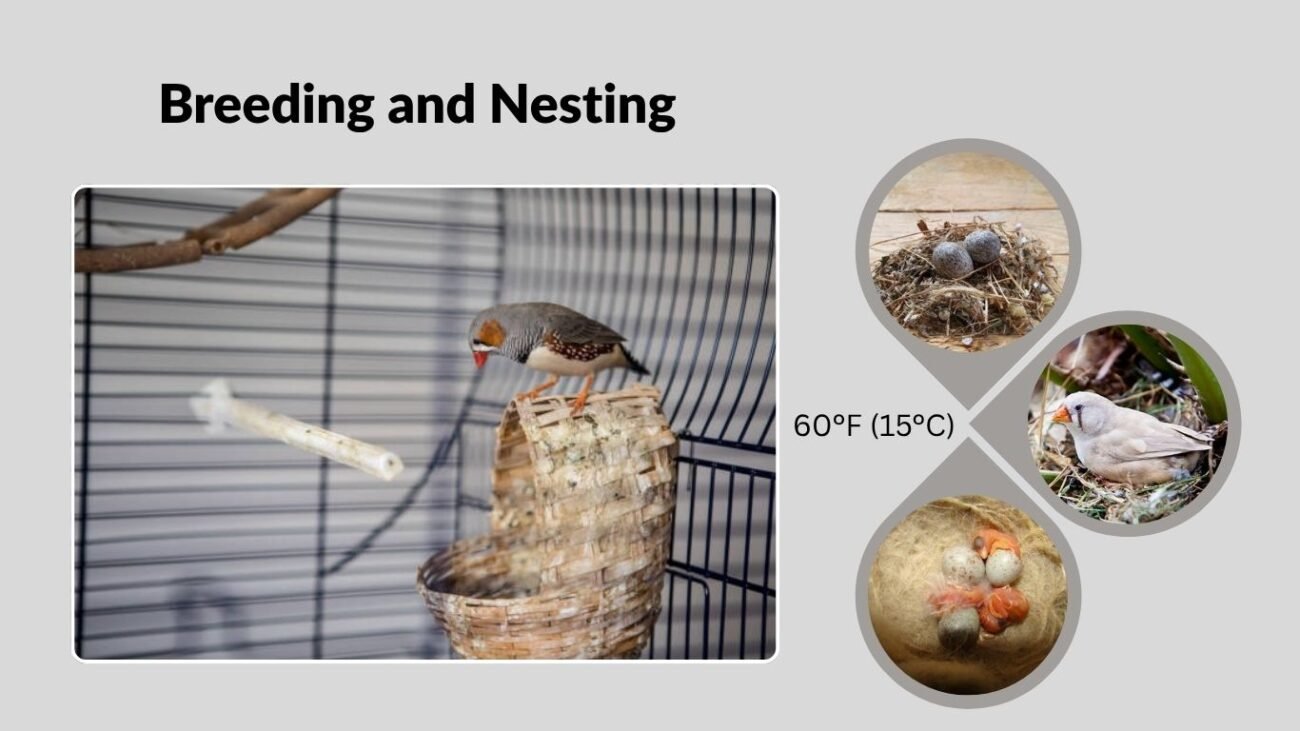
Zebra finches can live outdoors in mild climates, but they are sensitive to extreme cold. Ideally, temperatures should stay above 60°F (15°C). If kept outdoors, ensure they have a well-insulated aviary and plenty of nesting material. In colder months, move them indoors or use a safe heat lamp. These birds prefer a stable, moderate temperature and will thrive best in controlled indoor environments.
Co-habitation with Other Birds
Zebra finches are peaceful by nature, but co-habitation with other species requires care. They can live harmoniously with society finches or gouldian finches in spacious aviaries. However, pairing them with budgies or parakeets isn’t ideal—larger birds may intimidate or injure them. When mixing species, ensure plenty of space, separate feeding areas, and multiple perches to prevent territorial disputes.
Breeding and Nesting
Mating Behavior
Zebra finches are enthusiastic breeders. Males court females with song and dance, offering bits of nesting material as a gift. Once paired, they form a strong bond and often mate for life. Both parents share the responsibility of building nests, incubating eggs, and caring for chicks. Providing the right environment and nutrition helps encourage natural breeding behaviors.
Egg Laying and Incubation
A healthy female zebra finch usually lays 4 to 6 eggs per clutch, one per day. Both parents take turns incubating the eggs, which hatch in about 12 to 14 days. The chicks are blind and featherless at birth but grow rapidly. After around 3 weeks, they leave the nest, and within 6 weeks, they are fully independent. During this period, a protein-rich diet is crucial for both parents and chicks.
Encouraging Healthy Breeding
To promote healthy breeding:
- Provide nesting boxes or woven finch nests.
- Offer soft nesting materials like coconut fiber or shredded paper.
- Maintain a balanced diet with eggs, greens, and seeds.
- Ensure a quiet, low-stress environment.
Avoid overbreeding—limit pairs to two or three clutches per year to prevent exhaustion.
Health and Maintenance
Common Health Issues
Zebra finches are hardy birds, but they can suffer from a few common problems:
- Mites and parasites – cause itching and feather loss.
- Respiratory infections – triggered by drafts or poor hygiene.
- Egg binding – females may struggle to pass eggs if calcium is low.
- Overgrown beaks or claws – result from a lack of natural surfaces for trimming.
Look out for signs like lethargy, fluffed feathers, labored breathing, or loss of appetite. Regular observation helps you catch issues early.
Cleaning and Hygiene
Cleanliness is vital for finch health. Remove droppings daily, replace paper liners, and wash food and water dishes. Perform a full cage cleaning once a week using mild soap and water. Avoid strong chemicals or aerosol sprays. Provide fresh water daily for both drinking and bathing—finches love splashing in shallow dishes!
Cost and Availability
How Much Do Zebra Finches Cost?
Zebra finches are affordable and widely available in pet stores. On average, they cost $15 to $30 each, depending on color mutation and source. Stores like Petco and local aviaries often sell healthy, socialized birds. White or pied finches may cost slightly more due to their rarity.
Ongoing Care Expenses
While the birds themselves are inexpensive, the setup and maintenance come with costs:
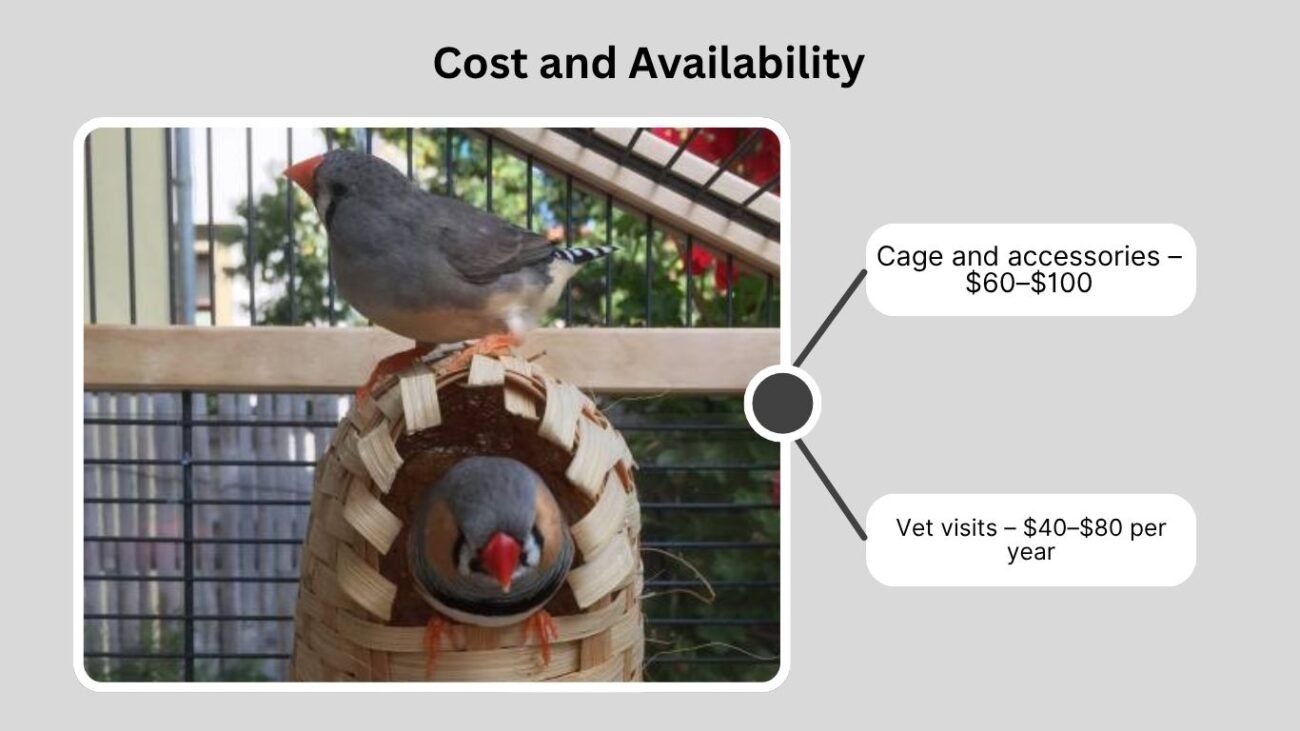
- Cage and accessories – $60–$100
- Food and supplements – $10–$20 per month
- Toys and perches – $10–$15 periodically
- Vet visits – $40–$80 per year
Overall, zebra finches are one of the most budget-friendly pet birds, offering companionship and song without significant upkeep costs.
Fun and Creative Connection
How to Draw a Zebra Finch
Drawing a zebra finch can be a relaxing and creative way to appreciate their beauty. Start by sketching a small, rounded body with a short tail and curved beak. Add the signature zebra stripes on the chest and the orange cheek patch for males. Light shading or watercolor brings their delicate feathers to life—a perfect project for bird lovers of all ages.
Key Takeaways
- Zebra finches live 5–9 years with proper care and can reach 10 in ideal conditions.
- Best kept in pairs or small flocks; solitary birds may become stressed.
- Diet should include seed mix, greens, fruits, and occasional protein.
- Breeding pairs lay 4–6 eggs, which hatch in 12–14 days.
- They’re low-maintenance, cheerful, and excellent for beginner bird owners.
FAQs
How long do zebra finch eggs take to hatch?
Zebra finch eggs hatch after 12 to 14 days of incubation. Both parents take turns keeping the eggs warm, and chicks typically leave the nest three weeks after hatching.
Can zebra finches live alone?
It’s possible, but not recommended. Zebra finches are social creatures that thrive in pairs or groups. A single finch may become lonely, stressed, or even depressed over time.
What fruits are safe for zebra finches?
Safe fruits include apples, bananas, strawberries, blueberries, cucumbers, and grapes. Always remove seeds and offer small portions. Avoid citrus fruits in excess and never feed avocado—it’s toxic to birds.
Are zebra finches good pets for beginners?
Yes! Zebra finches are hardy, gentle, and easy to care for. They don’t require much handling, making them perfect for first-time bird owners who enjoy watching active, chirpy companions.
Can zebra finches live with budgies or canaries?
They can coexist in large aviaries with enough space, but it’s best to keep them separate in smaller cages. Budgies can be territorial and may unintentionally harm finches during feeding or play.