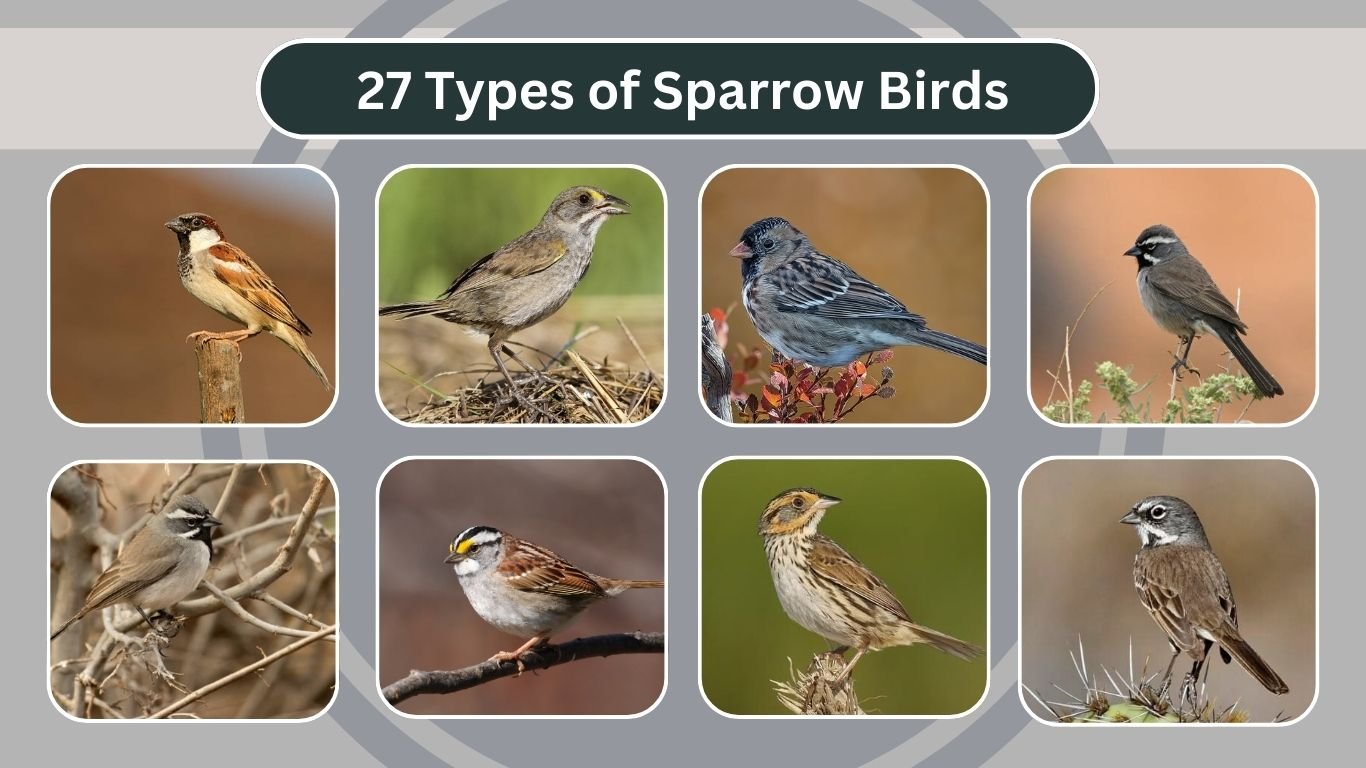
Sparrows are among the most familiar and widespread birds across the world, often thriving alongside humans in both urban and rural environments. These small, energetic birds may appear similar at first glance, but each species has unique features, songs, and behaviors that set it apart. From the well-known House Sparrow to the elusive Saltmarsh Sparrow, their diversity spans woodlands, grasslands, wetlands, and even deserts. In this guide, we’ll explore 27 types of sparrows, highlighting their identification traits, habitats, and feeding behaviors.
1. House Sparrow
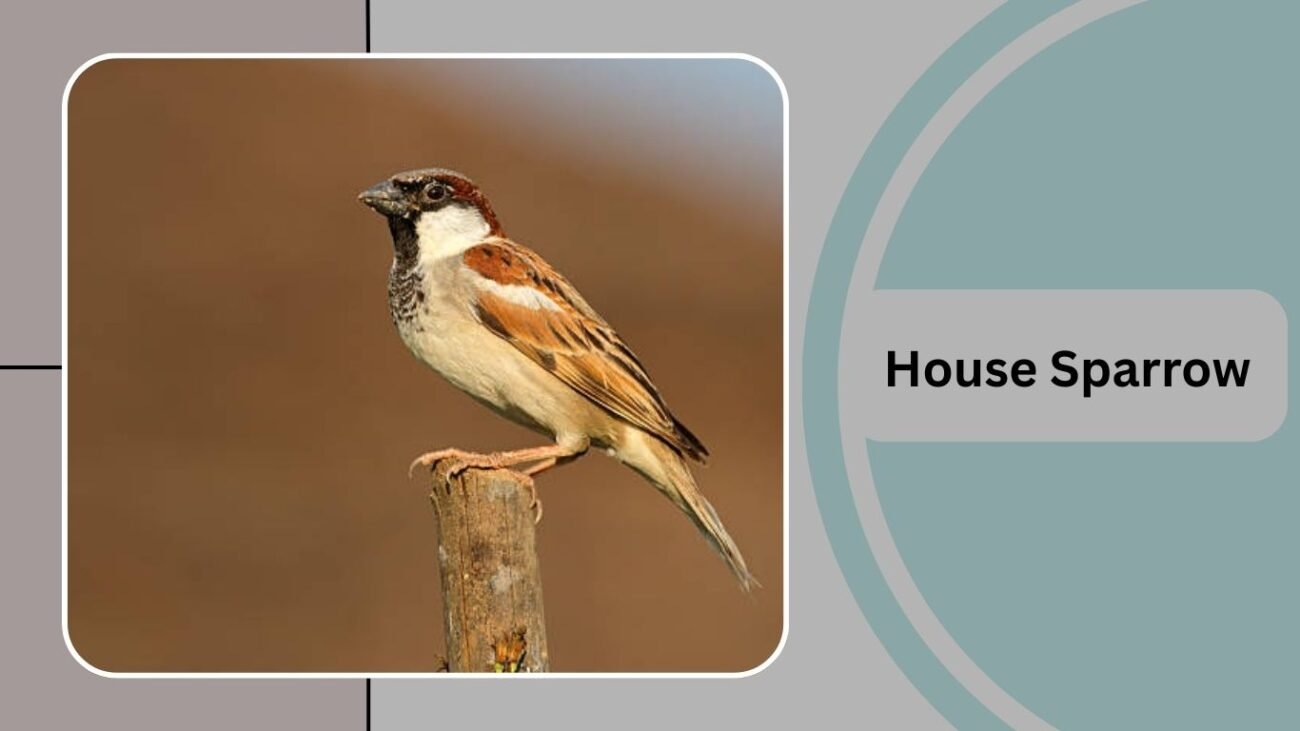
The House Sparrow (Passer domesticus) is one of the most widely recognized and abundant bird species in the world. Originally native to Europe, Asia, and parts of North Africa, it has successfully adapted to human settlements across North and South America, Australia, and beyond. Known for its close association with people, this sparrow thrives in urban and rural areas, often seen hopping around gardens, city streets, and farms. Despite its small size, the House Sparrow is tough, resourceful, and highly social.
Identification
- Size: 6 to 6.7 inches
- Weight: 24 to 39 grams
- Male: Gray crown, black bib on the throat, chestnut brown nape, and streaked brown back
- Female: More subdued, with a buffy-brown body, plain grayish face, and no black bib
- Distinctive Trait: Stocky body with a stout bill adapted for cracking seeds
Natural Habitat
House Sparrows are extremely adaptable and live almost anywhere humans are present. They thrive in cities, villages, and agricultural lands, often nesting in buildings, roofs, street signs, and tree cavities. They rarely inhabit dense forests or remote wild areas.
Behavior and Personality
Highly social, House Sparrows live in colonies and are often seen in noisy groups. They are opportunistic feeders, consuming grains, seeds, insects, and even scraps of human food. Their adaptability allows them to survive in varied environments. Males often defend territories near nest sites aggressively, while females tend to be more discreet.
2. Eurasian Tree Sparrow
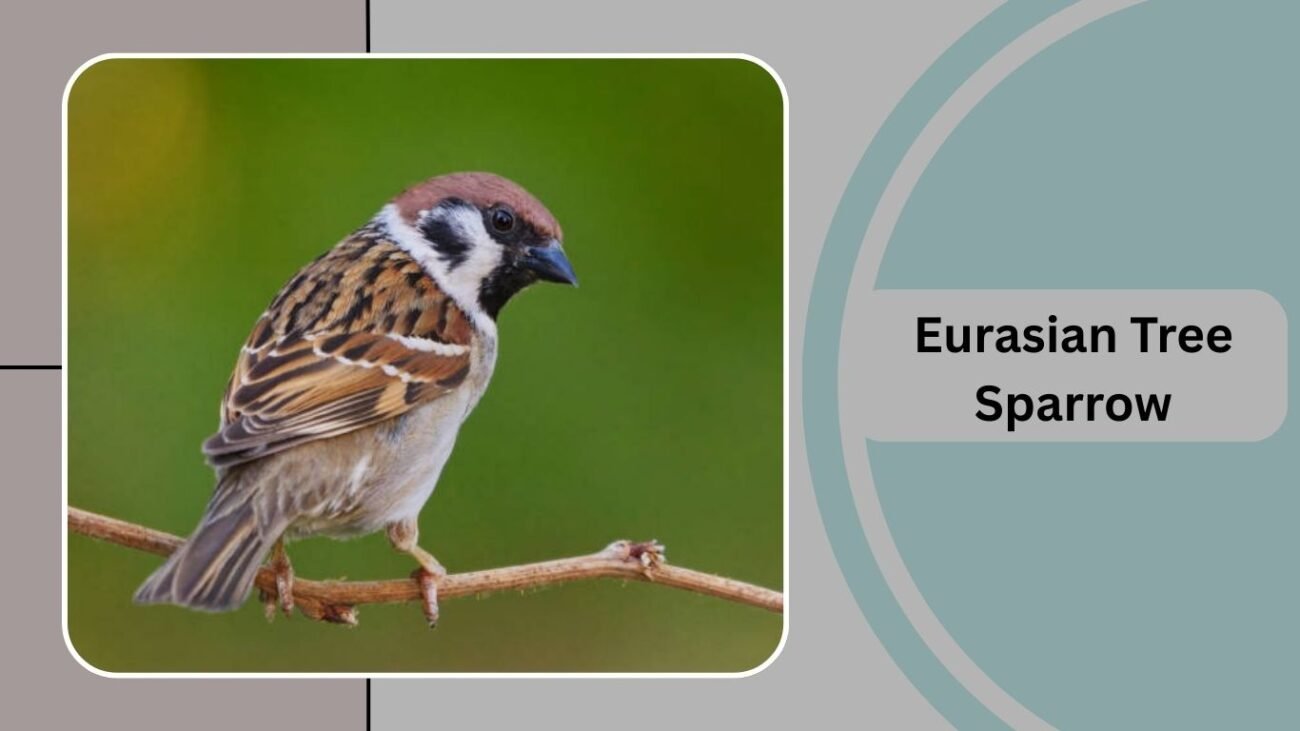
The Eurasian Tree Sparrow (Passer montanus) is a small, widespread sparrow species native to Europe and Asia. Unlike the House Sparrow, it is slightly more delicate in build and often prefers rural landscapes, woodlands, and farmlands. Over time, it has also established itself in parts of Southeast Asia and Australia, becoming a familiar sight around agricultural fields and gardens.
Identification
- Size: 5.5 to 6 inches
- Weight: 20 to 24 grams
- Male & Female: Both sexes look similar with a chestnut-brown crown, black patch on the cheeks, white neck collar, and streaked brown wings
- Distinctive Trait: Small black cheek patch and lack of sexual dimorphism (both sexes look alike)
Natural Habitat
The Eurasian Tree Sparrow inhabits open woodlands, farmlands, hedgerows, and suburban areas. Unlike the House Sparrow, it avoids dense urban centers but thrives in semi-rural landscapes where seeds and insects are abundant.
Behaviors and Diet
These sparrows are social, often nesting in colonies in tree cavities, walls, and nest boxes. Their diet includes seeds, grains, and insects, especially caterpillars and beetles during breeding season to feed their chicks. They are less aggressive than House Sparrows but maintain small territories around their nests.
3. American Tree Sparrow
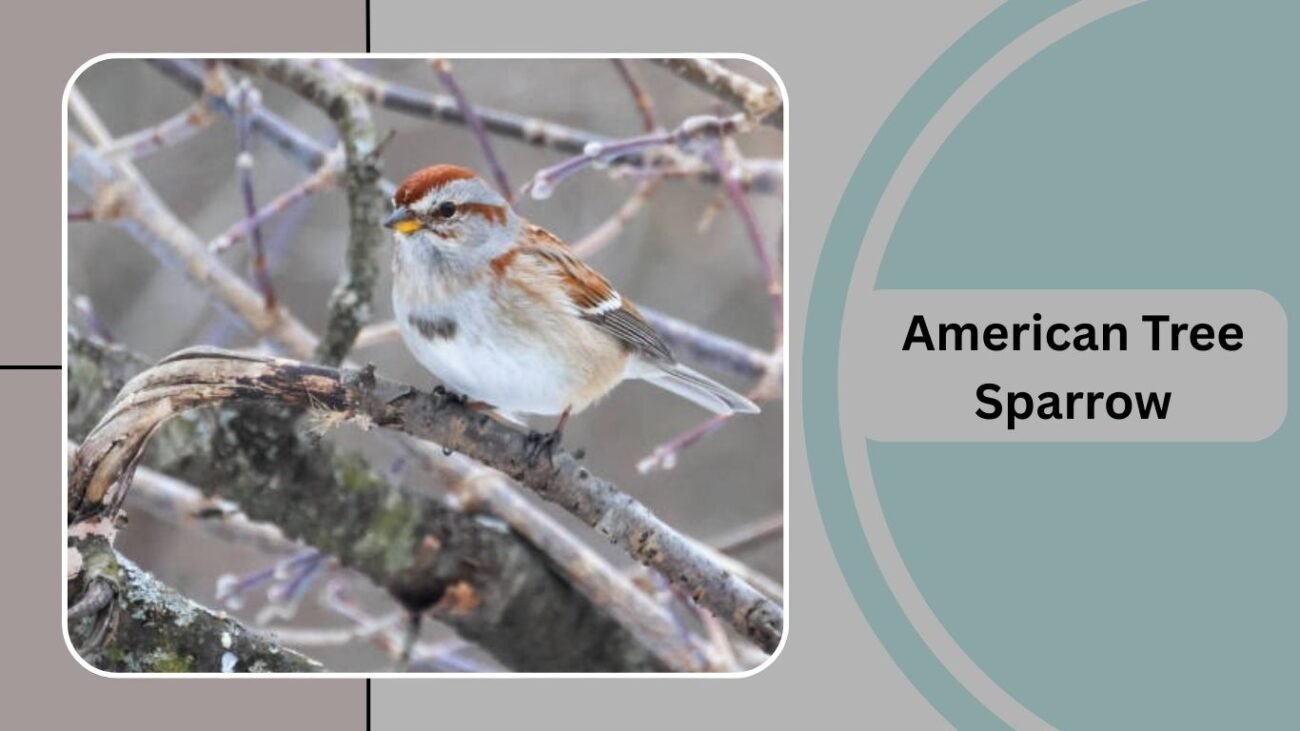
The American Tree Sparrow (Spizelloides arborea) is a hardy sparrow of North America, well adapted to cold climates. It breeds in the Arctic tundra and migrates south to the United States during winter, where it becomes a familiar visitor to backyards and fields.
Identification
- Size: 5.5 to 6.5 inches
- Weight: 18 to 23 grams
- Male & Female: Both sexes similar; rusty crown, gray face with rusty eye-line, and a small dark spot on the chest
- Distinctive Trait: Bicolored bill (yellow lower mandible, dark upper mandible)
Natural Habitat
During breeding season, they inhabit tundra regions, willow thickets, and scrubby areas in northern Canada and Alaska. In winter, they migrate to grasslands, weedy fields, and backyard feeders across the central and eastern United States.
Behaviors and Diet
American Tree Sparrows are active ground foragers, often scratching through snow to find food. Their winter diet is mostly seeds and grasses, while during summer, they eat insects like flies, beetles, and caterpillars. They form flocks in winter, sometimes mixing with juncos, and are known for their cheerful, musical calls even in cold weather.
4. Chipping Sparrow
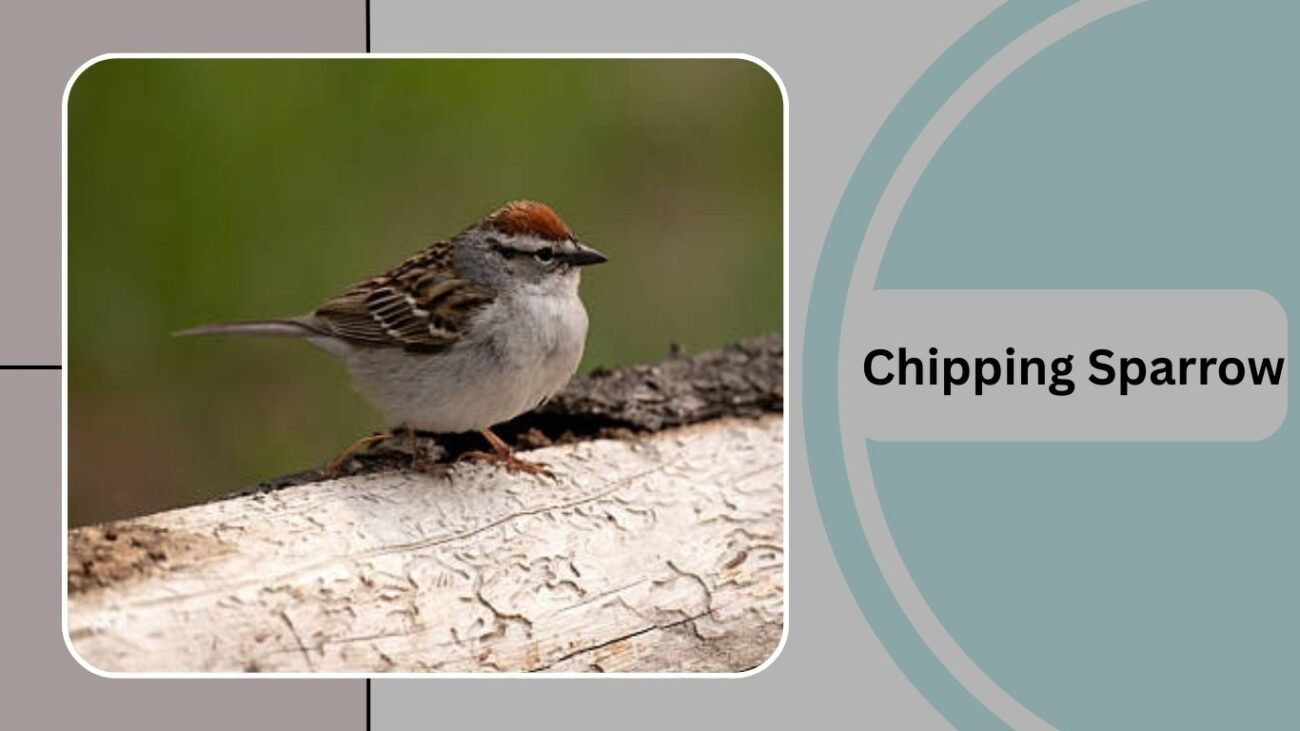
The Chipping Sparrow (Spizella passerina) is a slender, graceful sparrow widely found across North America. It is easily recognized by its reddish cap and crisp markings, making it one of the most familiar sparrows in suburban gardens and open woodlands.
Identification
- Size: 4.7 to 5.9 inches
- Weight: 11 to 16 grams
- Male & Female: Both sexes look alike; breeding adults have a bright chestnut cap, white underparts, and a black eye line
- Non-breeding Plumage: More subdued with brownish streaks and duller crown
Natural Habitat
Chipping Sparrows inhabit open woodlands, orchards, parks, and residential yards. They are common across the United States and southern Canada, migrating to Mexico and Central America in winter.
Behaviors and Diet
Chipping Sparrows are social and often forage in small flocks outside the breeding season. They primarily eat grass seeds and weed seeds but switch to insects such as caterpillars, beetles, and grasshoppers during summer, especially when feeding young. Their sharp “chip” call is a signature sound of spring and summer in North America.
5. Clay-Colored Sparrow
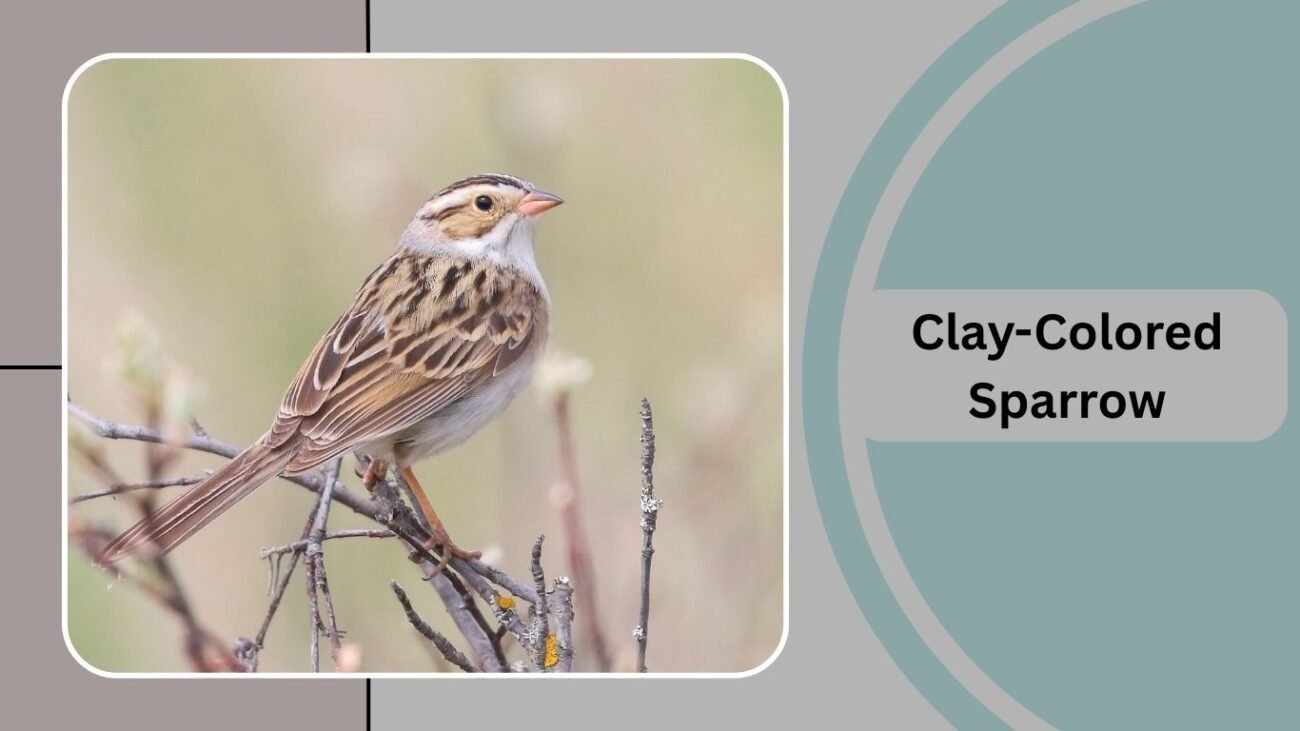
The Clay-Colored Sparrow (Spizella pallida) is a small, pale sparrow of North America, recognized for its soft brown and gray tones. Though less flashy than some species, its gentle coloring and buzzy song make it stand out during breeding season.
Identification
- Size: 4.7 to 5.5 inches
- Weight: 11 to 14 grams
- Male & Female: Both sexes similar with a pale gray-brown body, distinct dark mustache stripe, and pale crown with fine streaking
- Distinctive Trait: More washed-out and pale overall compared to the closely related Chipping Sparrow
Natural Habitat
Clay-Colored Sparrows breed in shrublands, prairies, and open fields across central Canada and the northern Great Plains of the U.S. In winter, they migrate south to Texas, Mexico, and Central America.
Behaviors and Diet
These sparrows are ground foragers, often seen hopping through grasses in search of seeds. Their diet consists mainly of grass and weed seeds, but during breeding, they consume insects like caterpillars, grasshoppers, and spiders to feed their chicks. They are generally social, forming flocks during migration and winter.
6. Brewer’s Sparrow
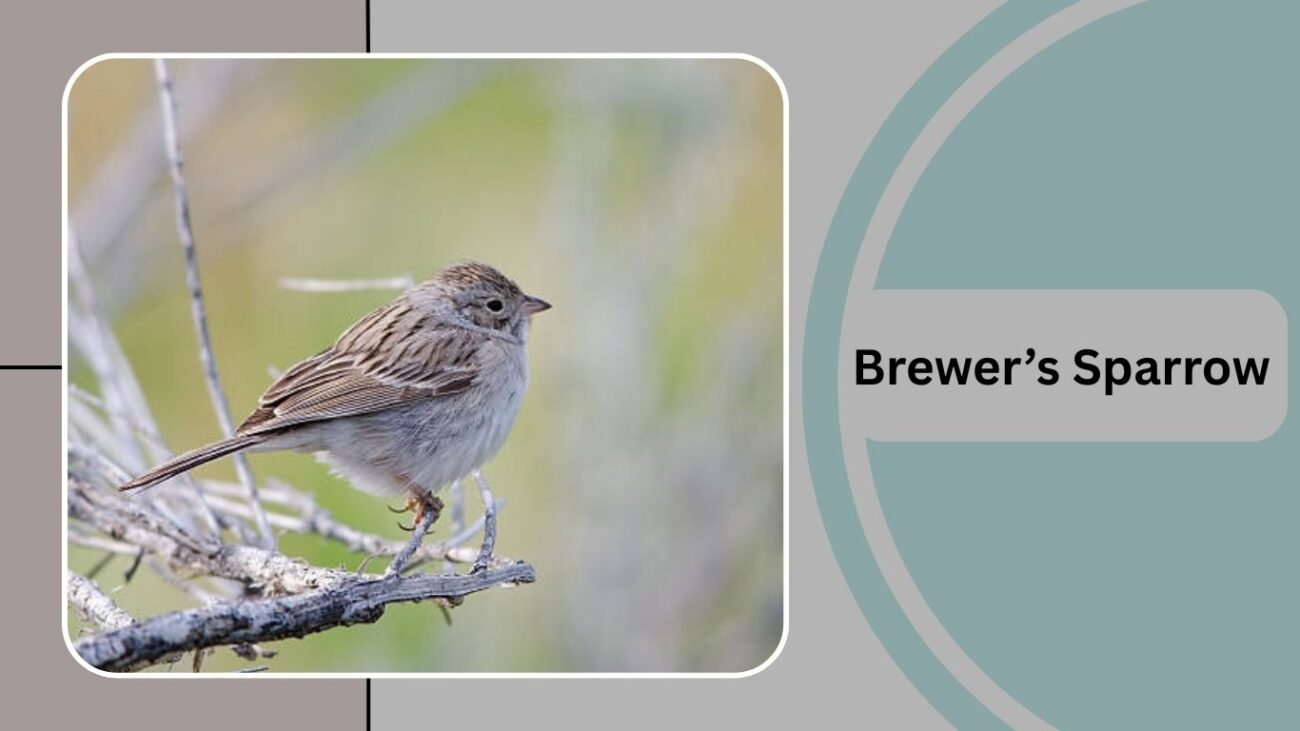
The Brewer’s Sparrow (Spizella breweri) is a small and subtle sparrow, best known for its finely streaked gray-brown plumage. Though not brightly colored, it is admired for its sweet, trilling song that fills western shrublands in spring and summer.
Identification
- Size: 5 to 5.9 inches
- Weight: 11 to 13 grams
- Male & Female: Both sexes similar; finely streaked brown-gray overall, with a thin bill and pale eye ring
- Distinctive Trait: Rather plain appearance, but slender build and long song distinguish it from other sparrows
Natural Habitat
Brewer’s Sparrows are strongly tied to sagebrush habitats in the western United States and southern Canada. They breed in open shrublands and migrate to the southwestern U.S. and Mexico for winter.
Behaviors and Diet
They forage mainly on the ground and in low shrubs, eating seeds of grasses and weeds throughout the year. During breeding, their diet shifts toward insects like grasshoppers, beetles, and caterpillars to provide protein for their young. Their flocks are often mixed with other sparrows during migration and winter.
7. Field Sparrow
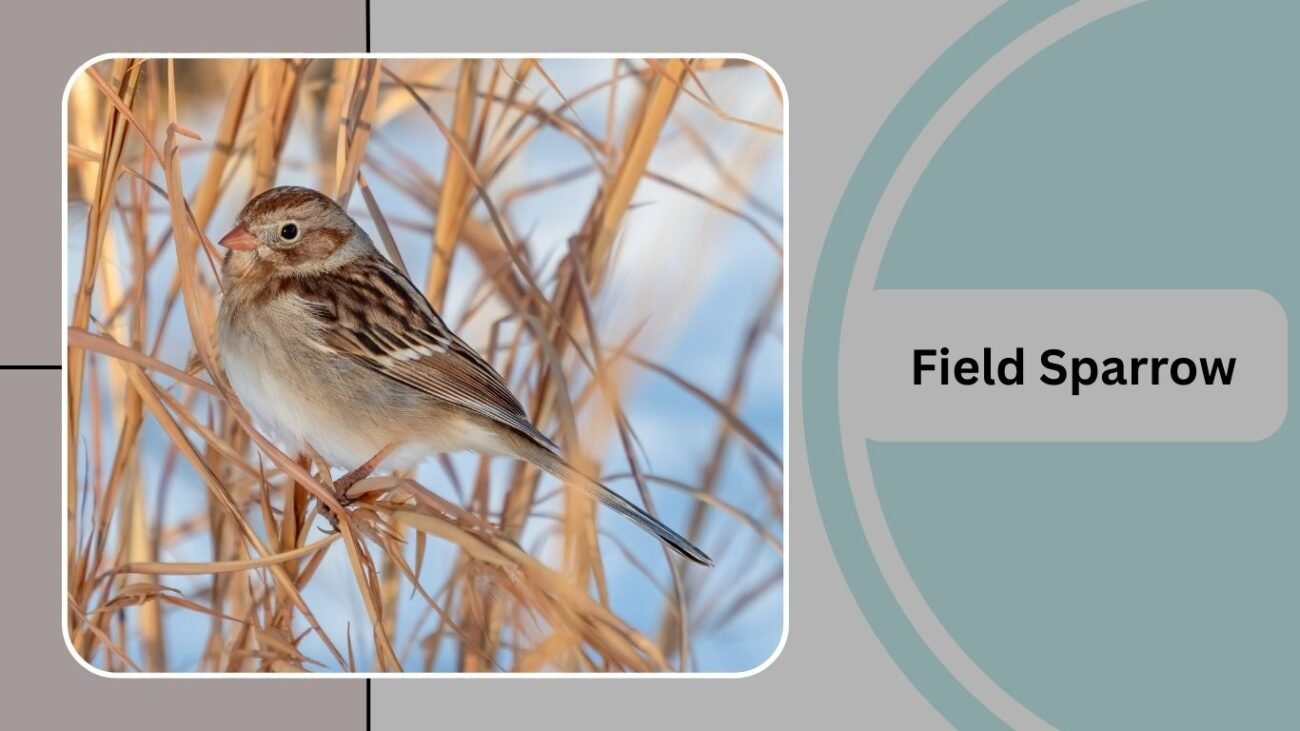
The Field Sparrow (Spizella pusilla) is a charming little bird with a sweet whistled song that is often described as a “bouncing ball” trill. It is a widespread sparrow in the eastern and central United States, thriving in grasslands and shrubby fields.
Identification
- Size: 4.7 to 5.9 inches
- Weight: 12 to 15 grams
- Male & Female: Both sexes alike with a pink bill, plain gray face, rusty crown, and unstreaked underparts
- Distinctive Trait: Soft, gentle appearance with a light, plain-colored body and pale pinkish beak
Natural Habitat
Field Sparrows prefer abandoned fields, meadows, prairies, and shrubby grasslands. They are less common in urban areas but thrive in natural open habitats.
Behaviors and Diet
They spend much of their time foraging on the ground for seeds, especially grass and weed seeds. In spring and summer, they add insects such as beetles, caterpillars, and grasshoppers to their diet. They are solitary or found in pairs during breeding but gather in loose flocks during migration and winter. Their song is a signature sound of rural landscapes in summer.
8. Savannah Sparrow
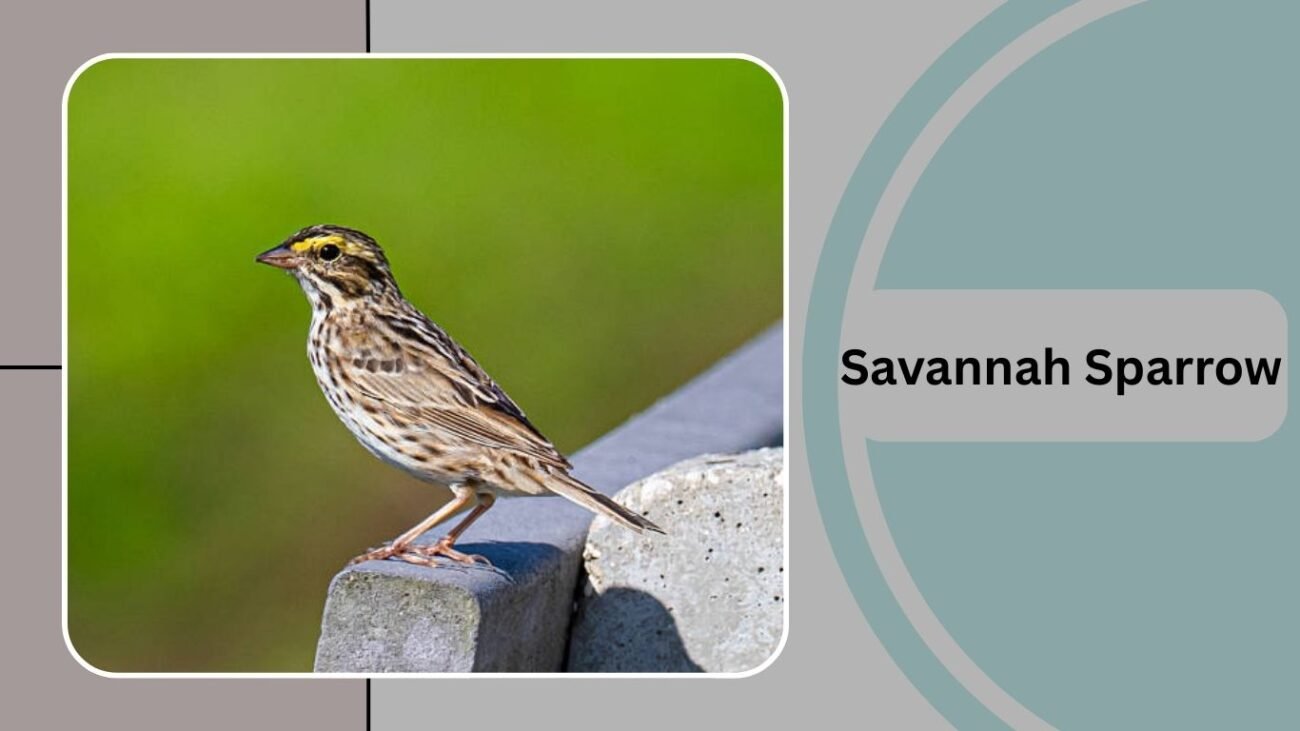
The Savannah Sparrow (Passerculus sandwichensis) is one of the most widespread and variable sparrows in North America. With its streaked appearance and distinctive yellowish eyebrow, it can be spotted in a wide range of open habitats.
Identification
- Size: 4.7 to 6.7 inches
- Weight: 15 to 23 grams
- Male & Female: Both sexes similar; streaked brown body, white underparts with fine streaking, short tail, and a faint yellowish wash near the eye (lores)
- Distinctive Trait: Yellow eyebrow patch, especially visible in fresh plumage
Natural Habitat
Savannah Sparrows thrive in grasslands, salt marshes, agricultural fields, and tundra edges. They breed across most of Canada, Alaska, and the northern United States, and winter as far south as Central America.
Behaviors and Diet
These sparrows forage mostly on the ground, often in low vegetation, eating seeds of grasses and weeds. In breeding season, insects like beetles, grasshoppers, and caterpillars become their main food to feed young. Their buzzy, insect-like song is a familiar sound in fields and meadows.
9. Grasshopper Sparrow
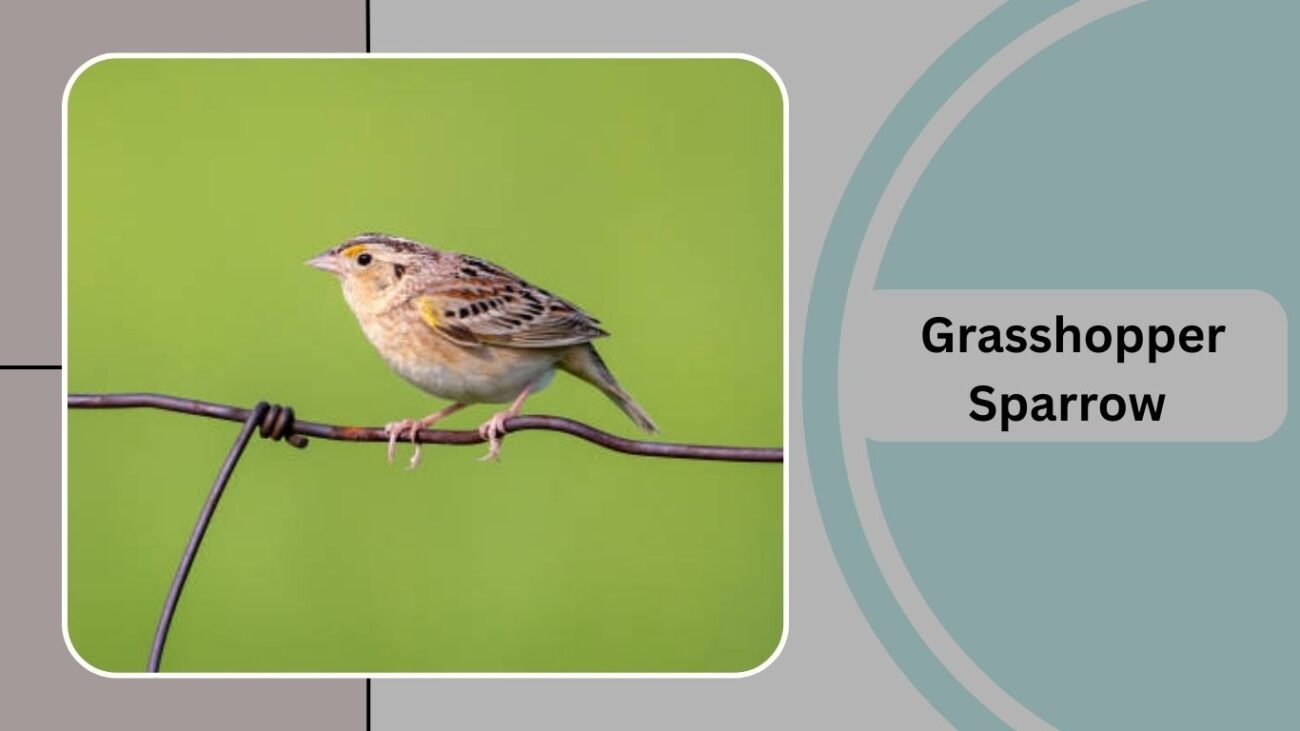
The Grasshopper Sparrow (Ammodramus savannarum) gets its name from its high, insect-like song that resembles the sound of a grasshopper. It is a secretive species, often hidden in tall grasses, making it more often heard than seen.
Identification
- Size: 4.3 to 5.1 inches
- Weight: 12 to 17 grams
- Male & Female: Both sexes alike; short-tailed, flat-headed, buffy chest with faint streaks, plain face with pale crown stripe
- Distinctive Trait: Very short tail and high-pitched grasshopper-like trill
Natural Habitat
Grasshopper Sparrows inhabit prairies, meadows, and pastures with tall grass. They are widespread across the United States, Mexico, and Central America, breeding in open grasslands and wintering further south.
Behaviors and Diet
They forage quietly on the ground, feeding on grass seeds for much of the year. In summer, their diet shifts heavily toward insects such as grasshoppers, crickets, and beetles. Males sing from low perches to defend territories, but the species often stays hidden in vegetation, making it a challenge for birdwatchers to spot.
10. Vesper Sparrow
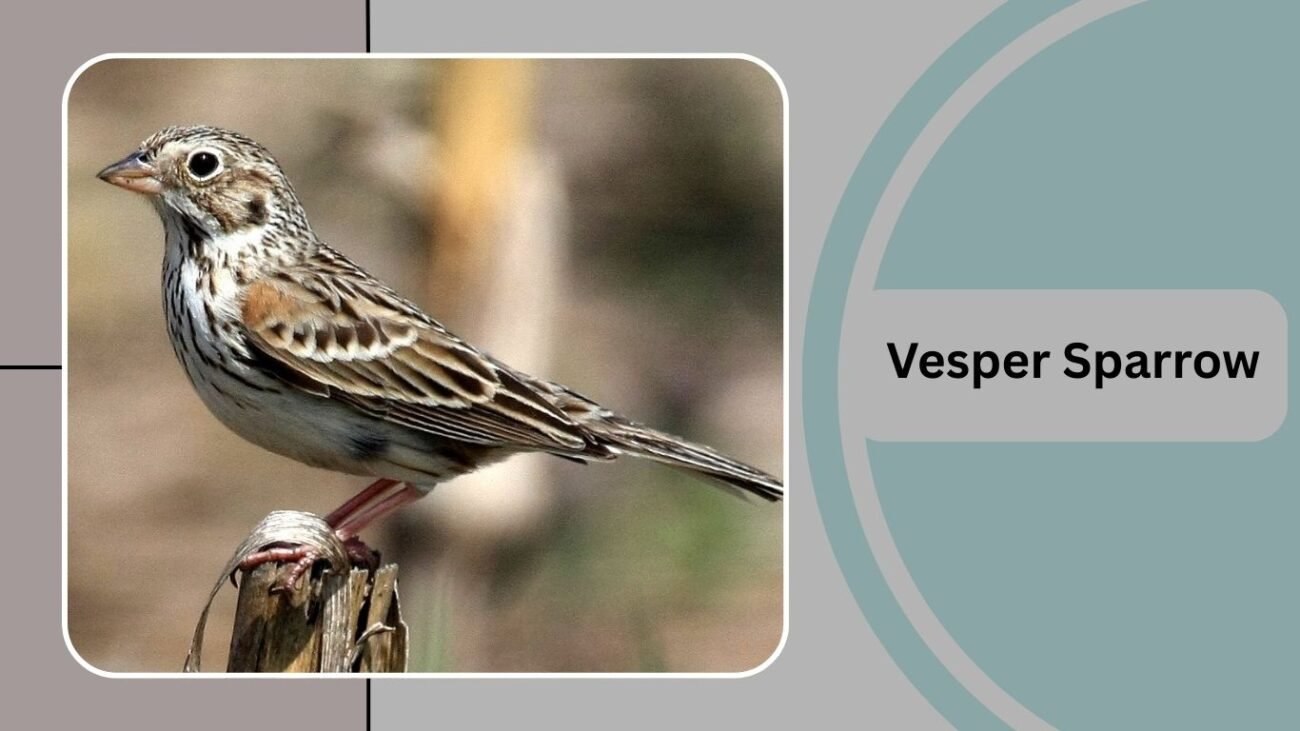
The Vesper Sparrow (Pooecetes gramineus) is a medium-sized sparrow known for its sweet, musical song that often continues into the evening, giving the bird its name “vesper.” It is widespread across North America and is a familiar sight in farmlands and open country.
Identification
- Size: 5.9 to 6.3 inches
- Weight: 20 to 28 grams
- Male & Female: Both sexes similar; streaked brown overall, white outer tail feathers visible in flight, and a faint eye ring
- Distinctive Trait: White outer tail feathers that flash when flying, helping to identify them at a distance
Natural Habitat
They prefer grasslands, farmlands, pastures, and open fields. During winter, they migrate to the southern U.S. and Mexico, using weedy fields and scrubby areas as shelter.
Behaviors and Diet
Vesper Sparrows forage mainly on the ground, feeding on weed seeds and grasses outside of breeding season. In spring and summer, they eat insects such as grasshoppers, beetles, and caterpillars, which provide protein for their young. Males sing from elevated perches, often at dawn and dusk, filling open landscapes with their distinctive evening songs.
11. Lincoln’s Sparrow
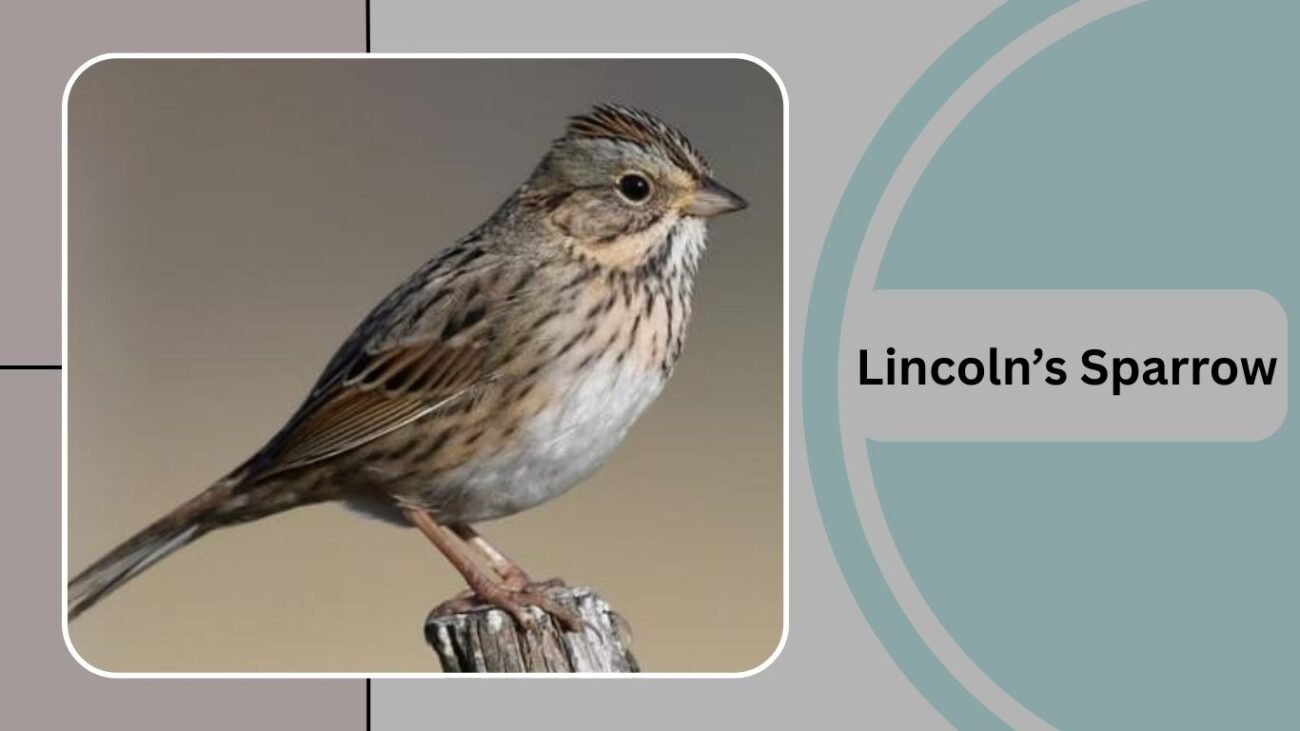
The Lincoln’s Sparrow (Melospiza lincolnii) is a shy and beautifully patterned sparrow that breeds in northern bogs and tundra edges. It is admired for its finely streaked plumage and sweet, musical song, which is often described as one of the loveliest among sparrows.
Identification
- Size: 5.1 to 5.9 inches
- Weight: 15 to 19 grams
- Male & Female: Both sexes similar; gray face with buffy mustache stripe, streaked breast with buffy wash, and finely streaked brown back
- Distinctive Trait: Buff-colored chest wash with fine streaks, giving a delicate appearance
Natural Habitat
They breed in wet meadows, bogs, and tundra edges across Canada and Alaska. In winter, they migrate to the southern U.S., Mexico, and Central America, often staying hidden in dense cover.
Behaviors and Diet
Lincoln’s Sparrows are secretive, preferring to forage under thick vegetation. Their diet consists mainly of seeds and grasses during fall and winter, while in summer they switch to insects such as flies, caterpillars, and beetles. They are solitary outside the breeding season and often remain out of sight, though their melodious song reveals their presence in summer.
12. Swamp Sparrow
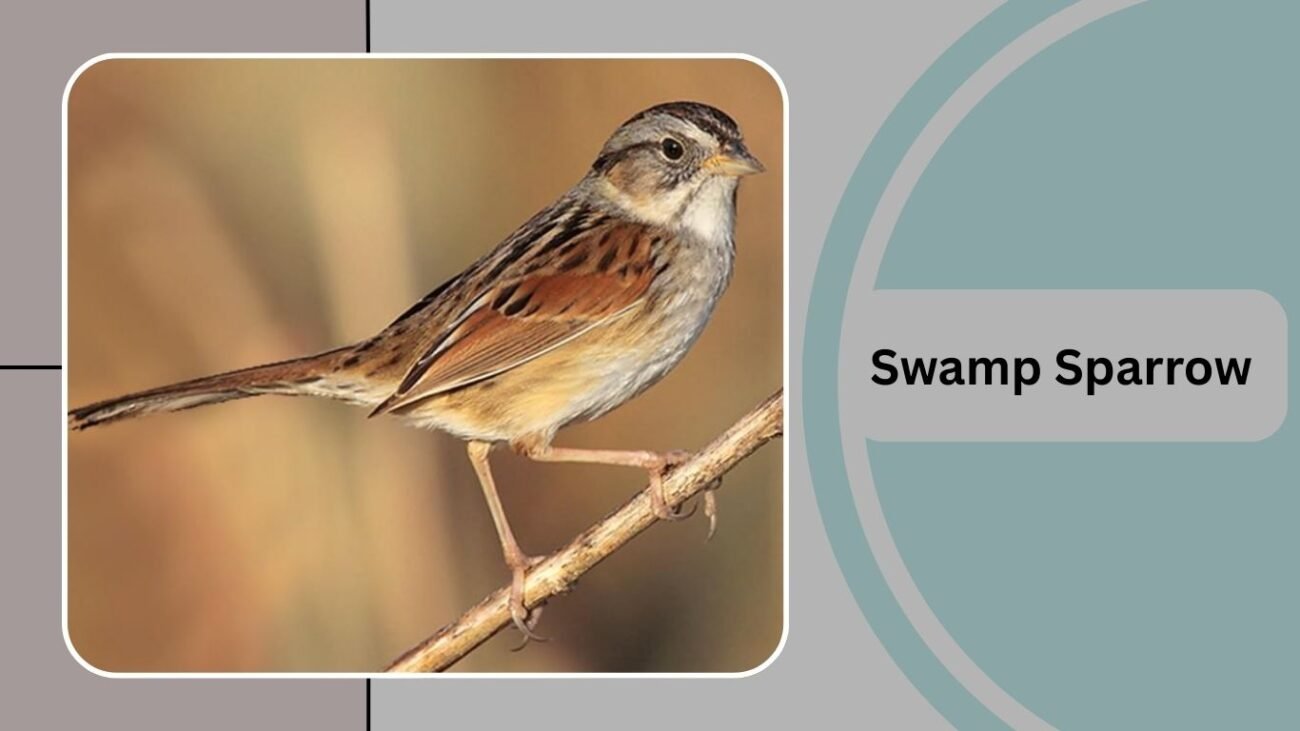
The Swamp Sparrow (Melospiza georgiana) is a secretive bird that thrives in wetlands and marshy habitats. Its rich, reddish tones and preference for dense, damp vegetation distinguish it from other sparrows.
Identification
- Size: 4.7 to 5.9 inches
- Weight: 15 to 20 grams
- Male & Female: Both sexes alike; gray face, chestnut wings and cap, and streaked brown back
- Distinctive Trait: Reddish-brown wings and crown with a plain gray breast
Natural Habitat
They breed in freshwater and saltwater marshes, bogs, and wet meadows across Canada and the northern United States. In winter, they move south into the eastern and southern U.S., often inhabiting cattail stands and weedy marshes.
Behaviors and Diet
Swamp Sparrows forage low in wet vegetation or directly in mud, searching for seeds, aquatic insects, and snails. In breeding season, they consume a higher proportion of insects like beetles, caterpillars, and spiders. Their sharp “tsip” calls are frequently heard, though they often stay hidden in reeds.
13. Song Sparrow
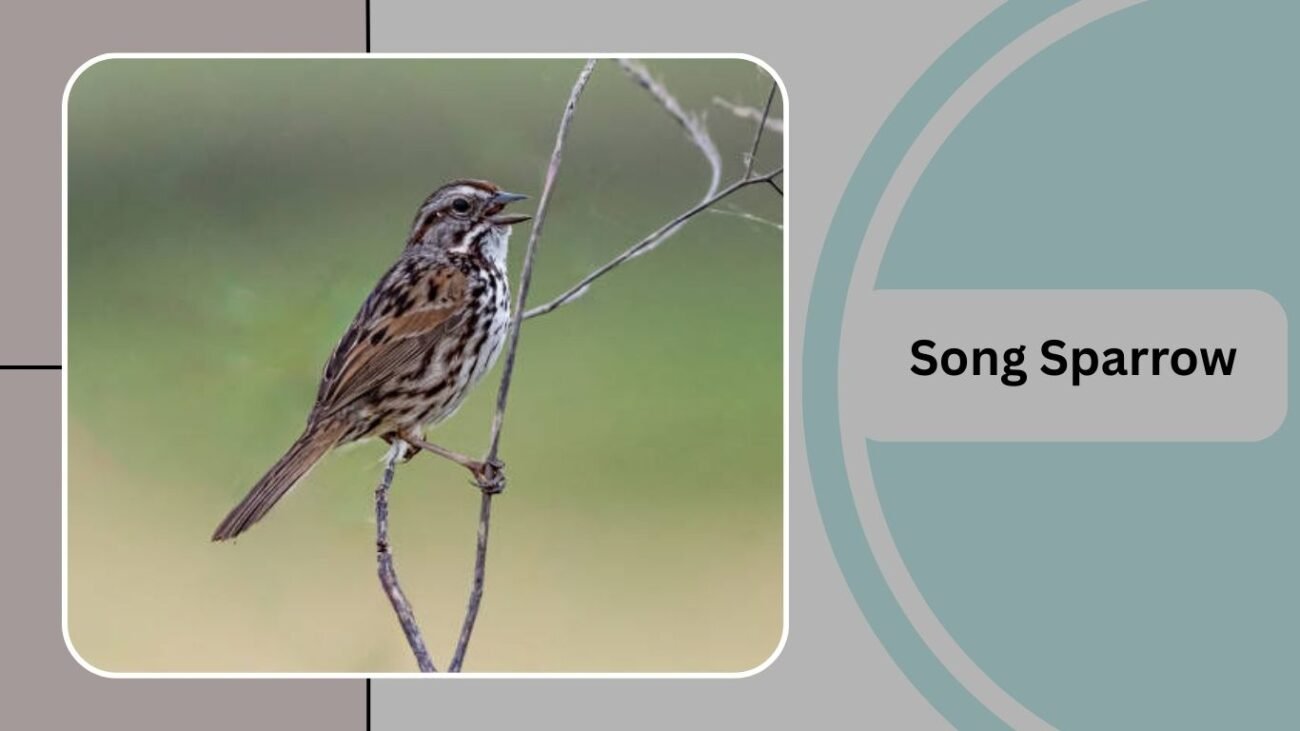
The Song Sparrow (Melospiza melodia) is one of the most widespread and variable sparrows in North America. Its adaptability and distinctive, cheerful song make it a common backyard visitor across the continent.
Identification
- Size: 4.7 to 6.7 inches
- Weight: 18 to 25 grams
- Male & Female: Both sexes similar; streaked brown body with bold breast streaks and a central dark spot
- Distinctive Trait: Highly variable plumage across regions, but the central breast spot is a key marker
Natural Habitat
Song Sparrows live in a wide variety of habitats including gardens, marshes, forest edges, and grasslands. They are found across the U.S., Canada, and parts of Mexico, with populations adapted to local environments.
Behaviors and Diet
These sparrows are active ground foragers, often scratching leaf litter to find food. Their diet includes seeds and grasses most of the year, but in summer they eat insects such as beetles, caterpillars, and flies to raise their chicks. Known for their persistent and melodic song, males sing from shrubs and fences, defending territories and attracting mates.
14. Fox Sparrow
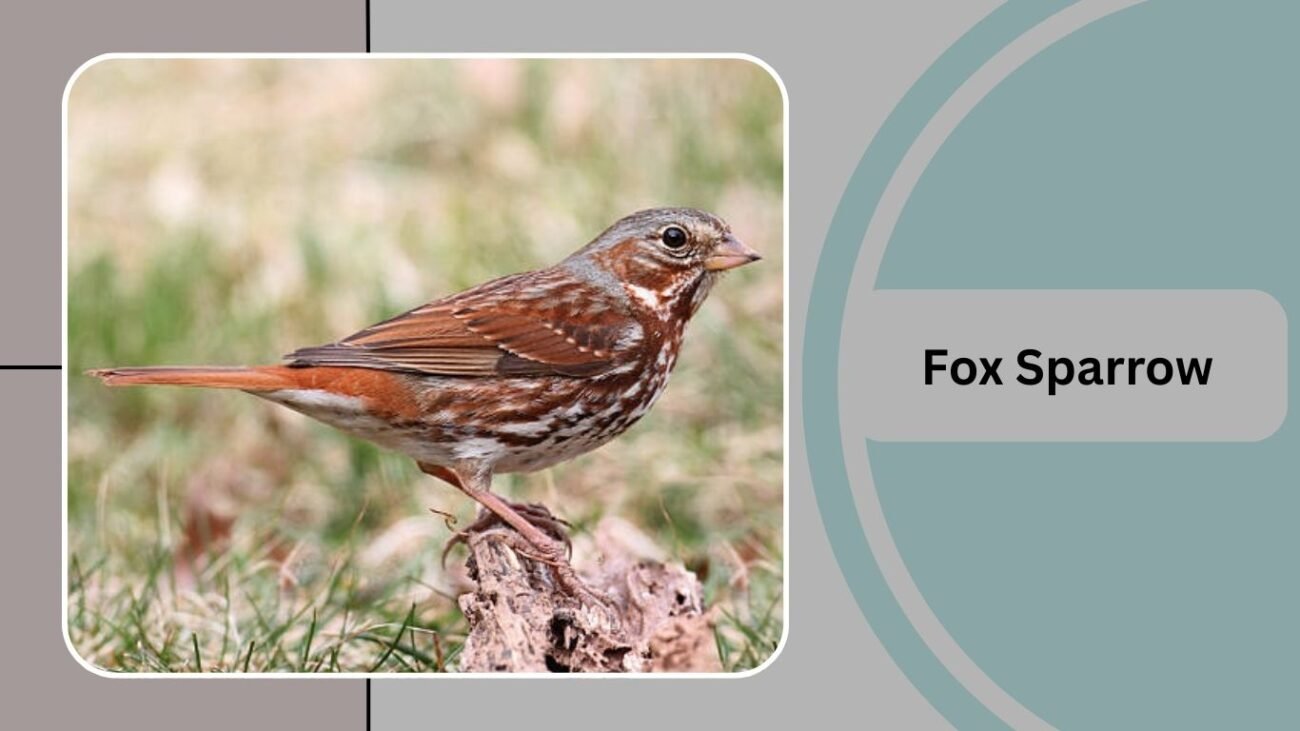
The Fox Sparrow (Passerella iliaca) is a large, robust sparrow with rich, reddish-brown plumage that resembles the color of a fox’s fur. It is admired for both its striking appearance and its melodious, flute-like song.
Identification
- Size: 5.9 to 7.5 inches
- Weight: 26 to 44 grams
- Male & Female: Both sexes similar; heavily streaked chest and flanks, reddish-brown upperparts, and strong bill
- Distinctive Trait: Rusty-red coloration and heavy streaking across the body
Natural Habitat
Fox Sparrows breed in dense thickets, boreal forests, and shrubby tundra across Alaska and Canada. In winter, they migrate to the U.S., favoring woodland edges, gardens, and brushy areas.
Behaviors and Diet
They are ground-foraging specialists, often using a double-scratch motion to uncover food in leaf litter. Their diet consists of seeds, berries, and insects. During summer, they consume beetles, ants, and caterpillars, while in colder months they rely more heavily on berries and weed seeds. Their rich, whistled songs are a highlight of northern forests.
15. White-Throated Sparrow
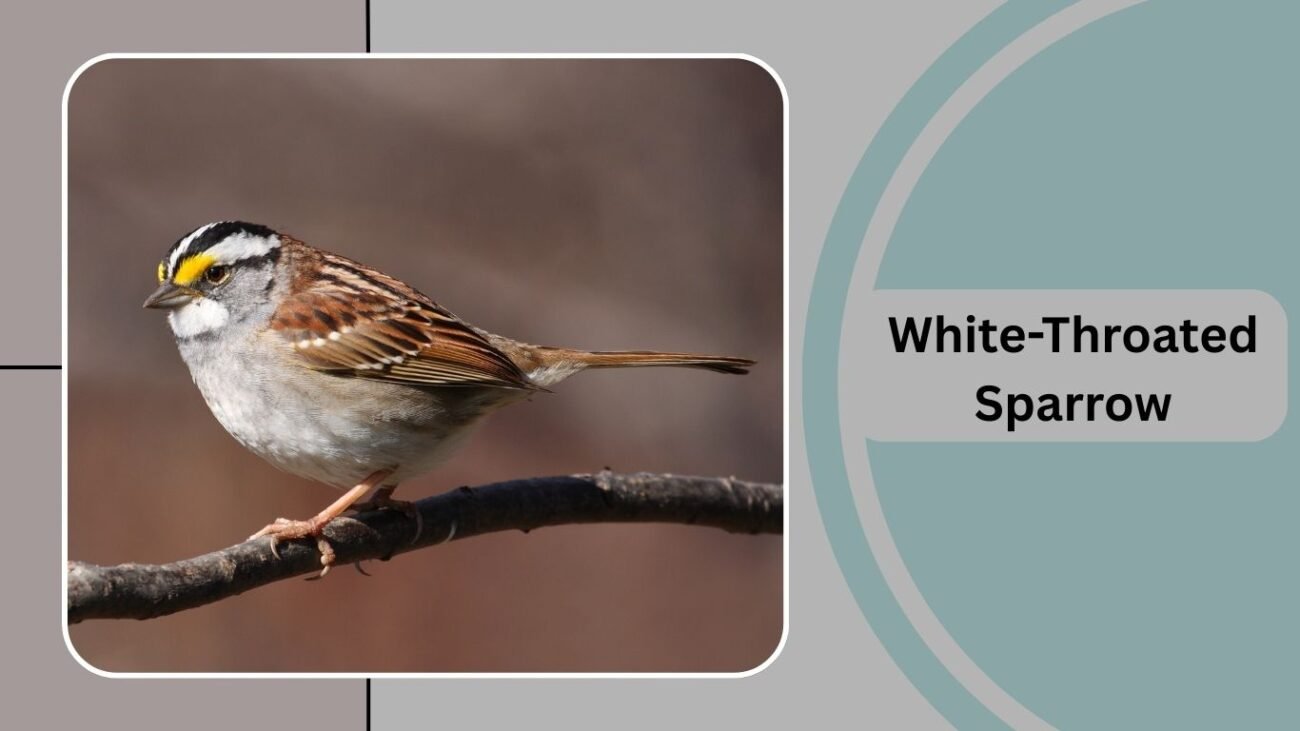
The White-Throated Sparrow (Zonotrichia albicollis) is a handsome and musical sparrow, recognized by its bold head stripes and sweet, whistled song often described as “Old Sam Peabody, Peabody, Peabody.”
Identification
- Size: 6.3 to 7.1 inches
- Weight: 22 to 32 grams
- Male & Female: Both sexes similar; two color morphs (white-striped or tan-striped), with bright white throat, yellow lores, and gray breast
- Distinctive Trait: White throat patch and yellow spots between bill and eyes
Natural Habitat
They breed in Canada’s boreal forests and migrate to the eastern and southern United States for winter, where they frequent woodlots, gardens, and shrubby areas.
Behaviors and Diet
White-Throated Sparrows forage on the ground, scratching through leaf litter for seeds, grains, and fruits. In breeding season, they rely more on insects like ants, beetles, and caterpillars to nourish their young. They are highly social outside breeding, often joining mixed flocks with juncos and other sparrows. Their whistled song is one of the most recognizable bird calls in North America.
16. White-Crowned Sparrow
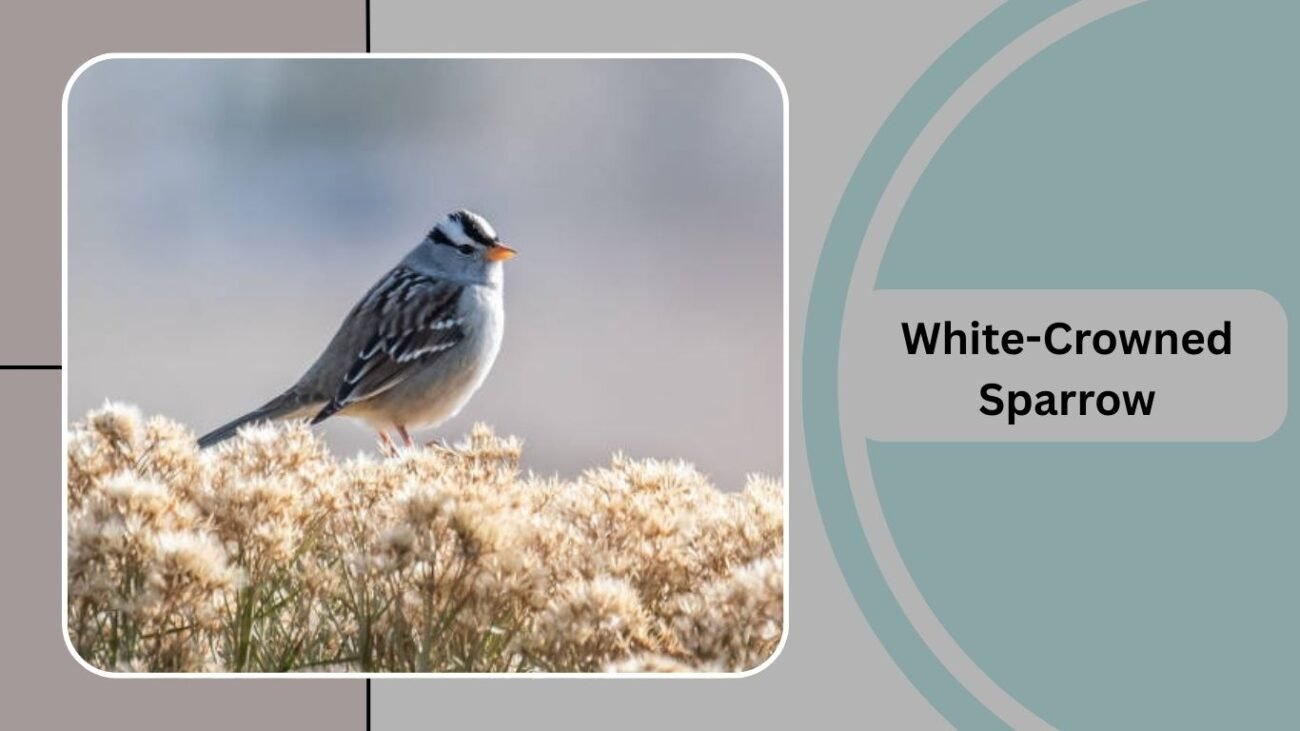
The White-Crowned Sparrow (Zonotrichia leucophrys) is a striking sparrow, easily recognized by the bold black-and-white stripes on its head. It is widespread across North America and is known for its clear, whistled song that varies regionally.
Identification
- Size: 5.9 to 6.7 inches
- Weight: 25 to 30 grams
- Male & Female: Both sexes similar; adults have black-and-white striped crowns, gray face and underparts, and brown streaked back
- Juveniles: Have brown-and-tan striped crowns instead of black-and-white
Natural Habitat
They breed in tundra, shrubby fields, and open forests across Alaska and Canada. In winter, they migrate south into the United States and Mexico, favoring weedy fields, hedgerows, and backyard gardens.
Behaviors and Diet
White-Crowned Sparrows are ground foragers that scratch for seeds, grains, and grasses. During breeding season, they eat more insects such as beetles, caterpillars, and flies to feed nestlings. They are social in winter, often joining mixed flocks, and their melodic song is a key part of their territorial and courtship displays.
17. Golden-Crowned Sparrow
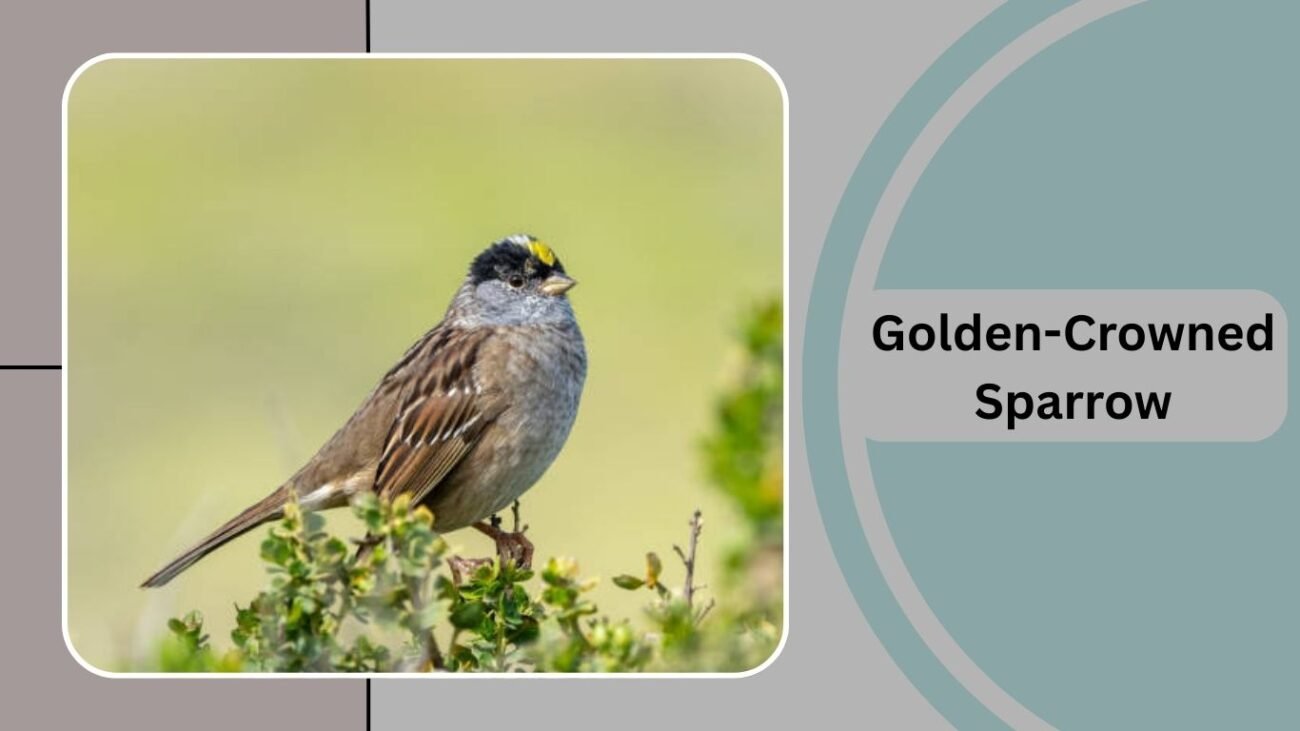
The Golden-Crowned Sparrow (Zonotrichia atricapilla) is a large sparrow of the Pacific Coast, named for the bright golden patch on its head. It is especially common in western North America during migration and winter.
Identification
- Size: 6.3 to 7.1 inches
- Weight: 25 to 35 grams
- Male & Female: Both sexes similar; breeding adults have a golden crown bordered by black stripes, while winter plumage is duller
- Distinctive Trait: Golden-yellow crown that stands out in sunlight
Natural Habitat
Golden-Crowned Sparrows breed in the tundra and shrubby slopes of Alaska and western Canada. They migrate south to winter in California, Oregon, and along the Pacific Coast, often frequenting gardens and parks.
Behaviors and Diet
These sparrows feed primarily on seeds, grasses, and berries during migration and winter. In summer, their diet includes insects such as caterpillars, beetles, and ants to support their young. They are often found in loose flocks and can be tame around humans, foraging on the ground near backyards and campsites. Their plaintive, whistled song is often described as “Oh dear me.”
18. Harris’s Sparrow
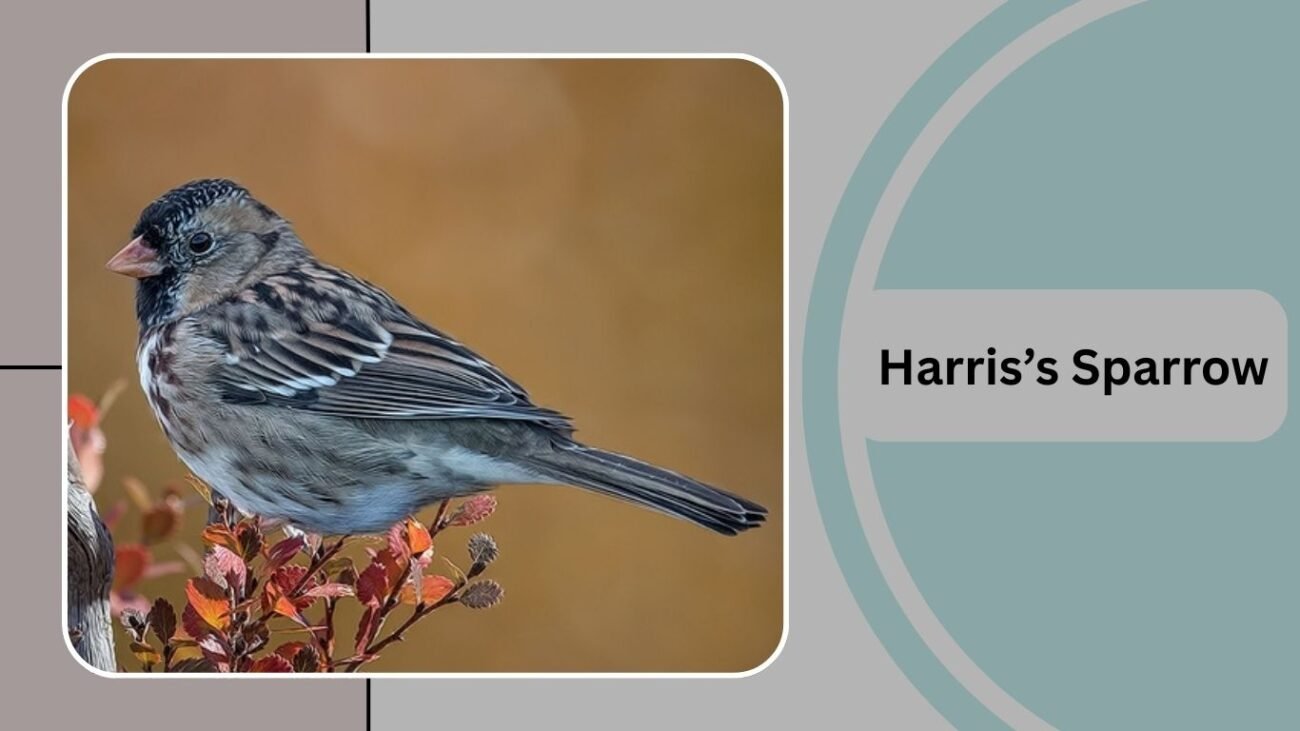
The Harris’s Sparrow (Zonotrichia querula) is the largest sparrow in North America and is notable for its bold black face, throat, and crown that contrast with its pink bill. It breeds in the far northern tundra and migrates south into the central United States for winter.
Identification
- Size: 6.7 to 7.9 inches
- Weight: 30 to 36 grams
- Male & Female: Both sexes similar; adults show black crown, throat, and upper chest, pink bill, and brown streaked back
- Distinctive Trait: Large size and striking black-and-white facial pattern
Natural Habitat
This sparrow breeds in the stunted trees and shrubs of northern Canada’s tundra. In winter, it prefers weedy fields, hedgerows, pastures, and woodland edges in the central Great Plains.
Behaviors and Diet
Harris’s Sparrows are ground feeders, foraging for seeds, berries, and grains during migration and winter. In summer, they consume insects like grasshoppers, beetles, and caterpillars to support their chicks. They are social in winter, often forming small flocks that mix with other sparrows.
19. Black-Throated Sparrow
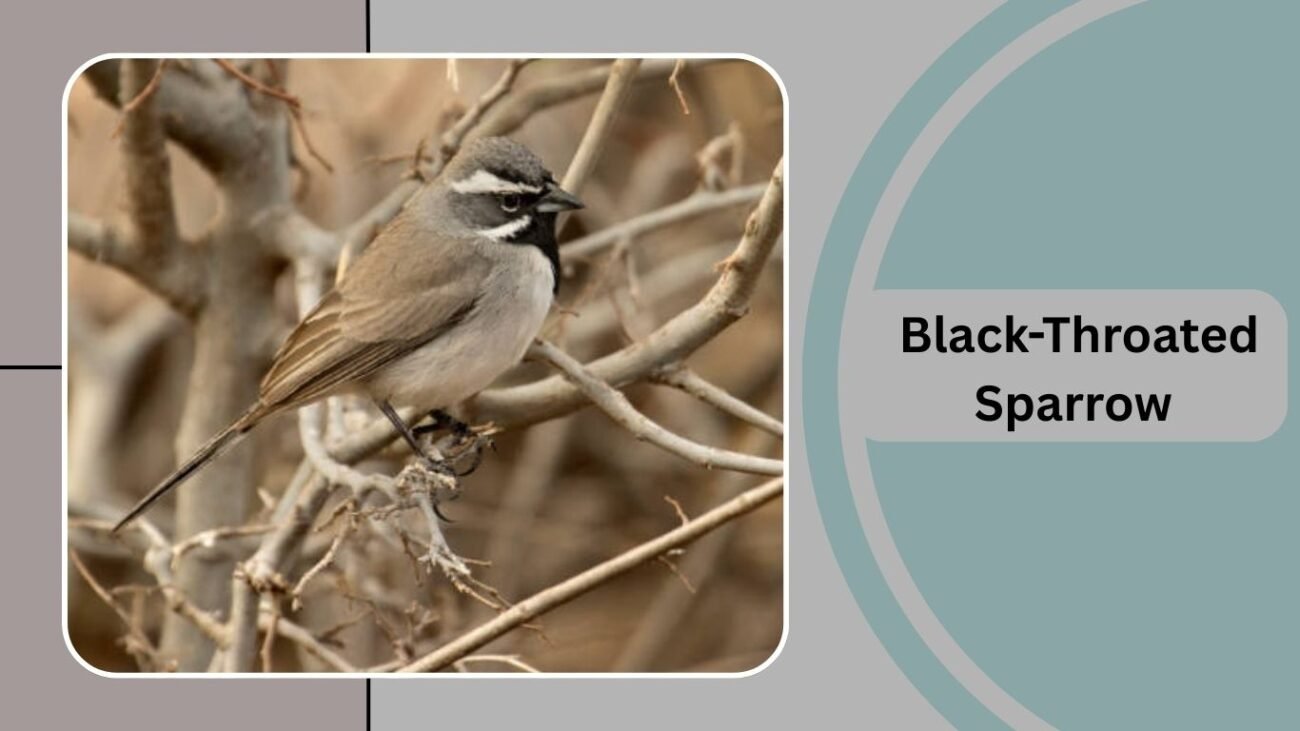
The Black-Throated Sparrow (Amphispiza bilineata) is a striking sparrow of the arid Southwest, often called the “desert sparrow.” Its bold black-and-white facial markings make it one of the easiest sparrows to identify.
Identification
- Size: 4.7 to 5.5 inches
- Weight: 11 to 15 grams
- Male & Female: Both sexes similar; gray body, white underparts, black throat patch, and white eyebrow stripes
- Distinctive Trait: Strong black throat patch framed by bright white facial lines
Natural Habitat
They inhabit deserts, arid scrublands, and rocky canyons across the southwestern United States and Mexico. Their presence is strongly tied to dry, open landscapes with scattered shrubs.
Behaviors and Diet
Black-Throated Sparrows forage on the ground for seeds, particularly grasses and weeds. In breeding season, they rely more heavily on insects such as ants, beetles, and grasshoppers. They are active singers, delivering clear, sweet whistles that carry well across desert landscapes. Their adaptability to dry climates makes them one of the hardiest sparrow species.
20. Lark Sparrow
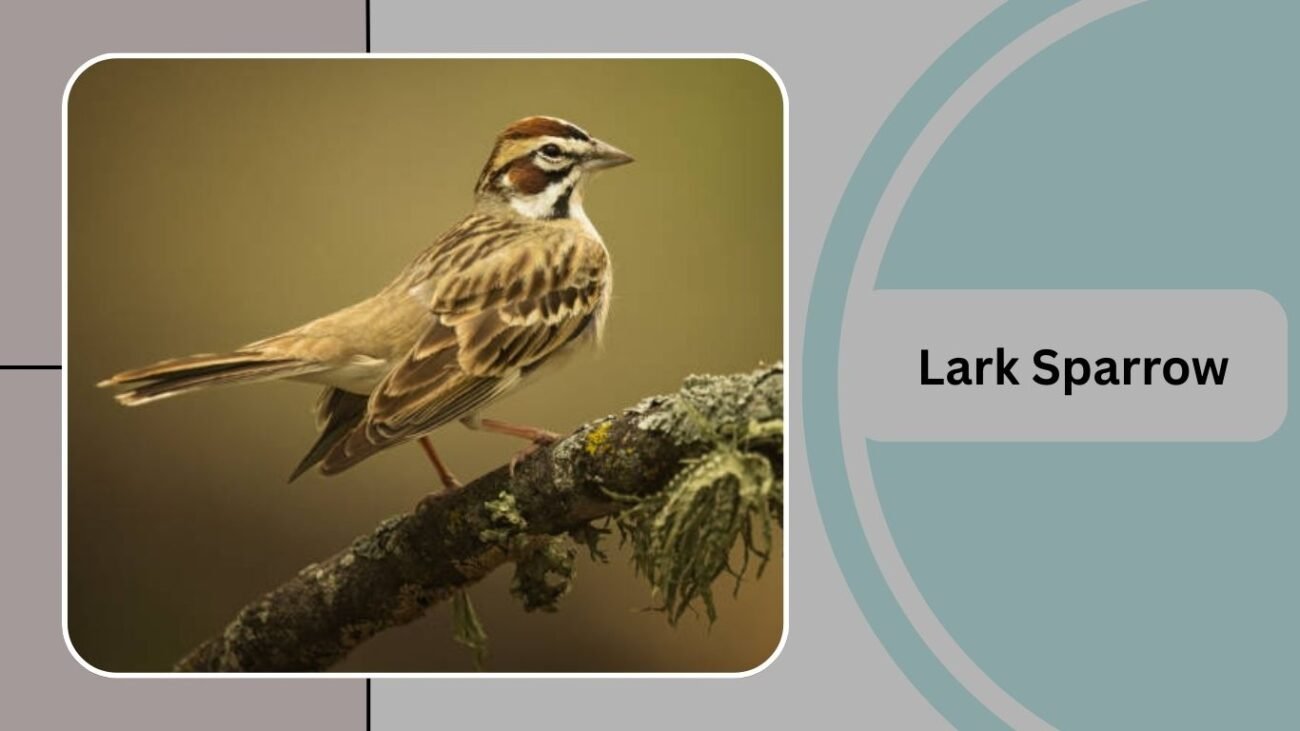
The Lark Sparrow (Chondestes grammacus) is one of the most distinctive sparrows in North America, easily recognized by its bold facial pattern and unique tail markings. Its elaborate courtship displays also set it apart from other sparrow species.
Identification
- Size: 5.9 to 6.7 inches
- Weight: 26 to 32 grams
- Male & Female: Both sexes similar; striking chestnut, white, and black facial pattern with a white belly and dark central breast spot
- Distinctive Trait: Long tail with white corners visible in flight
Natural Habitat
Lark Sparrows prefer open grasslands, prairies, farms, and dry fields with scattered shrubs or trees. They are widespread across the central and western United States during breeding and migrate south to Mexico for winter.
Behaviors and Diet
They forage mostly on the ground, eating seeds and grains outside of breeding season. In summer, they feed insects such as grasshoppers, caterpillars, and beetles to their young. Males are known for dramatic courtship displays, where they hop on the ground while spreading their wings and tail feathers. Their cheerful, warbling song adds to their charm.
21. Sagebrush Sparrow
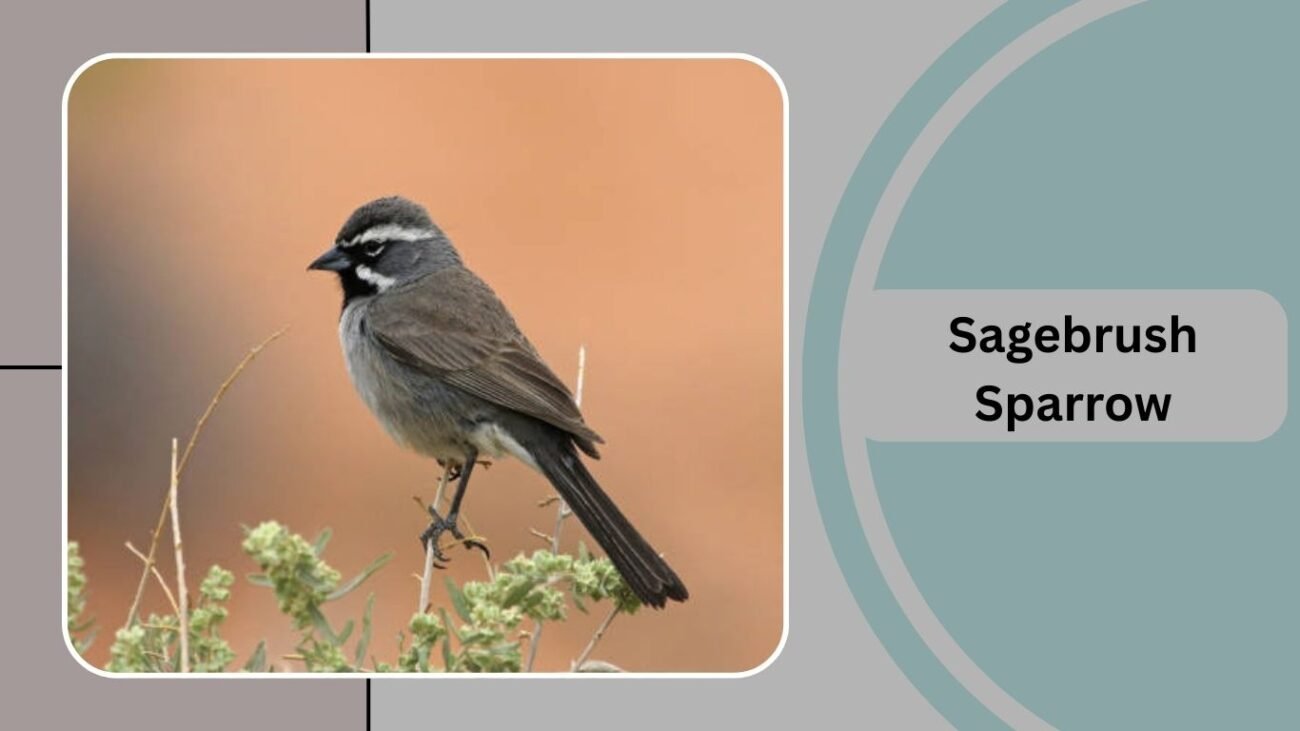
The Sagebrush Sparrow (Artemisiospiza nevadensis) is a bird of the western deserts, strongly tied to sagebrush habitats. Its subtle plumage blends perfectly with the dry landscapes it inhabits.
Identification
- Size: 5.5 to 6.7 inches
- Weight: 15 to 23 grams
- Male & Female: Both sexes alike; gray head and chest, white underparts, brown back with streaks, and a faint central breast spot
- Distinctive Trait: Grayish head and reliance on sagebrush environments
Natural Habitat
They breed in sagebrush plains and desert scrub across the western United States. In winter, they migrate to the deserts of the southwestern U.S. and northern Mexico.
Behaviors and Diet
Sagebrush Sparrows forage low in vegetation or on the ground, feeding on weed seeds and grasses. During breeding season, they shift to an insect-rich diet, eating beetles, ants, and caterpillars. Their song is a series of sweet, tinkling notes delivered from atop sagebrush shrubs, signaling their territory in the desert landscape.
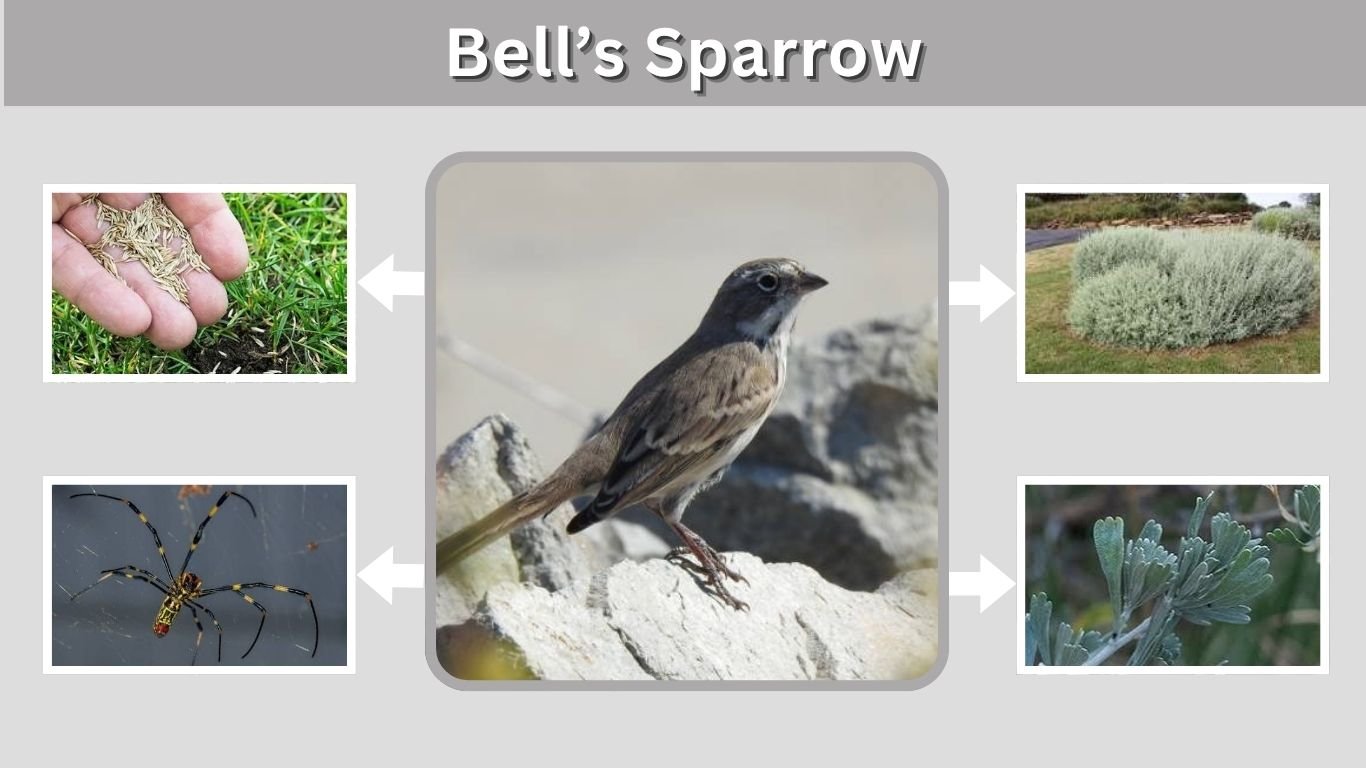
22. Bell’s Sparrow
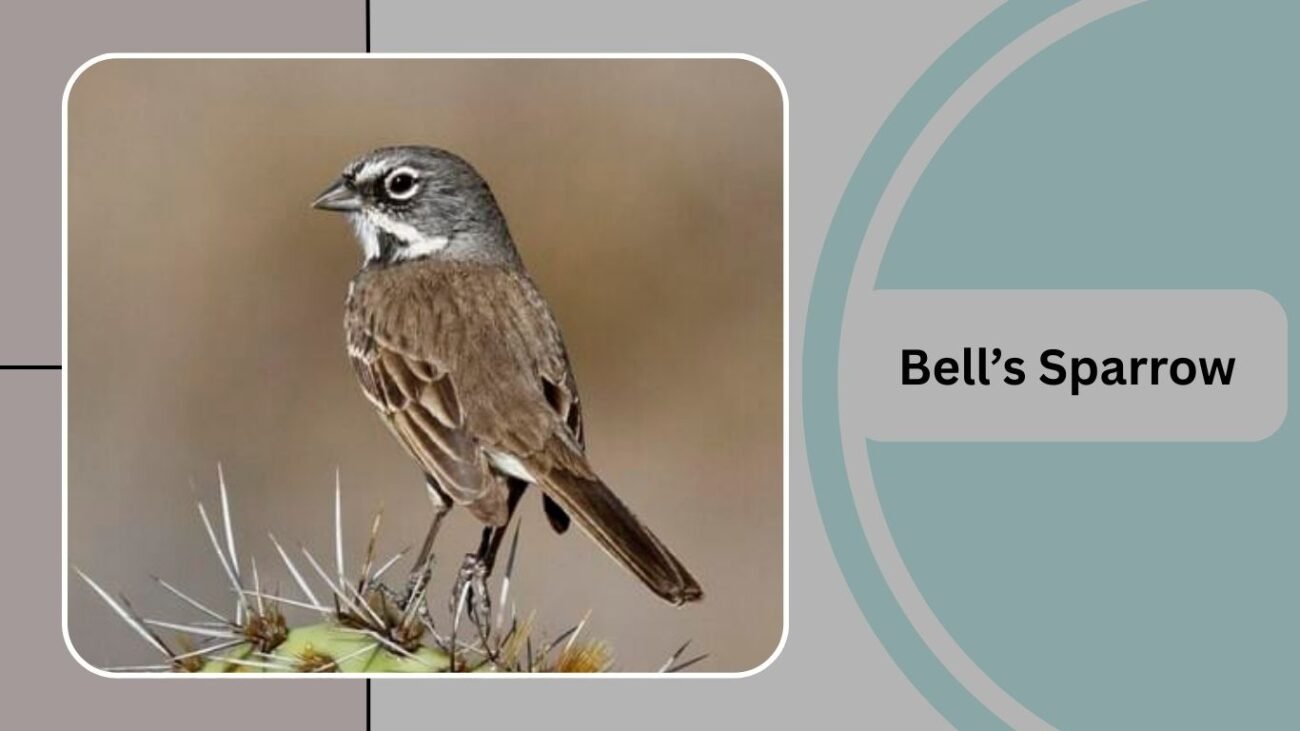
The Bell’s Sparrow (Artemisiospiza belli) is a shy sparrow native to the arid scrublands of California and Baja California. Closely related to the Sagebrush Sparrow, it was once considered the same species but is now recognized as distinct.
Identification
- Size: 5.5 to 6.3 inches
- Weight: 16 to 23 grams
- Male & Female: Both sexes similar; gray face, streaked brown back, pale underparts, and a faint central chest spot
- Distinctive Trait: Darker plumage than the Sagebrush Sparrow, with more pronounced facial markings
Natural Habitat
Bell’s Sparrows are found in coastal scrub, desert scrub, and chaparral habitats. They prefer dense, low shrubs for nesting and foraging. Their distribution is restricted compared to their close relatives, giving them a more localized range.
Behaviors and Diet
These sparrows are ground foragers, feeding mostly on seeds and small insects. During the breeding season, they rely on insects like caterpillars, beetles, and ants to feed their chicks. Bell’s Sparrows are secretive and often remain hidden in shrubs, but males sing sweet, tinkling songs to establish territories.
23. Baird’s Sparrow
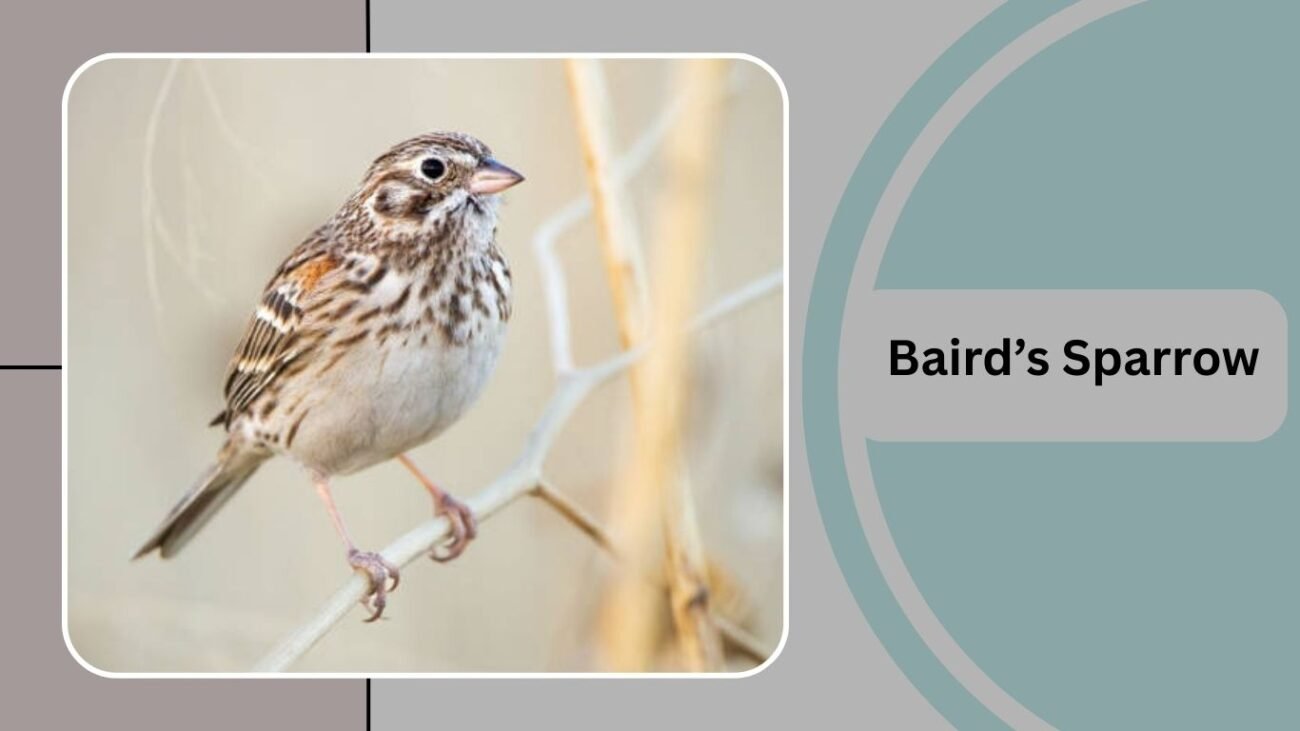
The Baird’s Sparrow (Centronyx bairdii) is a grassland specialist of the northern Great Plains, named after the American naturalist Spencer Fullerton Baird. Its beautiful, streaked plumage helps it blend perfectly into tall grasses.
Identification
- Size: 5 to 6 inches
- Weight: 15 to 20 grams
- Male & Female: Both sexes similar; buffy face with fine streaks, central crown stripe, and heavily streaked brown back
- Distinctive Trait: Buffy facial tones and delicate streaking on the breast
Natural Habitat
Baird’s Sparrows breed in the tallgrass and mixed-grass prairies of Canada and the north-central United States. They migrate south to winter in the grasslands of Texas and northern Mexico.
Behaviors and Diet
They forage quietly on the ground, feeding mostly on grass and weed seeds. In summer, they switch to an insect-rich diet, consuming grasshoppers, caterpillars, and beetles to provide nourishment for their young. Known for their high, tinkling song, Baird’s Sparrows are elusive and often remain hidden in dense prairie vegetation.
24. LeConte’s Sparrow
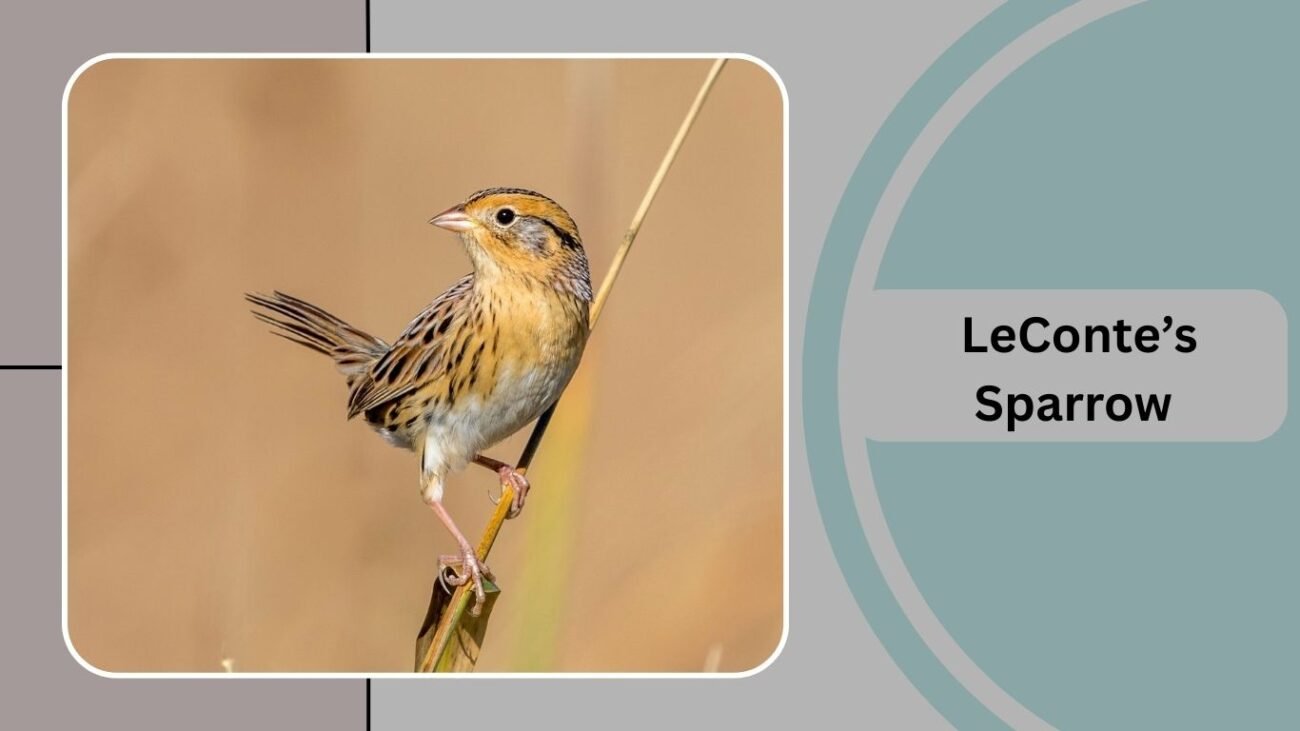
The LeConte’s Sparrow (Ammospiza leconteii) is a secretive, beautifully patterned sparrow of North American grasslands. It is one of the smallest sparrows and is more often heard than seen due to its shy nature and tendency to stay hidden in dense grasses.
Identification
- Size: 4.7 to 5.1 inches
- Weight: 12 to 14 grams
- Male & Female: Both sexes alike; buffy-orange face, fine streaks on breast and flanks, and a short tail
- Distinctive Trait: Orange-buff facial wash with thin streaks that give a delicate, warm-toned look
Natural Habitat
LeConte’s Sparrows breed in wet meadows, prairies, and sedge fields across central Canada and the northern United States. In winter, they migrate to the southeastern U.S., often hiding in marshy grasslands.
Behaviors and Diet
These sparrows are ground foragers, feeding on small seeds of grasses and weeds. During breeding season, they also eat insects such as beetles, grasshoppers, and caterpillars. Their behavior is highly secretive—they run through grasses like mice rather than flying, and their high-pitched songs are usually the best clue to their presence.
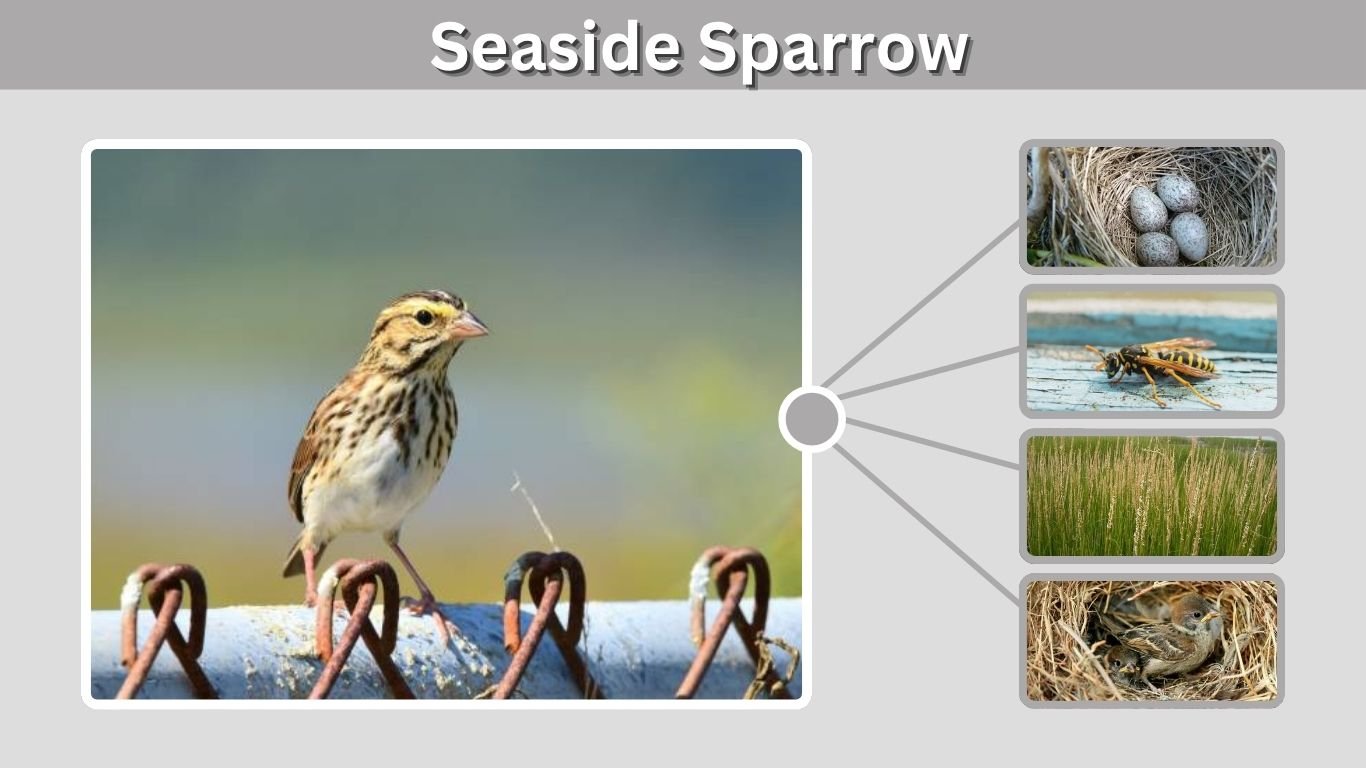
25. Seaside Sparrow
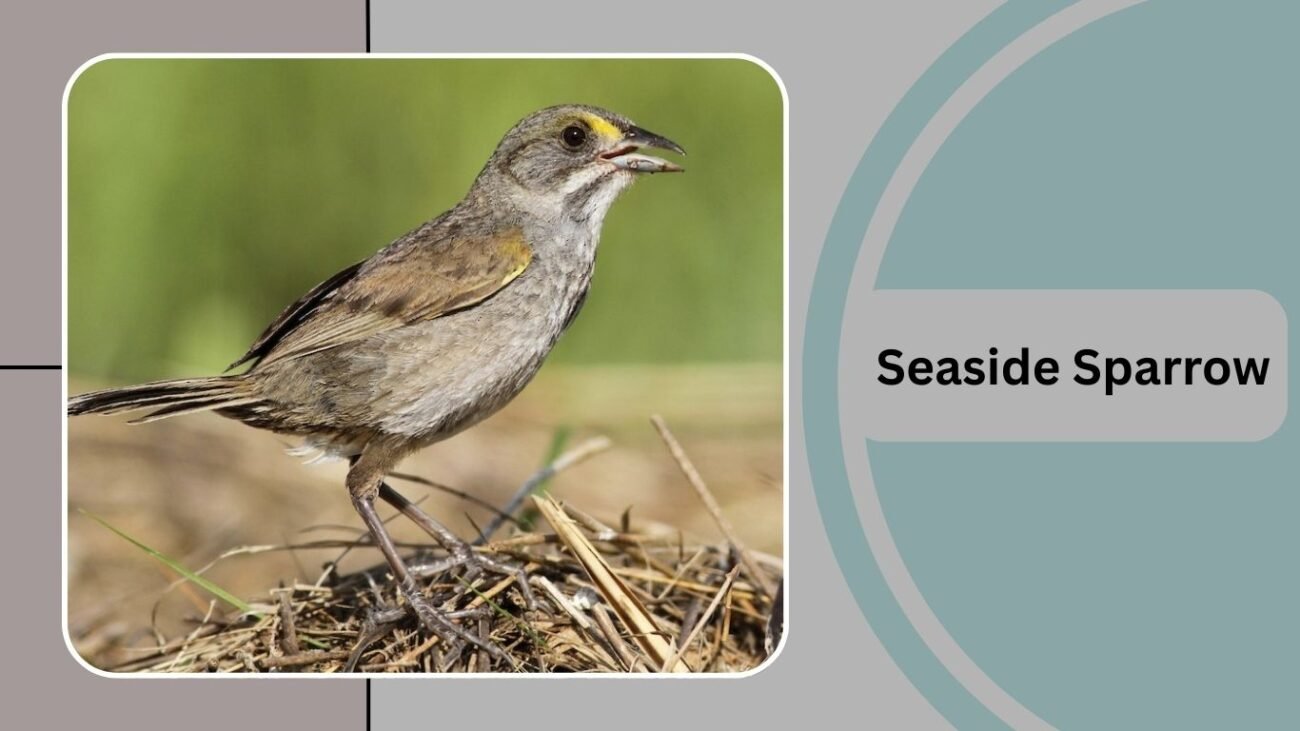
The Seaside Sparrow (Ammospiza maritima) is a salt marsh specialist, living almost exclusively in coastal wetlands along the eastern and Gulf coasts of the United States. Its dark plumage and buzzy song make it unique among sparrows.
Identification
- Size: 5 to 6 inches
- Weight: 20 to 25 grams
- Male & Female: Both sexes similar; dark gray-brown body, streaked breast, yellow spot near the eye, and long bill
- Distinctive Trait: Darker overall plumage compared to most sparrows, adapted for blending into marsh vegetation
Natural Habitat
These sparrows live in coastal salt marshes from New England to Texas. They are strongly tied to tidal wetlands, nesting and foraging in cordgrass and other marsh plants.
Behaviors and Diet
Seaside Sparrows forage low in marsh grasses and mud, eating seeds, insects, and small crustaceans. During breeding season, they consume more insects like beetles, grasshoppers, and caterpillars. Their buzzy, insect-like song carries over the marsh, especially at dawn and dusk. They are less migratory than many sparrows, with some populations staying year-round in the same coastal marshes.
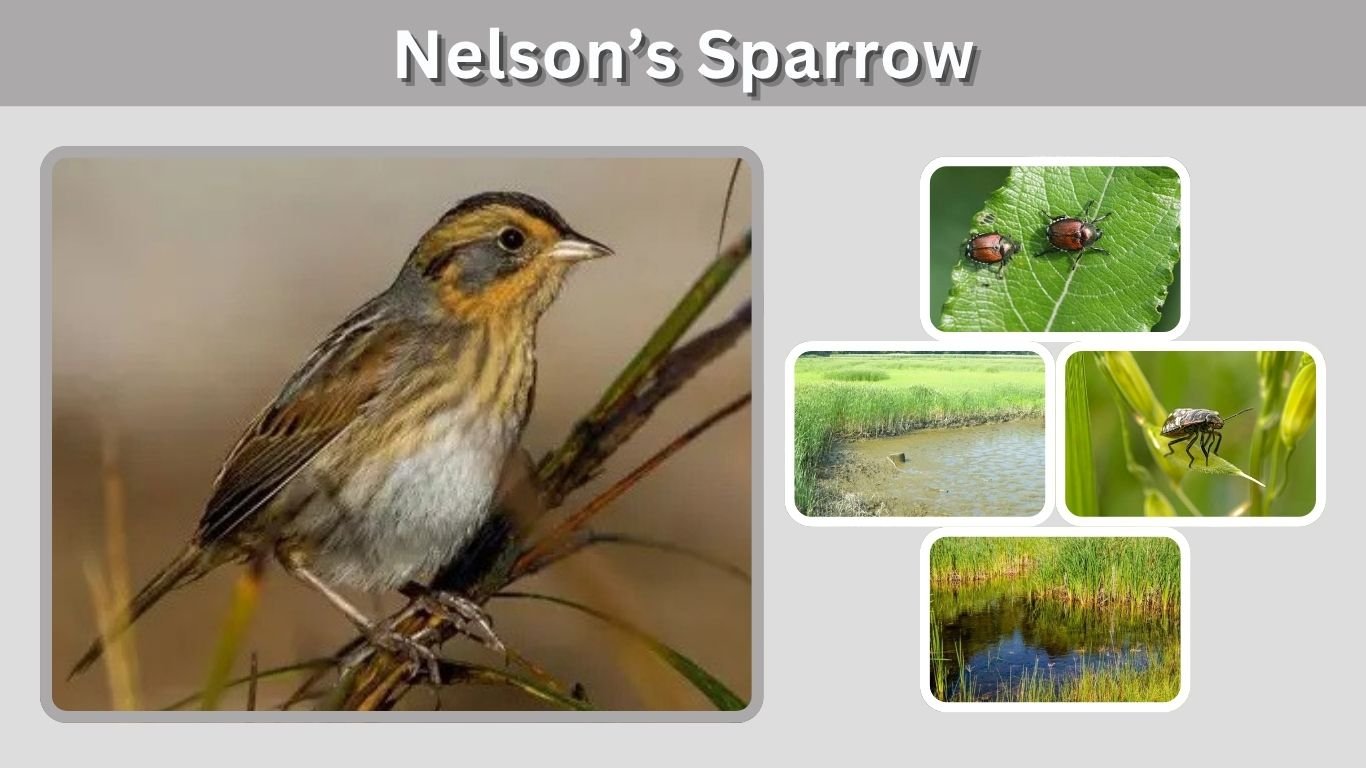
26. Nelson’s Sparrow
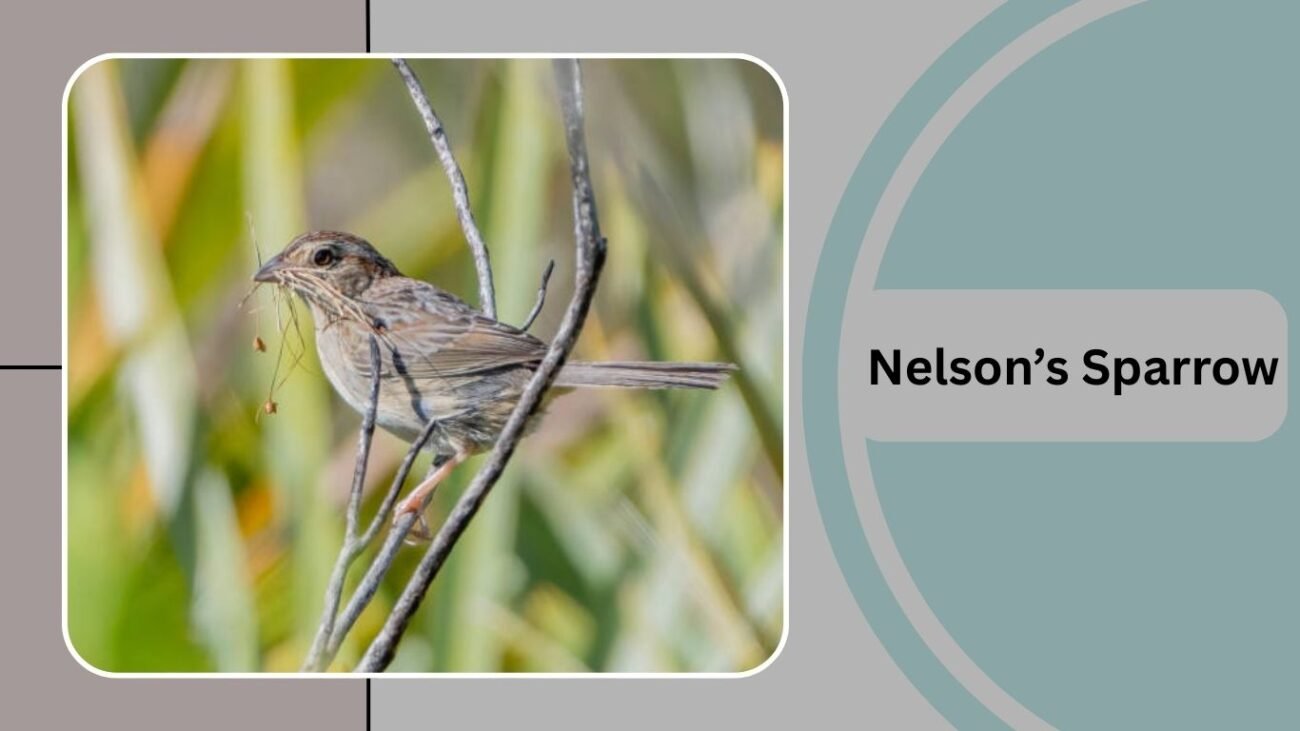
The Nelson’s Sparrow (Ammospiza nelsoni) is a secretive sparrow of wetlands and marshes, known for its orange facial wash and delicate streaking. It is closely related to the Saltmarsh Sparrow but has a broader range that extends into inland wetlands.
Identification
- Size: 4.7 to 5.1 inches
- Weight: 15 to 20 grams
- Male & Female: Both sexes alike; orange face with gray cheeks, streaked brown back, and short tail
- Distinctive Trait: Warm orange facial tones combined with gray, giving a striking contrast
Natural Habitat
Nelson’s Sparrows breed in freshwater and brackish marshes across Canada and the northern United States. In winter, they migrate to the Atlantic and Gulf coasts, favoring salt marshes and tidal wetlands.
Behaviors and Diet
They forage low in grasses and reeds, feeding on seeds of marsh plants and small insects. During breeding, they eat spiders, beetles, and caterpillars to raise their chicks. Nelson’s Sparrows are elusive, often running through reeds rather than flying, and their buzzy songs blend into the marsh soundscape.
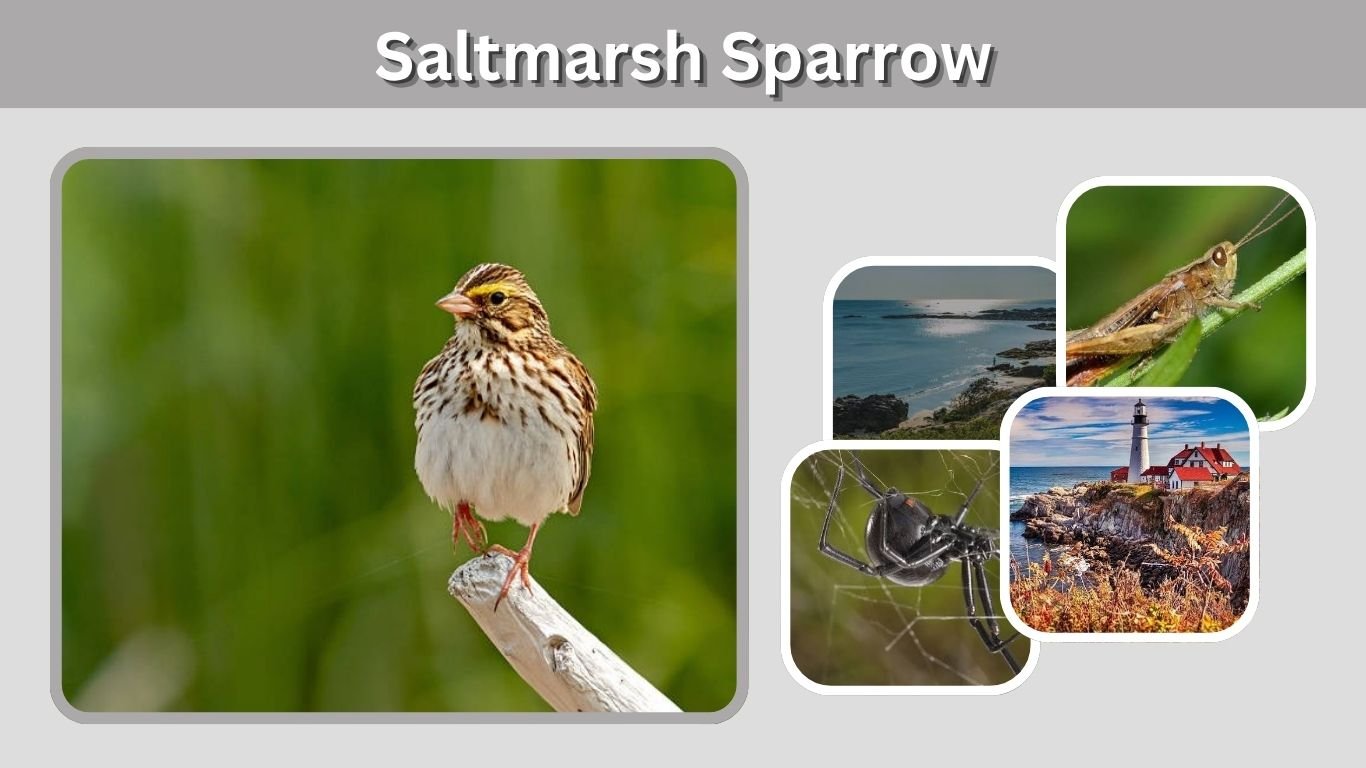
27. Saltmarsh Sparrow
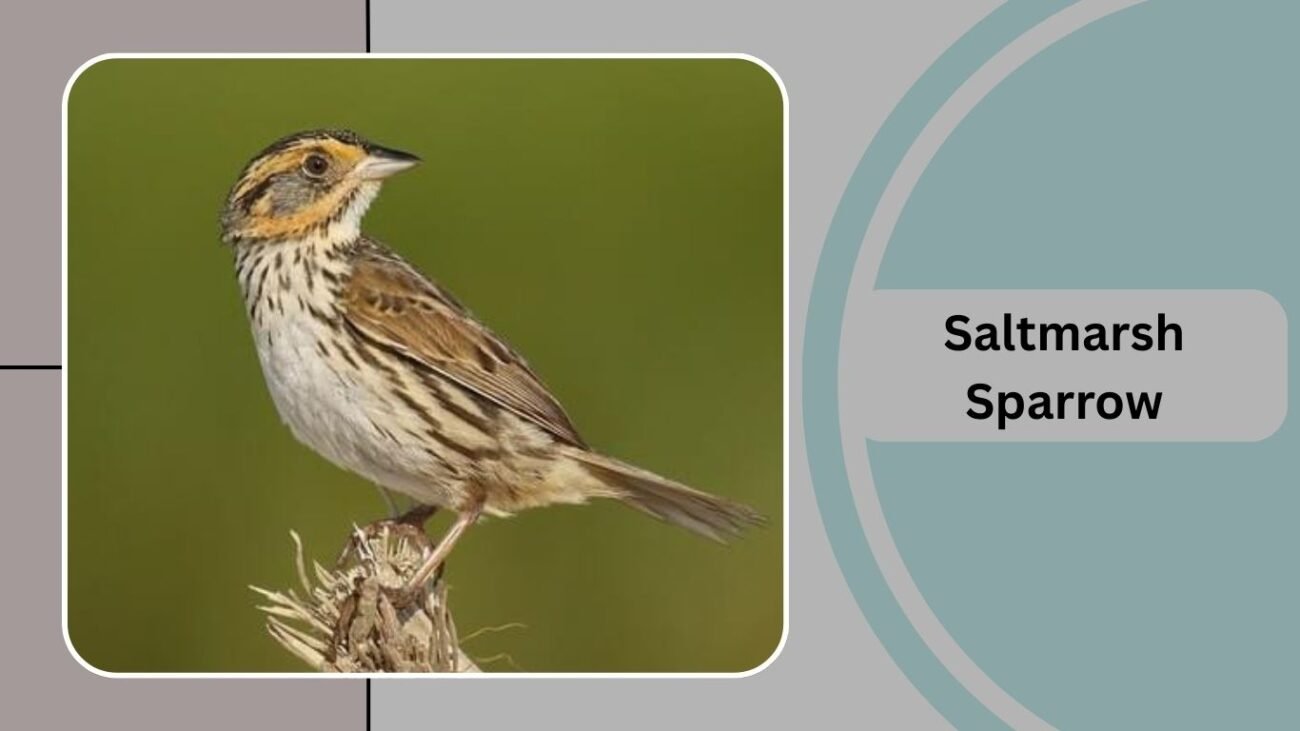
The Saltmarsh Sparrow (Ammospiza caudacuta) is a highly specialized sparrow found almost exclusively in tidal salt marshes along the Atlantic Coast of the United States. It is considered one of the most vulnerable sparrows due to rising sea levels that threaten its breeding habitat.
Identification
- Size: 4.7 to 5.5 inches
- Weight: 15 to 20 grams
- Male & Female: Both sexes similar; orange face with gray cheeks, streaked breast, and short tail
- Distinctive Trait: Similar to Nelson’s Sparrow but more finely streaked and with brighter orange on the face
Natural Habitat
This species lives only in coastal salt marshes, nesting in grasses and reeds just above the high-tide line. Its survival is tightly linked to tidal cycles, making it highly sensitive to flooding.
Behaviors and Diet
Saltmarsh Sparrows forage in tidal vegetation and mudflats, feeding on seeds, small crustaceans, and insects. During nesting, they focus on protein-rich insects like beetles, flies, and caterpillars. Unlike many sparrows, they are solitary nesters and rely on camouflage and secrecy rather than aggression to protect their nests.