











Blue Jays are among the most iconic birds in North America, easily recognized by their brilliant blue feathers and noisy calls. Beyond their striking appearance, their reproductive cycle and eggs capture the curiosity of many bird enthusiasts. From the unique color patterns of their eggs to their careful incubation practices, Blue Jays reveal fascinating details about avian life. Understanding their eggs also helps birdwatchers and homeowners support these intelligent creatures during nesting season.
What Do Blue Jay Eggs Look Like?

Color and Patterns of Blue Jay Eggs
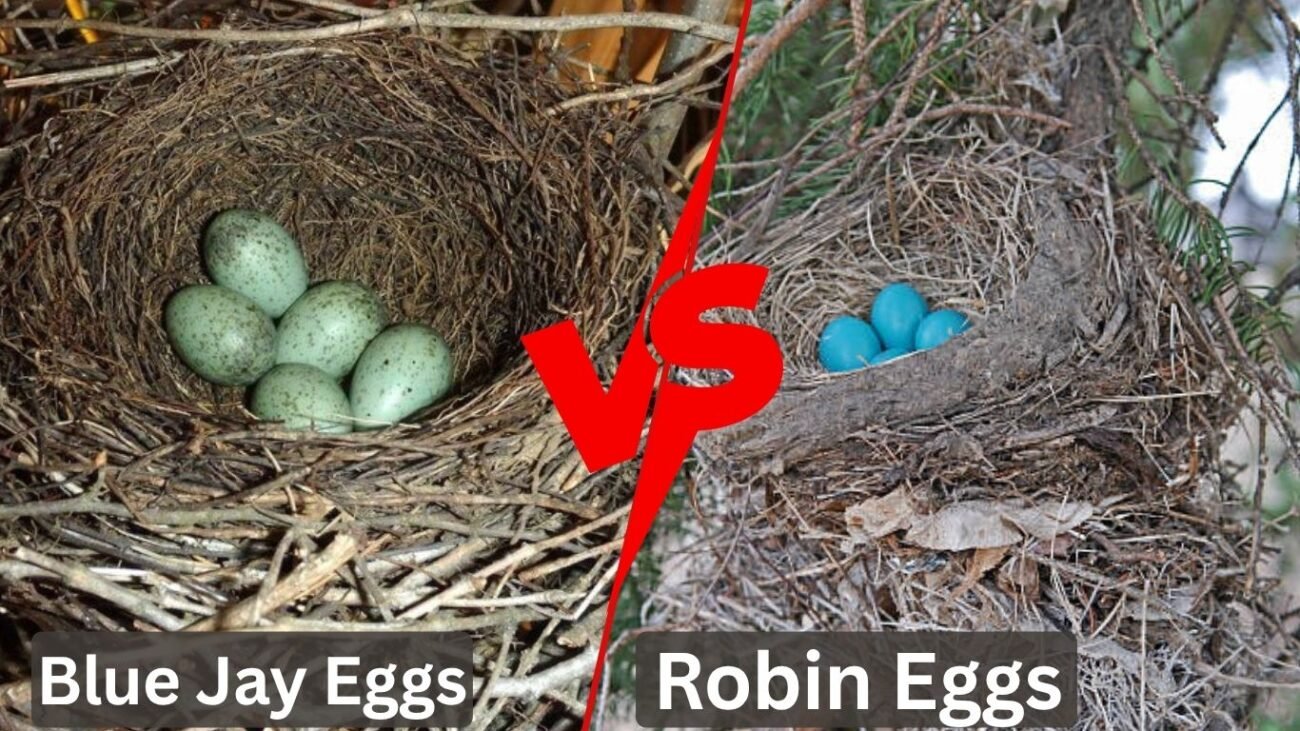
Blue Jay eggs are typically pale blue, light green, or sometimes off-white, marked with brown or gray speckles. The variation in color helps camouflage them within the nest, reducing the chance of predators spotting them. Unlike the bright, uniform blue of Robin eggs, Blue Jay eggs tend to have softer shades and speckled patterns.
Size and Shape Details
A Blue Jay egg measures about 1 inch long and 0.7 inches wide, making it medium-sized compared to other songbird eggs. They are oval-shaped with a slightly pointed end. The size is well-suited to the cup-shaped nests Jays build, providing enough space to hold several eggs without overcrowding.
How Blue Jay Eggs Differ From Other Bird Eggs
While many backyard birds lay colorful eggs, Blue Jay eggs stand out for their subtle coloring and speckled patterns. They are smaller than pigeon eggs but larger than sparrow eggs. Their adaptability in color, ranging from greenish-blue to grayish-white, reflects the Jay’s ability to blend its nest into various environments.
Blue Jay Eggs vs. Robin Eggs
Color Comparison
One of the most common comparisons is between Blue Jay and American Robin eggs. Robin eggs are famous for their vibrant “robin’s egg blue” hue, which is uniform and striking. In contrast, Blue Jay eggs are lighter and speckled, providing better camouflage against predators.
Nesting and Egg-Laying Differences
Robins usually lay their eggs in open cup nests built in trees, shrubs, or even ledges. Blue Jays also build cup nests, but theirs are sturdier and often higher in trees. Blue Jays may lay 3 to 6 eggs per clutch, while Robins typically lay 3 to 5.
Common Confusion Among Birdwatchers
Because both species nest in suburban areas and lay bluish eggs, it is easy for people to confuse them. However, close observation of color intensity and spotting patterns usually helps distinguish Blue Jay eggs from Robin eggs.
Egg-Laying Behavior of Blue Jays
How Many Eggs Do Blue Jays Lay at a Time?
A Blue Jay typically lays between 3 and 6 eggs per clutch. The number can vary depending on food availability, climate, and the age of the female. Larger clutches are more common in years with abundant resources.
How Many Times a Year Do They Lay Eggs?
Most Blue Jays raise one brood per year, but in favorable conditions, they may have a second. This often depends on whether the first brood fledges successfully and if the parents are in good health to attempt another nesting cycle.
When Do Blue Jays Lay Eggs (Season & Timing)?
Egg-laying usually begins in mid to late spring, between March and July. In warmer regions, the season may start earlier, while in northern climates, it begins later. The timing ensures that chicks hatch during periods of plentiful food such as insects, seeds, and berries.
Incubation and Hatching Period
How Long Do Blue Jay Eggs Take to Hatch?
Blue Jay eggs generally take 16 to 18 days to hatch. The female does most of the incubating, staying on the nest while the male gathers food and keeps watch. Both parents remain highly protective during this period, often chasing away other birds or animals.
Role of the Male and Female in Incubation
While the female spends most of her time warming the eggs, the male’s role is equally vital. He provides food to the female so she doesn’t have to leave the nest often. This teamwork ensures the eggs remain at a consistent temperature until hatching.
Care of Hatchlings After Hatching
Once the eggs hatch, the chicks are blind and featherless, relying entirely on their parents. Both male and female Blue Jays bring food—mainly insects and caterpillars at first—to help the hatchlings grow quickly. Within three weeks, the chicks are ready to fledge, though they may still depend on parental feeding for a while.
Blue Jay Nests and Eggs
Where Do Blue Jays Lay Their Eggs?
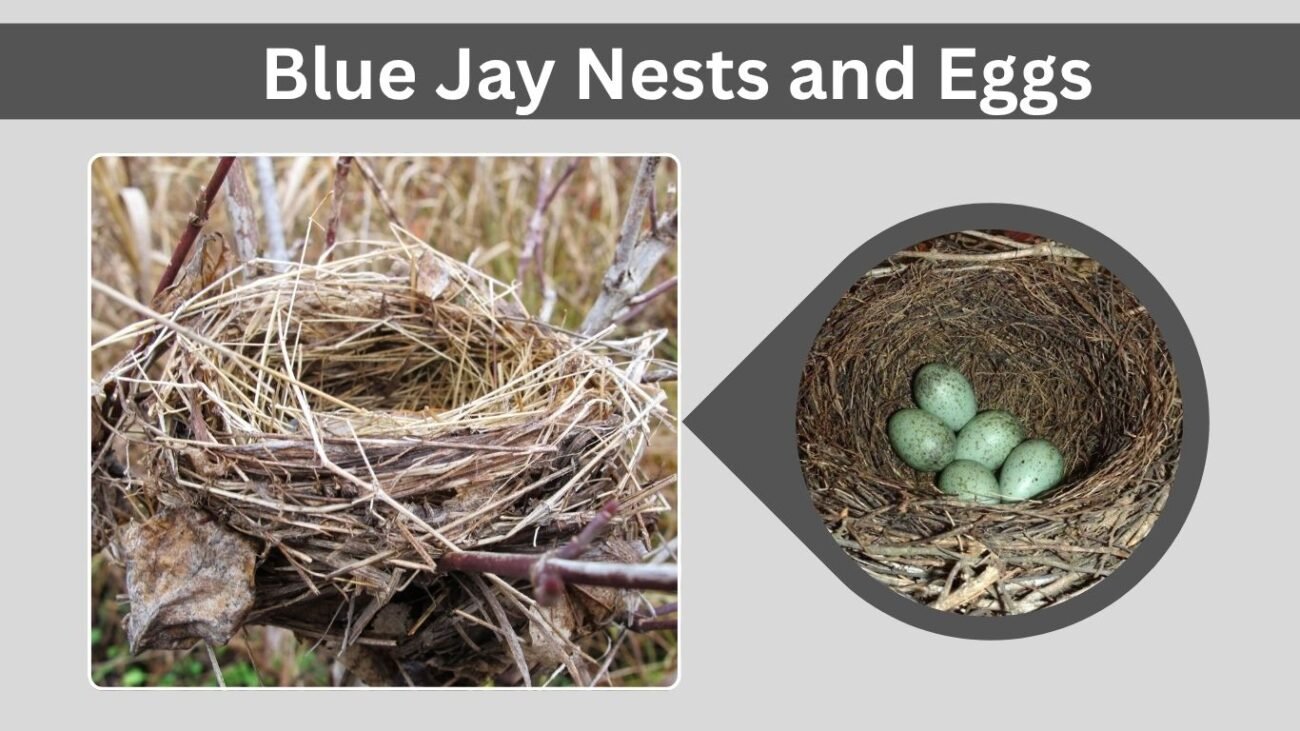
Blue Jays lay their eggs in nests built high in trees or large shrubs, usually 10 to 25 feet off the ground. They favor deciduous trees such as oaks, maples, and beeches but may also use pines. The height and dense foliage offer protection from predators and concealment for their eggs.
Eggs in Relation to Nest Size and Placement
The nests are cup-shaped, 7 to 10 inches wide, and lined with soft materials such as grass, moss, or feathers. The size is ideal for holding 3 to 6 eggs without overcrowding. Because Blue Jays may raise more than one brood in a year, building a well-placed, sturdy nest is crucial for successful egg development.
Protecting Eggs in the Nest
Blue Jays are highly protective of their nests. They guard eggs aggressively, often mobbing predators such as crows, squirrels, or even humans who venture too close. Their loud alarm calls and dive-bombing behaviors make it difficult for intruders to approach unnoticed.
Predators and Egg Threats
Do Blue Jays Eat Other Birds’ Eggs?
Blue Jays sometimes eat the eggs or nestlings of smaller birds. While this behavior has given them a reputation as nest robbers, it is not their primary food source. They are omnivores, and eggs become an opportunistic meal, especially in spring when they need protein for growing chicks.
Do Other Birds or Animals Steal Blue Jay Eggs?
Yes, Blue Jay eggs themselves are also at risk. Snakes, crows, raccoons, squirrels, and hawks may raid nests for eggs or young chicks. This constant threat explains why Jays build well-concealed nests and stay vigilant during the nesting season.
Defensive Behaviors Around the Nest
When under threat, Blue Jays band together, calling loudly and even attacking predators as a group. This mobbing behavior can successfully drive away intruders and is one reason their eggs have a relatively good chance of survival compared to less-defended species.
Human Interaction with Blue Jay Eggs
Why You Shouldn’t Take Blue Jay Eggs (Legal & Ethical Concerns)
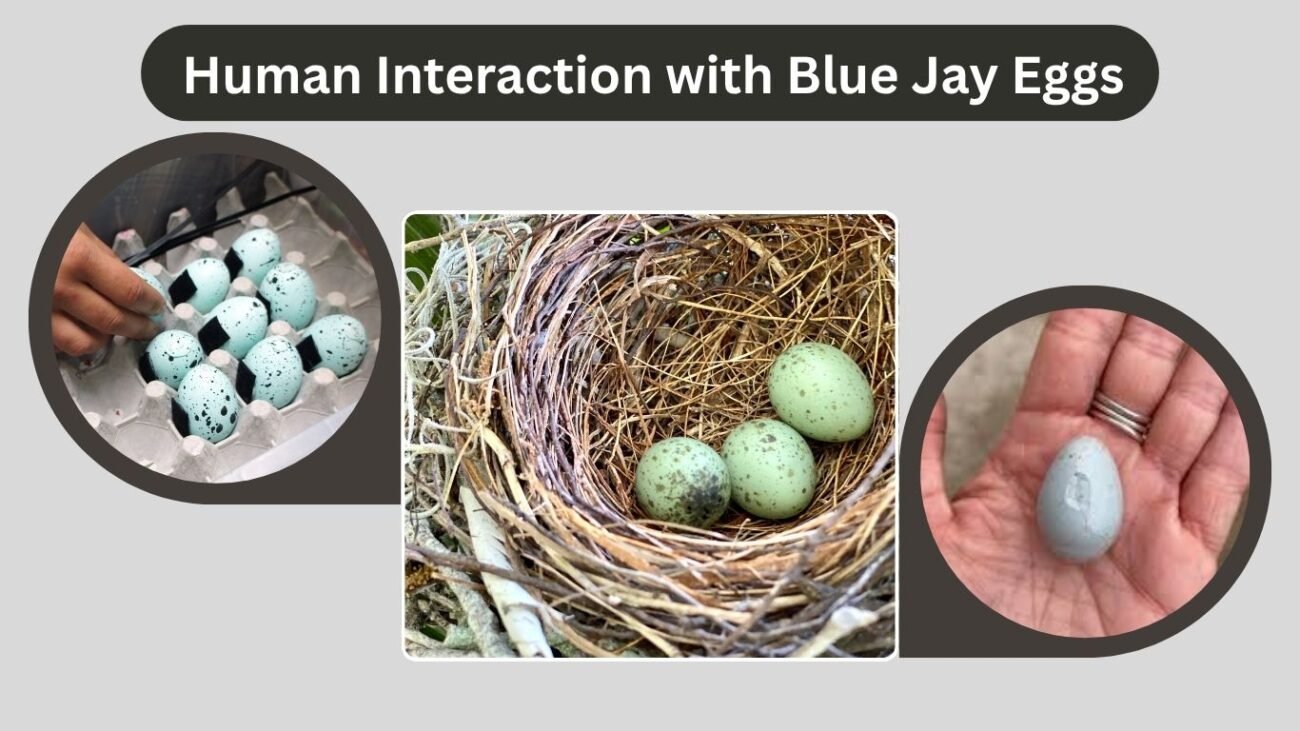
In many regions, it is illegal to take or keep Blue Jay eggs, as they are protected under the Migratory Bird Treaty Act. Beyond the legal issues, removing eggs from a nest severely impacts the parents and reduces the chances of survival for the species in that area.
Can Blue Jay Eggs Be Hatched in Captivity?
It is not recommended to attempt hatching Blue Jay eggs in captivity. They require precise incubation temperatures, frequent turning, and parental care once hatched. Without the natural care of adult Jays, survival rates are very low. Wildlife rehabilitators discourage the practice unless it’s part of licensed conservation work.
Caring for Found Eggs – What Experts Recommend
If you find a Blue Jay egg on the ground, it may be infertile or already abandoned. The best action is usually to leave it in place or place it gently back in the nest if you can locate it. Interference should be minimal, as parent Jays are best equipped to care for their eggs.
Fun Facts and Cultural Mentions
Blue Jay Eggs in Literature and Media
Blue Jay eggs sometimes appear in cultural references due to their delicate beauty. They symbolize fragility and new life in stories and artworks. Their speckled design is also admired in collections of natural history illustrations.
Odd Mentions (e.g., Life is Strange, Collectibles)
Beyond real life, Blue Jay eggs occasionally appear in pop culture. For example, in the video game Life is Strange, Blue Jay imagery is linked to symbolism about freedom and fragility. Collectibles, such as the 1985 Lefton China Nest Egg series, have also featured Blue Jays as decorative motifs, blending nature with artistry.
Key Takeaways
- Blue Jay eggs are pale blue, greenish, or grayish with speckles, measuring about 1 inch long.
- Jays lay 3 to 6 eggs per clutch, usually once a year, though sometimes twice.
- Eggs hatch in about 16 to 18 days, with the female incubating and the male providing food.
- Nests are built high in trees or shrubs, carefully concealed and strongly defended.
- Blue Jay eggs are protected by law and should never be collected or raised in captivity.
FAQs
What color are Blue Jay eggs?
Blue Jay eggs are usually pale blue, light green, or grayish-white, marked with brown or gray speckles. This camouflaged coloration helps them blend into the nest, reducing the risk of detection by predators.
How many eggs does a Blue Jay lay per clutch?
A Blue Jay lays 3 to 6 eggs in a single clutch. The exact number depends on food availability, climate, and the female’s health. Larger clutches are more common during years of abundant resources.
How long does it take for Blue Jay eggs to hatch?
Blue Jay eggs hatch in about 16 to 18 days. During this time, the female incubates the eggs almost constantly, while the male provides food and protection. Both parents become very territorial during incubation.
Do Blue Jays eat other birds’ eggs?
Yes, Blue Jays occasionally eat the eggs or nestlings of smaller birds, especially when protein is needed for growing chicks. However, this is not their main diet, which also includes acorns, seeds, berries, and insects.
When do Blue Jays lay eggs during the year?
Blue Jays lay eggs from March through July, depending on their location. In warmer southern regions, they may begin earlier in spring, while in northern climates, egg-laying typically starts later.


