Female finches may not boast the bright colors of their male counterparts, but they’re equally fascinating and vital in the bird world. From the streaked brown tones of the female house finch to the soft olive of a goldfinch, each species has unique markings and habits. This guide explores how to identify female finches, distinguish them from similar species, and understand their behavior, nesting, and mating patterns.
Understanding Female Finches

General Identification (List Format)
- Coloration: Females have brown, gray, or buff plumage—less vibrant than males.
- Size: Usually smaller and slimmer than male finches.
- Markings: Subtle streaks or speckles across the chest and flanks.
- Beak Shape: Short, thick, conical beak ideal for cracking seeds.
- Face Pattern: Plainer facial features with faint eyebrow lines.
- Behavior: Quieter, less territorial, focused on nesting and feeding.
- Camouflage: Duller tones help blend into trees and shrubs while nesting.
- Habitat: Common in gardens, feeders, parks, and forest edges.
- Vocalization: Softer chirps or contact calls; males sing more frequently.
Male vs Female Finch Comparison
The most noticeable difference between male and female finches lies in color. Males flaunt brighter hues to attract mates, while females rely on neutral coloring for safety during nesting. For instance, male house finches have vibrant red heads and breasts, whereas females are uniformly streaked brown. In goldfinches, males glow in bright yellow during summer, while females stay olive-gray year-round. Behavioral cues also differ: males sing frequently and defend territories; females build nests and incubate eggs.
Female House Finch

Appearance and Markings
The female house finch has a soft brown body covered in blurry streaks, with no red coloring like the males. Her face appears plain, with a light eyebrow line and a faintly streaked chest. These birds have short, slightly curved beaks perfect for cracking seeds. Young females and juveniles often resemble adults but with paler streaks. You can spot them perched on feeders, fences, or shrubs, blending easily into their surroundings.
Behavior and Song
Female house finches are active and social, often found in small flocks. Unlike the males’ melodious warble, the female’s song is softer and less frequent. They play a major role in nest construction, usually choosing sheltered spots in trees, hanging planters, or even building ledges. The female lays 3–6 pale blue eggs with light speckling and incubates them for about two weeks. During this time, the male feeds her and guards the nest from predators.
Common Comparisons
Female House Finch vs Sparrow
At first glance, a female house finch can resemble a sparrow. However, finches have longer tails with a slightly notched tip, while sparrows have shorter, more rounded tails. Finches show consistent streaking across their chest and flanks, unlike sparrows whose streaks often stop near the belly. The beak shape is another giveaway—finches have thicker, conical beaks suited for seeds.
Female House Finch vs Female Cardinal
Female cardinals are larger and sport warm tan bodies with hints of red on wings and crest. Their long crest and bright orange beak distinguish them clearly from the house finch’s smaller, streaked frame. Cardinals also prefer dense shrubs, while finches frequent open yards and feeders.
Female House Finch vs Purple Finch
The purple finch female appears chunkier, with more distinct facial markings, including a bold white eyebrow and darker cheek stripe. Her streaks are cleaner and more defined compared to the blurred streaking of a house finch. In sunlight, purple finches may appear slightly olive-gray, while house finches stay brownish.
Female Purple Finch
Identification Traits
The female purple finch is one of the easiest to recognize among northern finches. She has heavy brown streaks across a whitish belly and a bold white eyebrow that contrasts with a dark cheek patch. Her bill is strong and slightly curved, and her head appears large compared to her body. Unlike house finches, purple finches have a more defined “face mask” look. When foraging, they prefer coniferous or mixed forests, feeding on seeds and buds.
Male vs Female Purple Finch

Male purple finches glow with raspberry-red plumage covering their head and chest, but females remain brown-streaked with sharp contrast lines. During courtship, males sing elaborate songs, often fluttering their wings and feeding females as a bonding ritual. Females are quieter but take charge of nest placement and incubation. They usually nest in evergreens, creating tidy cup-shaped nests lined with grass and feathers.
Similar Species Comparison
Female Purple Finch vs Female House Finch
While both have streaked patterns, purple finches look cleaner and bolder. The white eyebrow and darker ear patch on the purple finch make it stand out. House finches appear duller with fuzzier streaking and a longer tail. Habitat also helps—purple finches prefer wooded areas, while house finches thrive in suburbs.
Female Purple Finch vs Female Rose-breasted Grosbeak
These two can confuse even seasoned birders. Female grosbeaks are larger and have heavier bills. They display a strikingly white eyebrow and a bold, streaked chest. However, grosbeaks show a distinct yellow wash under the wings and a thicker, more powerful beak compared to the slimmer-billed purple finch.
Female Goldfinch and Yellow Finches
Color and Seasonal Changes
Female goldfinches are olive-brown or dull yellow with no black cap or bright golden tone like males. Their color brightens slightly during summer but remains subdued compared to males’ vibrant yellow. In winter, both sexes turn drab brown, making them harder to tell apart. Female yellow finches follow similar seasonal patterns—females stay muted to blend with dried grasses and shrubs during colder months.
Behavior and Nesting
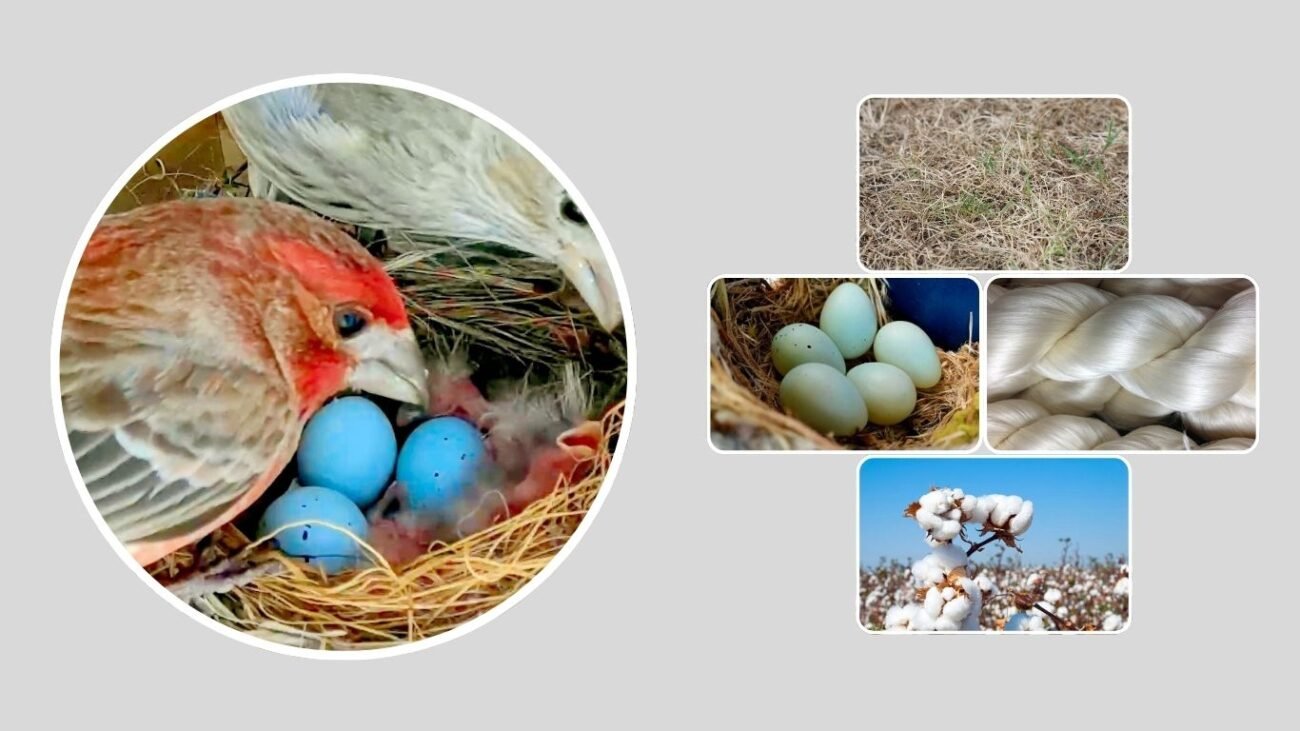
Female goldfinches are late nesters, often building their nests in midsummer when thistle seeds are abundant. Their nests are tightly woven cups made of grass, fibers, and spider silk. Females handle most of the incubation duties, while males bring food. Goldfinches are strict vegetarians, feeding primarily on seeds from sunflowers, dandelions, and thistles. The muted coloration of the female helps her stay camouflaged during this period, keeping her and the eggs safe from predators.
Comparing Yellow Finches
When comparing yellow finch males and females, the difference lies in brightness. Males shine with vivid golden-yellow feathers during the breeding season, whereas females remain pale with olive or brownish tones. Some birdwatchers mistake female yellow finches for juveniles due to their subtle color. Interestingly, after molting in winter, both sexes look nearly identical, which makes identification harder outside of the breeding months.
Female Zebra Finch and Exotic Species
Zebra Finch Female Traits
The female zebra finch is less colorful but charming in her simplicity. She lacks the bright orange cheek patches seen in males and has a soft gray body with a lighter belly. Her beak is orange rather than red, and she does not have the distinct black breast band males display. Despite her understated looks, she plays a vital role in pair bonding and raising chicks, often engaging in mutual preening and nesting behaviors with her mate.
Gouldian, Lady Gouldian, and Bengalese Finches
Among exotic finches, Gouldian and Lady Gouldian finches are renowned for their striking beauty. Females, however, have duller shades compared to the males’ vivid green, red, and blue hues. In Bengalese finches (also known as society finches), males and females look very similar, but males are more vocal and sing to court females. Behavior often becomes the key to identifying sex in these species rather than plumage alone.
Long-Tail Finch and Australian Varieties
The long-tail finch displays only subtle gender differences. Males have slightly brighter facial markings and a deeper-colored bill. Australian zebra finches also show similar dimorphism—the males sing and have more vivid cheek patches, while females remain gray. Observing behavior such as singing and courtship displays is often the best clue to identify males and females among these pet and aviary species.
Red Finches and Color Variations
Are Red Finches Male or Female?
Red finches, such as the house finch and purple finch, exhibit strong sexual dimorphism. The red coloration is exclusive to males, caused by carotenoid pigments from their diet. Females lack these pigments, resulting in brown or gray plumage. Therefore, any finch showing red on the head or chest is typically male, while the brown, streaked birds you see at feeders are almost always female.
Red House Finch and Red-headed Finch
The red-headed finch, found in Africa, follows similar patterns. Males have vivid red heads and chests, while females appear grayish-brown. In red house finches, males vary in shade from deep crimson to orange depending on diet quality, but females remain streaky and dull. Observing the intensity of color can even indicate male health and attractiveness—an evolutionary signal to females during mate selection.
Female Finches vs Other Birds

House Finch vs Sparrow
Female house finches and sparrows are easily confused due to their similar brown coloration. The main difference lies in their beak shape and streaking. Finches have thicker, conical beaks, while sparrows’ beaks are smaller and more triangular. Sparrows also display a warm brown back with gray underparts, whereas finches have continuous streaks across their entire body. Finches’ songs are musical and warbling; sparrows’ chirps are simpler and repetitive.
House Finch vs Song Sparrow
The single sparrow has bolder, crisper streaks and a distinctive dark spot in the center of its breast. The female house finch lacks this spot and has blurrier streaking. Also, sparrows have longer tails and prefer brushy, wet habitats, while house finches often gather around human settlements, feeders, and gardens.
House Finch vs Cardinal
A female cardinal is significantly larger, with a distinct crest on her head and warm tan plumage tinged with red on wings and tail. Her bright orange beak is a clear giveaway. By contrast, a female house finch has no crest, smaller size, and a lighter, streaked appearance. Cardinals also produce more complex calls compared to finches’ shorter chirps.
Mating, Nesting, and Lifespan
Mating Rituals
During the breeding season, males court females with elaborate songs and feeding displays. In species like the zebra finch, the male performs small hopping dances. Females judge mates based on song quality, health, and food offerings. Once paired, many finch species remain monogamous for at least one breeding cycle.
Nesting and Raising Young
Females are the primary architects of the nest. Using grasses, feathers, and twigs, they build cup-shaped nests in trees, shrubs, or sheltered spots. After laying 3–6 eggs, the female incubates them for around 12–14 days. Once hatched, both parents feed the chicks a mix of seeds and soft insects. Fledging typically occurs within three weeks.
Lifespan and Predators
In the wild, finches live about 5 to 10 years, depending on species and environment. Common predators include snakes, jays, hawks, and domestic cats. Their muted female coloring acts as natural camouflage, helping them blend into foliage while nesting and protecting their young.
Key Takeaways
- Female finches are duller in color but crucial for nesting and raising chicks.
- House finches have blurry streaks, while purple finches show bolder facial patterns.
- Female goldfinches are olive-gray and change slightly by season.
- Zebra and Gouldian females can be identified by behavior and beak color.
- Understanding color and streaking patterns helps distinguish them from sparrows or cardinals.
FAQs
What does a female house finch look like?
A female house finch is brown with fine streaks across her chest and sides. Unlike the red males, she has no bright coloring. Her plain face and subtly curved beak help her blend into surroundings, especially while nesting.
How can you tell a male and female finch apart?
Males are colorful—red, yellow, or purple—while females are brown or gray with streaks. Males often sing and display during mating season, whereas females focus on nesting. Beak color and body size can also give hints in some finch species.
Do female finches sing?
Female finches sing less often than males, and their songs are simpler. While males use songs for attracting mates and defending territory, females occasionally vocalize soft calls to communicate with their partners or chicks.
Are red finches always male?
Yes, in most species, red coloration is a male trait caused by pigments from food sources like berries and seeds. Females lack these pigments and therefore appear brownish or gray. Brightness in red plumage often indicates a healthier, better-fed male.
What’s the main difference between a female finch and a sparrow?
Sparrows are chunkier with short tails and bolder patterns, while female finches are slimmer with longer tails and smooth streaks. The finch’s thick beak is designed for seed cracking, whereas sparrows have a smaller, triangular beak suited for mixed diets.