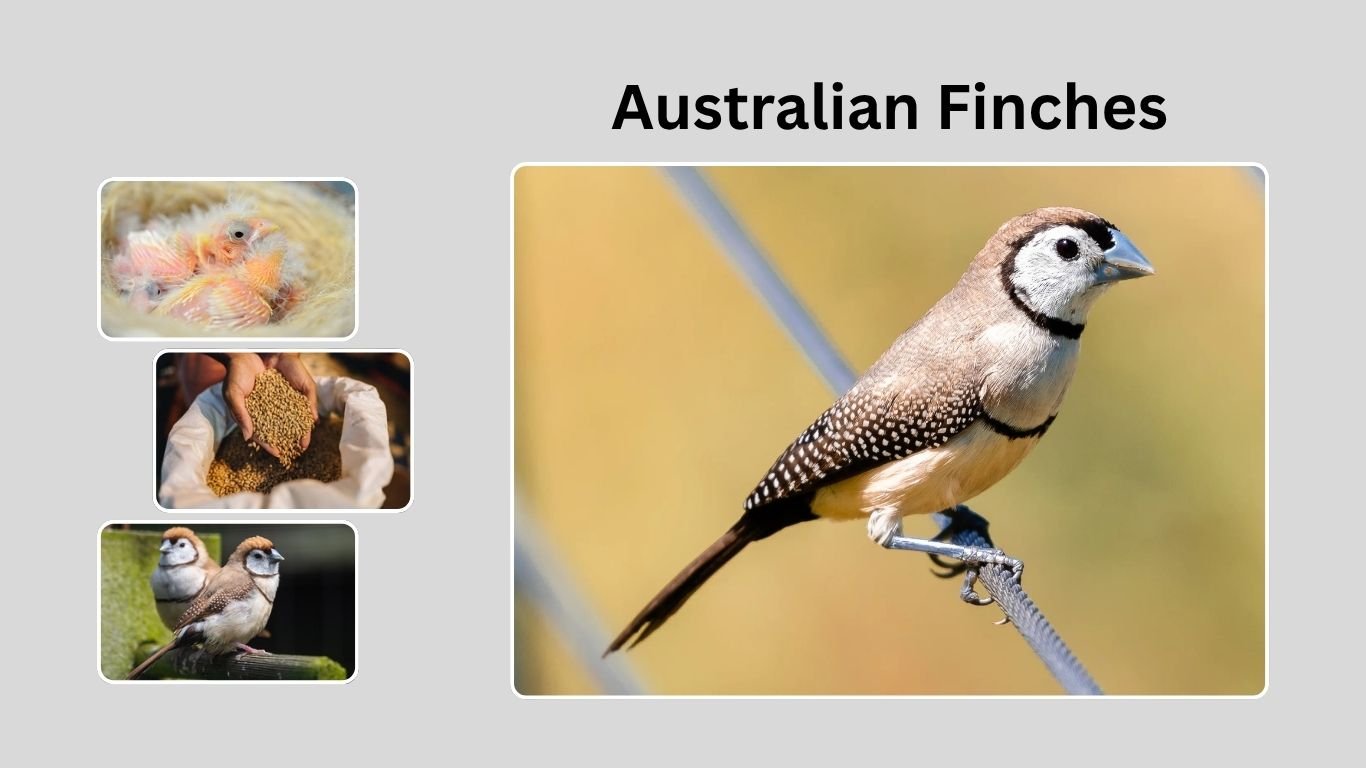
Finches are among the most charming and adaptable small birds, admired for their colorful plumage and melodic songs. From house finches nesting on porches to goldfinches weaving soft grass cups in trees, these birds display fascinating nesting habits. Understanding how finches build, protect, and raise their young offers a glimpse into their resilience and resourcefulness in both wild and urban settings. Let’s explore the world of finch nesting in detail.
Understanding Finch Nests
What Does a Finch Nest Look Like?
Finch nests are small, cup-shaped structures built using fine grasses, feathers, rootlets, and even bits of fabric or paper. Most nests are around 3 to 7 inches in diameter, depending on the species. The inside is soft and insulated for eggs, while the outer layers are woven tightly for stability. Some finches, like zebra finches, prefer domed nests with side entrances, while wild house finches often create open cups nestled in sheltered areas.
Common Finch Nest Locations
Finches are remarkably adaptable in choosing nesting spots. Wild finches often select shrubs, trees, vines, or cactus branches, while urban finches frequently use manmade structures such as hanging planters, porch lights, wreaths, and window ledges. House finches are particularly famous for nesting close to human dwellings, finding safety and warmth near people. These nests are typically hidden but easily spotted once you know their compact, grassy appearance.
House Finch Nests – A Closer Look
Where Do House Finches Nest?
House finches are highly flexible nesters and can thrive in almost any environment. They prefer sheltered spots where predators can’t easily reach, such as hanging plants, porch beams, or eaves of houses. In the wild, they might choose evergreen trees, cacti, or thick shrubs. Once a pair settles on a site, they often return to the same location in future breeding seasons if the nest remains safe.
What Does a House Finch Nest Look Like?
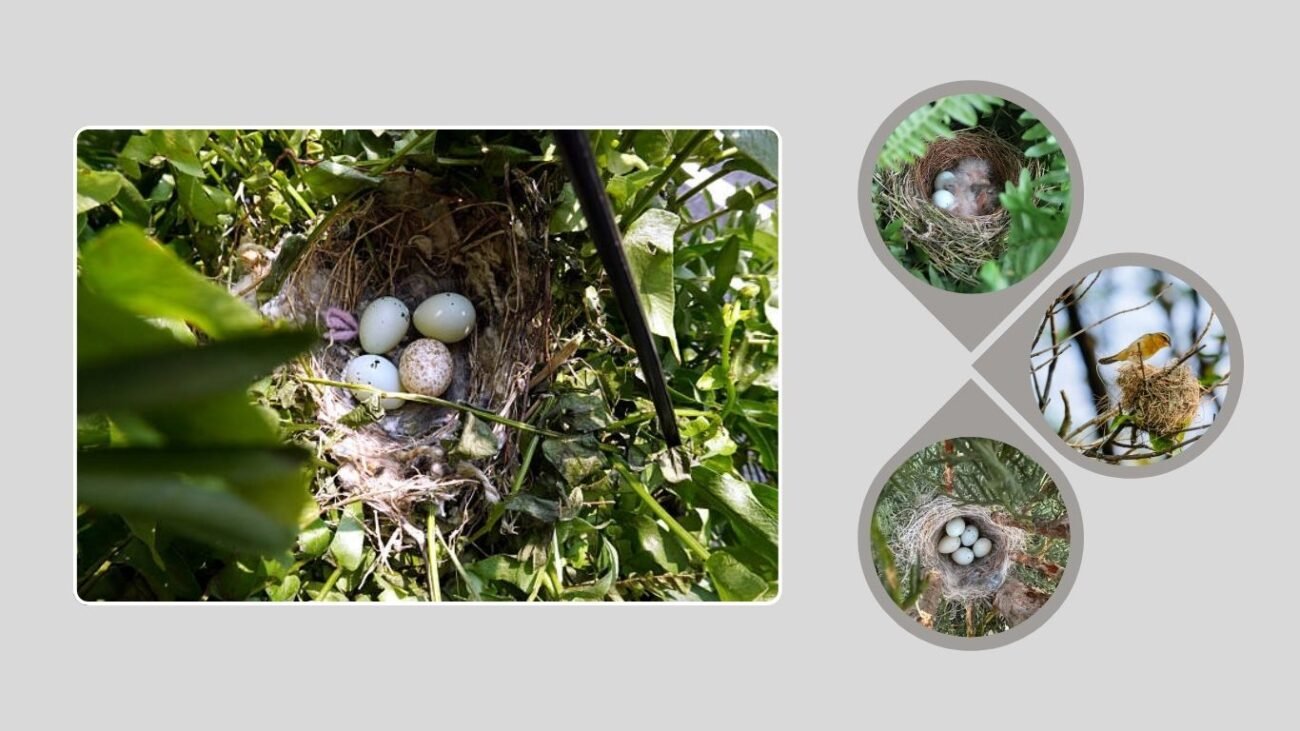
A typical house finch nest is a neat, cup-shaped structure about 3–6 inches wide and 2 inches deep. The base is made of twigs, leaves, and roots, while the inner cup is lined with soft materials like feathers, animal hair, or string. Female finches are the primary builders, and they can complete the nest in as little as three to six days. Each nest is positioned to minimize wind and rain exposure, ensuring warmth for the eggs.
House Finch Nesting Season
House finches begin nesting in early spring, typically between March and August, depending on climate. In warmer regions, they may even nest earlier or raise multiple broods in a season. During this period, you might observe increased activity near porches or hanging plants as pairs scout for nesting sites. The female usually lays 3–6 pale blue eggs, which hatch after about two weeks of incubation.
Finch Species and Their Nesting Differences
Goldfinch Nests
Goldfinches are late-season nesters, usually building their nests in mid-summer when soft plant fibers and thistle down are abundant. Their nests are delicate, cup-shaped, and tightly woven from grasses, spider silk, and plant fibers, often perched high on shrubs or small trees. These nests are so well-built that they can even hold water without leaking—a unique trait among small songbirds.
Purple and Red Finch Nests
Purple and red finches typically build their nests in evergreens, orchard trees, or dense shrubs. The structure is made from fine twigs, moss, rootlets, and lined with hair or feathers. These nests are usually placed 6–20 feet above ground for safety. Female purple finches handle most of the construction work while the males assist in gathering materials and guarding the site.
Zebra and Exotic Finch Nests
Zebra finches and other exotic species, such as Java and Cordon Bleu finches, create dome-shaped nests with side entrances. In captivity, they readily accept nest boxes filled with coconut fiber, hay, or soft grasses. These birds are known for their teamwork—both male and female participate in nest construction. Unlike wild finches, pet zebra finches can breed year-round under suitable indoor conditions, often using the same nest repeatedly.
Finch Nesting Behavior and Habits
How Finches Build Their Nests
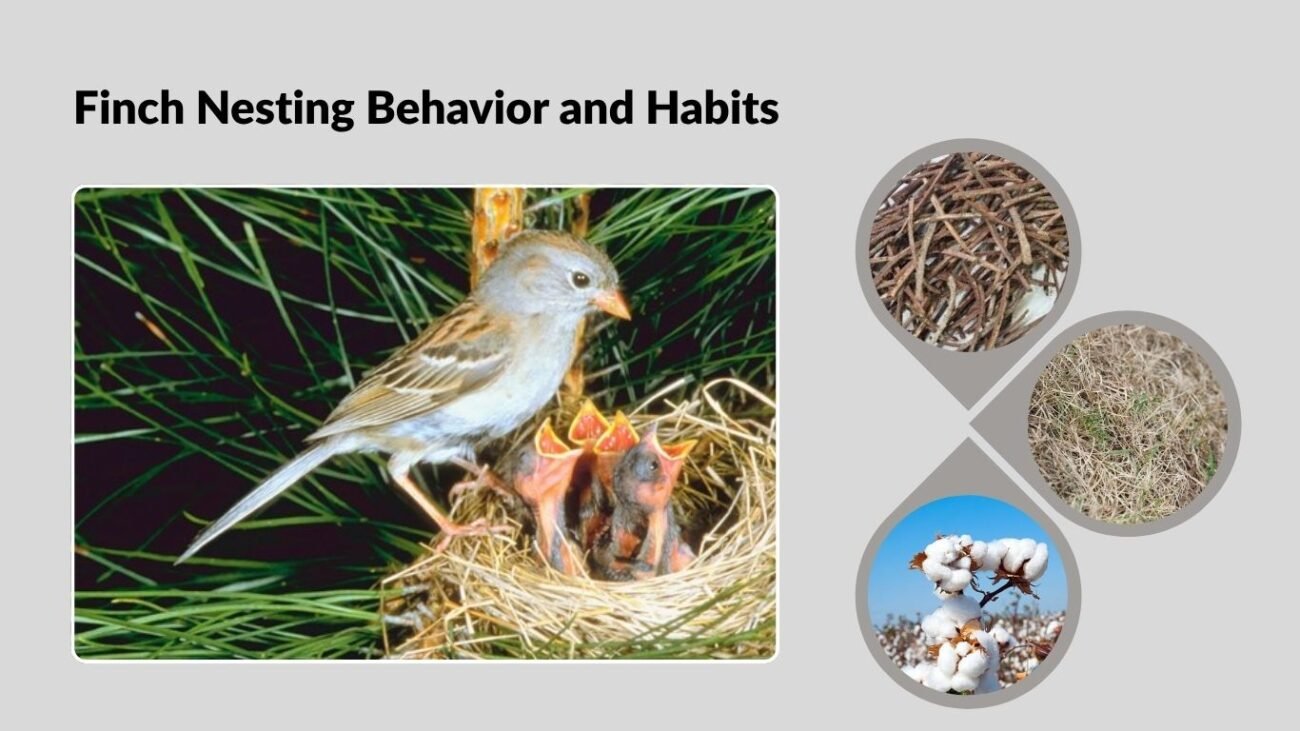
Finches are skilled builders with instinctive precision. The female does most of the weaving, while the male assists by collecting materials. They prefer light, flexible materials like grass, bark strips, feathers, and cotton fibers. A complete nest may take anywhere from three days to a week. Once finished, the nest becomes the secure foundation where eggs are laid and young are raised with great care.
Do Finches Reuse Nests?
Most finches prefer building a new nest for every breeding season. However, some species—especially house finches—might reuse an old nest if it remains intact and parasite-free. Reusing nests can save time, but it also poses risks like mite infestations or structural weakness. Responsible homeowners who spot a reused nest should avoid disturbing it, as it may still be active or under observation by the same finch pair.
Finch Nesting Season Timeline
The nesting process typically follows a structured cycle. After selecting a site, the pair spends several days constructing the nest. The female then lays three to six eggs, which she incubates for about two weeks. Once hatched, the chicks remain in the nest for 12–19 days before fledging. During this time, both parents diligently feed and protect their young, ensuring steady growth until they can fly independently.
Eggs and Raising Baby Finches
Finch Eggs – Color, Size, and Number
Finch eggs are small, oval, and range from pale blue to white with light brown speckles, depending on the species. A typical clutch contains 3–6 eggs. The female incubates them while the male provides food and guards the nest. After hatching, both parents share feeding duties, offering seeds, soft greens, and insects to nourish their chicks until they fledge.
How Long Do Finches Stay in the Nest?
Baby finches grow quickly and are usually ready to leave the nest within two to three weeks. In house finches, the fledglings typically depart after 12–19 days. Once they leave, the parents continue to feed them for another week while teaching them to forage. Many finches raise multiple broods in a single season, reusing or rebuilding nests nearby.
Nesting Materials and Building Supplies
Best Nesting Material for Finches
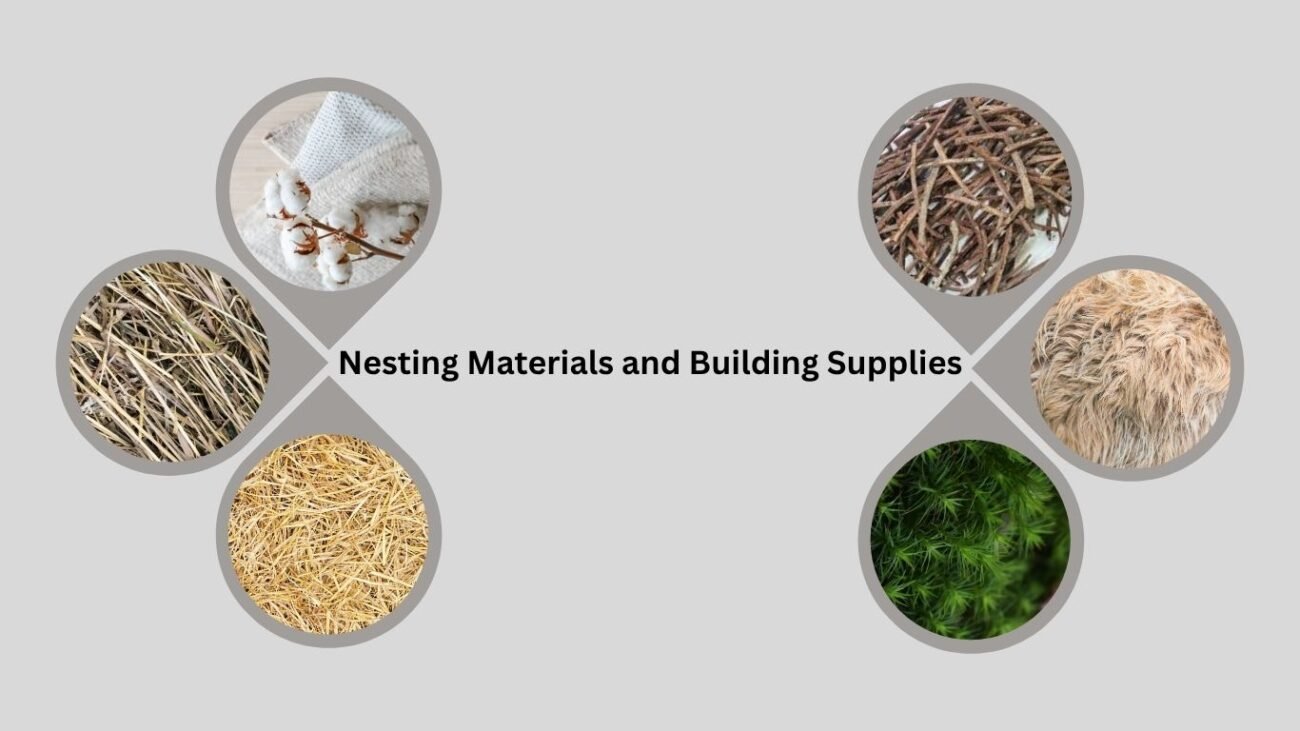
Finches select lightweight, flexible materials that ensure comfort and insulation. Common choices include dried grass, straw, coconut fiber, moss, animal hair, and feathers. Pet owners can safely offer materials like shredded paper or soft cotton. Avoid synthetic fibers or long strings, as these can tangle around chicks. Natural materials mimic the wild environment and encourage healthy nesting behavior in captive birds.
DIY Finch Nest and Nest Box Ideas
Creating a finch-friendly nesting box is simple and rewarding. A small wooden or bamboo box with an entrance hole of about 1.5 inches works best. Place it in a quiet, shaded location protected from rain and predators. Fill the inside with dry grass or coconut fiber. For zebra or house finches kept as pets, hanging wicker baskets or nest domes are excellent options. Always ensure adequate ventilation and cleanliness between nesting periods.
Human Interaction and Conservation
Helping Finches Nest Safely
Humans can play a vital role in protecting nesting finches. Providing safe, undisturbed spaces around gardens or porches allows these birds to thrive. Avoid trimming trees or moving hanging baskets during nesting season. Installing a small birdbath nearby and offering natural materials can attract finches to nest in your yard. Reducing pesticide use also supports a healthy insect supply, crucial for feeding chicks.
Can You Move a Finch or House Finch Nest?
It’s generally illegal and unsafe to move active bird nests, especially those with eggs or chicks, as finches are protected under wildlife laws in many regions. If a nest poses a safety hazard—for example, blocking a doorway—wait until the chicks have fledged before removing it. Inactive nests can be relocated or cleaned out to encourage future nesting in safer locations.
Parasitic Nesting and Threats
Cowbird Eggs in Finch Nests
Brown-headed cowbirds are known for laying their eggs in other birds’ nests—a behavior called brood parasitism. When this occurs in finch nests, the cowbird chick may outcompete finch chicks for food and parental care. House finches, being non-aggressive, usually accept the foreign egg, often leading to fewer surviving finch hatchlings. Monitoring and safely removing parasitic eggs (where legal) can help local finch populations thrive.
Natural Predators and Nest Dangers
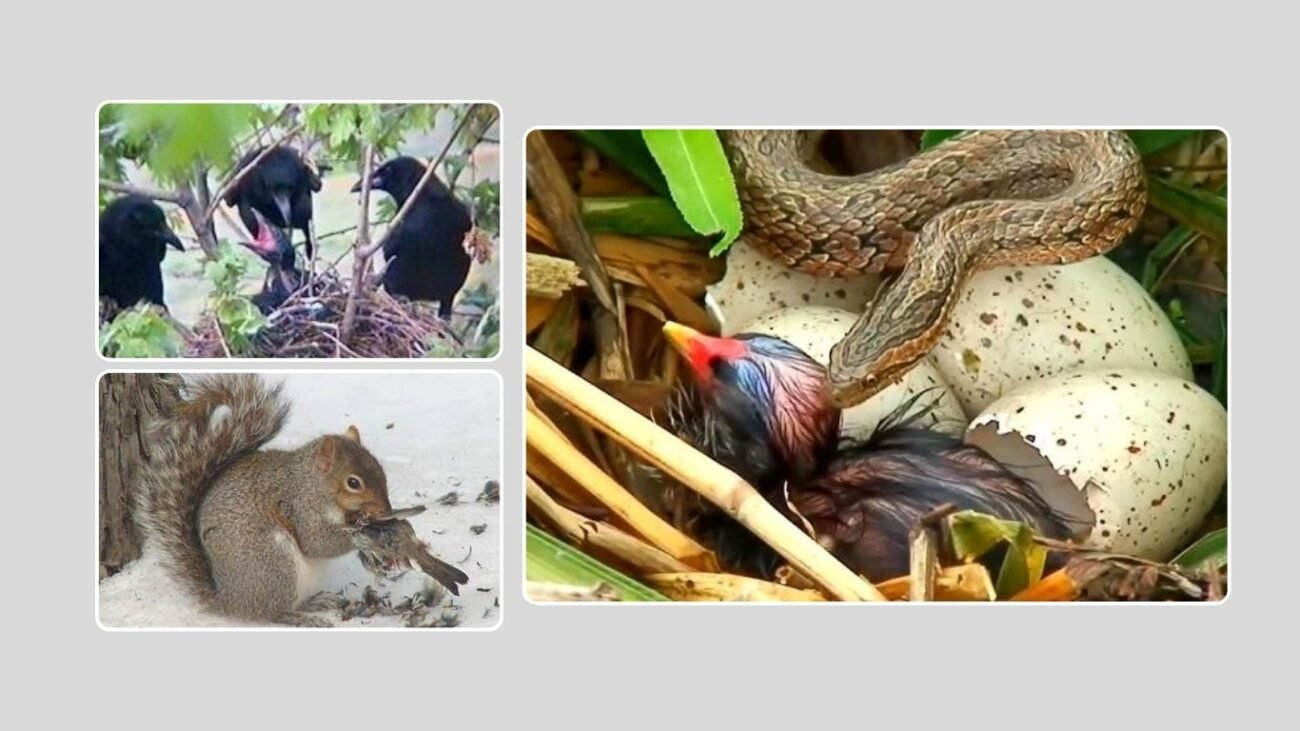
Finch nests face numerous natural threats. Predators like snakes, crows, squirrels, and cats often target eggs or chicks. Harsh weather and human interference can also destroy nests. To minimize risk, finches instinctively choose sheltered or camouflaged sites. Homeowners can help by keeping pets away from active nests and providing nearby cover plants or trees for protection.
Key Takeaways
- Finch nests are small, cup-shaped, and made of soft natural materials.
- House finches often nest near human dwellings such as porches or hanging baskets.
- The nesting season usually lasts from early spring through late summer.
- Baby finches remain in the nest for about two to three weeks before fledging.
- Creating a safe environment encourages repeat nesting and supports local bird populations.
FAQs
Where do house finches build their nests?
House finches build nests in sheltered spots close to human activity, such as porches, hanging plants, or wreaths. They also nest in trees and shrubs, preferring areas protected from wind and predators.
How long do baby finches stay in the nest?
Baby finches stay in the nest for 12–19 days after hatching. During this time, both parents feed and protect them until they are ready to fly and begin learning to forage independently.
Do finches reuse their old nests?
Some finches, especially house finches, reuse old nests if they remain sturdy and clean. However, most species prefer building new ones to reduce the risk of parasites and disease buildup.
What materials do finches use for their nests?
Finches use grass, twigs, feathers, rootlets, and other soft fibers. Pet finches also appreciate materials like coconut fiber, soft hay, or tissue paper for comfortable, safe nesting.
When is finch nesting season?
Finch nesting season typically begins in early spring and extends through late summer. In warmer areas, some finches may nest earlier or raise two to three broods in a single season.