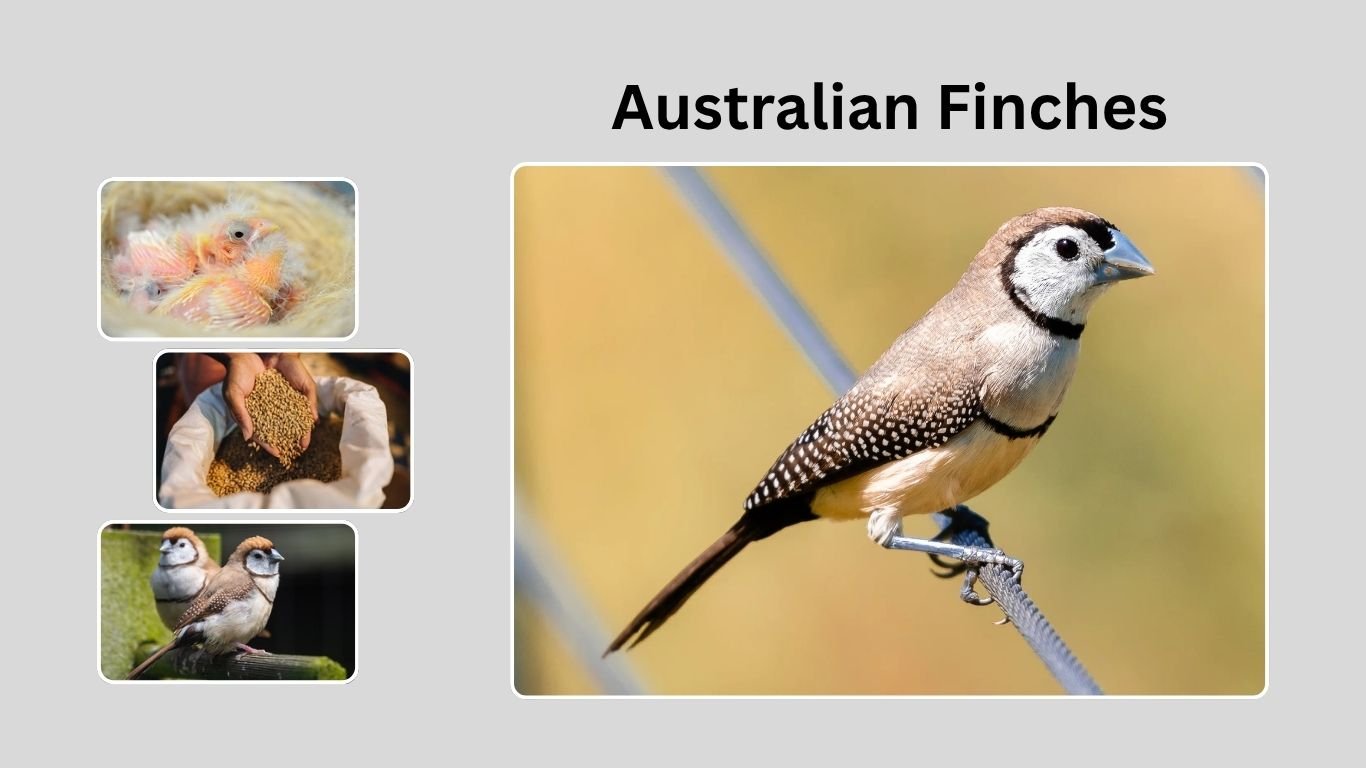
Baby finches are tiny, fragile birds that rely completely on their parents during the first few weeks of life. From the moment they hatch, these chicks grow rapidly—developing feathers, learning to chirp, and eventually taking their first flight. Whether it’s a House Finch, Gouldian Finch, or Zebra Finch, understanding each stage of growth helps bird enthusiasts, breeders, and rescuers provide proper care, food, and support during the bird’s early life.
Understanding Baby Finches
What is a Baby Finch?
A baby finch, also known as a chick, hatches blind, featherless, and entirely dependent on its parents for warmth and food. At birth, the chick weighs just a few grams and is often pink or gray in color. During the first few days, parents keep the chicks warm by brooding and feed them softened food through regurgitation. These early days are crucial for the chick’s survival and development.
Common Finch Species
Several species of finches are known for their unique behaviors and colorful appearances.
- House Finch Babies: Common in North America, they are known for nesting near homes and buildings.
- Gouldian Finch Babies: Native to Australia, these chicks are famous for their vividly colored mouths, which help parents feed them in dim nests.
- Zebra Finch Babies: Popular among bird breeders, they are small, hardy birds that reproduce quickly.
- Purple Finch Babies: These birds have a distinctive reddish hue once mature but begin life with duller, grayish tones.
Each species has different nesting and feeding habits, but all share similar growth stages in their early days.
Baby Finch Identification

Physical Characteristics
Identifying a baby finch can be fascinating for bird watchers and breeders alike. At birth, finch chicks have closed eyes, translucent pink skin, and soft down feathers. Their wide, yellowish mouths are designed to signal parents during feeding time. The beak is soft and pale but gradually hardens and darkens as they grow.
In Gouldian finches, the mouth has reflective spots—natural “targets” that glow under low light, helping parents accurately feed their chicks in dark nests. This biological adaptation is unique among finches and ensures every chick gets fed.
Color Changes and Growth
As days pass, baby finches develop grayish down feathers, which later transition into more vibrant adult plumage. The rate of color development varies by species. For example, House Finches gain reddish or brown tones as they mature, while Gouldian Finches display vivid greens, blues, and yellows. Around the 7th to 10th day, their eyes open, feathers emerge, and they start responding actively to parental calls.
Growth and Development Stages
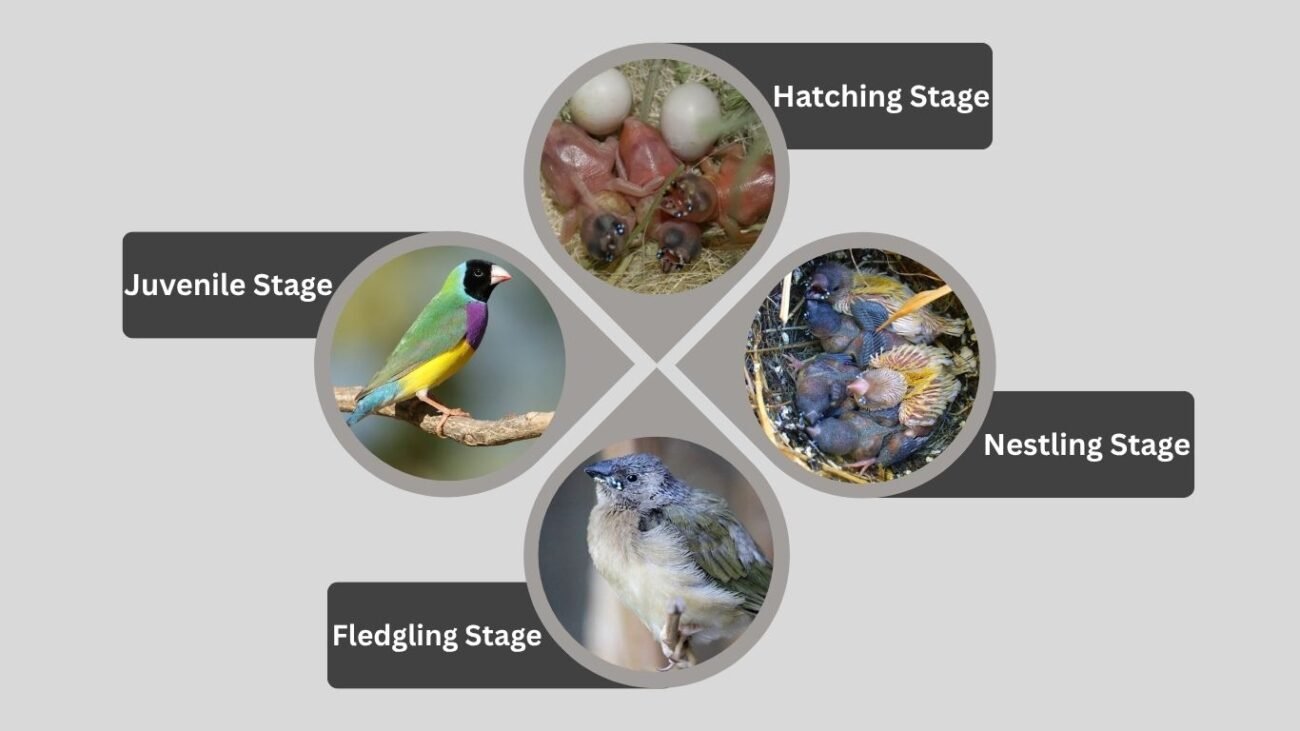
Hatching Stage (0–3 Days)
The hatching stage marks the most vulnerable period in a finch’s life. The chicks hatch after 12–14 days of incubation. At this point, they are blind and featherless, relying completely on the warmth of the parent bird’s body. Parents feed them by regurgitating pre-digested seeds and insects. Frequent feeding—every 15 to 30 minutes—is essential to provide the protein and moisture they need to survive.
Nestling Stage (4–10 Days)
By day four, baby finches become more active, and their eyes start to open. Feathers begin growing from tiny quills, and the chicks can now lift their heads to beg for food. Both parents continue to feed the nestlings soft, nutrient-rich food throughout the day. The nest remains warm and clean, as adults remove waste to prevent disease and maintain hygiene.
Fledgling Stage (11–20 Days)
This is the period when young finches grow their first true feathers and start exercising their wings. They spend time hopping within the nest and stretching their wings to build strength. Around day 14–18, they typically leave the nest, though parents continue to feed them for another week or two. The fledglings’ tails and wings develop fully during this stage, preparing them for independent flight.
Juvenile Stage (3–6 Weeks)
Once the chicks have fledged, they become juveniles—learning to fly, forage, and communicate. Their feathers continue to grow thicker, and they begin eating seeds independently. Parents may still feed them occasionally but focus more on teaching survival skills, such as identifying food sources and avoiding predators. At around six weeks, they are capable of living independently.
Feeding Habits of Baby Finches
What Do Baby Finches Eat?
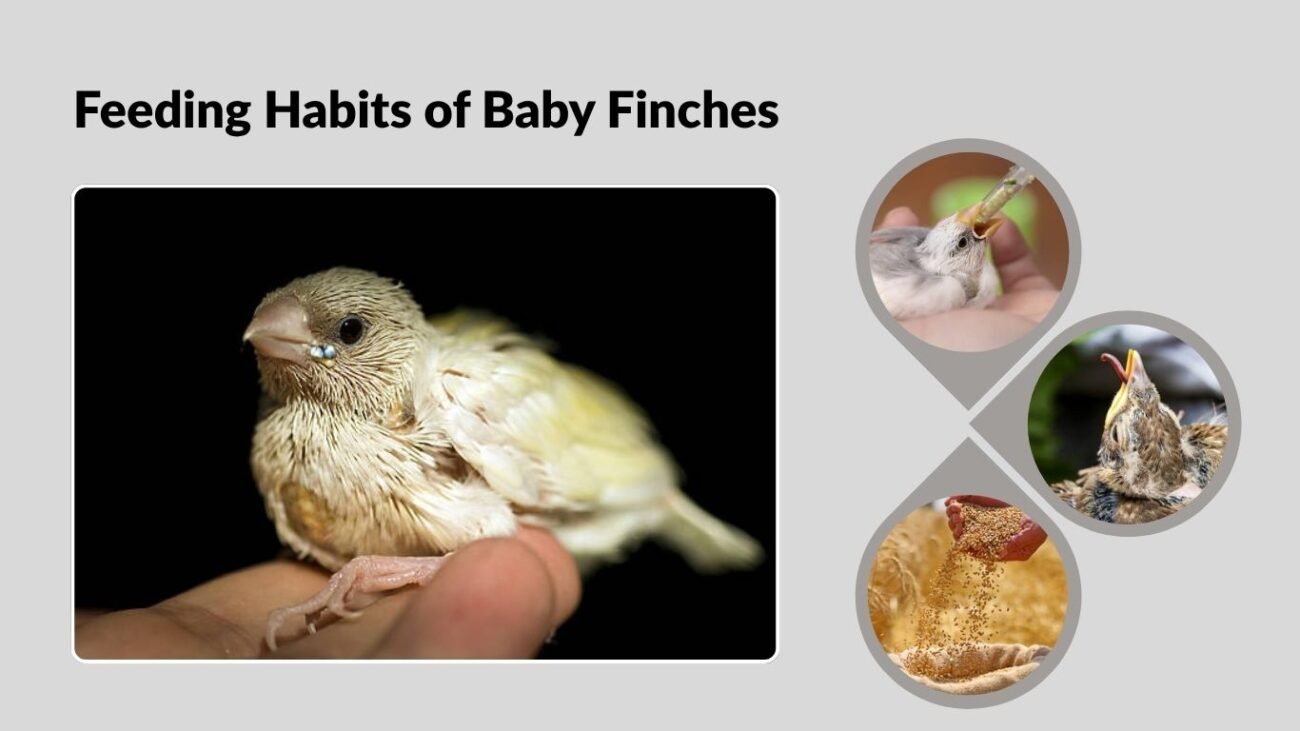
In the wild, baby finches consume food that is softened and regurgitated by their parents. This food typically includes small insects, seeds, and plant matter mixed with moisture. The regurgitated meal ensures chicks receive easy-to-digest nutrients essential for growth. High protein is especially important during the first week of life for muscle and feather development.
What Do House Finches Feed Their Babies?
House finches usually feed their chicks a mix of soft plant material, buds, and seeds. During the breeding season, they may also include insects to increase protein content. The female broods the chicks while the male brings food to the nest, feeding both the female and the young. This shared responsibility helps ensure that the chicks grow strong and healthy.
Do Male Finches Feed Their Babies?
Yes. In many finch species, including House and Gouldian finches, both males and females are involved in caring for and feeding the chicks. Males gather food and may feed chicks directly or indirectly through the female. This cooperative parenting is key to the survival of large broods, as baby finches require frequent feeding during daylight hours.
How Often Are Baby Finches Fed?
Newly hatched finches require food extremely often—about every 15 to 30 minutes during daylight hours. Parents take turns feeding them throughout the day to maintain constant nutrition. As chicks age, feeding frequency gradually decreases to once every hour, then every few hours. By the time they reach the fledgling stage, they can last longer between meals because their energy reserves and metabolism stabilize.
What to Feed an Abandoned Baby Finch
If you find an abandoned baby finch, it’s essential to keep it warm and hydrated before feeding. Use a commercial hand-feeding formula made for small songbirds or create a soft mixture of soaked seeds and egg yolk. Feed the chick with a small dropper or syringe every 2–3 hours during the day. Avoid giving milk or bread, as birds cannot digest dairy or processed food. Once the chick’s feathers appear, gradually introduce soft seeds and greens.
Nesting and Parental Care
Finch Nesting Behavior
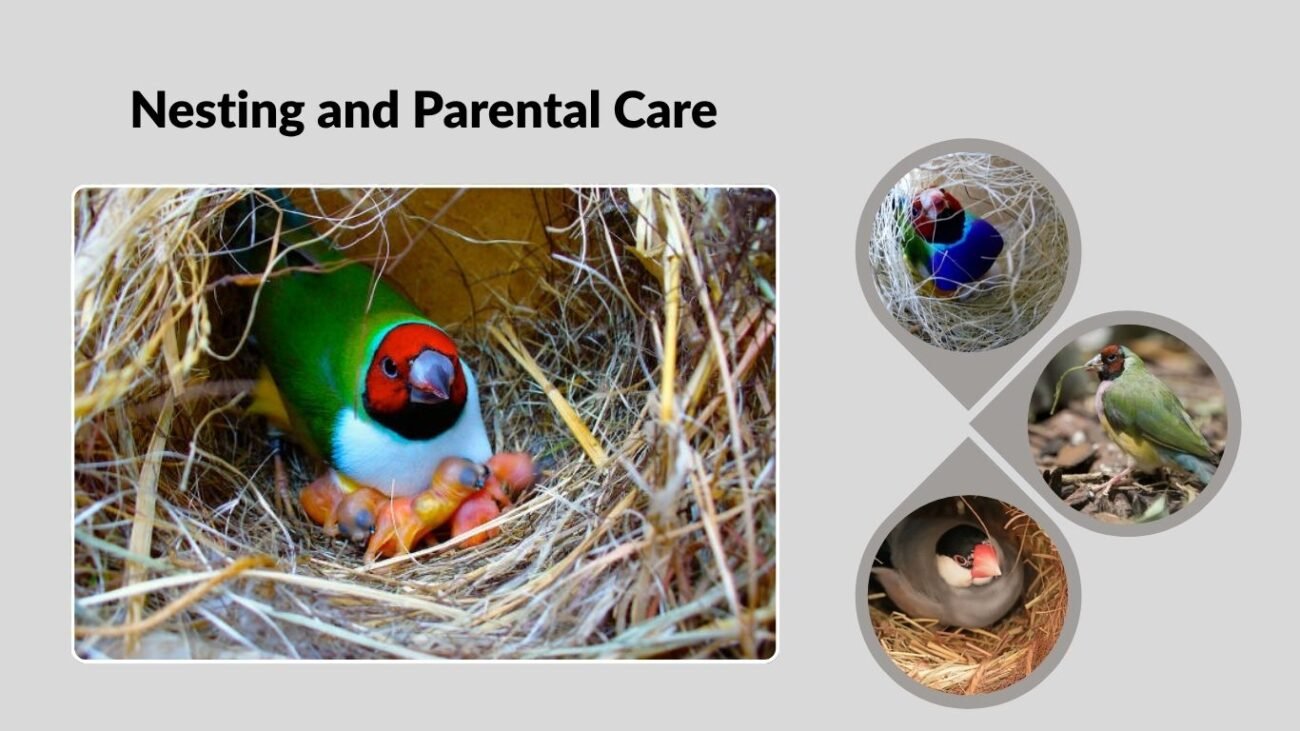
Finches are attentive parents and build nests using grass, twigs, and soft materials like feathers or plant fibers. The nest provides insulation and protection for the chicks. In the wild, finches prefer sheltered spots—trees, shrubs, or eaves of buildings—to reduce exposure to predators and harsh weather. Domestic finches, like zebra finches, often build nests inside cages or nesting boxes provided by breeders.
How Long Do Baby Finches Stay in the Nest?
Most baby finches remain in the nest for 12–18 days, depending on species and environmental factors. Cooler climates or poor weather may delay fledging, while strong, healthy chicks may leave a bit earlier. Even after leaving the nest, they often stay nearby for another week as they continue learning to fly and forage, relying on their parents for food and protection.
Parental Roles
Both finch parents play vital roles:
- The female spends most of her time brooding and keeping the chicks warm.
- The male collects food, feeds the mother and chicks, and defends the territory.
Once the chicks fledge, the parents still monitor them closely, providing food and safety guidance until they can survive independently. In some cases, the pair may begin preparing for another brood while the older chicks are still nearby.
Behavioral Traits and Communication
How Baby Finches Interact
Baby finches are highly social within the nest. They chirp softly to signal hunger and compete for food. It’s common for stronger chicks to receive more feeding attention, a natural behavior that ensures at least some survive if food is scarce. As they grow, they begin mimicking parental calls, which are essential for communication and bonding.
Learning to Fly
Around two weeks after hatching, baby finches begin flapping their wings to strengthen muscles. Their first flight attempts are short and clumsy, often landing nearby branches or the ground beneath the nest. Parents encourage flight by calling and offering food outside the nest. Within a few days, the fledglings improve coordination and can return to the nest or follow their parents confidently.
Are Baby Finches Born Without Tails?
Yes — baby finches hatch without tail feathers. These feathers begin developing around the second week and are fully grown by the time fledging occurs. The tail is crucial for balance and flight control, so it’s one of the final features to fully develop before the chick becomes independent.
Baby Finch Care for Breeders and Bird Owners
Caring for Captive Baby Finches
For those breeding finches in captivity, maintaining a stable environment is essential. Keep the temperature between 80–85°F (27–29°C) for hatchlings. Provide nesting material, clean cages regularly, and avoid handling chicks excessively during the first week. Proper hygiene prevents infections, and a consistent diet ensures rapid growth.
What to Do with Abandoned or Weak Chicks
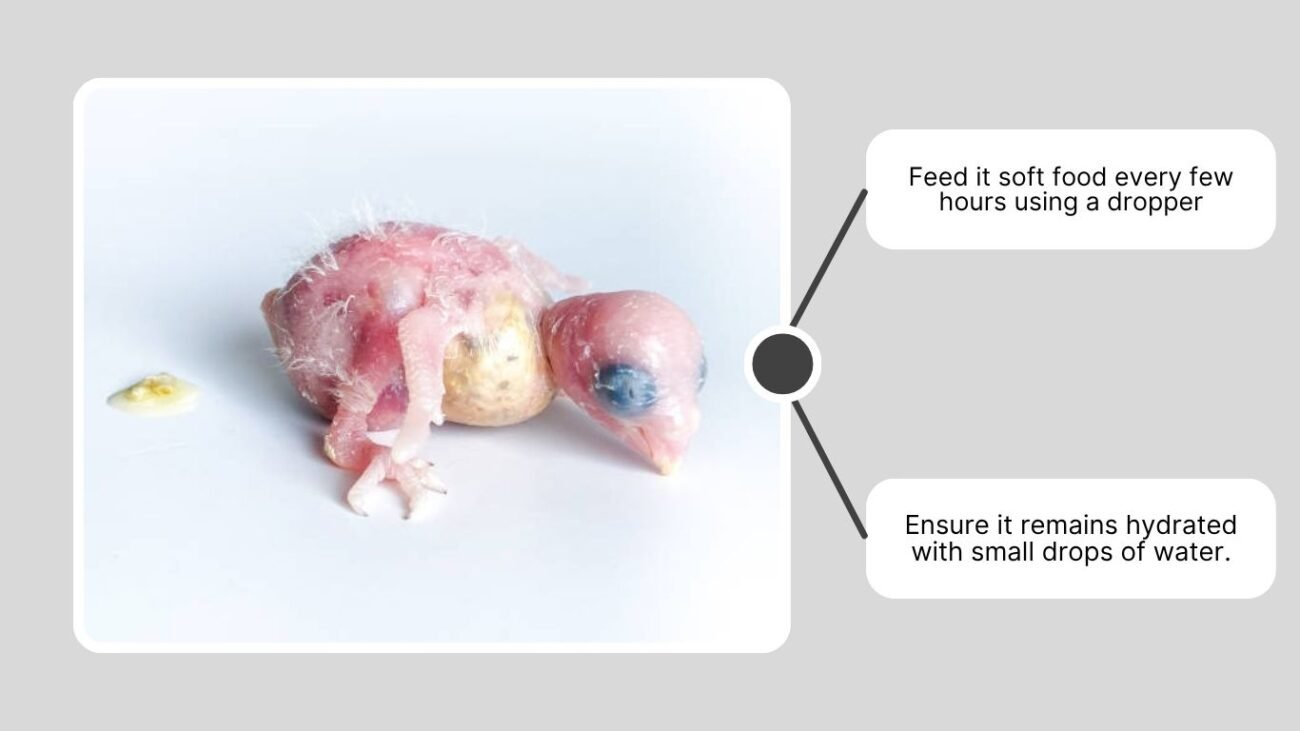
Sometimes, a chick may be rejected by its parents or found outside the nest. In such cases:
- Keep the chick warm using a small heat lamp or cloth-lined box.
- Feed it soft food every few hours using a dropper.
- Ensure it remains hydrated with small drops of water.
- Consult a local avian veterinarian or wildlife rescue center for guidance.
Common Health Concerns
Baby finches are vulnerable to diseases like fungal infections, mites, and respiratory issues. Signs of illness include lethargy, loss of appetite, unsteady movement, or poor feather growth. Always maintain cleanliness in nests and cages, and separate sick birds to prevent the spread of infection.
Baby Finch Variants and Curiosities
Gouldian Finch Baby Mouth Colors
One of nature’s most fascinating traits, Gouldian finch chicks have fluorescent mouth markings that glow under low light. These serve as visual guides for parents feeding in dark nesting hollows. The pattern of mouth spots differs slightly between individuals, allowing parents to identify their own chicks among others.
Unusual Cases
Occasionally, other bird species may feed finch chicks—especially if nests are close or mixed. Some finches also display mutations that change their color, such as blue finches or cut-throat finches. Breeders often value these rare variants for their unique appearances.
Key Takeaways
- Baby finches hatch blind, featherless, and rely entirely on their parents.
- They stay in the nest for about 12–18 days before fledging.
- Both parents share feeding and protection duties.
- Feeding frequency is very high in the first days—every 15–30 minutes.
- Fledglings learn to fly and forage within 2–3 weeks.
- Gouldian finch chicks use glowing mouth markings for feeding cues.
- Abandoned chicks need warmth, frequent feeding, and professional care.
FAQs
What do baby finches eat in the wild?
Baby finches are fed regurgitated food by their parents, which typically includes softened seeds, tiny insects, and bits of vegetation. This diet provides essential protein, moisture, and minerals needed for rapid growth during the first two weeks.
How long do baby house finches stay in the nest?
Most House Finch chicks stay in the nest for 12–15 days before they fledge. Even after leaving, they rely on their parents for another week until they can fly and eat on their own.
Can I feed a baby finch by hand?
Yes. Use a commercial hand-feeding formula designed for songbirds. Feed the chick every few hours with a small dropper, keeping it warm and hydrated. Never use milk or bread, as these can cause digestive issues.
When do baby finches start to fly?
Baby finches typically begin flying around two weeks old. Their first flights are short and unsteady, but within a few days, they gain strength and coordination to explore beyond the nest.
Do both parents feed baby finches?
Absolutely. In most finch species, both male and female parents share the responsibility of feeding, protecting, and teaching their chicks survival skills until they are independent.