










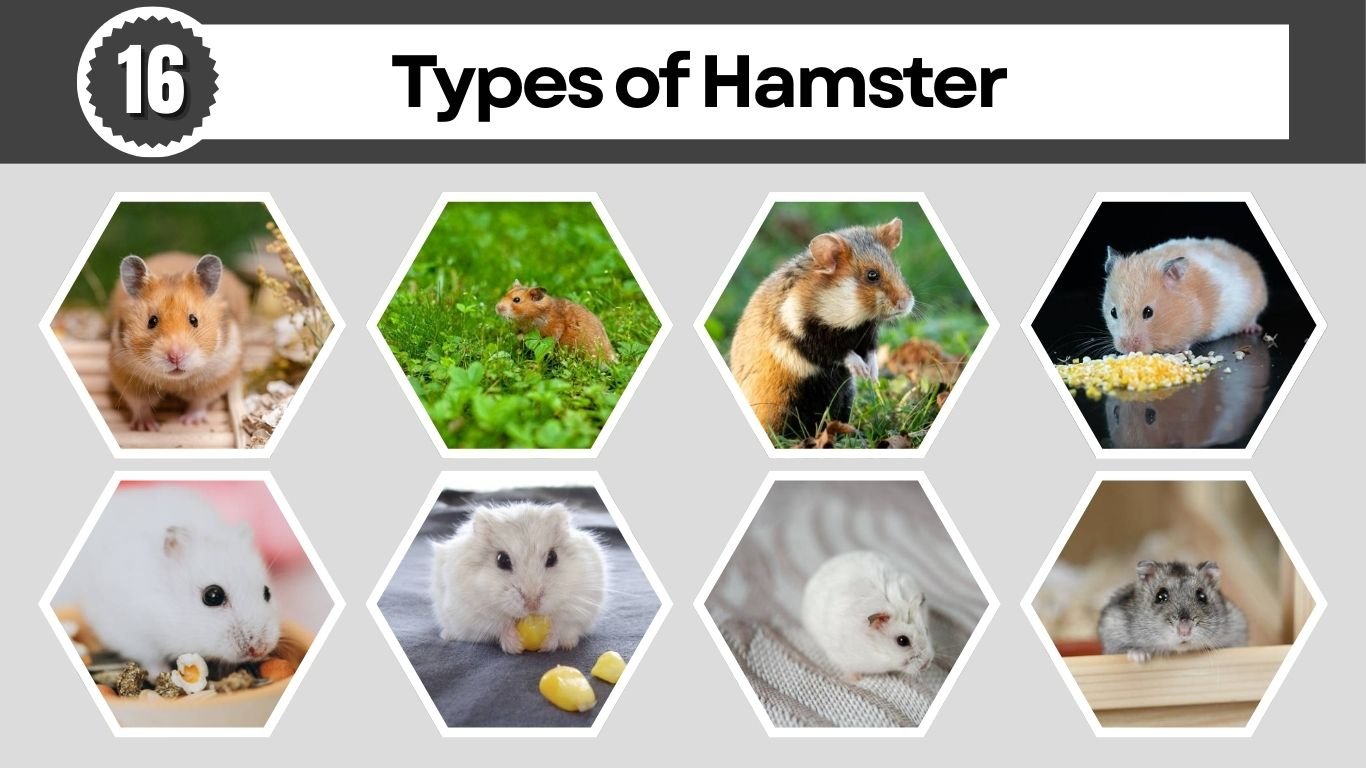
Hamsters are small, burrowing rodents found across Europe and Asia, known for their round bodies, short tails, and expandable cheek pouches. There are more than 20 recognized hamster species, ranging from tiny dwarf hamsters to the much larger European hamster. Some species are popular household pets, while many live only in the wild. Naturally nocturnal and excellent diggers, hamsters play an important ecological role by aerating soil and storing seeds, which can support plant growth.
1. Syrian Hamster (Mesocricetus auratus)
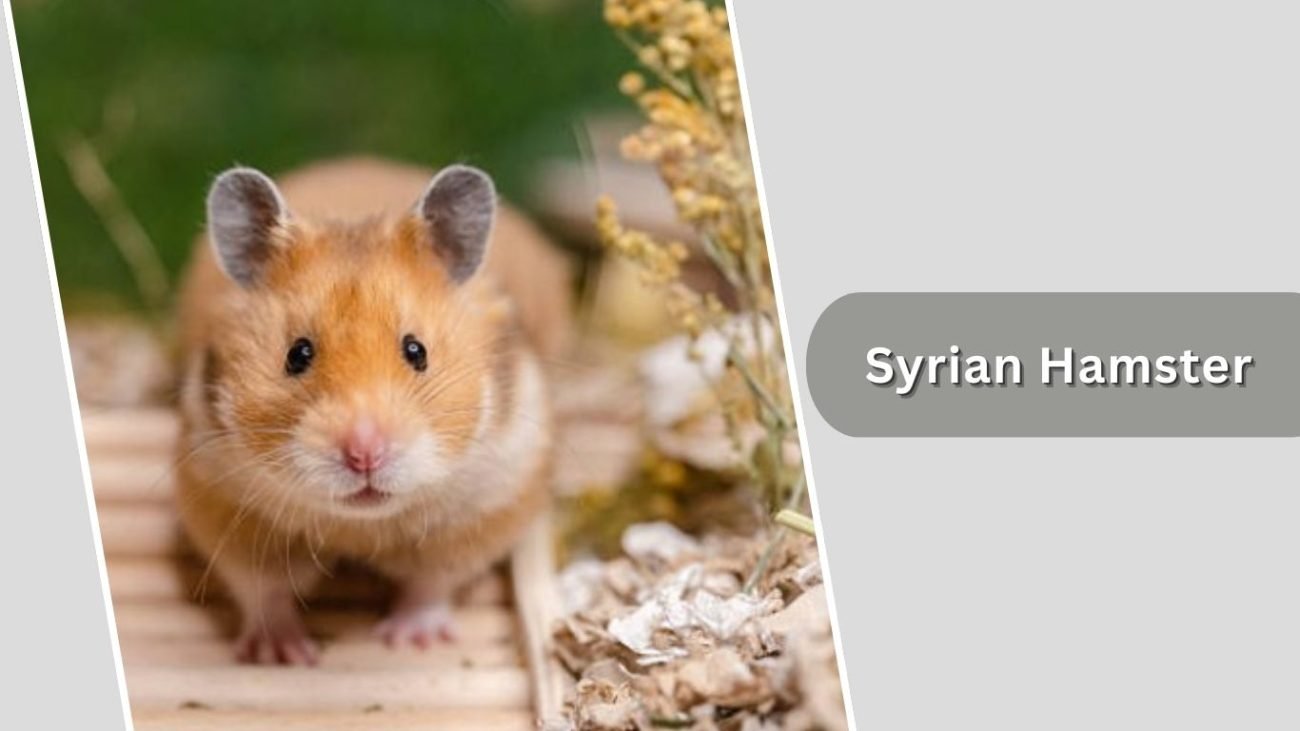
The Syrian hamster, also known as the golden hamster, is the most popular pet hamster species in the world. Native to dry regions of Syria and Turkey, it is larger than dwarf hamsters and is known for its gentle appearance, cheek pouches, and solitary nature.
Identification
- Medium to large-sized hamster compared to other species
- Golden-brown fur with a lighter or white underside
- Short, compact body with a blunt nose
- Very short tail, almost invisible
- Large cheek pouches used to carry food
- Small rounded ears and dark, shiny eyes
Habitat
In the wild, Syrian hamsters live in dry grasslands, semi-deserts, and cultivated fields. They dig deep burrow systems with nesting chambers and food storage rooms to survive heat and predators. In captivity, they thrive in spacious cages with bedding, tunnels, and hiding places.
Behaviors
Syrian hamsters are mostly nocturnal and prefer to live alone. They can become aggressive if housed with other hamsters. They are active diggers and love running, chewing, and exploring. Cheek pouching is a common behavior, allowing them to transport food back to their nests.
Diet and lifecycle
Their natural diet includes seeds, grains, roots, insects, and green plants. As pets, they do well on balanced hamster mixes with fresh vegetables and occasional protein. Syrian hamsters breed quickly, with a gestation of about 16 days. Females give birth to 6–12 pups. The young open their eyes around two weeks and reach maturity in about two months.
2. Golden Hamster (Mesocricetus auratus)
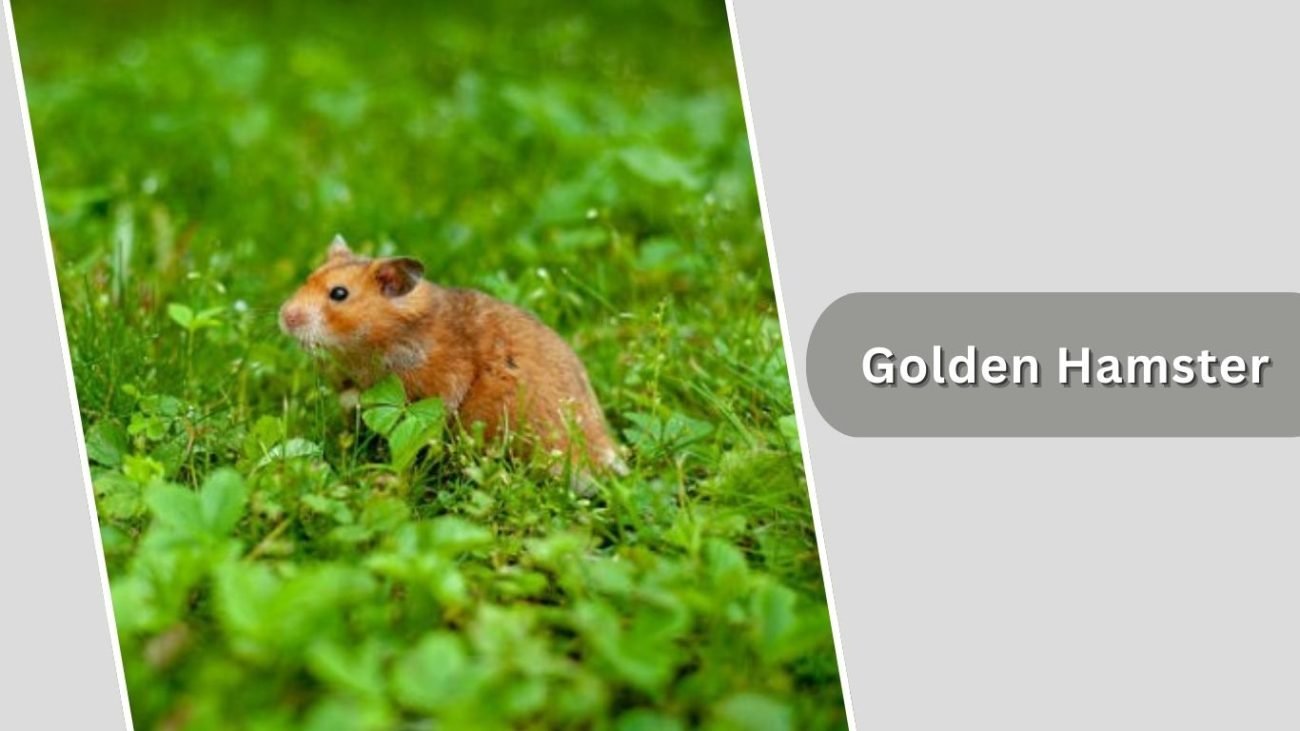
The golden hamster is the original wild form of the Syrian hamster and the ancestor of most pet hamsters kept today. It is named for its warm golden-brown fur and is native to dry, steppe-like regions of Syria and nearby countries.
Identification
- Medium to large-sized hamster
- Golden-brown fur on the back with white or cream underside
- Stocky body with short legs
- Very short tail, hardly visible
- Large expandable cheek pouches
- Small rounded ears and dark eyes
Habitat
In the wild, golden hamsters inhabit semi-deserts, dry grasslands, and agricultural fields. They dig complex burrow systems that can reach over one meter deep, with separate chambers for nesting and food storage. These burrows protect them from heat and predators.
Behaviors
Golden hamsters are nocturnal and strictly solitary. They spend most of the night foraging and carrying food in their cheek pouches. During the day, they sleep inside burrows. When threatened, they may hiss or stand on hind legs to defend themselves.
Diet and lifecycle
Their natural diet includes seeds, grains, roots, fruits, and insects. They have one of the shortest gestation periods among mammals, about 16 days. Females usually give birth to 6–12 pups. The young grow rapidly, are weaned in about three weeks, and reach breeding age in just a few months.
3. European Hamster (Cricetus cricetus)
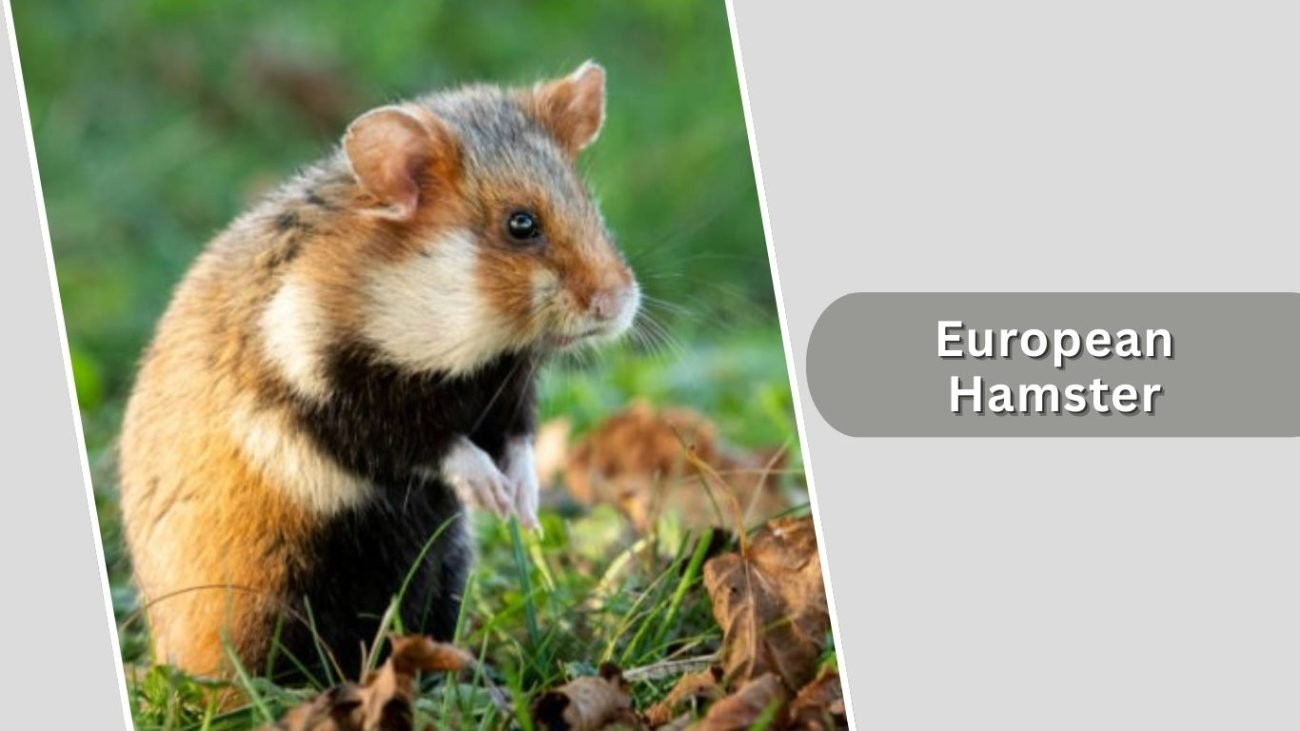
The European hamster, also called the common hamster, is the largest hamster species in the world. Native to Europe and western Asia, it is known for its bold coloration and powerful digging ability. Unlike pet hamsters, this species lives mostly in the wild.
Identification
- Largest hamster species, much bigger than pet hamsters
- Reddish-brown upper body with black belly
- Distinct white patches on the face and sides
- Short tail and thick, compact body
- Large cheek pouches for food storage
- Strong front teeth and digging claws
Habitat
European hamsters live in open farmlands, steppes, grasslands, and agricultural fields. They dig deep burrows with nesting chambers and food storage rooms. These underground systems help them survive cold winters and avoid predators.
Behaviors
They are mostly nocturnal but may be active at dusk. European hamsters are solitary and highly territorial. They are strong diggers and aggressive defenders of their burrows. During winter, they enter long periods of hibernation.
Diet and lifecycle
Their diet includes grains, seeds, roots, fruits, insects, and small animals. Breeding occurs from spring to early autumn. Females usually give birth to 3–7 young after about 18–21 days. The young mature quickly and can reproduce within a few months.
4. Chinese Hamster (Cricetulus griseus)
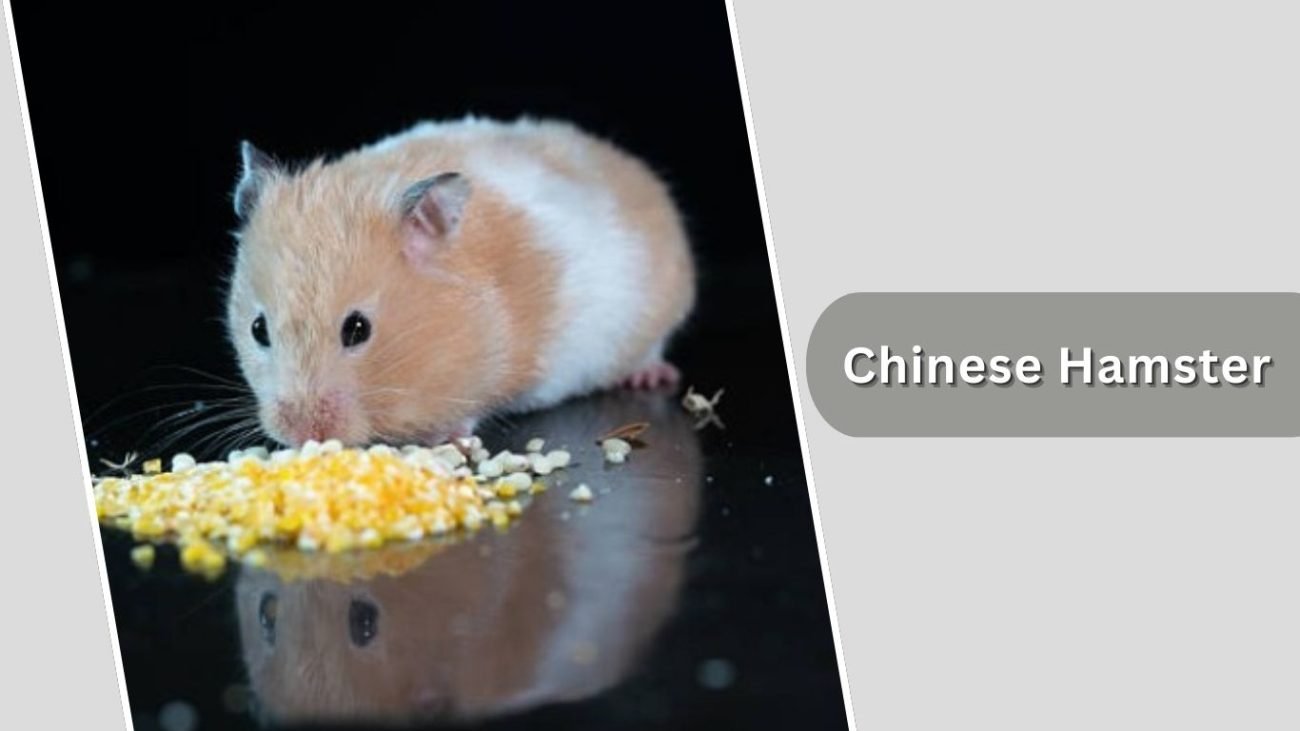
The Chinese hamster is a small, slender hamster species native to northern China and Mongolia. It is known for its mouse-like body shape and longer tail compared to most other hamsters. This species is sometimes kept as a pet but is more active and less cuddly than Syrian hamsters.
Identification
- Small, slim-bodied hamster with a mouse-like appearance
- Grayish-brown fur with a darker stripe along the back
- Pale or whitish underside
- Noticeably longer tail than most hamsters
- Small rounded ears and black eyes
- Large cheek pouches for carrying food
Habitat
In the wild, Chinese hamsters live in deserts, steppes, and grassy plains. They dig deep burrows with nesting chambers and food storage areas. These habitats are usually dry with sparse vegetation.
Behaviors
Chinese hamsters are nocturnal and very quick and agile. They are good climbers and may grip cage bars with their long tails. They are usually solitary and may fight if housed together. When frightened, they move rapidly and can be difficult to handle.
Diet and lifecycle
Their natural diet includes seeds, grains, grasses, insects, and roots. They have a gestation period of about 18–21 days. Females give birth to 4–7 pups. Young hamsters open their eyes at around two weeks and become independent within a month.
5. Roborovski Hamster (Phodopus roborovskii)

The Roborovski hamster is the smallest and fastest of all pet hamsters. Native to the deserts of Central Asia, it is known for its energetic nature, tiny size, and distinctive white “eyebrows.” This species is very active and more suited for watching than frequent handling.
Identification
- Very small, compact hamster
- Sandy-brown fur with a white underside
- Distinct white spots above the eyes
- Very short tail, almost invisible
- Short legs and rounded body
- Large cheek pouches for food storage
Habitat
Roborovski hamsters naturally live in sandy deserts and dry grasslands of Mongolia, China, and Kazakhstan. They dig complex burrows to escape heat and predators. In captivity, they prefer enclosures with deep sand or bedding for digging.
Behaviors
They are mostly nocturnal or crepuscular and extremely fast runners. Roborovski hamsters are less likely to bite but are difficult to catch due to their speed. They may live in pairs or small groups if introduced young, unlike Syrian hamsters.
Diet and lifecycle
Their diet includes seeds, grains, grasses, and insects. They require a higher protein intake than larger hamsters. Gestation lasts about 20 days, and females usually give birth to 3–8 pups. The young grow quickly and become independent within three weeks.
6. Campbell’s Dwarf Hamster (Phodopus campbelli)
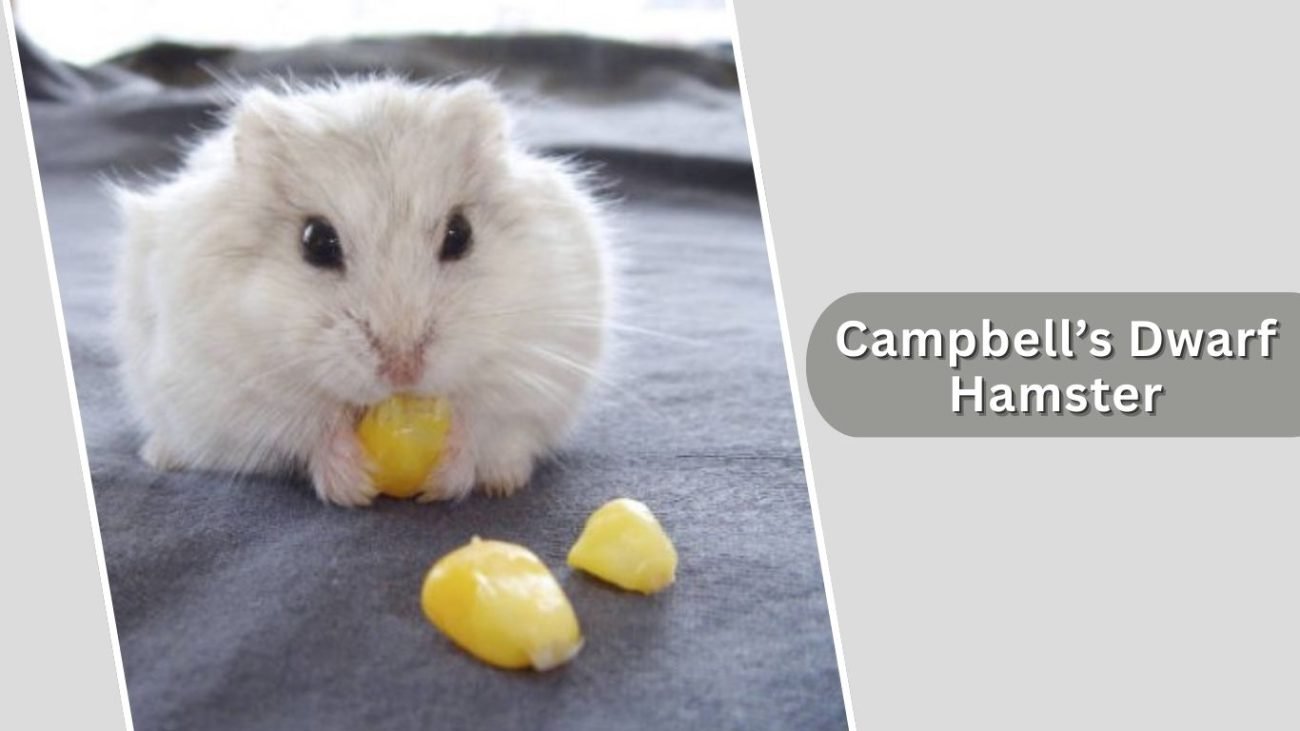
Campbell’s dwarf hamster is a small, social hamster species native to Central Asia. It is commonly kept as a pet and is known for its round body, short tail, and active personality. This species is closely related to the winter white hamster but has distinct physical and behavioral differences.
Identification
- Small, round-bodied dwarf hamster
- Gray-brown fur with a dark stripe along the back
- Pale gray or white underside
- Very short tail
- Small rounded ears and black eyes
- Large cheek pouches for its size
Habitat
In the wild, Campbell’s dwarf hamsters live in steppes, semi-deserts, and grassy plains of Mongolia, northern China, and southern Russia. They dig extensive burrow systems to protect themselves from extreme temperatures and predators.
Behaviors
They are mostly nocturnal and very active. Campbell’s dwarf hamsters can live in pairs or small groups if introduced properly, but they may become territorial. They are fast runners, enjoy digging, and frequently use sand baths to clean their fur.
Diet and lifecycle
Their diet includes seeds, grains, grasses, and insects. They are prone to diabetes, so sugary foods should be limited. Gestation lasts about 18–20 days, and females usually give birth to 4–8 pups. Young hamsters are weaned at around three weeks and mature quickly.
7. Winter White Dwarf Hamster (Phodopus sungorus)
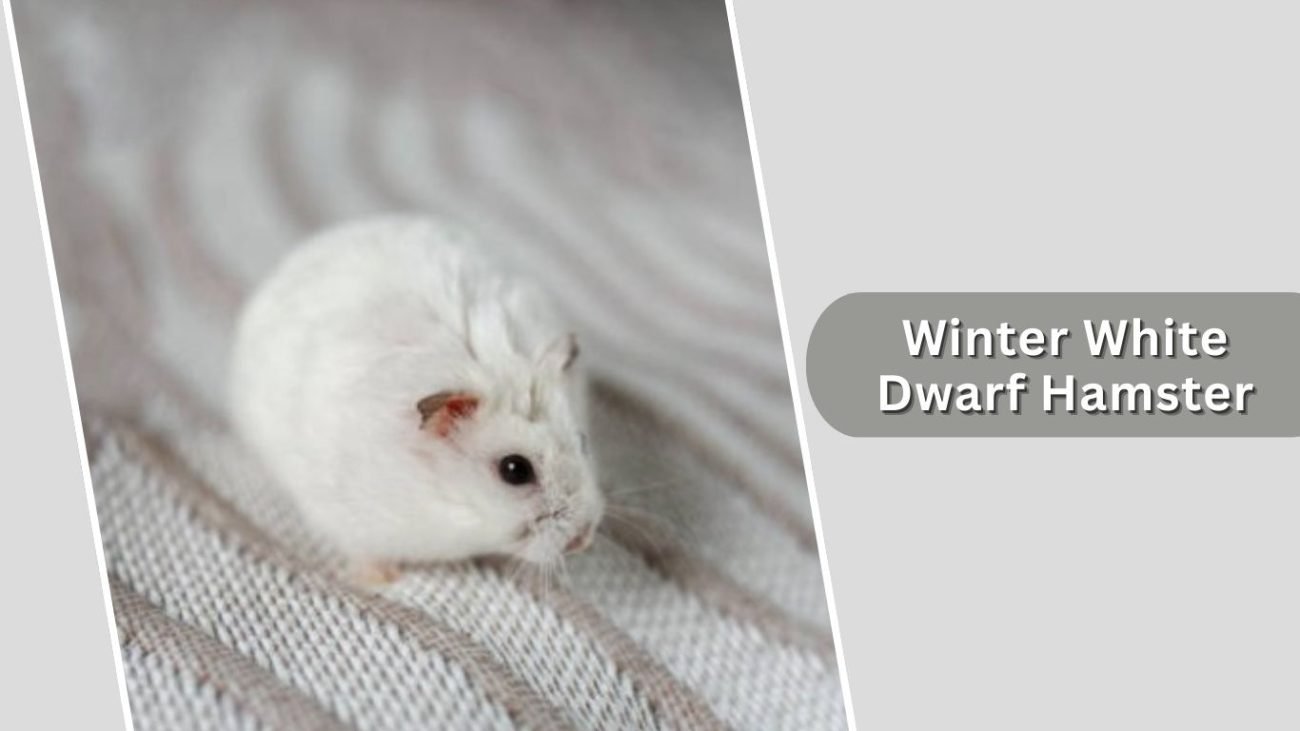
The winter white dwarf hamster, also called the Djungarian hamster, is a small hamster species native to Siberia and Central Asia. It is well known for its ability to change fur color, turning almost completely white in winter to blend into snowy environments.
Identification
- Small, round-bodied dwarf hamster
- Gray-brown summer fur with a dark stripe along the back
- Turns white or very pale during winter months
- White or light gray underside
- Very short tail
- Small rounded ears and large cheek pouches
Habitat
Winter white hamsters live in cold steppes, grasslands, and semi-deserts of Siberia, Mongolia, and Kazakhstan. They dig deep burrows to escape freezing temperatures and store food.
Behaviors
They are mostly nocturnal and crepuscular. Winter white hamsters are generally calmer than Campbell’s dwarf hamsters and may tolerate same-species companions if raised together. They are active diggers and enjoy running and collecting food.
Diet and lifecycle
Their diet includes seeds, grasses, grains, and insects. Gestation lasts about 18–21 days. Females usually give birth to 4–6 pups. The young open their eyes at about two weeks and become independent in three to four weeks.
8. Djungarian Hamster (Phodopus sungorus)
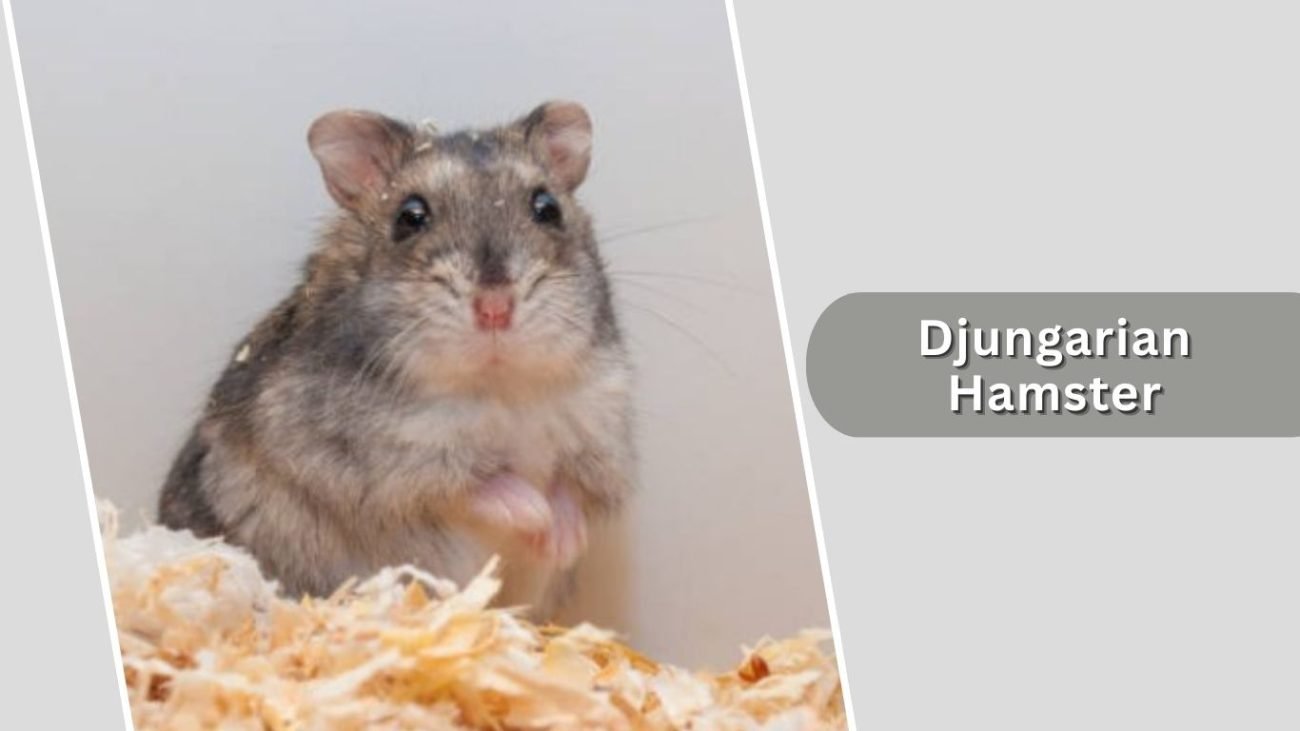
The Djungarian hamster is another common name for the winter white dwarf hamster and refers to the same species. It is named after the Dzungaria region of Central Asia and is well known for its compact size, gentle appearance, and seasonal color change.
Identification
- Small, round-bodied dwarf hamster
- Gray-brown fur in summer with a dark dorsal stripe
- Winter coat becomes very light or white
- White or pale underside
- Very short tail
- Small rounded ears and visible cheek pouches
Habitat
In the wild, Djungarian hamsters live in cold steppes, grassy plains, and semi-desert regions of Siberia, Kazakhstan, and Mongolia. They dig deep burrows with nesting and food chambers to survive harsh winters.
Behaviors
They are mainly nocturnal and crepuscular. Djungarian hamsters are active runners and diggers and spend much time collecting and storing food. They may tolerate companions if introduced young, but adults can become territorial.
Diet and lifecycle
Their diet includes seeds, grains, grasses, roots, and insects. Gestation lasts about 18–21 days. Females usually give birth to 4–7 pups. The young grow rapidly, open their eyes at about two weeks, and become independent in roughly one month.
9. Russian Dwarf Hamster (Phodopus campbelli / Phodopus sungorus)
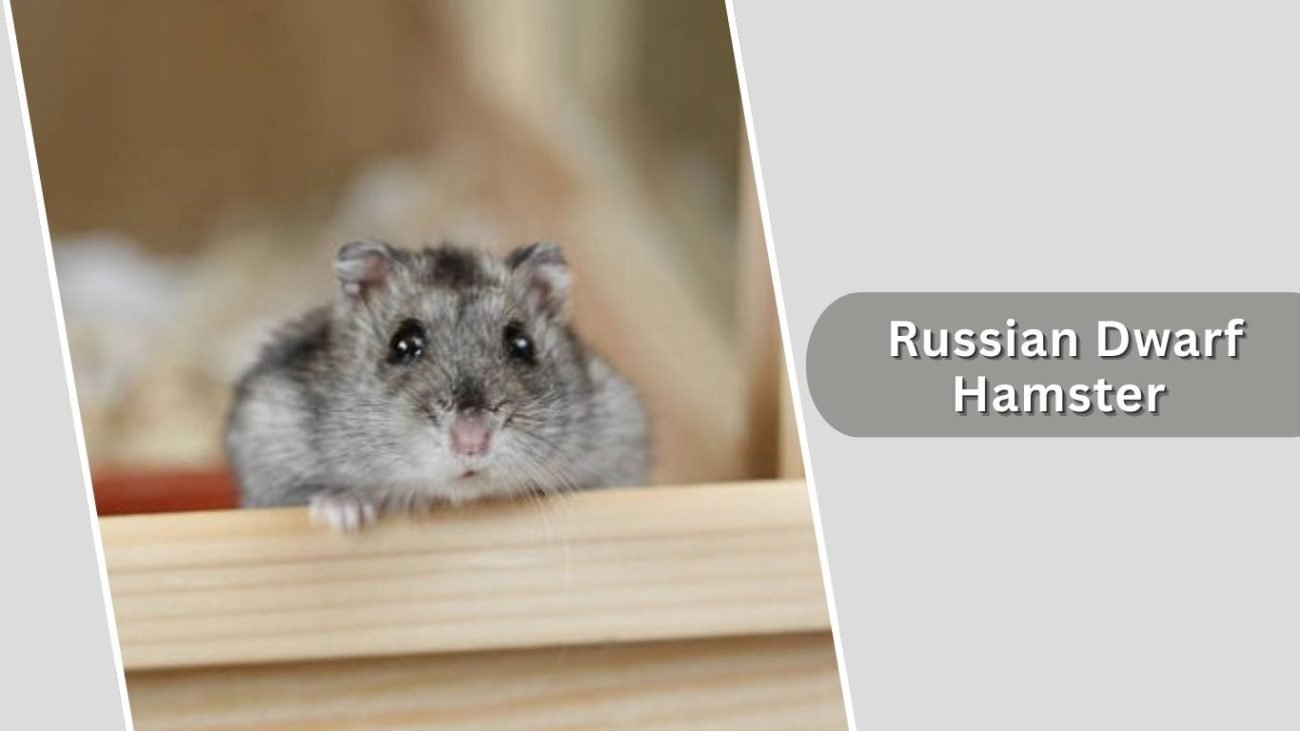
The Russian dwarf hamster is a general term used for small dwarf hamsters native to Russia and Central Asia, mainly referring to Campbell’s dwarf hamster and the winter white hamster. These tiny hamsters are popular pets because of their small size and active behavior.
Identification
- Very small, round-bodied hamster
- Gray-brown fur with a dark stripe along the back
- Pale or white underside
- Very short tail
- Small rounded ears
- Large cheek pouches compared to body size
Habitat
In the wild, Russian dwarf hamsters live in cold steppes, grasslands, and semi-deserts of Russia, Mongolia, and Kazakhstan. They dig deep burrow systems to protect themselves from extreme temperatures and predators.
Behaviors
They are mostly nocturnal and very energetic. Russian dwarf hamsters enjoy digging, running, and collecting food. They may live in pairs or small groups if introduced young, but fighting can occur, especially as they mature.
Diet and lifecycle
Their diet includes seeds, grains, grasses, roots, and insects. Gestation lasts about 18–21 days. Females usually give birth to 4–8 pups. Young hamsters develop quickly and become independent within three to four weeks.
10. Turkish Hamster (Mesocricetus brandti)
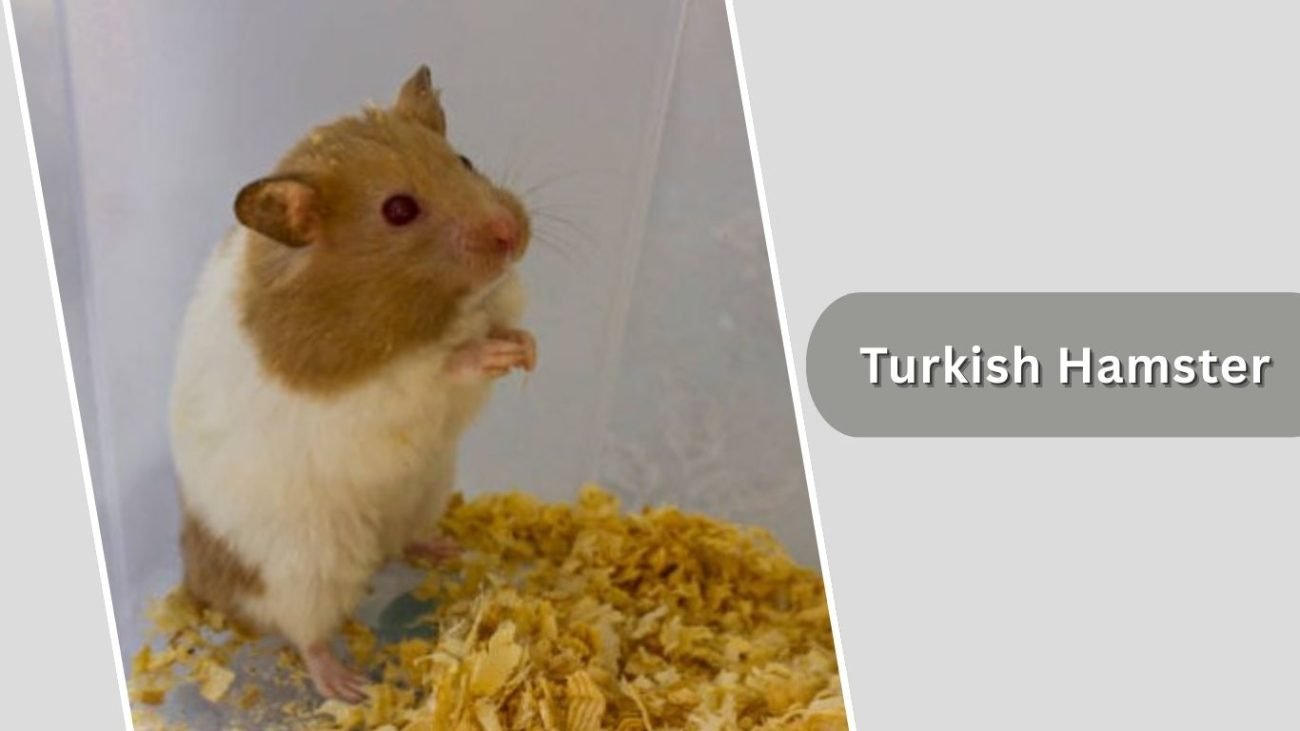
The Turkish hamster, also known as Brandt’s hamster, is a medium-sized wild hamster native to Turkey and nearby regions. It is closely related to the Syrian hamster but lives entirely in the wild and is well adapted to dry, open landscapes.
Identification
- Medium-sized hamster, smaller than the European hamster
- Brownish to gray fur on the back
- Pale or yellowish underside
- Stocky body with short legs
- Very short tail
- Large cheek pouches and strong digging claws
Habitat
Turkish hamsters live in dry steppes, rocky plains, grasslands, and agricultural fields. They dig deep, complex burrow systems with nesting chambers and food storage rooms to survive heat and seasonal cold.
Behaviors
They are mainly nocturnal and solitary. Turkish hamsters are excellent diggers and very territorial, defending their burrows aggressively. During colder months, they may enter periods of torpor or light hibernation.
Diet and lifecycle
Their diet includes grains, seeds, roots, green plants, and insects. Breeding usually occurs from spring to summer. Females give birth to 4–10 pups after about 16–18 days. The young mature quickly and can reproduce within a few months.
11. Romanian Hamster (Mesocricetus newtoni)
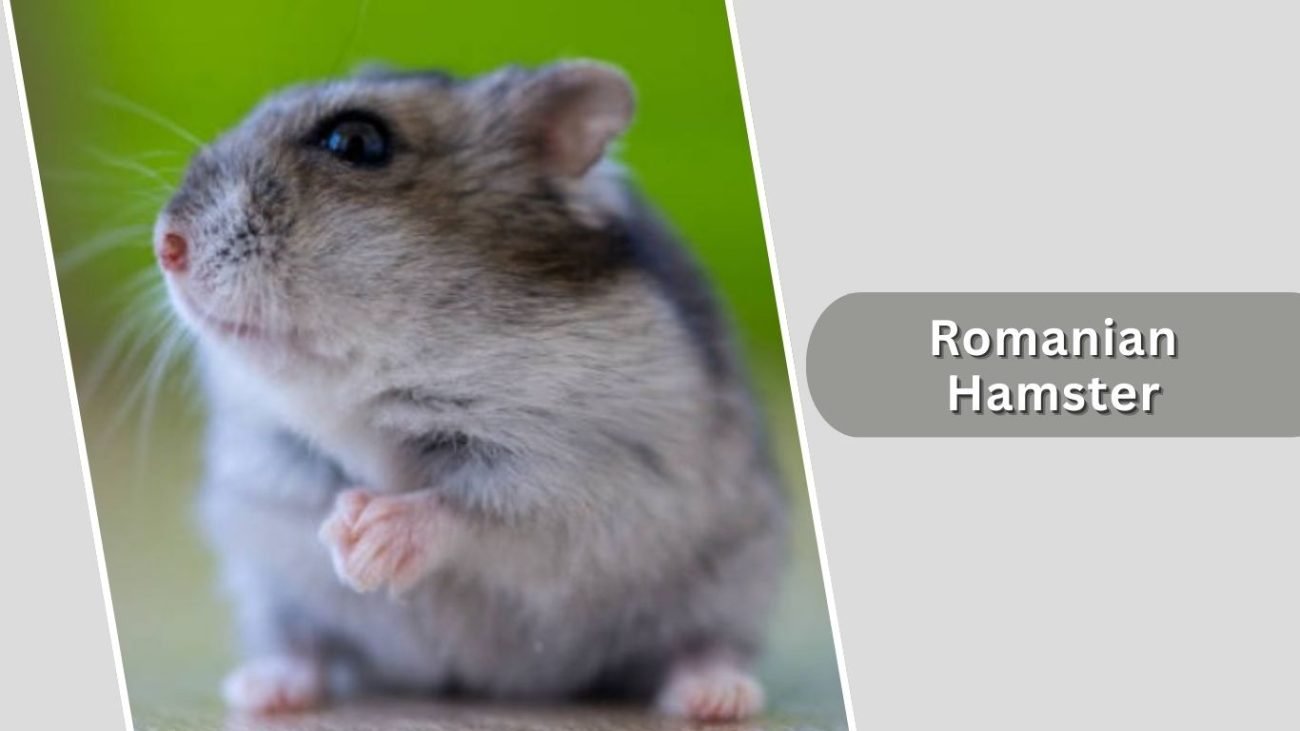
The Romanian hamster, also known as Newton’s hamster, is a rare wild hamster species found mainly in Romania and parts of Bulgaria. It is a medium-sized hamster adapted to open grasslands and agricultural landscapes.
Identification
- Medium-sized hamster with a stocky body
- Yellowish-brown to gray-brown fur on the back
- Pale or creamy underside
- Short tail, barely visible
- Rounded ears and small dark eyes
- Large cheek pouches for carrying food
Habitat
Romanian hamsters live in steppes, grasslands, and farmlands. They dig deep burrows with nesting and storage chambers. These underground systems protect them from predators and extreme seasonal temperatures.
Behaviors
They are mostly nocturnal and solitary. Romanian hamsters are shy and rarely seen, spending much of their time underground. They forage at night and quickly retreat to burrows when threatened.
Diet and lifecycle
Their diet includes grains, seeds, roots, green plants, insects, and small invertebrates. Breeding occurs from spring through summer. Females usually give birth to 4–8 pups. The young become independent after about three to four weeks.
12. Gray Dwarf Hamster (Cricetulus migratorius)
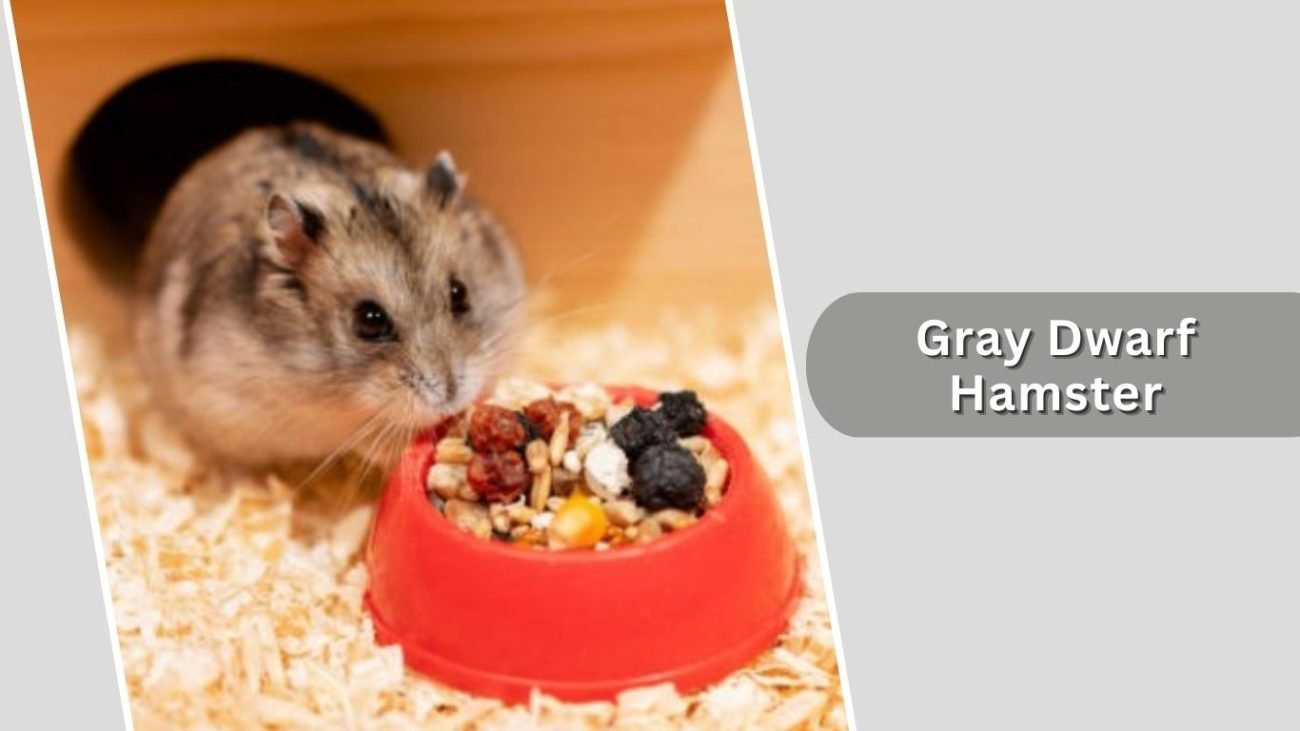
The gray dwarf hamster, also known as the migratory hamster, is a small wild hamster species with a very wide natural range. It is found across parts of Europe, the Middle East, and Central Asia, where it lives in dry open landscapes.
Identification
- Small, slender-bodied hamster
- Gray to sandy-brown fur on the back
- Whitish or pale gray underside
- Short tail, slightly visible
- Small rounded ears
- Large cheek pouches for food storage
Habitat
Gray dwarf hamsters live in steppes, semi-deserts, rocky plains, and agricultural fields. They dig simple to complex burrow systems with nesting and food chambers. This species is highly adaptable and can survive in both natural and human-altered environments.
Behaviors
They are mostly nocturnal and solitary. Gray dwarf hamsters are fast runners and skilled diggers. They often forage near their burrow entrances and quickly retreat underground when disturbed.
Diet and lifecycle
Their diet includes seeds, grains, grasses, roots, insects, and small invertebrates. Breeding can occur several times a year. Females usually give birth to 3–9 pups after about 18–20 days. The young grow rapidly and become independent within a month.
13. Brandt’s Hamster (Mesocricetus brandti)
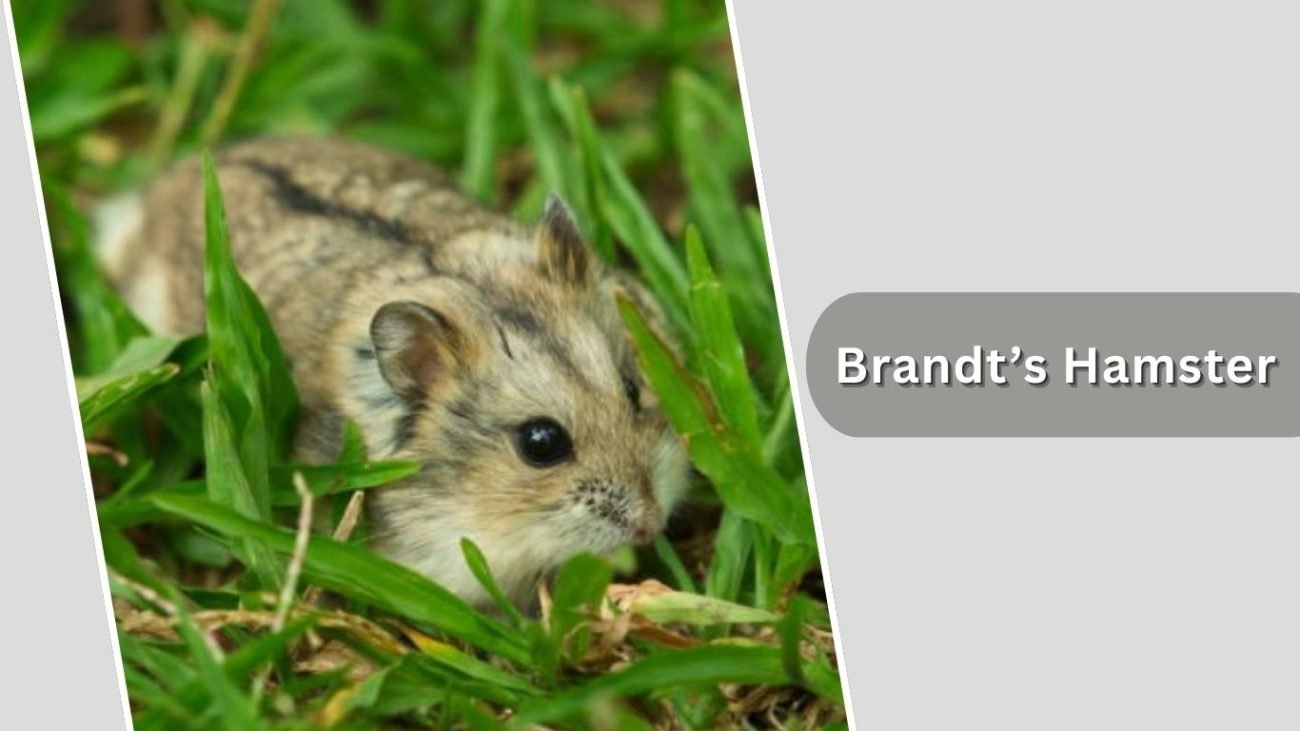
Brandt’s hamster is a medium-sized wild hamster native to Turkey, the Caucasus region, and parts of the Middle East. It is closely related to the Syrian hamster and is well adapted to dry, open landscapes with seasonal climates.
Identification
- Medium-sized, stocky hamster
- Brown to gray-brown fur on the back
- Pale yellowish or whitish underside
- Short tail, barely visible
- Rounded ears and dark eyes
- Large cheek pouches and strong digging claws
Habitat
Brandt’s hamsters inhabit dry steppes, grasslands, rocky plains, and agricultural lands. They dig deep burrow systems with separate nesting and food storage chambers. These burrows protect them from predators and extreme temperatures.
Behaviors
They are mainly nocturnal and solitary. Brandt’s hamsters are highly territorial and may become aggressive when disturbed. They spend most of the day in underground burrows and forage at night.
Diet and lifecycle
Their diet includes grains, seeds, roots, green plants, and insects. Breeding occurs from spring to summer. Females usually give birth to 4–10 pups after about 16–18 days. The young grow quickly and become independent in about three to four weeks.
14. Mongolian Hamster (Allocricetulus curtatus)
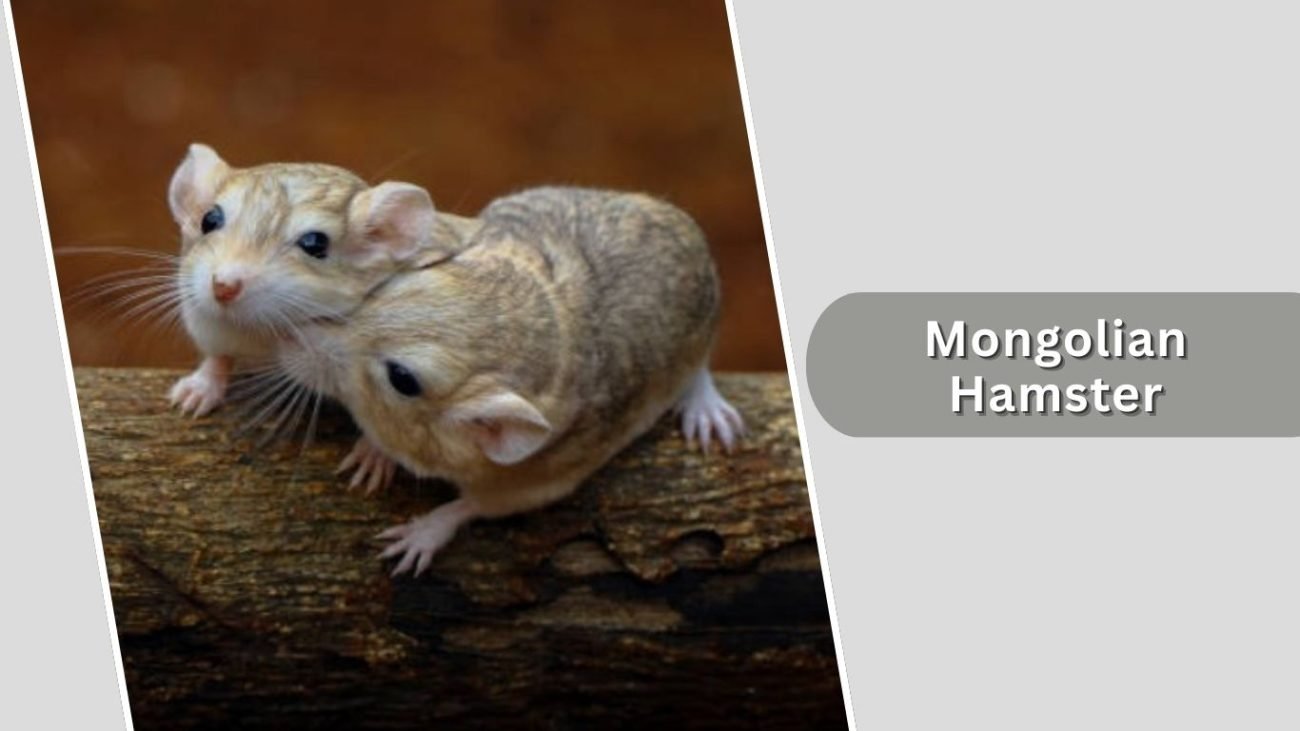
The Mongolian hamster is a small wild hamster species native to Mongolia, northern China, and parts of southern Siberia. It is well adapted to dry steppes and semi-desert environments, where it survives extreme temperatures and limited vegetation.
Identification
- Small to medium-sized hamster with a slim body
- Sandy-brown to gray fur on the back
- Whitish underside
- Short tail
- Small rounded ears
- Large cheek pouches for carrying food
Habitat
Mongolian hamsters inhabit dry steppes, semi-deserts, and open grasslands. They dig burrows in sandy or loose soils, often in areas with sparse vegetation. These burrows provide protection from predators and extreme weather.
Behaviors
They are mostly nocturnal and solitary. Mongolian hamsters are fast runners and skilled diggers. They forage mainly at night and quickly retreat into their burrows when threatened.
Diet and lifecycle
Their diet includes seeds, grasses, roots, and insects. Breeding occurs during warmer months. Females usually give birth to 4–8 pups after about 18–21 days. The young grow quickly and become independent within a month.
15. Tibetan Hamster (Cricetulus alticola)
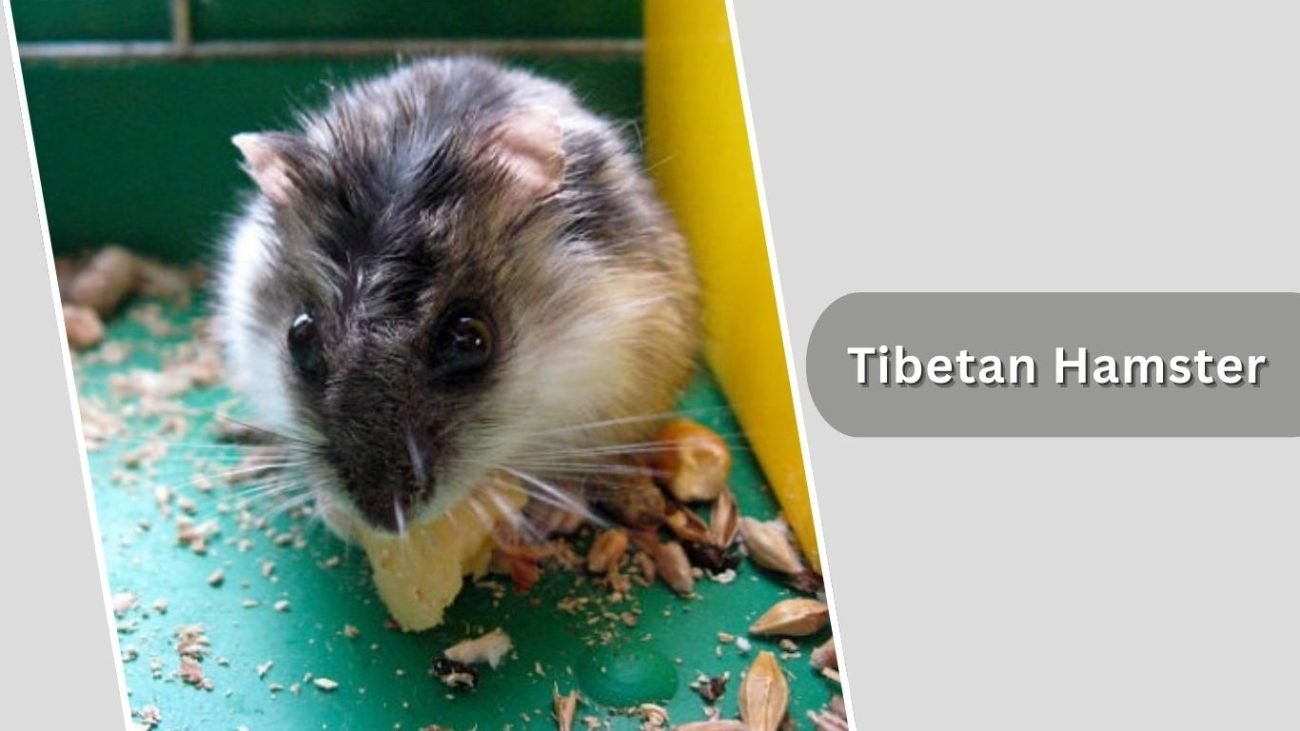
The Tibetan hamster is a small wild hamster species native to the high-altitude regions of the Tibetan Plateau and nearby mountainous areas. It is adapted to cold climates and thin air, living in open grasslands and alpine environments.
Identification
- Small, compact-bodied hamster
- Gray-brown fur on the back
- Pale gray or whitish underside
- Short tail
- Small rounded ears
- Large cheek pouches and strong front claws
Habitat
Tibetan hamsters live in alpine meadows, high-altitude grasslands, and mountain steppes. They dig burrows in firm soils, which provide insulation from cold temperatures and protection from predators.
Behaviors
They are mostly nocturnal and solitary. Tibetan hamsters spend much of their time underground and emerge mainly at night to forage. They are well adapted to cooler conditions and may reduce activity during extreme cold.
Diet and lifecycle
Their diet includes grasses, seeds, roots, herbs, and insects. Breeding occurs during the short warm season. Females usually give birth to 4–7 pups after about 18–20 days. The young mature quickly to prepare for harsh mountain conditions.
16. Long-tailed Dwarf Hamster (Cricetulus longicaudatus)
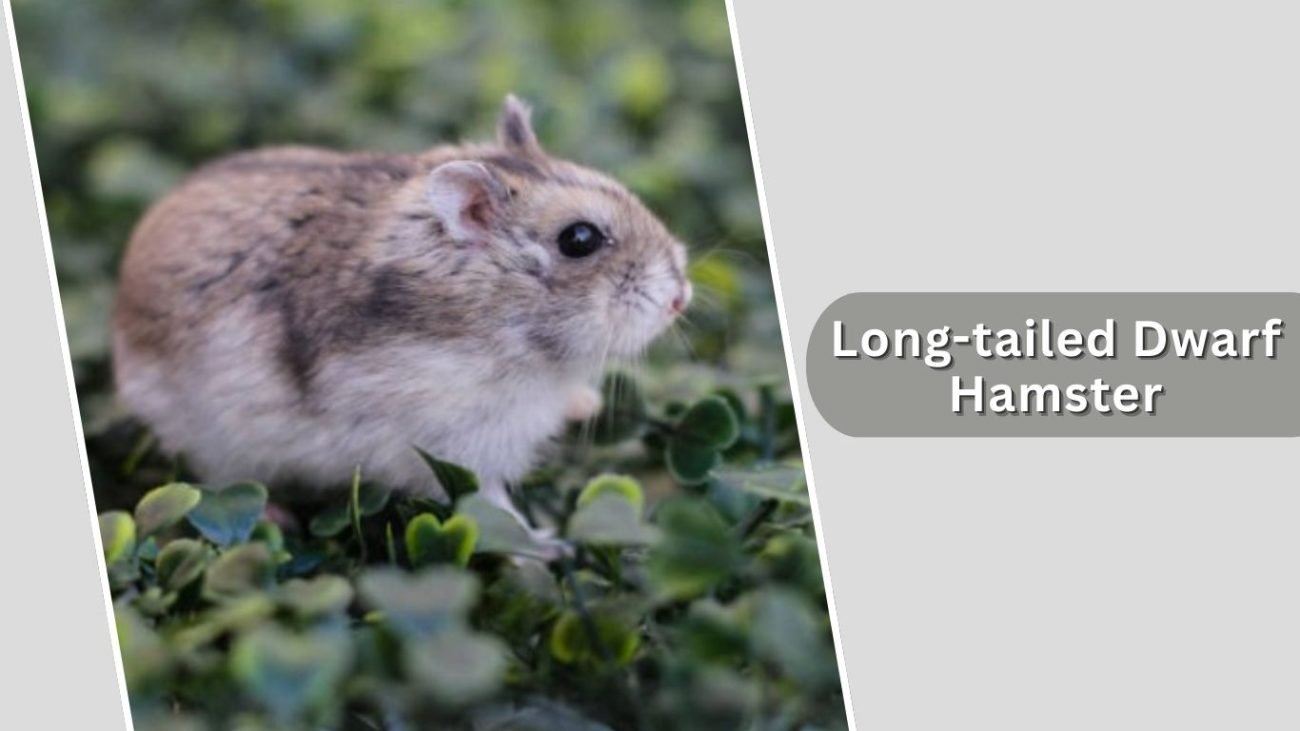
The long-tailed dwarf hamster is a small wild hamster species native to northern China, Mongolia, and parts of Siberia. It is named for having a noticeably longer tail than most other hamsters. This agile species lives in open, dry landscapes and is rarely seen by humans.
Identification
- Small, slender-bodied hamster
- Gray-brown to sandy fur on the back
- Pale or whitish underside
- Noticeably longer tail than most hamsters
- Small rounded ears and dark eyes
- Large cheek pouches for carrying food
Habitat
Long-tailed dwarf hamsters inhabit steppes, semi-deserts, rocky plains, and dry grasslands. They dig burrows in loose soil, often in open areas with sparse vegetation. These burrows provide shelter from predators and extreme temperatures.
Behaviors
They are mostly nocturnal and solitary. Long-tailed dwarf hamsters are quick runners and skilled diggers. They spend much of the day underground and emerge at night to forage. When threatened, they rapidly retreat into their burrows.
Diet and lifecycle
Their diet includes seeds, grains, grasses, roots, and insects. Breeding occurs during warmer months. Females usually give birth to 3–9 pups after about 18–21 days. The young grow quickly and become independent within three to four weeks.
FAQs
What is the most common pet hamster species?
The Syrian hamster is the most common pet hamster worldwide. It is larger than dwarf hamsters, easier to handle, and usually more tolerant of human interaction. Because they are solitary, Syrian hamsters are typically kept alone in captivity.
What is the difference between Syrian hamsters and dwarf hamsters?
Syrian hamsters are much larger and must live alone, while dwarf hamsters are smaller and some species can live in pairs if introduced properly. Dwarf hamsters are generally faster and more active, making them better for observation than handling.
Are hamsters nocturnal or active during the day?
Most hamsters are nocturnal or crepuscular, meaning they are active at night or during dawn and dusk. During the day, they usually sleep in burrows or nests and become active after sunset to forage and explore.
What do hamsters eat in the wild?
Wild hamsters mainly eat seeds, grains, grasses, roots, and insects. Some larger species also eat fruits and small animals. Their cheek pouches help them collect and transport food back to underground storage chambers.
How long do hamsters usually live?
Most hamsters live about 2 to 3 years, depending on the species and living conditions. Some larger species may live slightly longer, while wild hamsters often have shorter lifespans due to predators and environmental challenges.


