











Rabbits come in an incredible variety of sizes, coat types, and personalities, making them one of the most diverse domesticated animals. From tiny dwarf breeds to impressive giants, each rabbit has unique traits that appeal to different owners. Whether you’re choosing a pet, learning about rabbit care, or exploring breed history, this guide highlights 35 popular rabbit breeds and their characteristics, helping you discover the perfect match for your needs.
1. Holland Lop
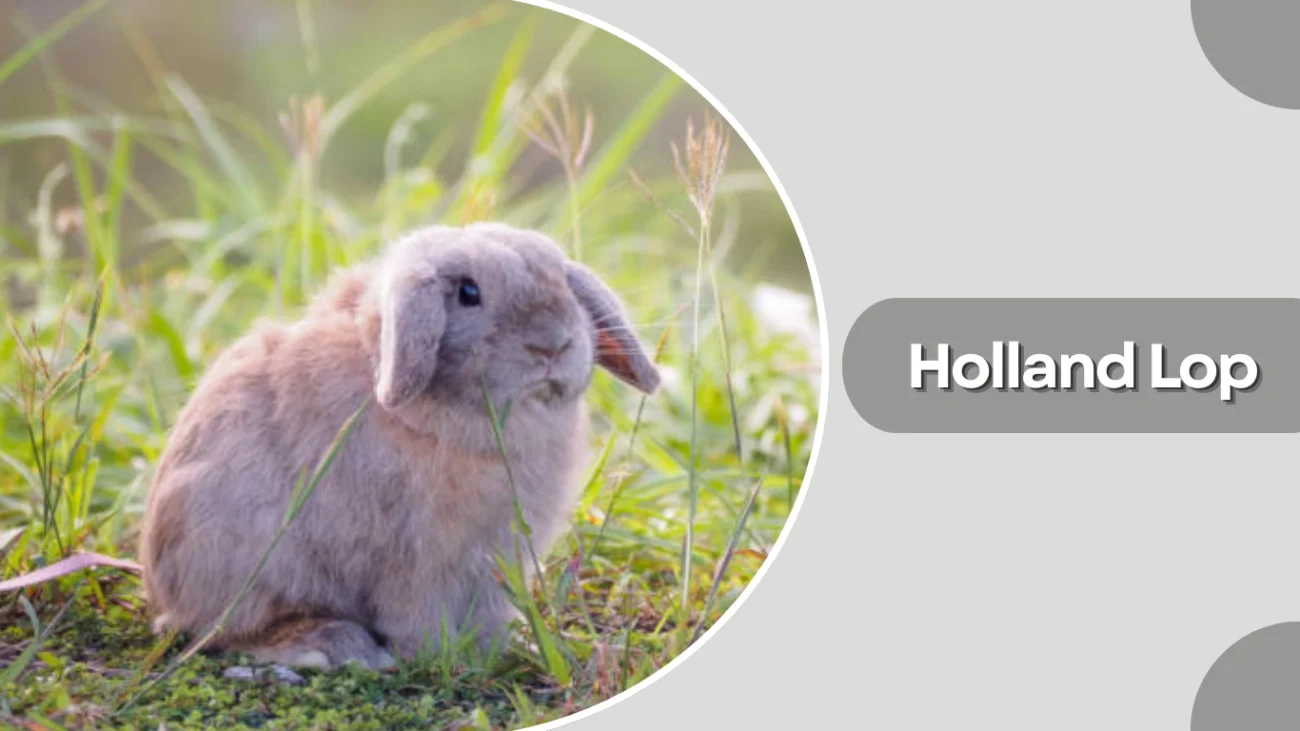
A compact, adorable rabbit breed known for its signature lopped ears and friendly temperament. The Holland Lop is one of the smallest lop-eared rabbits and is popular as both a pet and a show breed due to its gentle nature and distinctive appearance.
Identification
- Short, compact body with a muscular build
- Lopped ears that hang close to the cheeks
- Wide, rounded head often called a “crowning head”
- Dense, soft fur in many colors
- Average weight: 2–4 pounds
Habitat
Holland Lops thrive in clean, well-ventilated indoor or outdoor hutches. They prefer a dry, temperature-stable environment with ample bedding, space to hop, and enrichment items. Indoor living is ideal since it protects them from predators and harsh weather.
Behaviors
This breed is known for being affectionate, curious, and playful. Holland Lops enjoy gentle handling, explore their surroundings frequently, and form strong bonds with owners. They may display bursts of energy followed by long resting periods.
Diet
A healthy diet consists of unlimited hay, high-quality rabbit pellets, and fresh leafy greens. Occasional fruits can be offered as treats. Consistent fiber intake is crucial for preventing digestive issues and maintaining dental health.
2. Netherland Dwarf
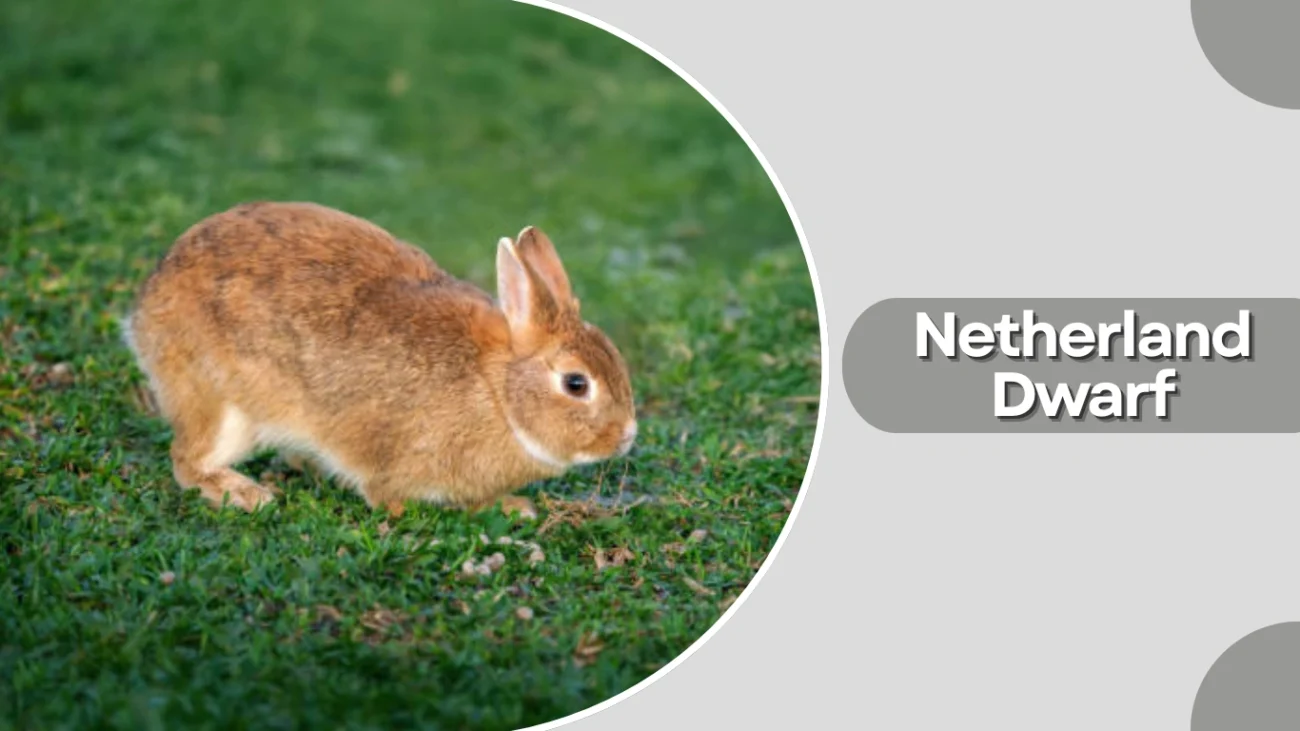
A tiny, energetic rabbit breed known for its compact size and bright, alert expression. The Netherland Dwarf is popular for its cute appearance, small stature, and lively personality, making it a favorite among pet owners and show enthusiasts.
Identification
- Very small body with a round, compact shape
- Short, upright ears
- Large, expressive eyes
- Dense, smooth coat in many colors
- Average weight: 1–2.5 pounds
Habitat
Netherland Dwarfs do best in a secure indoor environment with plenty of space to explore. They prefer a calm, temperature-controlled living area with soft bedding, tunnels, and toys. Outdoor setups must be predator-proof and weather-safe.
Behaviors
This breed is active and curious, often showing bursts of playfulness. They can be shy at first but become affectionate with gentle handling. Known for their intelligence, they enjoy enrichment activities and may learn simple commands.
Diet
Their diet should include unlimited hay, measured pellets, and daily leafy greens. Because of their small size, treat portions must be kept minimal. High-fiber nutrition is essential for maintaining healthy digestion and teeth.
3. Flemish Giant
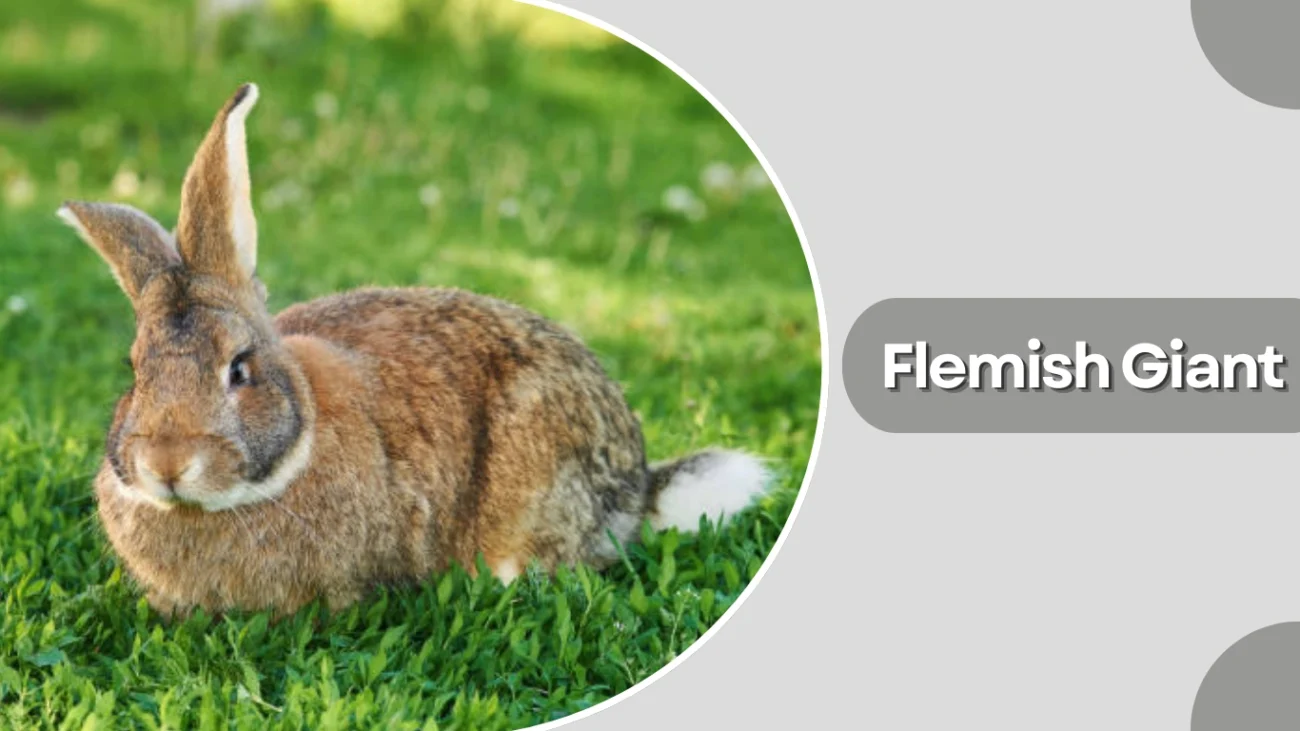
One of the largest rabbit breeds in the world, the Flemish Giant is known for its impressive size, gentle nature, and calm temperament. Despite their massive appearance, they are often called “gentle giants” due to their friendly behavior.
Identification
- Very large, long body with a semi-arched shape
- Long, upright ears
- Broad head and strong bone structure
- Short, dense coat in several recognized colors
- Average weight: 15–22 pounds (sometimes more)
Habitat
Flemish Giants require spacious living areas, whether indoors or outdoors. Their enclosure should allow for stretching and full movement, with thick bedding to support their weight. A stable, cool environment is ideal, as larger rabbits can overheat easily.
Behaviors
Calm, patient, and friendly, Flemish Giants typically enjoy human interaction and can even behave somewhat like dogs. They are gentle with children, curious in nature, and often move slowly due to their size. They appreciate quiet environments.
Diet
Given their size, they consume more food than smaller breeds. Their diet should include unlimited hay, generous portions of pellets, and daily leafy greens. Fresh water is essential at all times. Treats should be offered sparingly to avoid weight gain.
4. Mini Rex
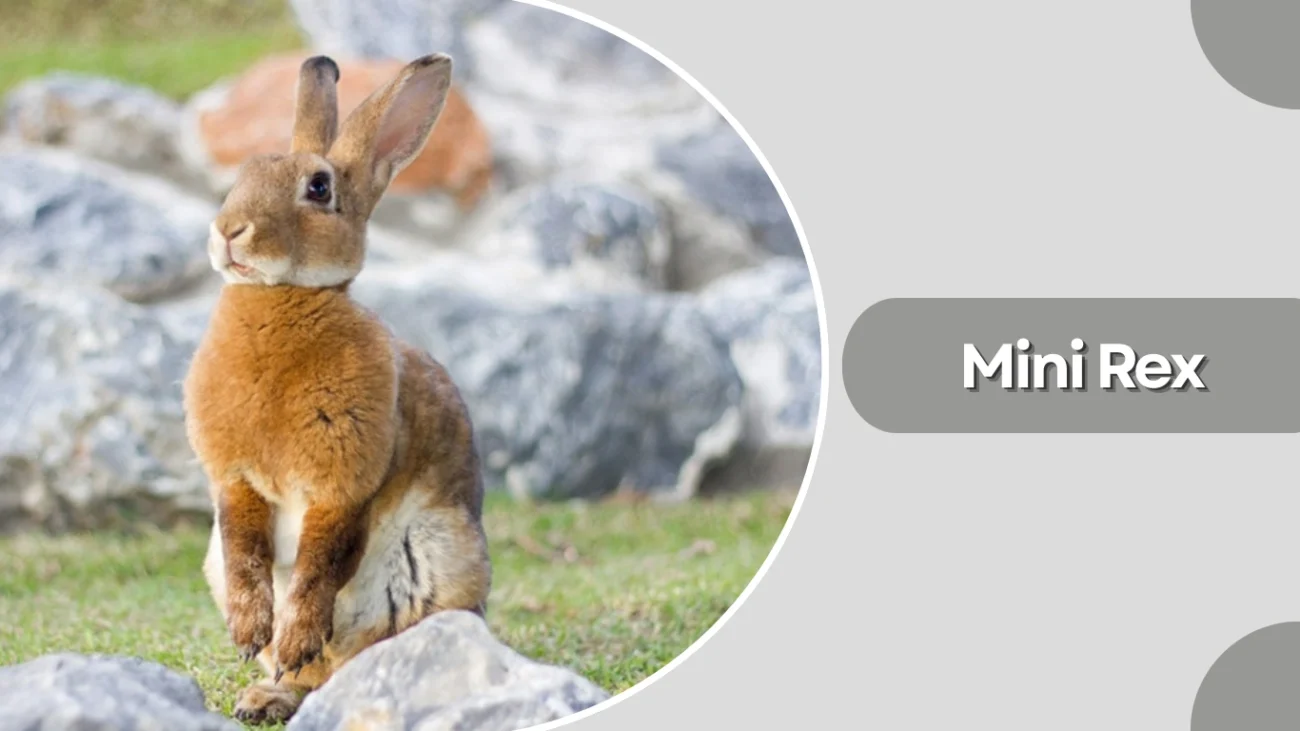
The Mini Rex is a small rabbit breed famous for its incredibly soft, velvety fur. This plush coat, combined with a calm and friendly temperament, makes the Mini Rex a popular choice for pets and show competitions.
Identification
- Compact, rounded body
- Short, upright ears
- Distinctive velvety fur due to unique hair structure
- Dense coat available in many colors and patterns
- Average weight: 3.5–4.5 pounds
Habitat
Mini Rex rabbits thrive in clean, comfortable indoor spaces. They prefer moderate temperatures and soft bedding that won’t damage their delicate fur. Their enclosure should provide room for exercise, toys for enrichment, and hiding areas for security.
Behaviors
This breed is known for being calm, gentle, and affectionate. Mini Rex rabbits enjoy spending time with their owners and are often tolerant of handling. They are curious but not overly energetic, making them suitable for families and first-time rabbit owners.
Diet
Their diet should include unlimited hay, quality rabbit pellets, and fresh leafy greens. Because Mini Rex rabbits may be prone to weight gain, treat intake should be limited. Consistent hay consumption supports both digestion and dental health.
5. Rex
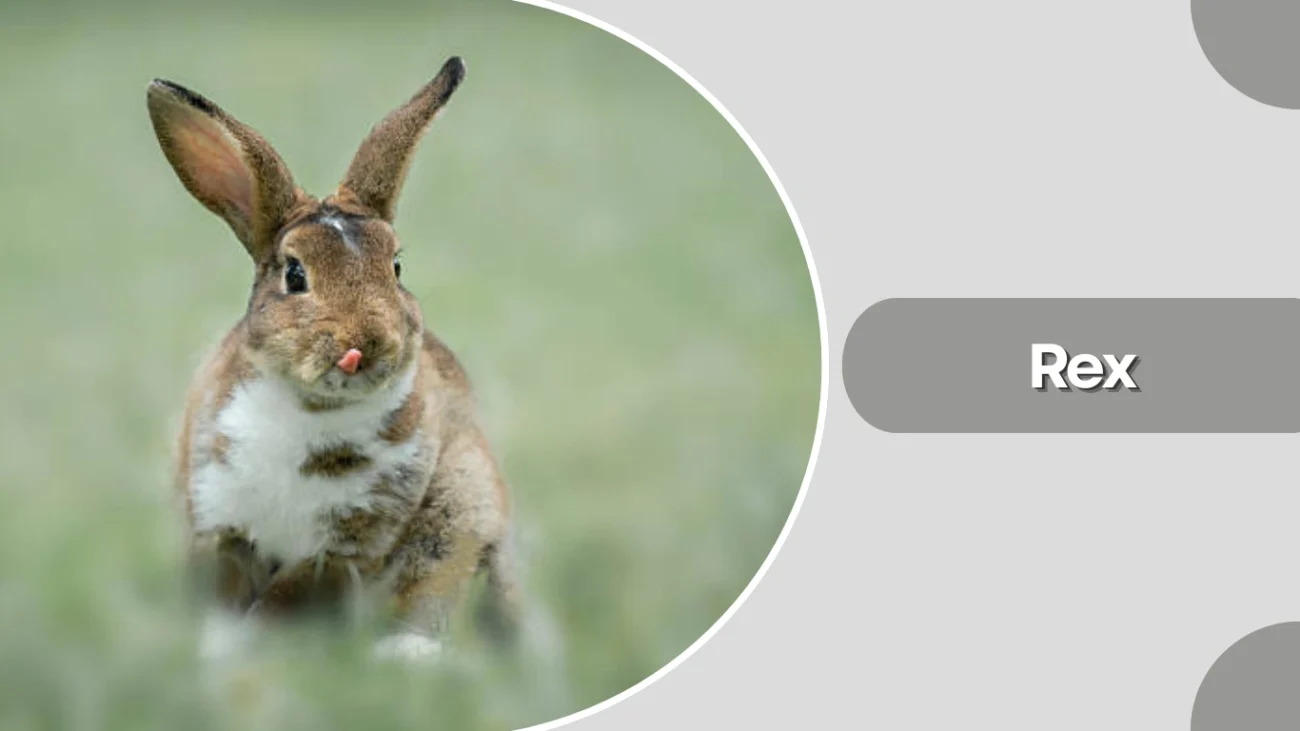
The Rex rabbit is admired for its luxurious fur, which feels like soft velvet due to its unique hair structure. Larger than the Mini Rex, this breed is calm, friendly, and well-suited for families, shows, and gentle companionship.
Identification
- Medium to large, rounded body
- Upright ears of moderate length
- Plush, dense fur with a velvety texture
- Available in many colors and patterns
- Average weight: 7.5–10.5 pounds
Habitat
Rex rabbits flourish in a spacious indoor or outdoor environment with good ventilation. Their enclosure should have soft bedding to preserve their delicate coat and plenty of room for exercise. A stable temperature environment is ideal for their comfort.
Behaviors
This breed is gentle, affectionate, and curious. Rex rabbits often bond well with their owners and enjoy interactive play. They are calm in temperament and adjust easily to family environments, making them popular pets for households of all sizes.
Diet
A Rex rabbit’s diet should consist of unlimited hay, high-quality pellets, and fresh leafy greens. Because they are medium to large in size, they require consistent access to water and fiber-rich foods to maintain good digestive health.
6. Lionhead
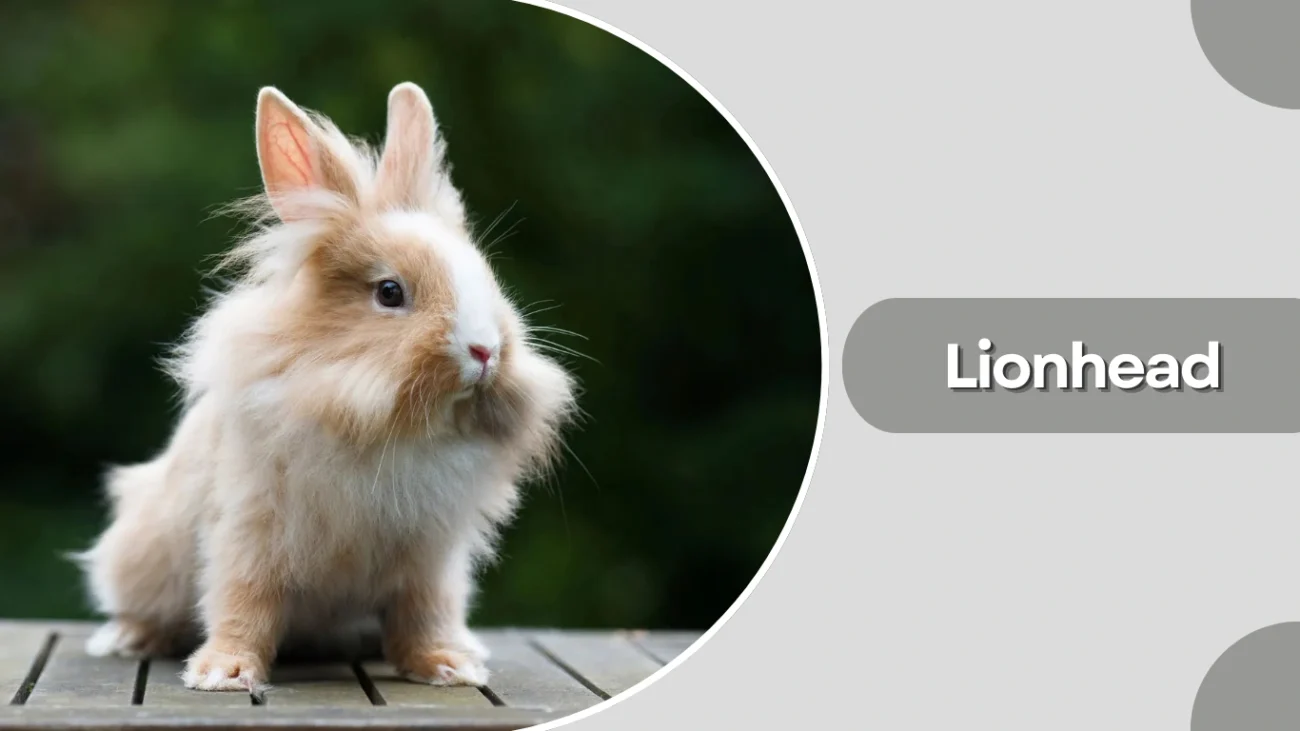
The Lionhead rabbit is a small, charming breed known for the distinctive woolly mane around its head. Its unique appearance, paired with a playful and affectionate nature, makes it a favorite among pet owners and enthusiasts.
Identification
- Compact body with a rounded shape
- Signature woolly “mane” around the head (single or double mane)
- Short, upright ears
- Soft, medium-length fur in many colors
- Average weight: 2.5–3.5 pounds
Habitat
Lionheads thrive in clean indoor habitats where temperatures remain stable. Their enclosure should include soft bedding, hiding spots, and plenty of room for activity. Because of their woolly mane, maintaining a dry, well-ventilated environment helps prevent matting and moisture issues.
Behaviors
This breed is energetic, curious, and affectionate. Lionheads enjoy playtime and human interaction but may initially be shy. They form close bonds with their owners and appreciate enrichment activities such as tunnels, toys, and gentle handling.
Diet
A balanced diet of unlimited hay, measured pellets, and daily leafy greens keeps Lionheads healthy. Their woolly coat increases the risk of hair ingestion, so high-fiber hay is essential to support digestion and prevent GI stasis.
7. English Lop
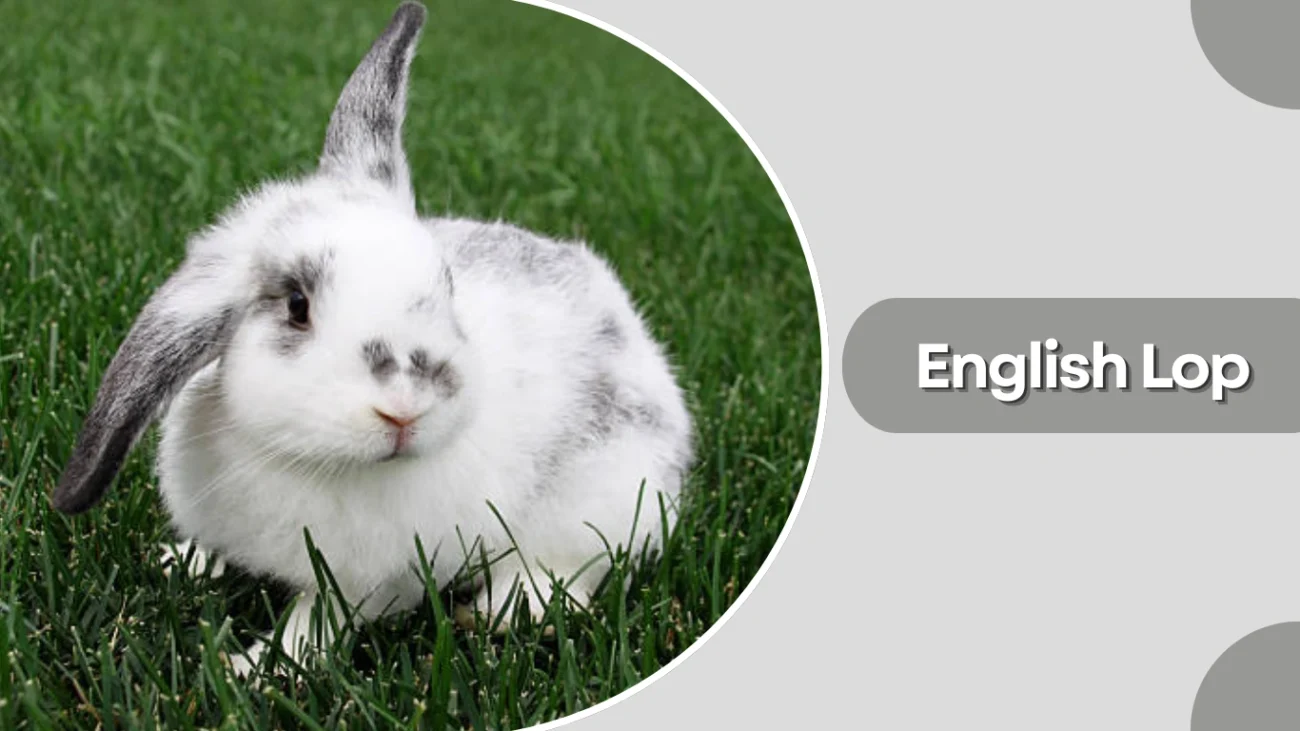
The English Lop is one of the oldest domestic rabbit breeds, famous for its extremely long, drooping ears. Known for its friendly, relaxed nature, this breed is a gentle companion with a striking and unforgettable appearance.
Identification
- Long, slender body with a semi-arched shape
- Extremely long lopped ears, often over 20 inches combined
- Narrow, elegant head
- Short, smooth coat in various colors
- Average weight: 9–11 pounds
Habitat
English Lops require a spacious living area to protect their ears from injury. Soft, clean bedding is essential to prevent irritation. They thrive in mild temperatures, as their large ears help regulate heat but are sensitive to cold and rough surfaces.
Behaviors
This breed is known for being calm, social, and affectionate. English Lops enjoy lounging, interacting with people, and exploring at a slow, relaxed pace. They typically have gentle personalities and get along well with families and other pets.
Diet
Their diet should include unlimited hay, high-quality pellets, and daily leafy greens. Due to their size, they need consistent hydration and balanced nutrition. Treats should be offered sparingly to avoid unnecessary weight gain.
8. French Lop
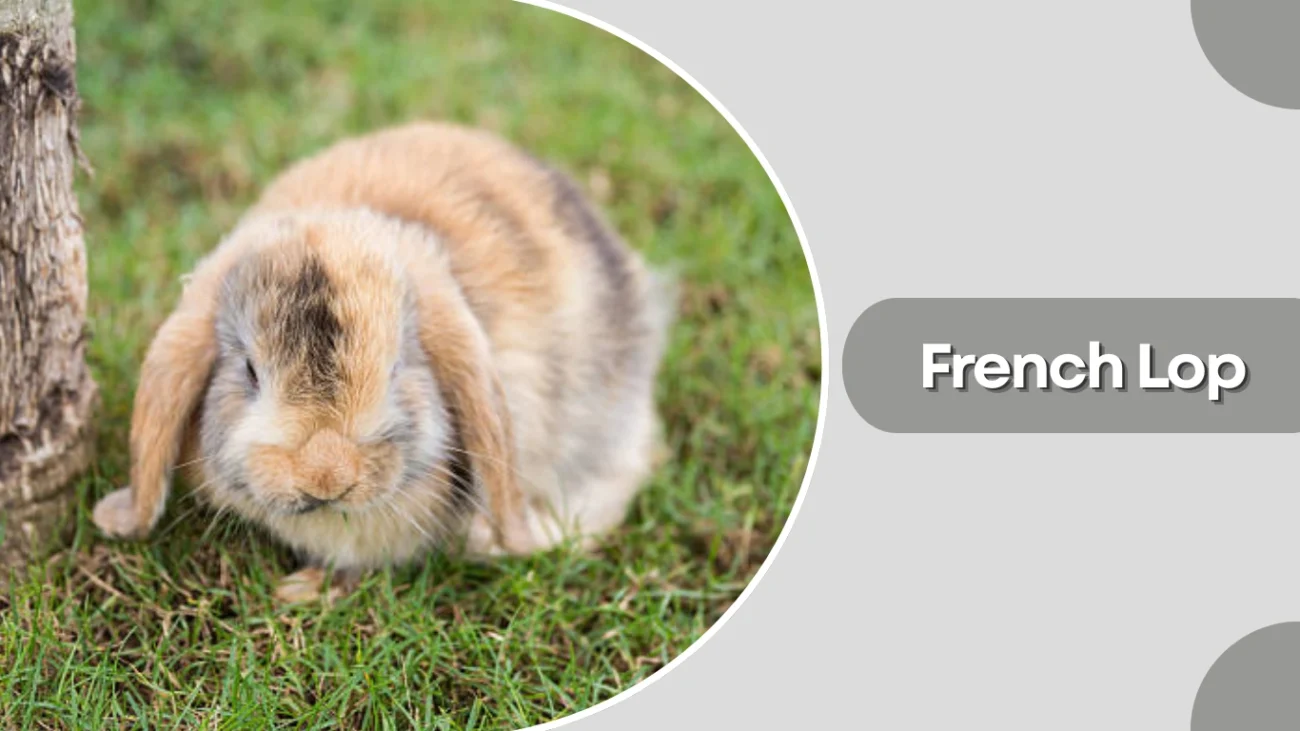
The French Lop is a large, powerful rabbit breed known for its sturdy build and lopped ears. Despite their size, they are calm, affectionate, and make excellent companion animals for owners who can provide enough space.
Identification
- Large, muscular body with a broad frame
- Thick, lopped ears
- Wide head with a strong bone structure
- Dense, smooth fur in many color varieties
- Average weight: 10–15 pounds
Habitat
French Lops require a roomy indoor or outdoor enclosure with plenty of space to stretch and move. Soft bedding helps prevent pressure sores, and a stable, cool environment is ideal. Their size makes them less suitable for small cages or confined areas.
Behaviors
These rabbits are gentle, friendly, and social. French Lops enjoy interaction with humans, often showing calm and affectionate behavior. They are curious yet relaxed, and they bond well with consistent, gentle handling.
Diet
A French Lop’s diet should include unlimited hay, generous portions of pellets, and daily leafy greens. Fresh water is essential, and treats should be limited to avoid obesity. Their larger size means they consume slightly more food than average breeds.
9. Mini Lop
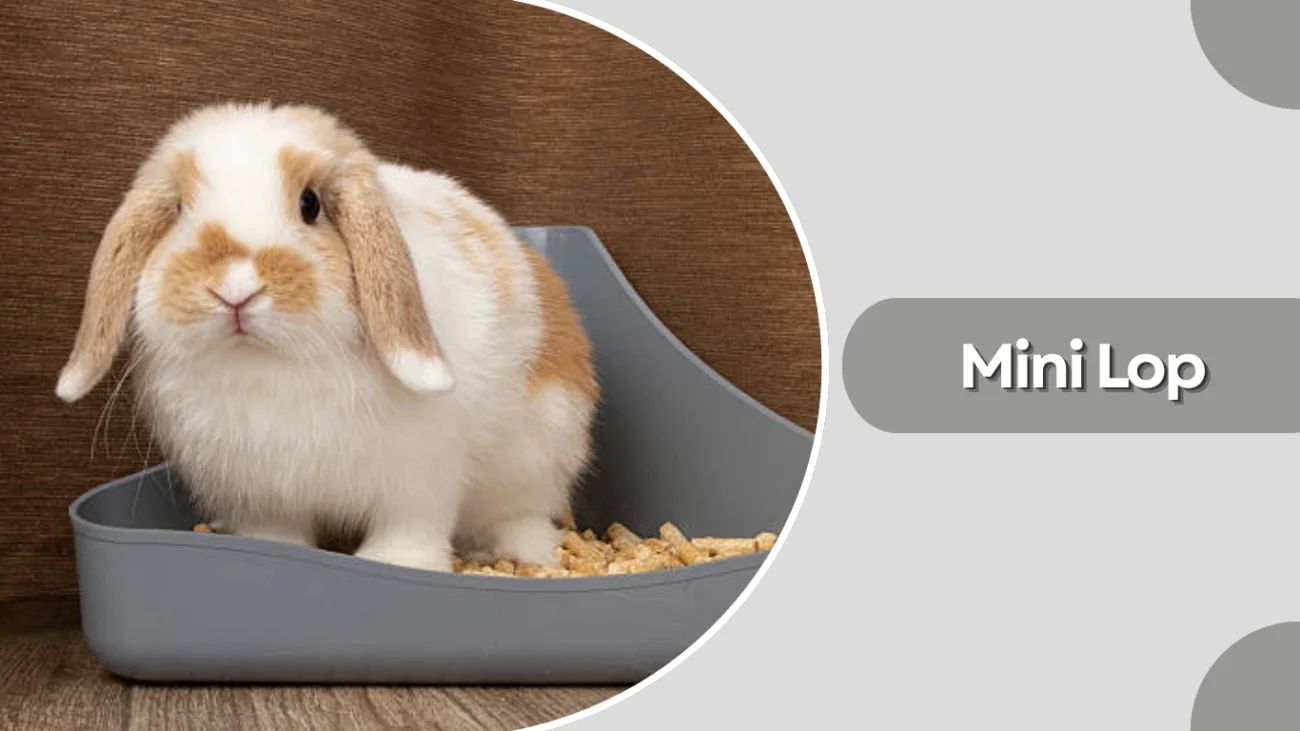
The Mini Lop is a compact, sturdy rabbit breed cherished for its rounded body shape and friendly personality. Known for being affectionate and playful, this breed is popular among families and pet owners looking for a small yet sturdy companion.
Identification
- Compact, muscular body with a rounded appearance
- Lopped ears that hang close to the cheeks
- Broad head and short neck
- Dense, soft fur available in many color patterns
- Average weight: 4.5–6 pounds
Habitat
Mini Lops thrive in indoor environments where temperatures are stable. Their enclosure should be spacious enough for exercise, with soft bedding, toys, and hideouts. Good ventilation and regular cleaning help maintain their coat and health.
Behaviors
This breed is playful, affectionate, and social. Mini Lops enjoy spending time with their owners and often seek attention. They have moderate energy levels, showing bursts of playfulness followed by relaxed lounging periods.
Diet
A Mini Lop’s diet should include unlimited hay, quality rabbit pellets, and daily leafy greens. Fresh water should always be available. Treats must be given in moderation to prevent weight gain, as this breed can become pudgy if overfed.
10. California Rabbit

The Californian rabbit is a medium-to-large breed known for its distinctive markings and calm temperament. Originally developed for meat and show purposes, it is now also popular as a gentle, easygoing pet.
Identification
- Medium to large body with a commercial build
- White coat with dark markings on nose, ears, feet, and tail
- Upright ears of moderate length
- Dense, plush fur
- Average weight: 8–10.5 pounds
Habitat
Californian rabbits do well in spacious indoor or outdoor enclosures with good ventilation. They prefer clean, dry bedding and areas where they can exercise freely. Stable, moderate temperatures help maintain their comfort and overall health.
Behaviors
Californians are calm, friendly, and adaptable. They often bond well with their owners and show curiosity during playtime. Their balanced temperament makes them great for families, beginners, or anyone seeking a low-maintenance rabbit.
Diet
A healthy diet includes unlimited hay, quality pellets, and daily leafy greens. Because they are medium-to-large rabbits, they require consistent hydration and fiber-rich foods to maintain good digestion and energy levels.
11. New Zealand Rabbit

The New Zealand rabbit is a large, hardy breed widely recognized for its excellent temperament and robust body. Originally developed for meat and commercial use, it is now also a popular pet and show rabbit due to its calm nature.
Identification
- Large, muscular body with a strong frame
- Upright ears
- Short, dense coat—commonly white, red, or black
- Broad head and powerful build
- Average weight: 9–12 pounds
Habitat
New Zealands thrive in spacious indoor or outdoor environments with soft bedding and plenty of room for exercise. They prefer stable temperatures and well-ventilated surroundings. Outdoor hutches must be predator-proof and weather-protected.
Behaviors
This breed is calm, gentle, and friendly. New Zealands adapt well to handling and often bond closely with their owners. They are moderately active, enjoy exploring, and are known for being even-tempered and easy to train.
Diet
Their diet should include unlimited hay, high-quality pellets, and daily leafy greens. Because they are larger rabbits, they need ample water and fiber-rich foods to maintain digestive health. Treats should be limited to avoid excess weight gain.
12. Harlequin Rabbit

The Harlequin rabbit is admired for its striking, colorful patterns and lively personality. Known as the “clown of rabbits,” this breed is playful, social, and instantly recognizable by its unique markings.
Identification
- Medium-sized body with a balanced, rounded build
- Upright ears
- Distinctive alternating colors arranged in bars or patches
- Two main pattern types: Japanese (orange + another color) and Magpie (white + another color)
- Average weight: 6.5–9.5 pounds
Habitat
Harlequins do well in clean, spacious enclosures with good ventilation. They enjoy indoor environments with stable temperatures and ample room for play. Outdoor setups must be secure, dry, and protected from harsh weather.
Behaviors
This breed is energetic, curious, and highly social. Harlequins love interaction, enrichment toys, and exploring their surroundings. They tend to bond closely with owners and may display playful antics, reflecting their “clown” nickname.
Diet
A balanced diet includes unlimited hay, quality pellets, and daily leafy greens. Their active nature means they benefit from steady hydration and fiber-rich foods to maintain energy and digestive health. Treats should be offered sparingly.
13. Dutch Rabbit
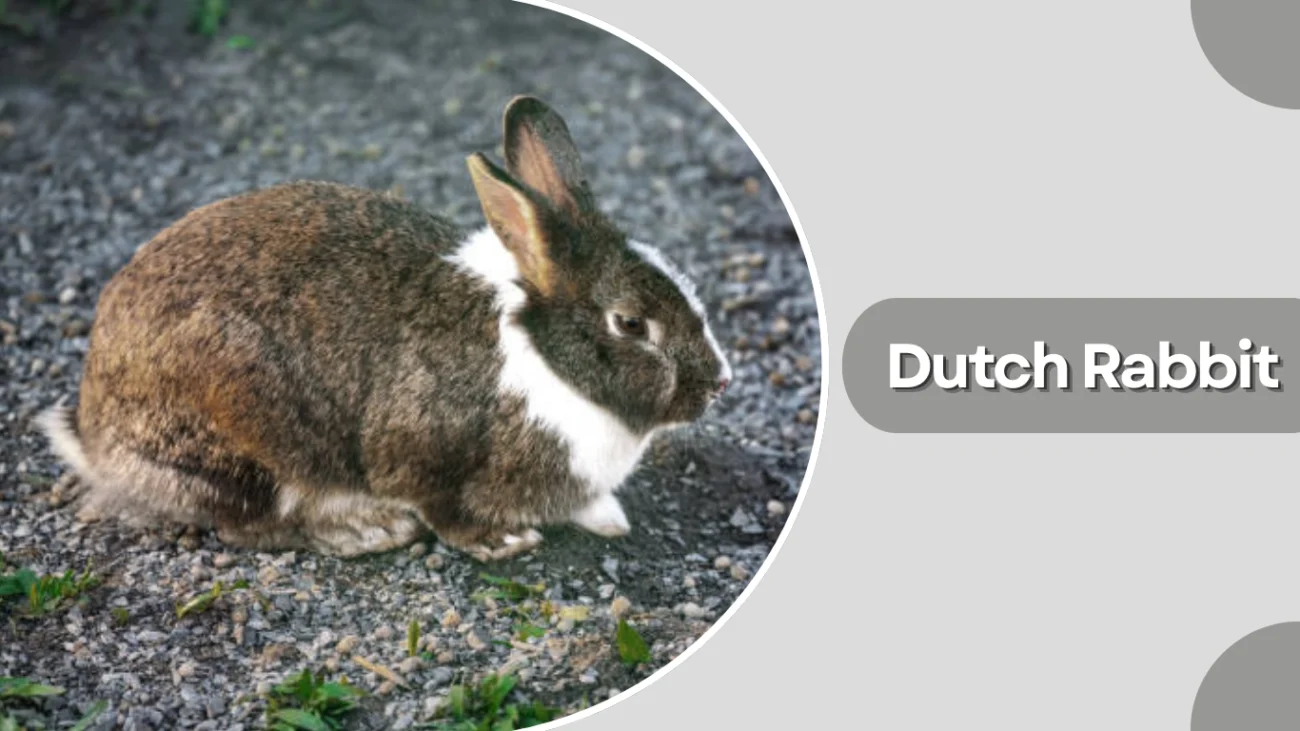
The Dutch rabbit is one of the most recognizable breeds due to its classic color pattern and charming personality. Friendly, gentle, and easy to care for, it has long been a favorite among families and first-time rabbit owners.
Identification
- Compact, rounded body
- Upright ears
- Distinctive markings: white blaze on the face and a white band around the shoulders
- Smooth, short coat in many color varieties
- Average weight: 3.5–5.5 pounds
Habitat
Dutch rabbits thrive in clean, comfortable indoor environments with good airflow. Their enclosure should include soft bedding, toys, and space for exercise. Outdoor living is possible if the hutch is secure, weather-protected, and predator-proof.
Behaviors
This breed is friendly, calm, and social. Dutch rabbits enjoy human interaction and adapt well to handling. They are moderately active, showing playful bursts while also appreciating quiet rest periods. Their steady temperament makes them great companions.
Diet
A healthy diet consists of unlimited hay, high-quality pellets, and daily leafy greens. Fresh water should be available at all times. Treats should be given in moderation to maintain a healthy weight and avoid digestive issues.
14. Himalayan Rabbit

The Himalayan rabbit is an elegant, medium-sized breed known for its striking color-point pattern and gentle temperament. Often compared to Siamese cats in appearance, this rabbit is calm, affectionate, and highly adaptable.
Identification
- Cylindrical, elongated body shape
- Upright ears
- White coat with dark color points on the nose, ears, feet, and tail
- Smooth, short fur
- Average weight: 2.5–4.5 pounds
Habitat
Himalayans thrive in moderate temperatures, as their color points can darken or lighten based on climate. They do best in clean, well-ventilated indoor spaces, though secure outdoor hutches are suitable in mild weather conditions.
Behaviors
This breed is calm, patient, and affectionate. Himalayans are especially known for their gentle nature and tolerance, making them excellent pets for families. They enjoy soft handling, quiet environments, and relaxed playtime.
Diet
Their diet includes unlimited hay, quality pellets, and daily leafy greens. Adequate water and high-fiber foods help support their digestion and overall health. Treats should be offered in moderation to avoid unnecessary weight gain.
15. Silver Fox Rabbit
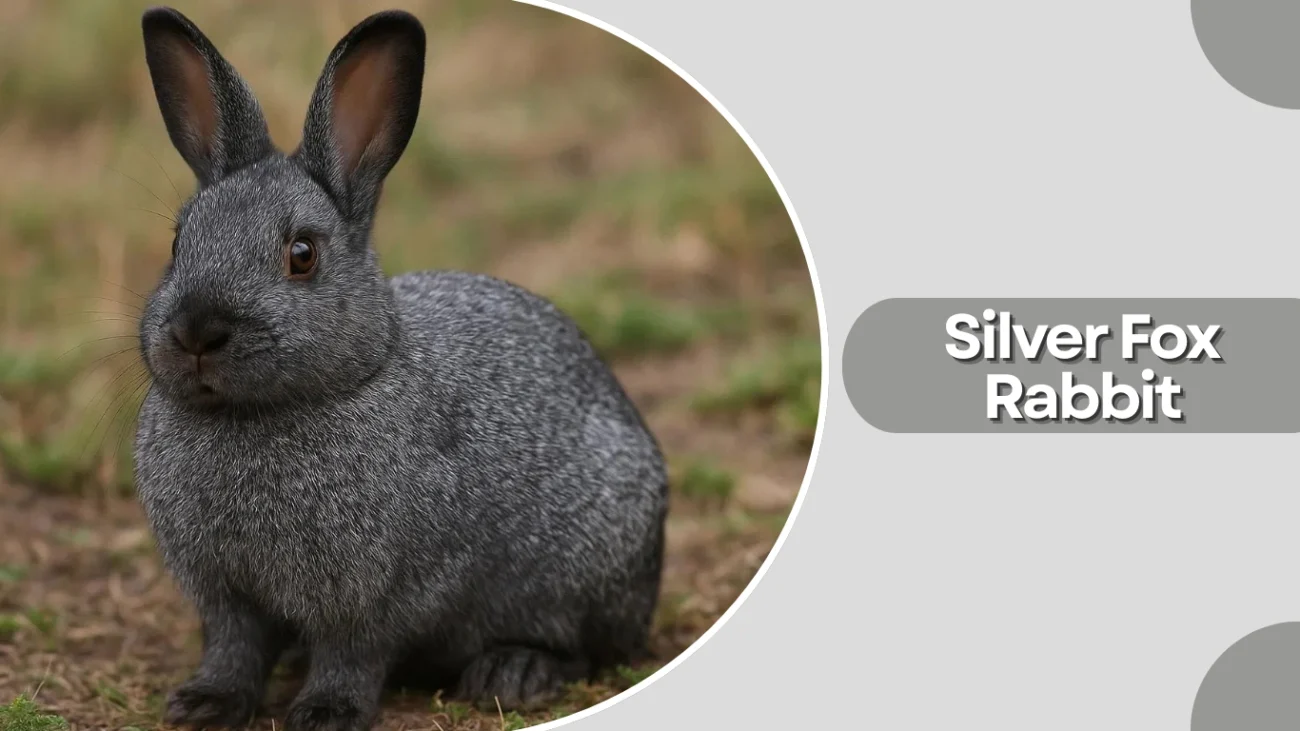
The Silver Fox rabbit is a unique, dual-purpose breed known for its stunning fur that resembles that of a silver fox. Calm, friendly, and sizable, this breed is valued for both its beauty and gentle temperament.
Identification
- Large, commercial-type body
- Upright ears
- Dense, medium-length fur that stands upright when stroked
- Distinct silver-tipped hairs giving a frosted appearance
- Average weight: 9–12 pounds
Habitat
Silver Fox rabbits thrive in spacious indoor or outdoor environments with good ventilation. Their enclosure should offer plenty of room for movement, soft bedding, and protection from extreme temperatures. Regular grooming helps maintain their unique fur texture.
Behaviors
This breed is calm, patient, and affectionate. Silver Fox rabbits enjoy gentle handling and often bond closely with their owners. They are moderately active and appreciate quiet environments with opportunities to explore and interact.
Diet
A balanced diet includes unlimited hay, high-quality pellets, and daily leafy greens. As a larger rabbit, the Silver Fox requires consistent water intake and fiber-rich foods to maintain digestive and overall health. Treats should be limited.
16. Checkered Giant

The Checkered Giant is a striking, large rabbit breed known for its athletic build and bold, eye-catching markings. Energetic and graceful, it is often admired in show rings for its elegant posture and distinctive appearance.
Identification
- Long, arched body with a slender build
- Upright ears
- White coat with bold black or blue markings, including a spine strip and cheek spots
- Powerful legs built for agility
- Average weight: 11–13 pounds
Habitat
Checkered Giants need spacious enclosures that allow for active movement. They thrive in well-ventilated, clean environments with soft bedding and plenty of running space. Due to their size and energy, they benefit greatly from supervised free-roam time.
Behaviors
This breed is lively, alert, and energetic. Checkered Giants enjoy exploration and require regular physical activity. While friendly, they are often more independent than cuddly, making them well-suited for owners who appreciate active rabbits.
Diet
A healthy diet includes unlimited hay, quality pellets, and fresh leafy greens. Their higher activity level means they benefit from consistent hydration and fiber-rich foods. Treats should be kept minimal to prevent excessive weight.
17. American Rabbit

The American rabbit is a rare heritage breed known for its gentle nature and smooth, arch-shaped body. Originally developed for utility purposes, it is now prized by enthusiasts for its calm temperament and striking appearance.
Identification
- Medium to large body with a semi-arched shape
- Upright ears
- Short, dense fur in two varieties: Blue and White
- Smooth, uniform coat texture
- Average weight: 9–11 pounds
Habitat
Americans do well in spacious indoor or outdoor enclosures with proper ventilation. Their home should include soft bedding, ample exercise space, and protection from harsh temperatures. Regular grooming helps maintain their sleek coat.
Behaviors
This breed is known for being calm, quiet, and gentle. American rabbits are easygoing and adapt well to handling, making them suitable for families or beginner owners. They enjoy relaxed exploration and form steady bonds with consistent care.
Diet
Their diet should consist of unlimited hay, high-quality pellets, and daily leafy greens. Being a larger breed, they require abundant water and fiber to maintain strong digestive health. Treats should be given sparingly.
18. American Sable Rabbit

The American Sable is a medium-sized rabbit known for its rich sepia-toned coat and gentle temperament. Highly valued for its beauty and calm nature, this breed makes a wonderful companion for families and rabbit enthusiasts.
Identification
- Medium-sized, rounded body
- Upright ears
- Distinctive sepia-colored coat, darker on the face, feet, ears, and tail
- Soft, dense fur with shaded patterning
- Average weight: 7–10 pounds
Habitat
American Sables thrive in clean, spacious indoor or outdoor habitats with moderate temperatures. Good ventilation, fresh bedding, and room to move are essential. They enjoy environments where they can explore comfortably and rest undisturbed.
Behaviors
This breed is gentle, calm, and affectionate. American Sables bond well with their owners and adapt quickly to handling. They are moderately active and appreciate interactive play, quiet environments, and regular social time.
Diet
A balanced diet includes unlimited hay, quality rabbit pellets, and leafy greens. Fresh water should be available at all times. American Sables benefit from high-fiber foods to support digestion, and treats should be offered sparingly.
19. Champagne d’Argent Rabbit

The Champagne d’Argent is an elegant, medium-to-large rabbit breed known for its distinctive silvery coat. Calm, hardy, and beautiful, this breed has been cherished for centuries and remains popular with show fanciers and rabbit keepers.
Identification
- Medium-to-large, commercial-type body
- Upright ears
- Unique silver coat that develops as the rabbit ages
- Darker facial features and legs with shimmering guard hairs
- Average weight: 9–12 pounds
Habitat
Champagne d’Argents thrive in clean, well-ventilated indoor or outdoor enclosures. They need ample space to move, soft bedding, and environments protected from extreme temperatures. Regular grooming helps maintain their sparkling coat.
Behaviors
This breed is calm, friendly, and easy to handle. Champagne d’Argents enjoy gentle social interaction and adapt well to families. They are moderately active and appreciate opportunities to explore and stretch.
Diet
A healthy diet includes unlimited hay, high-quality pellets, and daily leafy greens. Their size requires consistent access to water and fiber to support strong digestion. Treats should be kept moderate to prevent weight gain.
20. Satin Rabbit
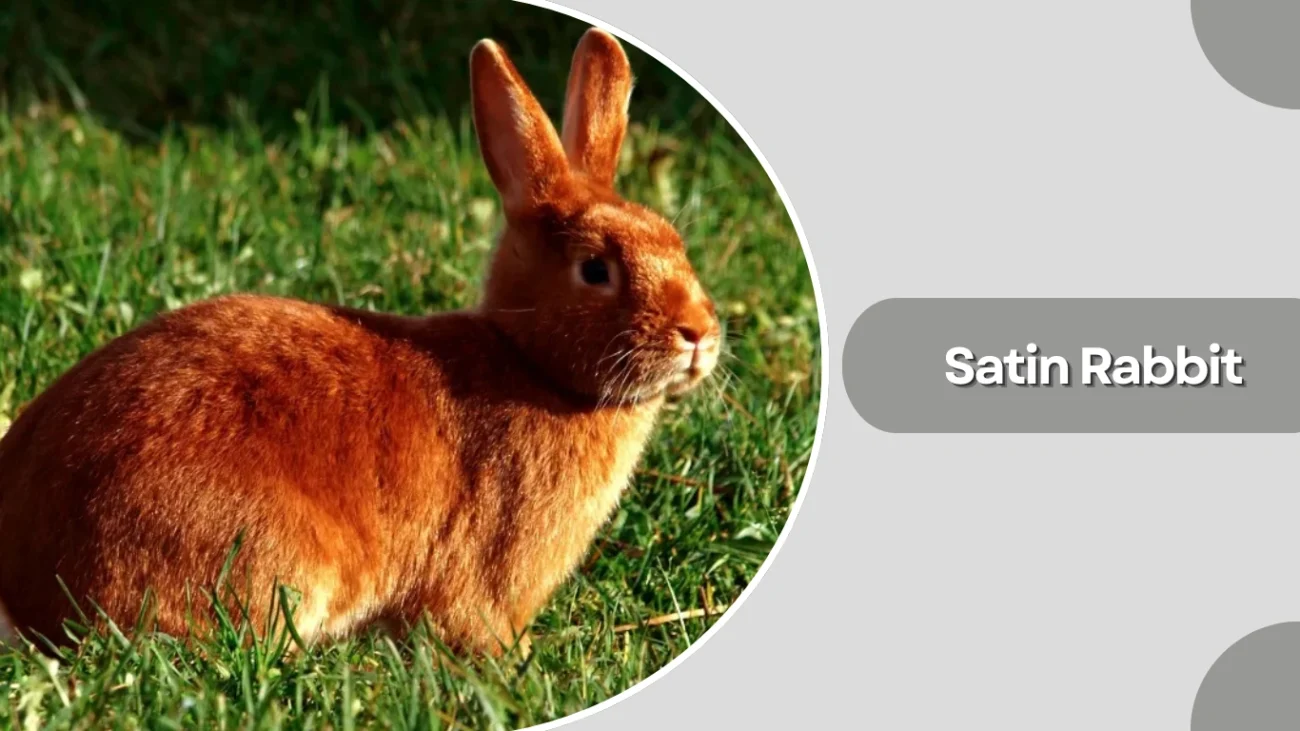
The Satin rabbit is admired for its glossy, lustrous coat that shines beautifully under light. This medium-sized breed is friendly, elegant, and popular for showing as well as companionship.
Identification
- Medium-sized body with a commercial build
- Upright ears
- Stunning satin-like coat with high shine due to unique hair transparency
- Available in many colors and patterns
- Average weight: 8–11 pounds
Habitat
Satins do well in roomy indoor or outdoor enclosures with clean bedding and good ventilation. Their coat is relatively low-maintenance, but environments should remain dry and comfortable. They enjoy areas where they can freely explore and exercise.
Behaviors
This breed is calm, affectionate, and adaptable. Satins are known to bond well with their owners and show friendly, easygoing personalities. They enjoy moderate activity and enrichment toys that encourage gentle play.
Diet
A Satin rabbit’s diet should include unlimited hay, high-quality pellets, and daily leafy greens. Fresh water is essential, and treats should be offered sparingly. High-fiber foods help maintain digestive balance and overall health.
21. Mini Satin

The Mini Satin is a small rabbit breed known for its brilliant, glossy coat and charming personality. Compact and friendly, this breed is popular with both pet owners and show enthusiasts.
Identification
- Small, compact body
- Upright ears
- High-gloss satin coat with a silky texture
- Comes in various recognized colors
- Average weight: 3–4.5 pounds
Habitat
Mini Satins thrive in clean indoor environments with stable temperatures. Their enclosure should include soft bedding, toys, and space for moderate exercise. Proper ventilation and regular grooming help maintain the shine and health of their coat.
Behaviors
This breed is friendly, curious, and affectionate. Mini Satins enjoy interacting with their owners and adapt well to gentle handling. They are moderately active and appreciate enrichment activities such as tunnels and chew toys.
Diet
A Mini Satin’s diet should include unlimited hay, measured high-quality pellets, and daily leafy greens. Because they are small, treat portions must be very limited. Consistent fiber intake is crucial for digestive and dental health.
22. Chinchilla Rabbit
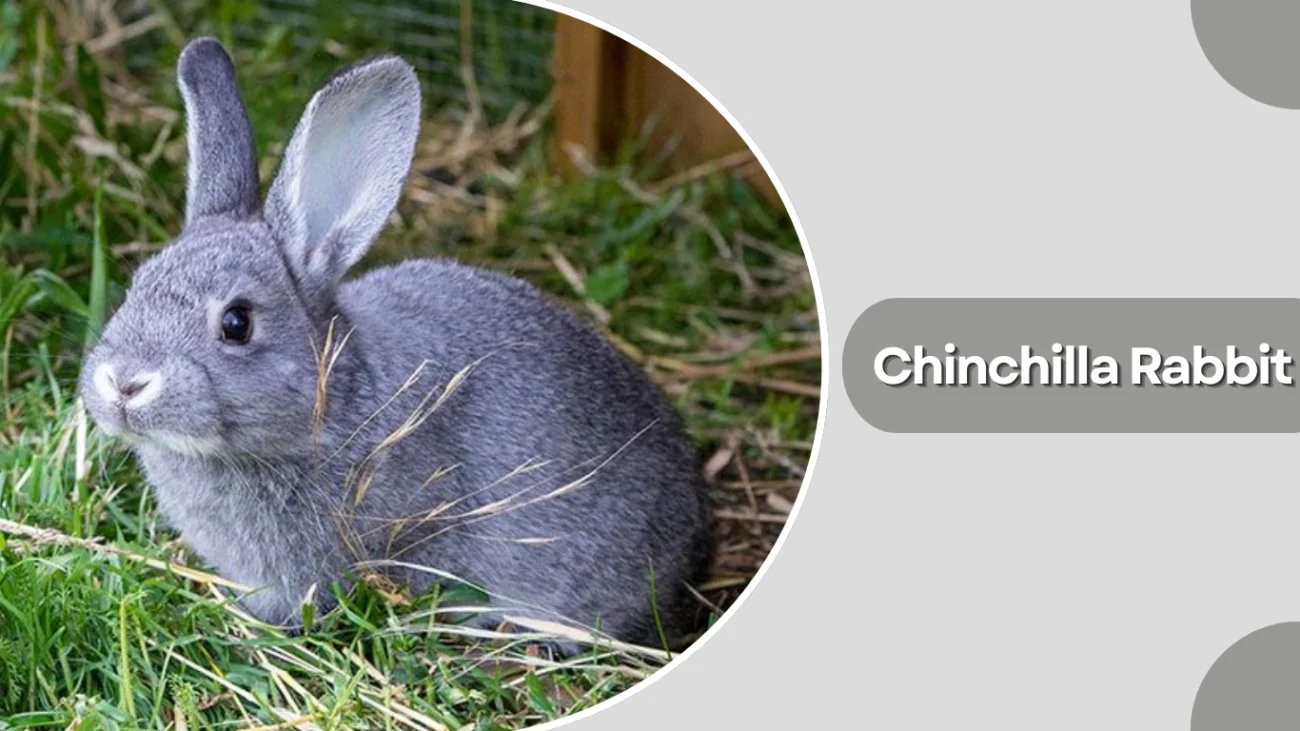
The Chinchilla rabbit is a medium-sized breed famous for its dense, beautiful fur that resembles the coat of a real chinchilla. Calm and friendly, this breed is loved for its gentle temperament and striking appearance.
Identification
- Medium-sized body with a commercial build
- Upright ears
- Luxurious, dense fur with a slate-blue undercolor and pearly ticking
- Soft, plush texture resembling chinchilla fur
- Average weight: 5.5–7.5 pounds
Habitat
Chinchilla rabbits thrive in clean, well-ventilated indoor or outdoor enclosures. They prefer moderate temperatures and soft bedding. Ample space for exercise and enrichment helps keep them physically and mentally stimulated.
Behaviors
This breed is gentle, calm, and easy to handle. Chinchillas enjoy human interaction and form strong bonds with their owners. They are moderately active, often showing bursts of playfulness followed by long resting periods.
Diet
Their diet should include unlimited hay, high-quality rabbit pellets, and fresh leafy greens. Adequate hydration and fiber intake are essential to support their digestion and maintain healthy fur. Treats should be given sparingly.
23. American Chinchilla
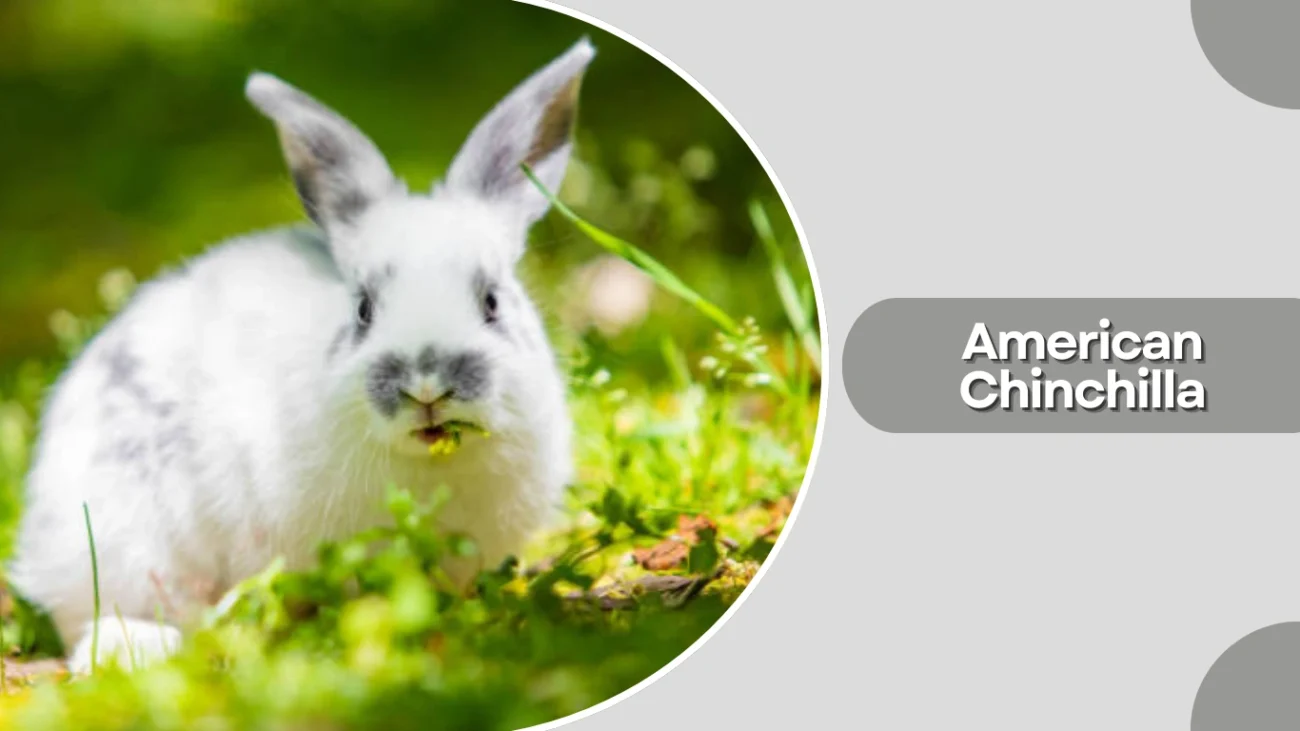
The American Chinchilla is a larger, commercial-type rabbit valued for its dense, beautiful coat and calm temperament. Known for its durability and friendly nature, it remains a favorite among breeders and rabbit enthusiasts.
Identification
- Large, sturdy commercial body
- Upright ears
- Dense chinchilla-colored fur with slate, pearl, and black banding
- Broad head and strong bone structure
- Average weight: 9–12 pounds
Habitat
American Chinchillas thrive in spacious indoor or outdoor enclosures with proper ventilation. They prefer moderate temperatures and clean, soft bedding. Adequate room to move and exercise supports their overall health and comfort.
Behaviors
This breed is calm, gentle, and easy to handle. American Chinchillas typically enjoy interaction and adapt well to family environments. They are moderately active, appreciating enrichment toys and opportunities to explore.
Diet
A balanced diet includes unlimited hay, high-quality pellets, and fresh leafy greens. Their larger size requires consistent access to water and fiber-rich foods to maintain digestive health. Treats should be offered in moderation.
24. Giant Chinchilla
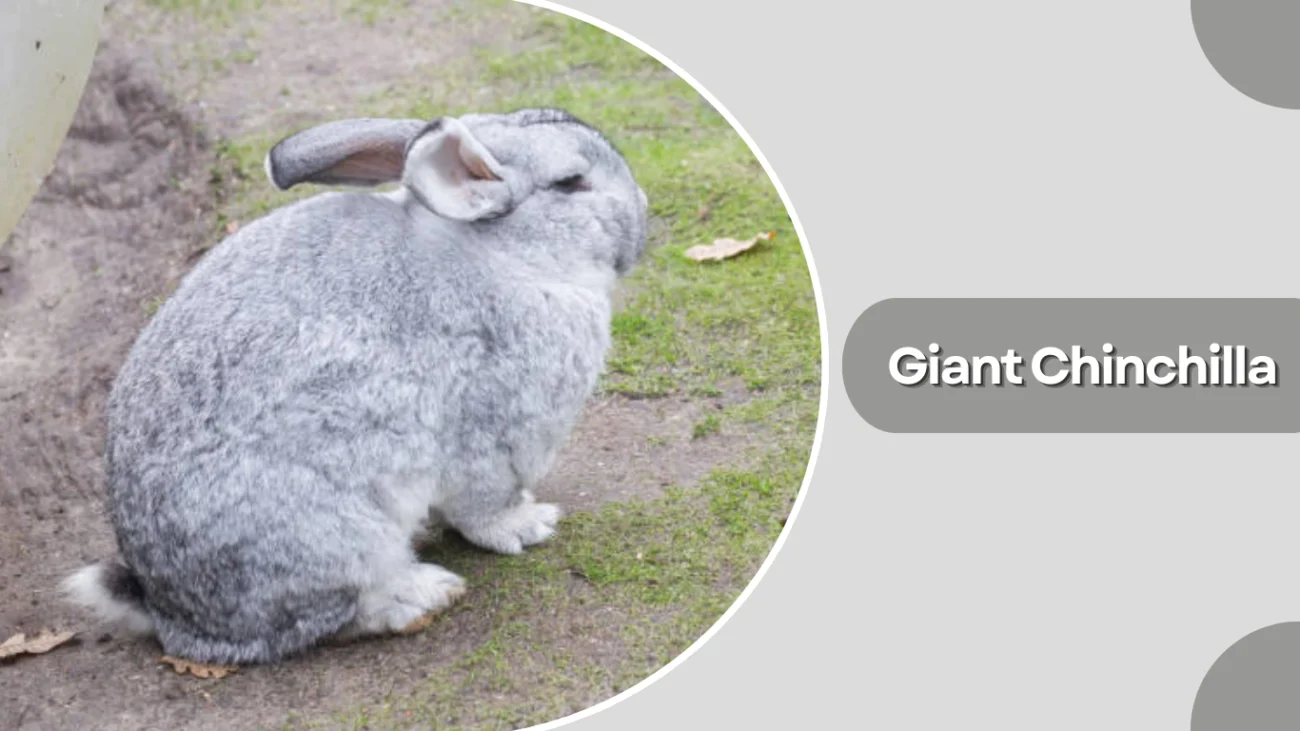
The Giant Chinchilla is a large, impressive breed developed for size and distinctive chinchilla-colored fur. Gentle, calm, and sturdy, this breed is appreciated by families and breeders alike for its friendly disposition and striking appearance.
Identification
- Large, commercial-type body
- Upright ears
- Dense chinchilla-patterned coat with slate, pearl, and black banding
- Broad head and strong bone structure
- Average weight: 12–16 pounds
Habitat
Giant Chinchillas require spacious enclosures with plenty of room to move and stretch. Soft, clean bedding helps protect their joints, and good ventilation is essential. They thrive best in stable indoor environments or well-protected outdoor setups.
Behaviors
This breed is gentle, calm, and affectionate. Giant Chinchillas enjoy interacting with their owners and adapt well to consistent handling. Their temperament is steady and relaxed, making them excellent companions for families.
Diet
A healthy diet includes unlimited hay, high-quality pellets, and daily leafy greens. As a large breed, they require steady hydration and fiber to support strong digestion. Treats should be limited to avoid excess weight.
25. English Angora
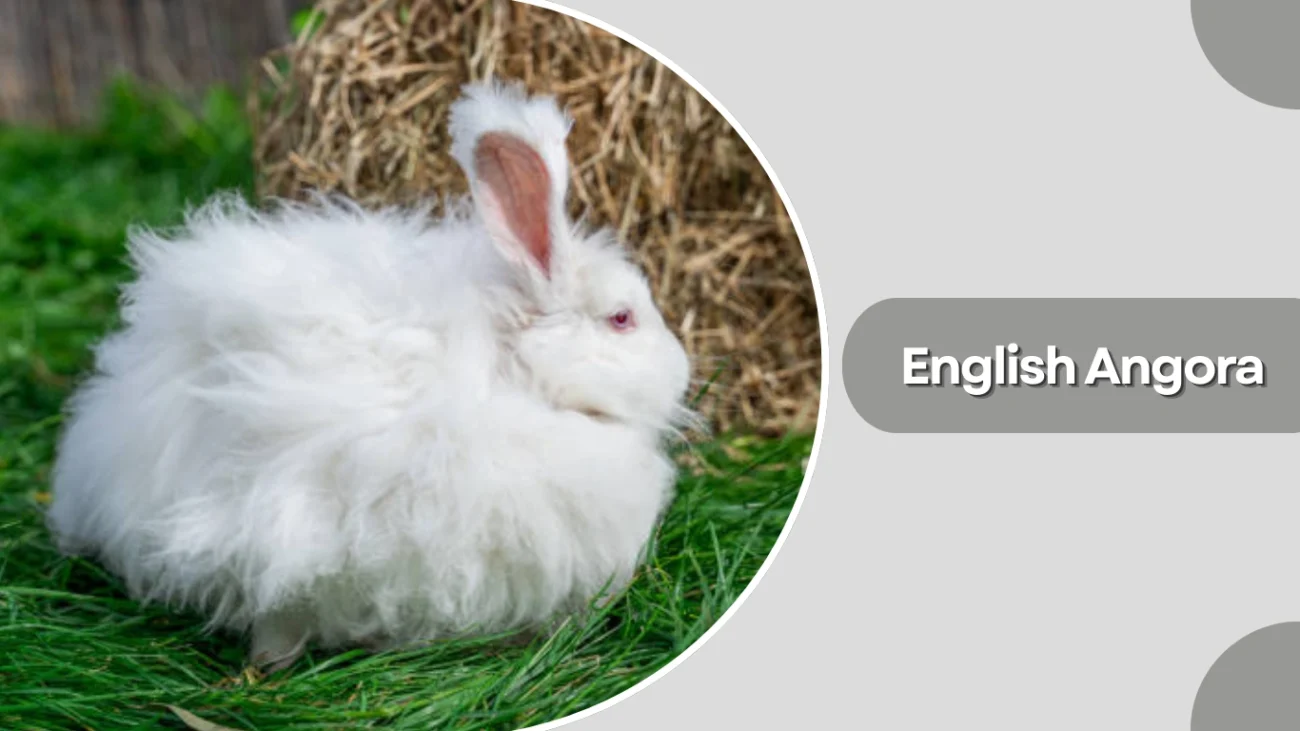
The English Angora is a small-to-medium rabbit breed known for its incredibly fluffy wool, covering even the face and ears. Loved by fiber artists and pet owners, this breed is both adorable and luxurious in appearance.
Identification
- Compact, rounded body
- Upright ears often tufted with wool
- Extremely dense, long wool covering the entire body, including face
- Requires regular grooming to prevent matting
- Average weight: 5–7 pounds
Habitat
English Angoras thrive in clean indoor environments with stable temperatures and low humidity. Their enclosure should include soft bedding, good ventilation, and plenty of space. Because of their heavy wool coat, they must be kept dry and groomed frequently.
Behaviors
This breed is gentle, friendly, and affectionate. English Angoras enjoy social interaction but may be calm and reserved compared to more energetic breeds. They bond well with consistent handling and appreciate quiet, cozy environments.
Diet
A high-fiber diet is essential for this wool-producing breed. Unlimited hay, quality pellets, and fresh leafy greens help prevent wool block and support digestion. Fresh water must be available at all times, and treats kept to a minimum.
26. French Angora
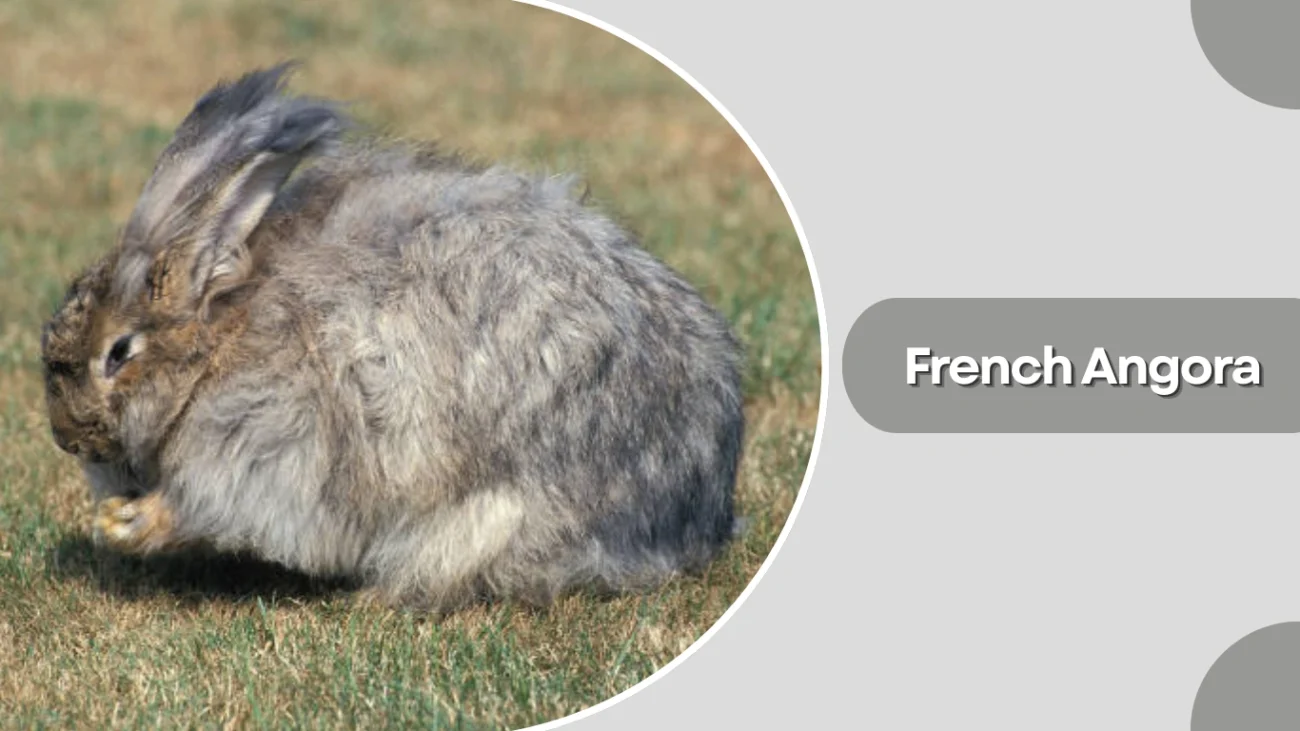
The French Angora is a medium-to-large rabbit known for its luxurious wool, which is dense but not as facially covering as the English Angora. Popular among fiber producers, this breed combines beauty with a calm temperament.
Identification
- Medium-to-large, commercial-type body
- Upright ears without heavy facial wool
- Dense, long wool on body but shorter on face and front feet
- Requires regular grooming to prevent matting
- Average weight: 7.5–10.5 pounds
Habitat
French Angoras thrive in clean, dry indoor or sheltered outdoor enclosures. Good ventilation and soft bedding are essential to maintain coat health. Their environment should allow space for exercise while keeping their wool free of debris and moisture.
Behaviors
This breed is calm, patient, and friendly. French Angoras enjoy interaction but tend to be relaxed and easygoing. They bond well with gentle handling and benefit from predictable routines and quiet surroundings.
Diet
Their diet should include unlimited hay, high-quality pellets, and daily leafy greens. High fiber intake is crucial to prevent wool block and maintain digestive health. Fresh water should always be available, and treats offered sparingly.
27. Satin Angora
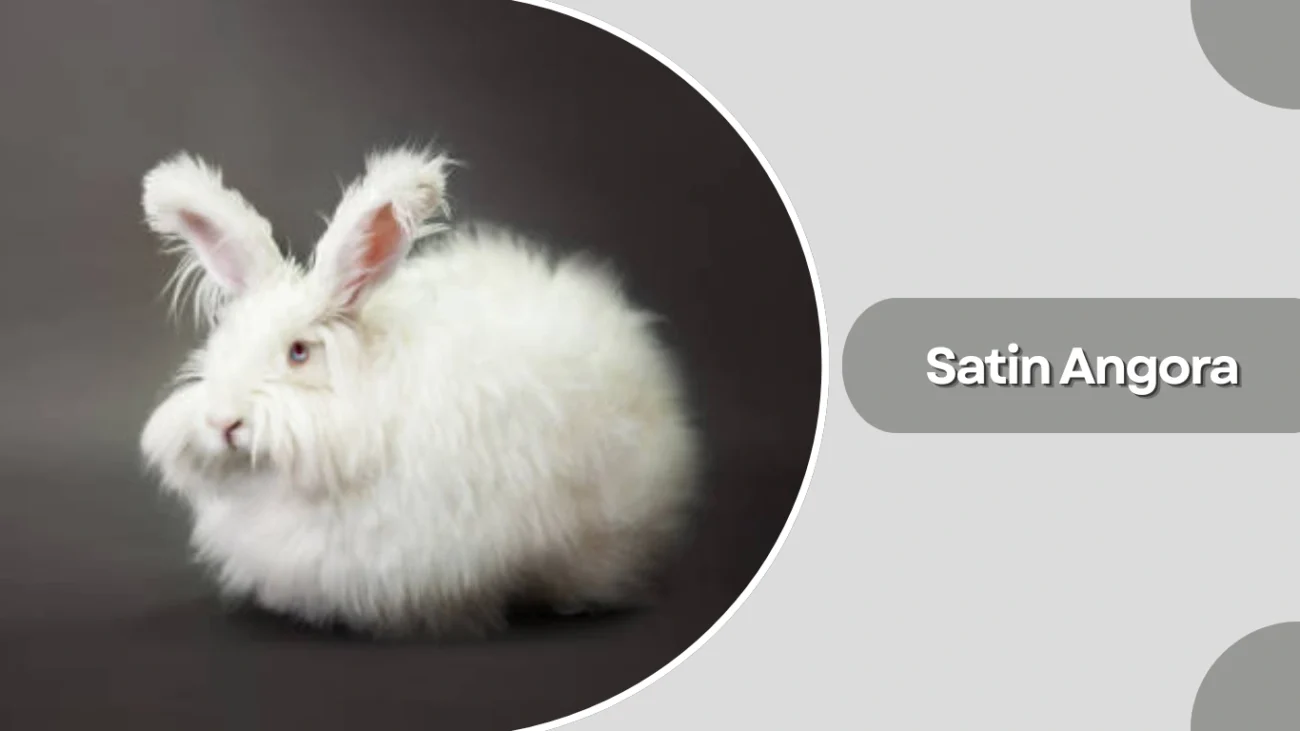
The Satin Angora is a stunning wool-producing breed known for its silky, lustrous coat. A result of combining the Angora with the Satin rabbit, this breed is prized by fiber artists for its sheen and softness.
Identification
- Medium-sized body
- Upright ears with light tufts
- Satin-like wool that is shiny, fine, and silky
- Coat requires frequent grooming to prevent matting
- Average weight: 6–9 pounds
Habitat
Satin Angoras thrive in dry, clean, and well-ventilated indoor housing. Their wool can collect debris easily, so soft bedding and regular grooming are essential. They prefer stable temperatures and environments protected from humidity.
Behaviors
This breed is gentle, affectionate, and calm. Satin Angoras enjoy human interaction and adapt well to careful handling. They are moderately active and appreciate cozy resting areas along with enrichment toys.
Diet
A high-fiber diet is crucial due to their wool production. Unlimited hay, quality pellets, and fresh leafy greens support digestion and help prevent wool block. Fresh water must always be available, with treats kept to a minimum.
28. Belgian Hare

The Belgian Hare is a unique, elegant rabbit breed known for its hare-like appearance and athletic build. Sleek, graceful, and energetic, it stands out as one of the most visually striking domestic rabbits.
Identification
- Long, slender, hare-like body
- Long, upright ears
- Rich, deep reddish chestnut coat with black ticking
- Distinct arched back resembling a wild hare
- Average weight: 6–9 pounds
Habitat
Belgian Hares require spacious enclosures and prefer environments where they can run freely. Good ventilation, clean bedding, and stable temperatures are essential. They thrive best in indoor setups or protected outdoor areas with ample exercise space.
Behaviors
This breed is alert, active, and intelligent. Belgian Hares have high energy levels and enjoy exploring and interacting with their surroundings. They can be sensitive and require gentle handling, bonding best with patient owners.
Diet
A Belgian Hare’s diet should include unlimited hay, high-quality pellets, and fresh leafy greens. Their high activity level makes hydration and fiber especially important. Treats must be given sparingly to maintain a healthy weight.
29. Tan Rabbit

The Tan rabbit is a sleek, active breed known for its striking coloration and lively personality. With well-defined markings and a playful temperament, it is popular among show exhibitors and experienced rabbit owners.
Identification
- Medium-sized, trim, and athletic body
- Upright ears
- Distinct two-tone coloration: black, chocolate, blue, or lilac with rich tan markings
- Sharp markings around eyes, chest, belly, and sides
- Average weight: 4–6 pounds
Habitat
Tans thrive in roomy indoor or safely enclosed outdoor habitats. They need good ventilation, clean bedding, and plenty of exercise space. Their energetic nature makes free-roam time and enrichment activities especially important.
Behaviors
This breed is lively, curious, and intelligent. Tans are highly active and enjoy exploring, climbing, and interacting with their environment. They bond well with consistent handling but may be too energetic for very young children.
Diet
A balanced diet includes unlimited hay, quality pellets, and daily leafy greens. Because of their high activity levels, Tans benefit from steady hydration and consistent fiber intake. Treats should be limited to prevent digestive imbalance.
30. Polish Rabbit

The Polish rabbit is a small, elegant breed known for its compact size and gentle temperament. Popular among pet owners and show exhibitors, it is admired for its refined appearance and calm nature.
Identification
- Small, compact body
- Short, upright ears
- Short, smooth coat in several color varieties
- Large, expressive eyes
- Average weight: 2.5–3.5 pounds
Habitat
Polish rabbits thrive in clean indoor enclosures with stable temperatures. They require soft bedding, good air circulation, and enough room for light exercise. Although small, they appreciate toys and tunnels for enrichment.
Behaviors
This breed is gentle, calm, and affectionate. Polish rabbits often bond closely with their owners and tolerate handling well. They are moderately active, preferring gentle exploration and quiet play over high-energy activity.
Diet
A healthy diet includes unlimited hay, measured high-quality pellets, and daily leafy greens. Due to their small size, treat portions should be minimal. Consistent fiber intake supports good digestion and prevents dental issues.
31. Britannia Petite Rabbit
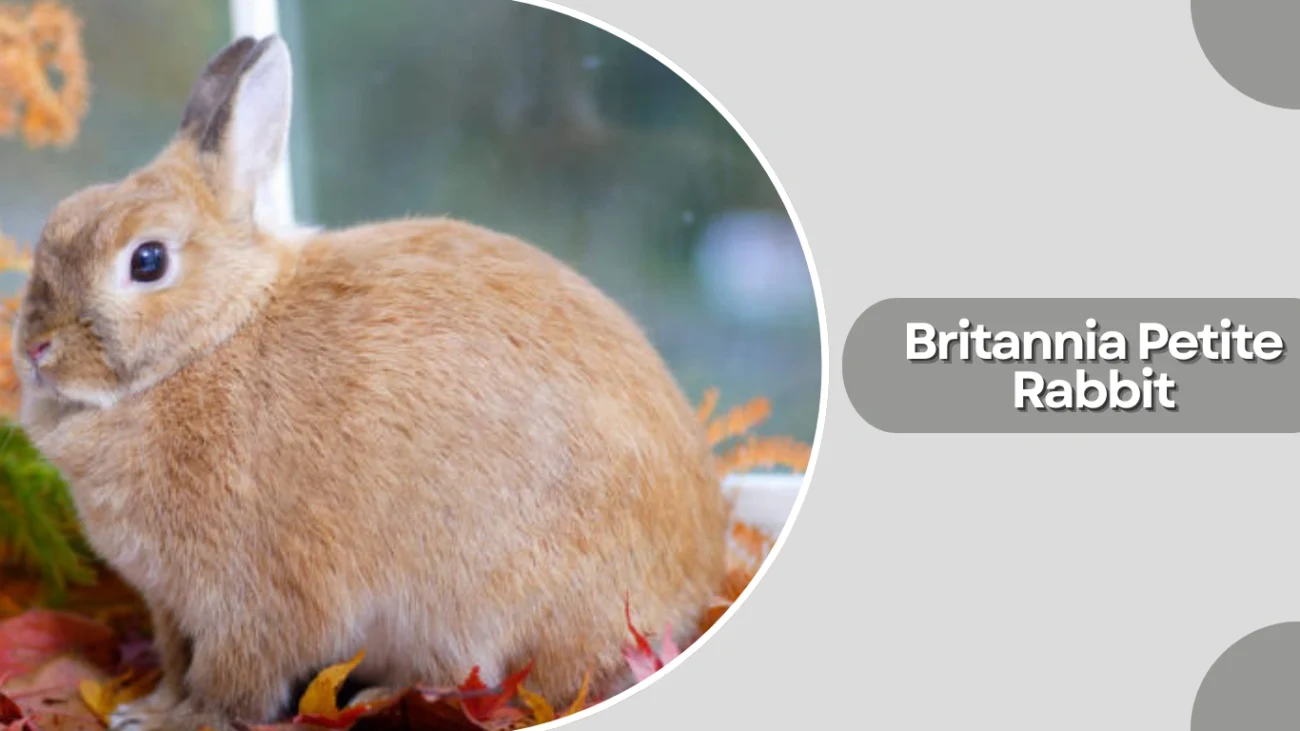
The Britannia Petite is a tiny, energetic rabbit breed known for its slim build and lively personality. Despite its small size, it is highly expressive and active, making it a favorite for show competitions and experienced owners.
Identification
- Very small, slender body
- Short, upright ears
- Fine-boned structure with an arched back
- Short, smooth coat in multiple color varieties
- Average weight: 1.5–2.5 pounds
Habitat
Britannia Petites thrive in clean indoor spaces with stable temperatures. Although small, they need room to move due to their high energy. Soft bedding, proper ventilation, and secure enclosures are essential for their comfort and safety.
Behaviors
This breed is alert, energetic, and spirited. Britannia Petites are highly active and require regular playtime and stimulation. They can be more independent and may need gentle, experienced handling to build trust.
Diet
A balanced diet includes unlimited hay, high-quality pellets, and fresh leafy greens. Their small size requires careful portion control for treats. Fiber-rich foods and consistent hydration help maintain digestive and dental health.
32. Florida White

The Florida White is a compact, all-white rabbit breed known for its excellent temperament and versatility. Calm, clean, and easy to handle, it is popular among families, breeders, and show exhibitors.
Identification
- Small to medium, compact body
- Upright ears
- Pure white coat with no markings
- Pink eyes (albino)
- Average weight: 4–6 pounds
Habitat
Florida Whites thrive in clean indoor enclosures with moderate temperatures. Their living space should offer soft bedding, ventilation, and room for exercise. They adapt well to both indoor housing and secure outdoor hutches in mild climates.
Behaviors
This breed is calm, friendly, and affectionate. Florida Whites enjoy gentle handling and form strong bonds with their owners. They are moderately active—curious enough to explore but relaxed enough to sit comfortably with people.
Diet
Their diet includes unlimited hay, high-quality pellets, and daily leafy greens. Treats should be given sparingly. Adequate hydration and fiber intake support healthy digestion and maintain a well-balanced body condition.
33. Blanc de Hotot
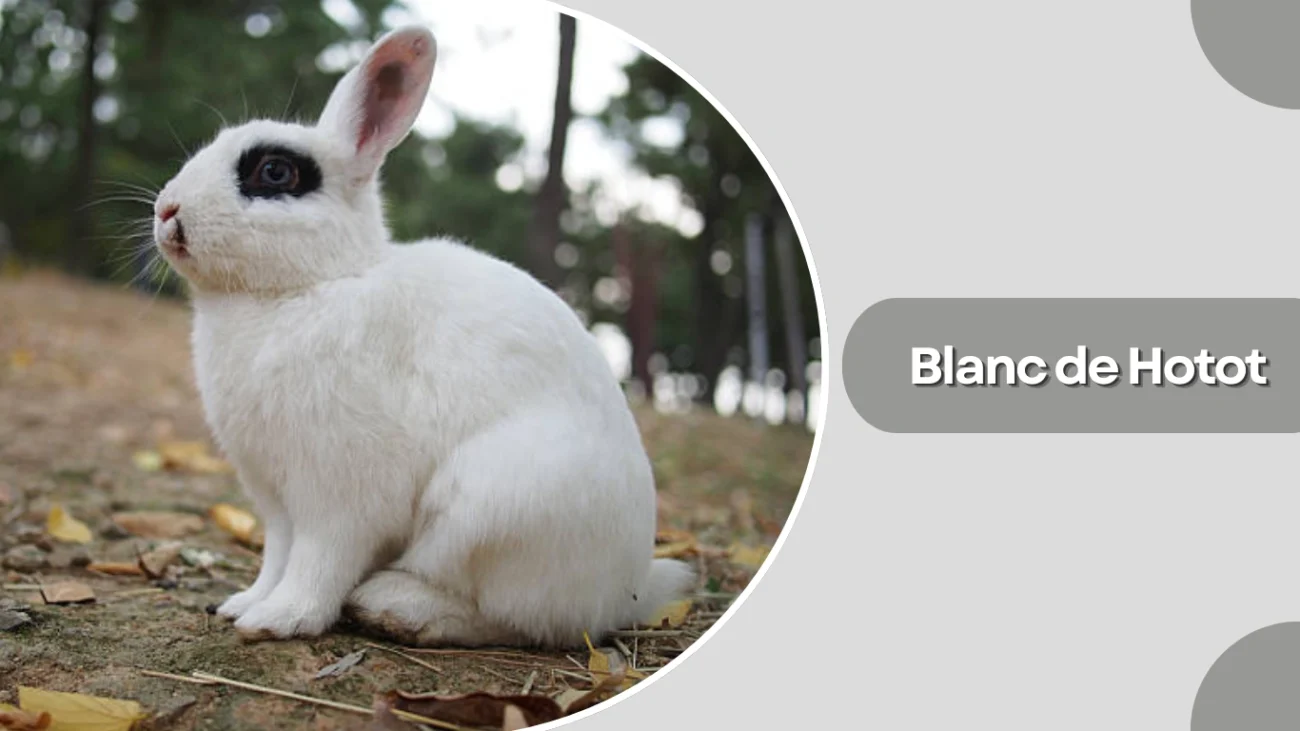
The Blanc de Hotot is an elegant, striking rabbit breed known for its pure white coat and distinctive black eyeliner-like markings. Friendly and calm, this breed is loved for both beauty and temperament.
Identification
- Medium-sized, rounded body
- Upright ears
- Pure white coat
- Bold black bands encircling the eyes (“eyeliner” look)
- Average weight: 8–11 pounds
Habitat
Blanc de Hotots thrive in clean indoor or sheltered outdoor environments with moderate temperatures. Their enclosure should offer soft bedding, good ventilation, and enough room for exercise. They appreciate quiet, comfortable settings.
Behaviors
This breed is gentle, affectionate, and social. Blanc de Hotots enjoy human interaction and often bond strongly with their families. They are moderately active and appreciate enrichment toys and supervised playtime.
Diet
A healthy diet includes unlimited hay, high-quality pellets, and daily leafy greens. Fresh water must always be available. Treats should be offered sparingly to maintain ideal body weight and digestive health.
34. Havana Rabbit

The Havana rabbit is a medium-sized breed admired for its rich, glossy coat and calm disposition. Often described as “mink-like,” its fur and gentle temperament make it a popular choice for both pets and show exhibitors.
Identification
- Compact, well-rounded body
- Upright ears
- Short, sleek, shiny coat
- Common colors: chocolate, blue, black, lilac
- Average weight: 4.5–6.5 pounds
Habitat
Havanas thrive in indoor or well-protected outdoor enclosures with good ventilation. Their living space should include soft bedding, toys, and room for exercise. They prefer stable temperatures and clean environments to maintain coat quality.
Behaviors
This breed is calm, affectionate, and people-oriented. Havanas enjoy attention and often bond closely with their owners. They exhibit moderate energy levels—playful but not overly active—and respond well to gentle handling.
Diet
A Havana’s diet should include unlimited hay, high-quality pellets, and fresh leafy greens. Adequate fiber supports digestive and dental health. Treats should be limited to prevent weight gain and maintain overall wellness.
35. Jersey Wooly

The Jersey Wooly is a small, gentle rabbit breed beloved for its soft wool and sweet temperament. Known as the “no-kick rabbit,” it is especially popular with families and beginners due to its calm, friendly nature.
Identification
- Small, compact body
- Upright ears
- Soft wool coat that is easy to maintain compared to other wool breeds
- Short, rounded head known as the “mug head”
- Average weight: 1–3 pounds
Habitat
Jersey Woolies thrive in clean indoor enclosures with stable temperatures and good ventilation. Their habitat should include soft bedding, hiding spaces, and toys for enrichment. Because of their wool, they must be kept dry and brushed regularly.
Behaviors
This breed is calm, affectionate, and very gentle. Jersey Woolies are known for being tolerant and easy to handle, making them ideal pets for children and new rabbit owners. They enjoy quiet playtime and bonding with their caregivers.
Diet
A healthy diet includes unlimited hay, measured pellets, and daily leafy greens. Their small size requires careful threat moderation. High-fiber foods are essential to prevent digestive issues and support overall health.
FAQs
How many rabbit breeds are officially recognized worldwide?
There are more than 50 officially recognized rabbit breeds across major organizations like the ARBA and BRC, though numbers vary by region. Additional rare and heritage breeds exist globally, bringing the total even higher. Each breed differs in size, coat type, temperament, and care requirements.
Which rabbit breed is best for beginners?
Breeds like the Holland Lop, Mini Rex, and Dutch are great for beginners because they are gentle, manageable in size, and easy to handle. These breeds typically adapt well to indoor living, enjoy human interaction, and require moderate grooming compared to wool-producing breeds.
What rabbit breed has the longest ears?
The English Lop holds the title for the longest ears, with combined ear lengths often exceeding 20 inches. Their ears are a signature trait of the breed and require extra care to prevent injuries. Providing soft bedding and spacious, safe housing helps protect their delicate ear structure.
Which rabbit breed grows the largest?
The Flemish Giant is the largest domestic rabbit breed, commonly reaching 15–22 pounds or more. Known as “gentle giants,” they require spacious housing, strong flooring, and plenty of exercise to stay healthy. Their calm personality makes them popular despite their impressive size.
Do certain rabbit breeds require more grooming than others?
Yes. Wool breeds such as English Angora, French Angora, and Satin Angora need frequent grooming to prevent mats and wool block. Short-haired breeds like the Rex or Dutch require minimal brushing. Understanding a breed’s grooming needs is essential before choosing the right rabbit for your lifestyle.


