Raptors, or birds of prey, are powerful hunters known for their sharp talons, hooked beaks, and extraordinary vision. They play a vital role in ecosystems by keeping rodent and bird populations in check. From the iconic bald eagle to the stealthy owl and high-speed peregrine falcon, each species has unique traits and hunting styles. In this guide, we’ll explore 28 types of raptors with clear identification tips and pictures to help you recognize these incredible birds in the wild or in your backyard.
1. Falcon: Swift Hunters of the Sky
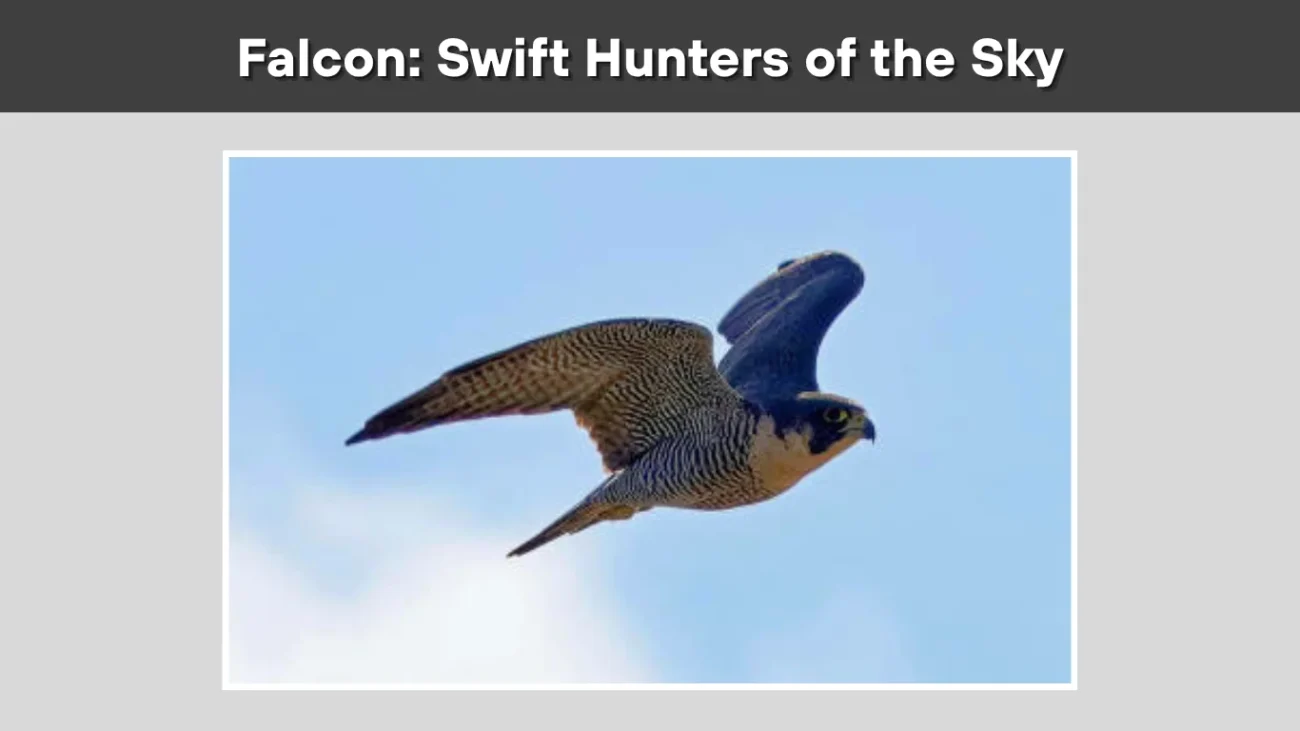
Falcons are some of the fastest birds in the world, known for their high-speed dives and precision strikes. Belonging to the family Falconidae, they are excellent aerial predators with keen vision and agile flight capabilities. Falcons are widely distributed across the globe, occupying various habitats from deserts to cities.
Habitat and Range
Falcons are found on all continents except Antarctica. They often prefer open areas such as grasslands, coastal cliffs, and urban skylines, where they nest on ledges and hunt in wide-open airspace.
Hunting Behavior
Falcons rely on speed and surprise. Unlike other raptors that rely on stealth or brute force, falcons often strike prey in midair, using a high-velocity stoop to kill or disable birds and insects.
Identification
- Long, pointed wings
- Streamlined bodies
- Sharp, hooked beak
- Dark markings beneath the eyes (malar stripe)
- Fast, agile flight
- Generally smaller and slimmer than hawks
Notable Species
Some popular falcon species include the peregrine falcon, American kestrel, merlin, and gyrfalcon. Each has unique adaptations, but all share the family’s signature speed and aerial precision.
Sure! Here are the next two raptors in the same format, using serial numbers and your requested structure:
2. Accipitridae: The Broad-Winged Raptors

Accipitridae is a large family of birds of prey that includes hawks, eagles, buzzards, kites, harriers, and Old World vultures. These birds are known for their powerful build, keen eyesight, and hooked beaks, adapted for tearing flesh. They are found worldwide and play a crucial role in maintaining ecological balance by controlling prey populations.
Habitat and Range
Members of the Accipitridae family are highly adaptable and found in diverse environments, including forests, savannas, mountains, and even urban areas. Their nesting and hunting behaviors vary widely across species.
Hunting Behavior
Accipitridae raptors use sharp talons and strong beaks to hunt and consume prey. Some, like hawks, rely on ambush and quick pursuit, while others, like vultures, scavenge for carrion.
Identification
- Strong, hooked beaks
- Broad wings for soaring
- Sharp, curved talons
- Exceptional vision
- Varying plumage depending on habitat and species
Notable Species
This family includes species such as the golden eagle, red-tailed hawk, Eurasian buzzard, and African fish eagle.
3. Owl: The Silent Night Hunters
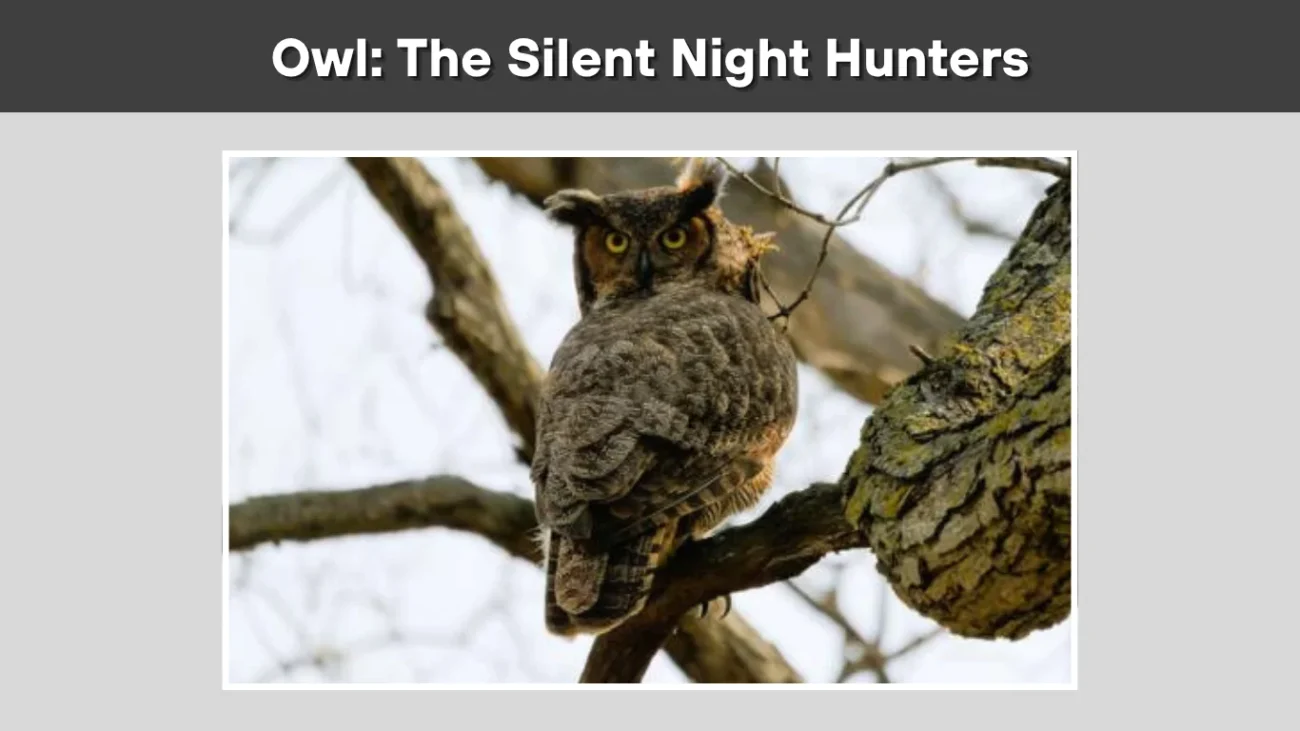
Owls are nocturnal raptors known for their silent flight, forward-facing eyes, and ability to rotate their heads extensively. Belonging to the order Strigiformes, they are adapted for nighttime hunting and have exceptional hearing and vision. Owls are found on every continent except Antarctica.
Habitat and Range
Owls inhabit forests, deserts, grasslands, and even cities. They often nest in tree hollows, abandoned buildings, or burrows, depending on the species and location.
Hunting Behavior
Owls hunt primarily at night, relying on stealth and sound. Their flight is nearly silent due to specialized feathers, allowing them to swoop down on prey undetected.
Identification
- Large, forward-facing eyes
- Facial discs that focus sound
- Camouflaged plumage
- Hooked beak
- Ability to rotate head up to 270 degrees
- Strong, sharp talons
Notable Species
Well-known owls include the barn owl, great horned owl, snowy owl, and Eurasian eagle-owl.
4. Falconiformes: Traditional Birds of Prey

Falconiformes was once the order that included most diurnal birds of prey, such as hawks, eagles, and falcons. While taxonomic revisions have now split these birds into separate orders, the term is still sometimes used in older classifications. It traditionally grouped strong-flying raptors with keen vision and hooked beaks.
Habitat and Range
Historically grouped Falconiformes species are found worldwide, occupying diverse habitats such as mountains, forests, plains, and coastal regions.
Hunting Behavior
These birds are mostly visual hunters that rely on flight speed, strength, and surprise to capture prey. Some soar to locate food, while others dive swiftly or perch and ambush.
Identification
- Hooked beaks
- Sharp talons
- Large wings for soaring or fast flight
- Excellent eyesight
- Predominantly diurnal hunters
Notable Species
Included species formerly in Falconiformes are now divided into Accipitriformes (eagles, hawks) and Falconiformes (falcons, caracaras) in modern taxonomy.
5. Peregrine Falcon: The Fastest Bird on Earth
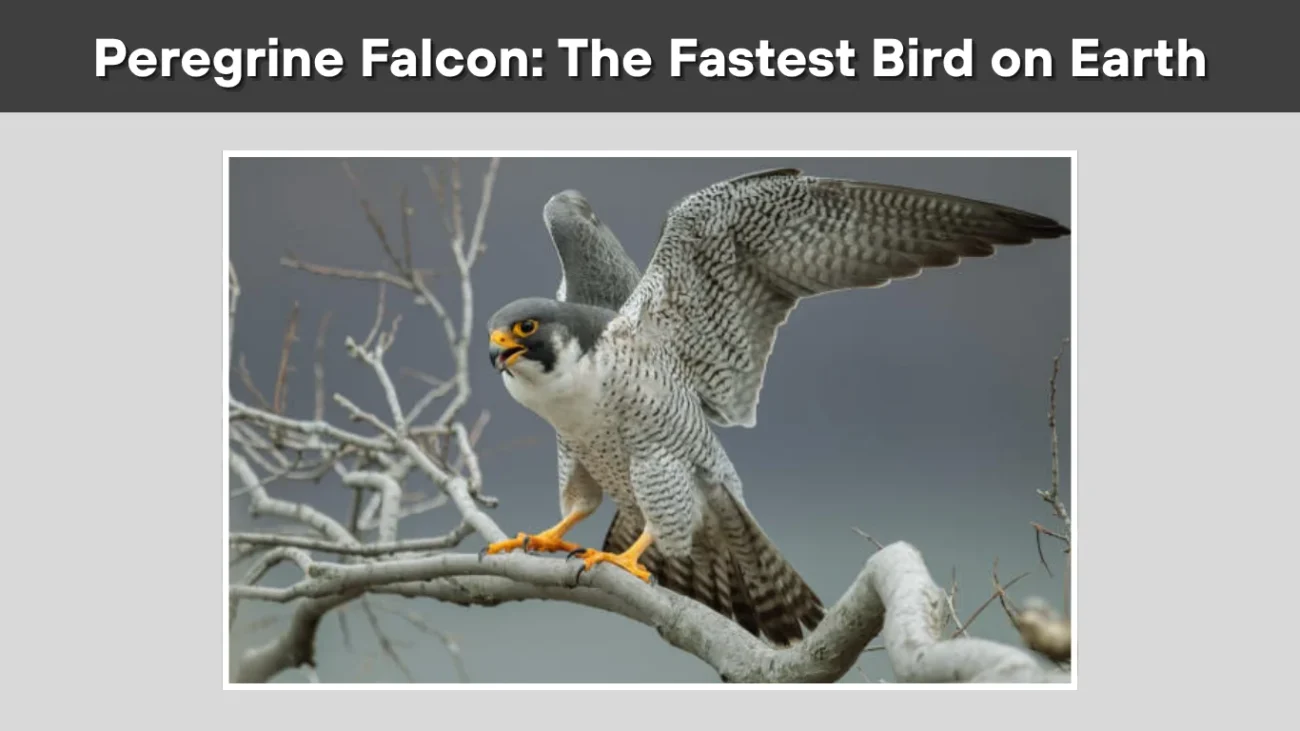
The peregrine falcon (Falco peregrinus) is known for its unmatched diving speed, reaching over 200 mph during a stoop. It is a cosmopolitan species found on every continent except Antarctica and is one of the most studied falcons in the world.
Habitat and Range
Peregrine falcons adapt to diverse habitats, from arctic tundra to urban skyscrapers. They typically nest on cliff faces or tall buildings in cities.
Hunting Behavior
They hunt mostly birds in midair using high-speed dives. Their strategy includes flying above prey and diving swiftly with folded wings for a precise strike.
Identification
- Blue-gray back
- Black head with bold malar stripe
- Yellow eye ring and cere
- Barred underparts
- Long, pointed wings
- Compact body with short tail
Notable Species
There are several subspecies of the peregrine falcon worldwide, including the tundrius, pealei, and anatum types.
6. Bald Eagle: Symbol of Strength and Freedom

The bald eagle (Haliaeetus leucocephalus) is the national bird of the United States, recognized for its white head, massive wingspan, and commanding presence. It is a member of the sea eagle group and is commonly found near large bodies of open water with abundant fish.
Habitat and Range
Bald eagles are widespread across North America, particularly near lakes, rivers, and coastal regions where fish are plentiful. They build large nests, often reused for years.
Hunting Behavior
They primarily feed on fish, snatching them from the water’s surface with their sharp talons. They are also known to scavenge and steal food from other birds.
Identification
- White head and tail (adults)
- Dark brown body and wings
- Large yellow beak and eyes
- Massive wingspan (6 to 7.5 feet)
- Juveniles are mottled brown until maturity
- Powerful build and slow, soaring flight
Notable Species
The bald eagle is the only eagle species unique to North America and is no longer considered endangered due to successful conservation.
7. New World Vultures: Nature’s Cleanup Crew
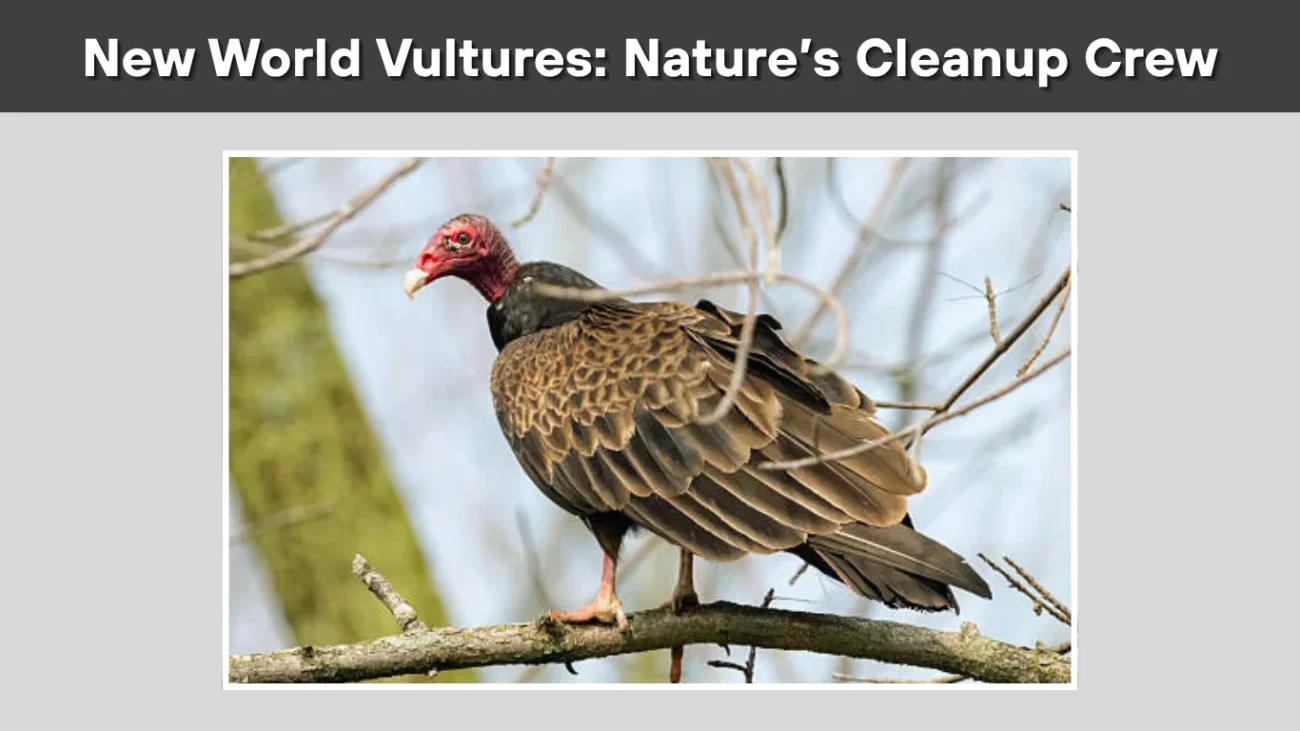
New World vultures are scavenging birds of prey native to the Americas. Unlike Old World vultures, they rely heavily on their sense of smell to locate carrion. This group includes species like the turkey vulture and the Andean condor.
Habitat and Range
They inhabit a wide range of environments, including forests, deserts, grasslands, and mountainous regions throughout North, Central, and South America.
Hunting Behavior
They do not hunt live prey. Instead, they feed on carrion and play a vital ecological role by cleaning up dead animals, thus preventing the spread of disease.
Identification
- Bald head with bare skin
- Large, broad wings
- Hooked beak for tearing flesh
- Excellent sense of smell
- Soaring flight using thermals
- Often seen gliding in groups
Notable Species
Notable members include the turkey vulture, black vulture, king vulture, and the massive Andean condor.
8. Eurasian Goshawk: The Forest Hunter

The Eurasian goshawk (Accipiter gentilis) is a powerful, agile bird of prey found across Europe and Asia. It belongs to the Accipitridae family and is known for its ability to hunt swiftly through dense forests.
Habitat and Range
This species prefers mature woodlands and forested areas, often nesting in tall trees and foraging beneath the canopy.
Hunting Behavior
The goshawk hunts birds and small mammals with a sudden burst of speed, weaving through trees with remarkable precision. It uses stealth and ambush techniques.
Identification
- Broad wings and long tail
- Pale underparts with fine barring
- Dark cap and bold eyebrow
- Yellow to orange eyes
- Females significantly larger than males
- Powerful legs and talons
Notable Species
The Eurasian goshawk is closely related to the North American northern goshawk, and both are respected by falconers for their hunting prowess.
9. Buteos: Broad-Winged Soaring Hawks

Buteos are a group of medium to large hawks characterized by broad wings and short tails, adapted for soaring. They are part of the Accipitridae family and are often seen circling high in the sky while searching for prey.
Habitat and Range
Buteos inhabit a variety of landscapes including woodlands, grasslands, deserts, and agricultural fields. They often perch on trees or utility poles to scan the ground.
Hunting Behavior
They hunt mainly from above, using soaring flight or elevated perches to locate small mammals, reptiles, and birds. Their broad wings help them glide with minimal effort.
Identification
- Wide, rounded wings
- Short, fan-shaped tail
- Varied plumage (often brown with pale undersides)
- Strong beak and talons
- Slow, soaring flight
- Loud, piercing calls
Notable Species
Common species include the red-tailed hawk, Swainson’s hawk, and the rough-legged hawk, each found in different regions but sharing similar flight patterns.
10. Accipitriformes: Modern Birds of Prey

Accipitriformes is the modern order that includes most diurnal birds of prey, such as hawks, eagles, kites, and vultures (excluding falcons and owls). This group is characterized by strong talons, hooked beaks, and excellent vision.
Habitat and Range
Members of Accipitriformes are found on all continents except Antarctica, occupying habitats ranging from tropical forests to open plains and mountains.
Hunting Behavior
They are primarily visual hunters, using their keen eyesight to locate prey from a distance. Depending on the species, their diet can include fish, small mammals, reptiles, and carrion.
Identification
- Hooked, powerful beaks
- Strong, curved talons
- Sharp eyesight
- Broad wings for gliding or soaring
- Diurnal activity
- Often large-bodied and territorial
Notable Species
Examples include the bald eagle, golden eagle, red kite, and many species of hawks and vultures.
11. Falcons and Caracaras: Agile Predators

This group, under the family Falconidae, includes both the swift-flying falcons and the more ground-oriented caracaras. Unlike hawks and eagles, falcons kill with their beaks rather than their talons.
Habitat and Range
Falcons and caracaras occupy diverse habitats including deserts, grasslands, forests, and cities. Caracaras are most common in Central and South America.
Hunting Behavior
Falcons catch birds mid-flight with rapid dives, while caracaras often scavenge or forage on the ground. Both use speed and agility to dominate in their niches.
Identification
- Long, pointed wings (falcons)
- Hooked beak with a tomial tooth
- Agile and fast in flight
- Varied behavior among species
- Caracaras have longer legs and slower flight
- Strong beak used to kill prey
Notable Species
Notable members include the peregrine falcon, American kestrel, crested caracara, and red-footed falcon.
12. Accipiters: Agile Woodland Hunters

Accipiters are a genus of slender, short-winged hawks adapted for fast, agile flight through forests. They belong to the family Accipitridae and are known for their skill in chasing birds through dense cover.
Habitat and Range
These hawks are typically found in wooded habitats across Europe, Asia, Africa, and the Americas. They nest in trees and often hunt in forested or semi-forested areas.
Hunting Behavior
Accipiters hunt by stealth and speed, often ambushing smaller birds and mammals with quick, darting flights through trees.
Identification
- Short, rounded wings
- Long, narrow tails for steering
- Slender bodies
- Yellow to orange eyes (adults)
- Fine barring on underparts
- Rapid, flapping flight with brief glides
Notable Species
Common examples include the Eurasian sparrowhawk, Cooper’s hawk, and sharp-shinned hawk.
13. Common Buzzard: Versatile and Widespread

The common buzzard (Buteo buteo) is a medium-sized raptor native to Europe and parts of Asia. It is highly adaptable, with wide plumage variation and flexible hunting methods.
Habitat and Range
Common buzzards inhabit woodlands, farmland, grasslands, and even mountainous regions. They often perch on poles or trees and are widespread across Europe.
Hunting Behavior
They hunt small mammals, reptiles, and carrion, either from perches or while soaring. They are also opportunistic and may scavenge when necessary.
Identification
- Broad, rounded wings
- Short neck and fan-shaped tail
- Variable plumage (dark brown to pale)
- Pale underwings with dark borders
- Loud mewing call
- Soaring flight with slow, steady wingbeats
Notable Species
The common buzzard is part of the Buteo genus and can be mistaken for other species like the rough-legged buzzard due to its plumage variability.
14. Harpy Eagle: The Jungle Giant

The harpy eagle (Harpia harpyja) is one of the largest and most powerful eagles in the world. Native to Central and South America, it is known for its massive size, striking appearance, and strength in dense tropical forests.
Habitat and Range
Harpy eagles inhabit lowland rainforests, often nesting in tall emergent trees. They are found in countries like Brazil, Panama, and Colombia, though their range is shrinking due to deforestation.
Hunting Behavior
They hunt primarily in the canopy, feeding on monkeys, sloths, and large birds. With powerful talons and immense grip strength, they can capture prey heavier than themselves.
Identification
- Large body with broad wings
- Striking black-and-white plumage
- Tall feathered crest
- Thick, powerful legs and claws
- Short, rounded tail
- Deep, penetrating eyes
Notable Species
The harpy eagle is the only member of its genus (Harpia) and represents the top predator in many rainforest ecosystems.
15. Ospreys: Specialists in Fishing

The osprey (Pandion haliaetus) is a fish-eating bird of prey found near water bodies across the globe. It is unique enough to be placed in its own family, Pandionidae.
Habitat and Range
Ospreys are found near rivers, lakes, estuaries, and coastal waters. They breed on every continent except Antarctica and migrate long distances between breeding and wintering grounds.
Hunting Behavior
Ospreys dive feet-first into the water to catch fish, using their reversible outer toes and spiny foot pads for a secure grip.
Identification
- Brown upperparts and white underparts
- Dark eye stripe across a white head
- Long, narrow wings with angled “M” shape in flight
- Hooked beak for tearing
- Large, curved talons
- Hovering flight before diving
Notable Species
The osprey is the only living species in the genus Pandion, and its global presence makes it one of the most widespread raptors in the world.
16. Osprey: Master of Aerial Fishing

The osprey (Pandion haliaetus) is a large raptor specialized in catching fish, often seen hovering above water before plunging in to grab its prey. It is the only species in its genus and family, making it taxonomically distinct among raptors.
Habitat and Range
Ospreys are found near coastlines, rivers, lakes, and reservoirs worldwide. They build large stick nests in tall trees, utility poles, or man-made platforms.
Hunting Behavior
They hunt live fish almost exclusively, diving feet-first into the water. Their toes have backward-turning claws and rough pads to grip slippery prey.
Identification
- White underside with dark patches at wrists
- Brown back and wings
- White head with dark eye stripe
- Long, narrow wings forming an “M” shape in flight
- Yellow eyes and black beak
- Long legs with specialized talons
Notable Species
Despite being a single species, ospreys are divided into subspecies found across North America, Europe, Asia, and Australia.
17. Sea Eagle: Rulers of Coastal Skies

Sea eagles are large birds of prey that primarily hunt fish and waterfowl. They belong to the genus Haliaeetus and are known for their size, strength, and dominance over aquatic environments.
Habitat and Range
Sea eagles are found near large rivers, lakes, and coastal waters in Europe, Asia, North America, and Australia. They prefer undisturbed territories with tall trees or cliffs for nesting.
Hunting Behavior
They catch fish from the water’s surface and may also scavenge or steal prey from other birds. Their large talons and excellent vision make them effective hunters.
Identification
- Massive wingspan and bulky build
- Hooked yellow beak
- Featherless or lightly feathered legs
- White tail (in some species like the bald eagle)
- Heavy talons adapted for gripping fish
- Slow, soaring flight
Notable Species
Key members include the bald eagle (Haliaeetus leucocephalus), white-tailed eagle (Haliaeetus albicilla), and Steller’s sea eagle (Haliaeetus pelagicus).
18. Seriema: Ground-Dwelling Predator of South America

The seriema is a terrestrial bird of prey native to South America. Although not a raptor in the traditional sense like hawks or eagles, it is included among predatory birds due to its hunting behavior and carnivorous diet. Seriemas belong to the family Cariamidae.
Habitat and Range
Seriemas inhabit grasslands, savannas, and open woodlands in countries like Brazil, Argentina, and Paraguay. They avoid dense forests and prefer areas with tall grasses for cover.
Hunting Behavior
They are primarily ground hunters, feeding on insects, small mammals, reptiles, and even other birds. Seriemas often kill prey by slamming it against the ground.
Identification
- Long legs adapted for walking
- Slender body with a short, hooked beak
- Small crest on the head
- Long tail and neck
- Loud, yelping vocalizations
- Brownish or gray plumage for camouflage
Notable Species
There are two living species: the red-legged seriema (Cariama cristata) and the black-legged seriema (Chunga burmeisteri).
19. Golden Eagle: The Icon of the Mountains
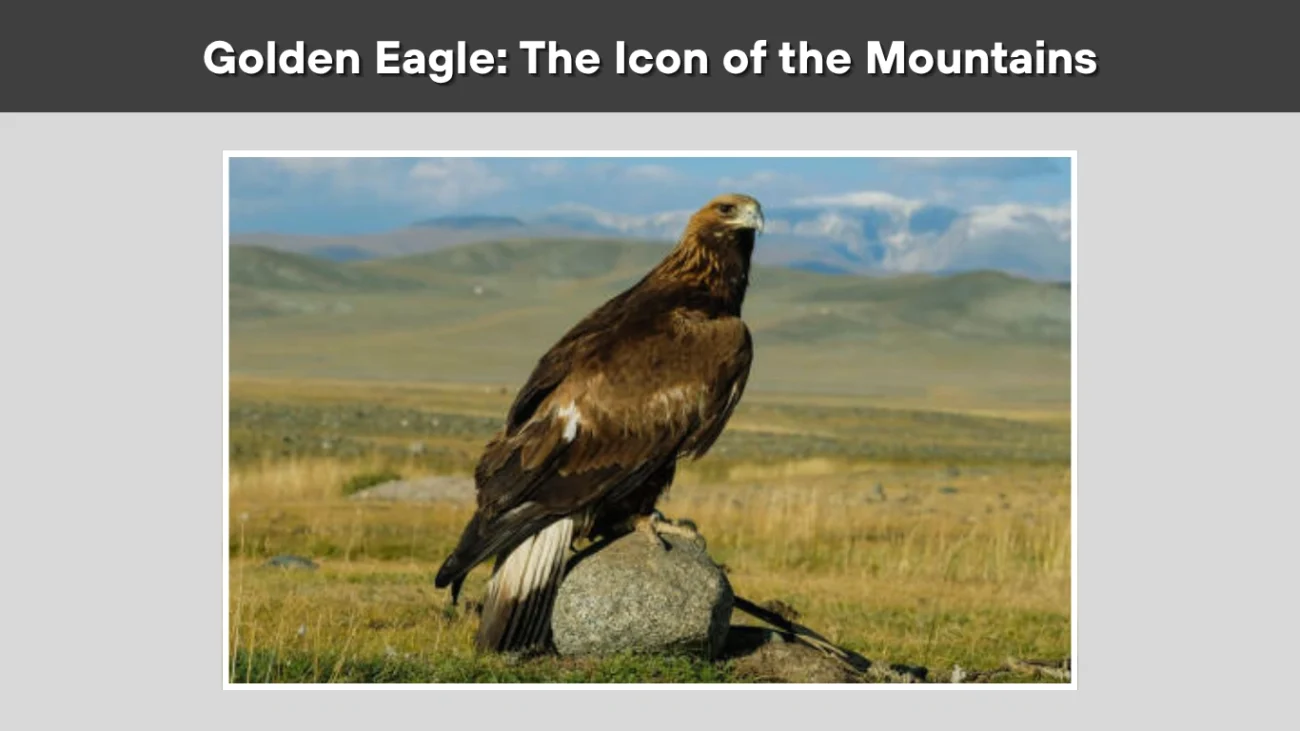
The golden eagle (Aquila chrysaetos) is one of the most powerful and majestic birds of prey in the Northern Hemisphere. Known for its strength, speed, and soaring ability, it is revered in many cultures and used historically in falconry.
Habitat and Range
Golden eagles prefer mountainous regions, cliffs, and open country. They are widely distributed across North America, Europe, Asia, and parts of North Africa.
Hunting Behavior
They hunt medium-sized mammals such as rabbits, hares, and even young deer. Using soaring flight to locate prey, they strike with great force and precision.
Identification
- Dark brown plumage with golden feathers on the nape
- Large wings and fan-shaped tail
- Powerful beak and talons
- Fierce, yellow eyes
- Silent, soaring flight in wide circles
- Juveniles have white patches on wings and tail
Notable Species
The golden eagle is a flagship species in many conservation programs and symbolizes strength and freedom in various traditions.
20. Circinae: The Subfamily of Harriers

Circinae is a subfamily within Accipitridae that includes harriers—slender, long-winged raptors known for their low, gliding flight over grasslands and marshes. These birds are agile hunters that use both sight and sound to locate prey.
Habitat and Range
Harriers are found across all continents except Antarctica, preferring open landscapes like wetlands, savannas, and meadows. They often nest on the ground in dense vegetation.
Hunting Behavior
Harriers fly low over open fields, using their sharp eyesight and hearing to detect rodents, small birds, and reptiles. They glide with wings held in a distinctive “V” shape.
Identification
- Long, slender wings and tail
- Owl-like facial disc (aids hearing)
- Slim body and buoyant flight
- White rump patch (in many species)
- Light and dark morphs in some species
- Flies low and slowly when hunting
Notable Species
Key members include the hen harrier (Circus cyaneus), Montagu’s harrier (Circus pygargus), and pallid harrier (Circus macrourus).
21. American Kestrel: The Smallest Falcon in North America

The American kestrel (Falco sparverius) is the smallest and most colorful falcon in North America. Despite its size, it is a fierce and capable hunter, often seen perched on wires or hovering in open fields.
Habitat and Range
It thrives in grasslands, deserts, farmlands, and urban areas across North and South America. It nests in cavities, including tree holes and man-made nest boxes.
Hunting Behavior
American kestrels hover or perch while scanning for insects, small mammals, and birds. They strike quickly and use their beak to dispatch prey.
Identification
- Small body with long tail
- Reddish back and blue-gray wings (males)
- Bold facial markings
- Black spots on flanks and back
- Rapid wingbeats and hovering flight
- Yellow legs and feet
Notable Species
Although the only kestrel species in the Americas, its adaptability has made it one of the most widely distributed and studied falcons in the region.
22. Accipitrinae: Typical Forest Hawks

Accipitrinae is a subfamily within Accipitridae that includes forest-dwelling hawks, particularly those in the Accipiter genus. These birds are known for their agility and hunting prowess in densely wooded habitats.
Habitat and Range
Members of Accipitrinae are found in forests and woodlands across Europe, Asia, Africa, and the Americas. They typically nest in trees and prefer areas with dense cover for stalking prey.
Hunting Behavior
They rely on quick, surprise attacks, often darting through trees to snatch birds, squirrels, and other small animals. Their long tails help with maneuverability in tight spaces.
Identification
- Short, broad wings for tight turns
- Long, narrow tail
- Rounded head and sharp beak
- Banded underparts
- Yellow to red eyes
- Fast, darting flight style
Notable Species
Includes well-known raptors such as the northern goshawk, Eurasian sparrowhawk, and Cooper’s hawk.
23. Crested Caracaras: Bold and Opportunistic

The crested caracara (Caracara plancus) is a large, ground-feeding falcon known for its bold behavior and scavenging habits. Found in the Americas, it differs from typical falcons in both appearance and lifestyle.
Habitat and Range
Crested caracaras inhabit open areas such as grasslands, savannas, and deserts from the southern United States through Central and South America.
Hunting Behavior
They scavenge more frequently than other falcons, often feeding on carrion, but will also hunt reptiles, insects, and small mammals. They are known to follow vultures or patrol roadsides.
Identification
- Black cap and crest
- Pale face with bare orange-red skin
- Dark body with white neck and tail
- Long legs adapted for walking
- Heavy, hooked beak
- Slower, flapping flight compared to true falcons
Notable Species
The crested caracara is one of the most recognized caracaras and serves as the national bird of Mexico.
24. Common Kestrel: The Hovering Hunter of Europe

The common kestrel (Falco tinnunculus) is a small, slender falcon widely distributed across Europe, Asia, and parts of Africa. It is well-known for its ability to hover in place while searching for prey on the ground.
Habitat and Range
Common kestrels thrive in open habitats such as fields, farmland, heaths, and road edges. They are adaptable and often nest in cliffs, buildings, and tree cavities.
Hunting Behavior
They hunt mainly by hovering over open ground and diving on small mammals, insects, and birds. Their keen eyesight helps detect prey from a distance.
Identification
- Reddish-brown back with black spots
- Long tail with black tip
- Grey head (in males)
- Pale underparts with streaks
- Dark mustache mark on the face
- Hovering flight with quick wingbeats
Notable Species
The common kestrel is one of the most familiar birds of prey in Europe and has several subspecies across its wide range.
25. Telluraves: Diverse Clade of Land Birds

Telluraves is a higher-level clade that includes most land birds, including raptors like falcons, hawks, and eagles. While not a bird of prey itself, this grouping is used in modern avian taxonomy to reflect evolutionary relationships.
Habitat and Range
Telluraves includes a wide array of bird families found worldwide, occupying nearly every terrestrial habitat—forests, grasslands, deserts, and cities.
Hunting Behavior
Within Telluraves, birds of prey exhibit varied hunting methods—from high-speed aerial strikes (falcons) to soaring ambushes (eagles). The group also includes many non-raptorial birds.
Identification
- Encompasses a large variety of forms
- Includes many raptor families (Accipitridae, Falconidae)
- Wide range of plumage, size, and beak shapes
- Primarily land-dwelling
- Shared evolutionary traits based on DNA evidence
- Not a field identification group
Notable Species
Includes raptors like peregrine falcons, golden eagles, red-tailed hawks, and many other bird types outside of predatory species.
26. Crowned Eagle: The Forest Powerhouse

The crowned eagle (Stephanoaetus coronatus) is one of the strongest forest-dwelling raptors in Africa. It is known for taking down large prey like monkeys and small antelope, making it one of the most powerful eagles by weight.
Habitat and Range
Found in sub-Saharan Africa’s forests and woodlands, crowned eagles prefer dense, tall forests where they can ambush prey from above.
Hunting Behavior
Crowned eagles rely on stealth and strength. They perch silently before swooping down with great speed and crushing force to seize mammals, often larger than themselves.
Identification
- Striking black-and-white underparts
- Dark crest on the head
- Short, broad wings and long tail
- Large yellow feet and thick legs
- Heavy bill and fierce eyes
- Loud, ringing calls
Notable Species
The crowned eagle is the only member of the genus Stephanoaetus and is considered one of Africa’s most formidable avian predators.
27. Strigidae: The True Owls

Strigidae is the family commonly referred to as “true owls,” which includes the majority of owl species around the world. These nocturnal raptors are known for their forward-facing eyes, excellent night vision, and silent flight.
Habitat and Range
True owls are found on every continent except Antarctica. They inhabit a wide variety of ecosystems including forests, deserts, tundras, grasslands, and even urban areas.
Hunting Behavior
They hunt primarily at night, using their excellent hearing and vision to locate prey. Many species hunt from a perch and swoop down silently to grab small mammals or insects.
Identification
- Rounded heads with no ear tufts (in most species)
- Facial discs for sound direction
- Forward-facing eyes
- Strong, sharp talons and beak
- Soft-edged feathers for silent flight
- Camouflaged plumage
Notable Species
Includes species like the tawny owl (Strix aluco), great horned owl (Bubo virginianus), and the snowy owl (Bubo scandiacus).
28. Booted Eagle: The Feathered-Leg Hunter

The booted eagle (Hieraaetus pennatus) is a small to medium-sized raptor known for the feathers that cover its legs—giving it the name “booted.” It is a migratory bird of prey found in parts of Europe, Asia, and Africa.
Habitat and Range
This eagle prefers woodlands, open country, and mountainous terrain. It breeds in southern Europe and central Asia and winters in sub-Saharan Africa and the Indian subcontinent.
Hunting Behavior
The booted eagle hunts birds, reptiles, and small mammals by soaring over open areas or using stealth from a perch.
Identification
- Feathered legs (boots)
- Two color morphs: pale and dark
- Pale morph has light underparts with a contrasting “wrist” patch
- Short crest may be visible when alert
- Long wings and square-shaped tail
- Medium-sized raptor with agile flight
Notable Species
The booted eagle is a single species within its genus but shows considerable color variation and is often mistaken for other small eagles or large hawks.