











Cattle breeds around the world vary widely in size, appearance, temperament, and purpose. From top dairy producers like Holsteins and Jerseys to hardy beef breeds such as Angus and Highland, each has unique traits suited to different environments. Whether used for milk, meat, or draft work, these cattle play an essential role in global agriculture. Understanding their characteristics helps farmers choose the right breed for their needs.
1. Holstein
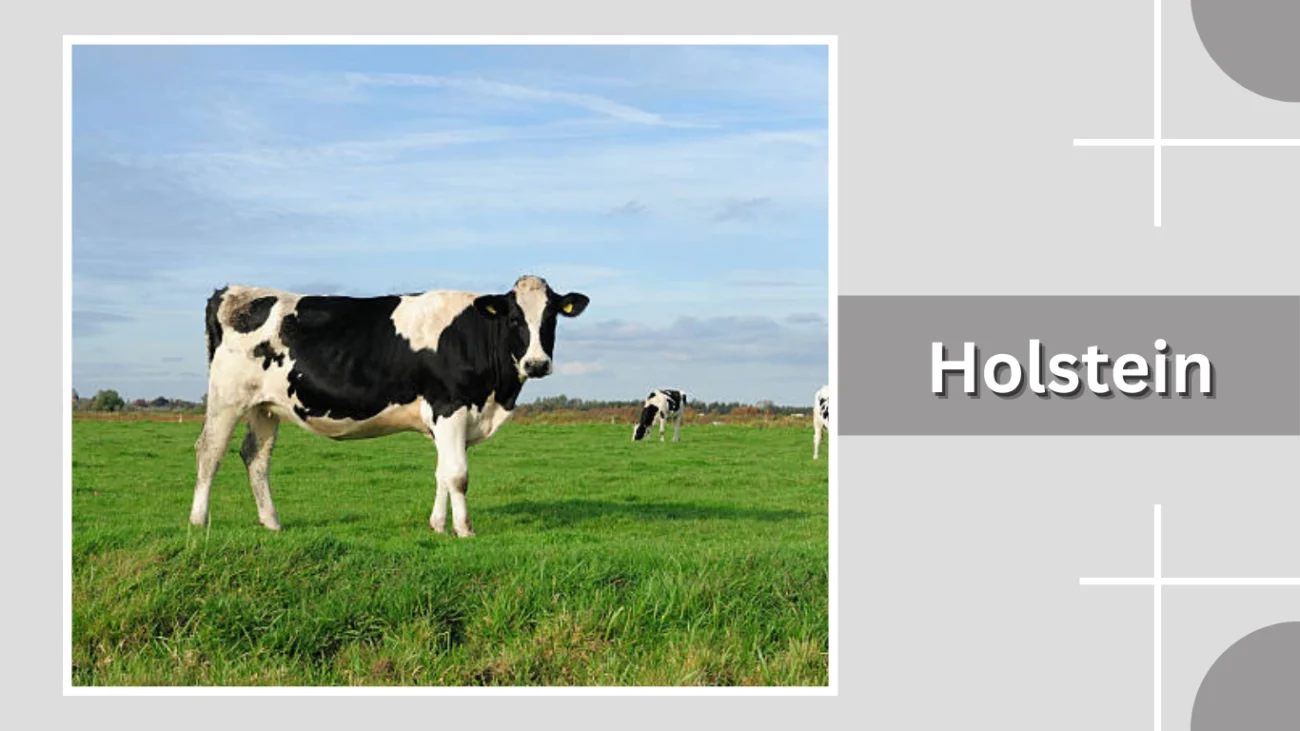
Holsteins are the world’s most recognizable dairy cattle, known for their black-and-white pattern and exceptionally high milk production. Originating from the Netherlands, this breed is now found globally and is favored for its efficiency, adaptability, and gentle temperament.
Identification
- Distinct black-and-white or red-and-white coat
- Large body size with a long, angular frame
- Prominent udder ideal for high milk yield
- Broad head with alert, calm expression
Habitat
Holsteins thrive in temperate to warm climates and are commonly raised on dairy farms with open pastures or free-stall barns. They adapt well to modern dairy housing systems and are managed in environments that support high production.
Behaviors
Holsteins are generally calm, social, and easy to handle. They exhibit strong herd instincts and respond well to consistent routines. Their gentle demeanor makes them suitable for intensive dairy management systems.
Diet
Their diet mainly consists of high-quality forages such as alfalfa, grasses, and silage, complemented by grain mixes for energy. Proper nutrition is essential to support their high milk output, so balanced rations with minerals and vitamins are standard.
2. Jersey cows

Jersey cows are a small, efficient dairy breed known for producing rich, high-butterfat milk. Originating from the Island of Jersey, they are adaptable, gentle, and highly valued on both small farms and commercial dairies.
Identification
- Light brown to fawn coat, sometimes with white markings
- Smaller body size compared to other dairy breeds
- Large, expressive eyes and refined head
- Well-shaped udder ideal for high-quality milk production
Habitat
Jerseys thrive in a wide range of climates and are commonly raised on pasture-based or mixed dairy systems. Their smaller size makes them well-suited for farms with limited grazing areas or those focused on sustainable, efficient production.
Behaviors
This breed is known for its calm, friendly temperament and strong maternal instincts. Jerseys adapt quickly to new routines, interact well in herds, and show excellent feed efficiency.
Diet
Their diet includes high-quality grass, hay, silage, and supplemental grains. Because they convert feed efficiently, they require slightly less input than larger dairy breeds while still producing nutrient-dense milk.
3. Guernsey cows
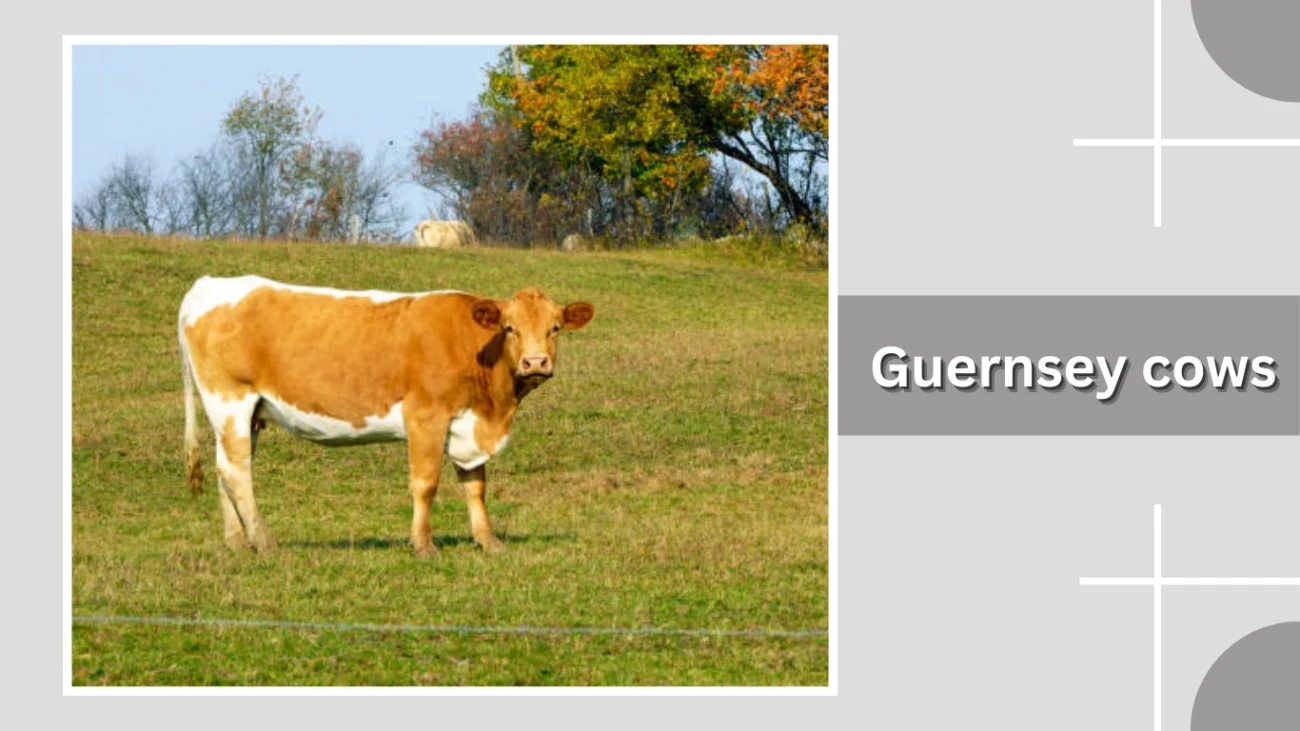
Guernsey cows are a medium-sized dairy breed known for producing rich, golden-colored milk high in beta-carotene. Originating from the Channel Island of Guernsey, they are appreciated for their efficiency, calm nature, and excellent grazing ability.
Identification
- Light reddish-brown coat with distinct white patches
- Medium frame with strong dairy conformation
- Golden-hued milk due to high beta-carotene content
- Docile expression and well-attached udder
Habitat
Guernseys thrive in temperate climates and are well-suited for pasture-based dairy operations. Their ability to efficiently graze makes them ideal for farms that emphasize natural feeding systems.
Behaviors
Known for their docile and gentle disposition, Guernsey cows are easy to manage and interact well in herd environments. They are consistent milk producers and adapt smoothly to routine changes.
Diet
Their diet usually consists of lush pasture grasses, hay, silage, and balanced grain supplements. Guernseys efficiently convert forage into high-quality milk, making them a favorite for grass-fed dairy systems.
4. Ayrshire cows
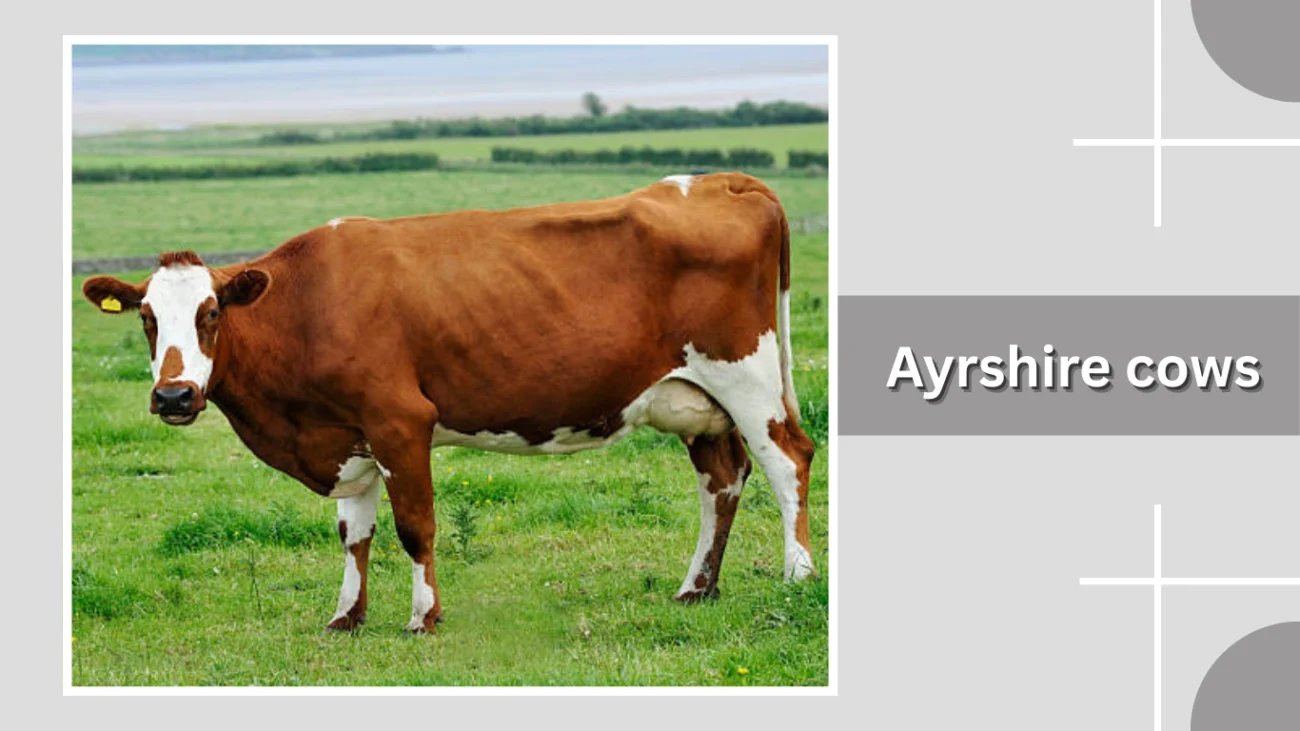
Ayrshire cows are a hardy dairy breed originating from Scotland, known for their balanced milk production, adaptability, and strong overall health. They are popular among farmers seeking efficient, low-maintenance cattle capable of thriving in various climates.
Identification
- Red and white coat with sharp, well-defined markings
- Medium-sized frame with strong legs and hooves
- Well-shaped udder suitable for consistent milk flow
- Alert expression and robust body structure
Habitat
Ayrshires excel in cooler climates but can adapt to a range of environments. They perform well on both pasture-based systems and in more intensive dairy housing settings, making them versatile for different farm types.
Behaviors
This breed is active, energetic, and known for its independence. Ayrshires move easily on pasture, maintain strong herd instincts, and handle rugged terrain with confidence.
Diet
Ayrshires thrive on high-quality grasses, hay, and silage, with supplemental grains for additional energy. Their natural efficiency allows them to produce substantial milk yields without excessive feed requirements.
5. Brown Swiss cows
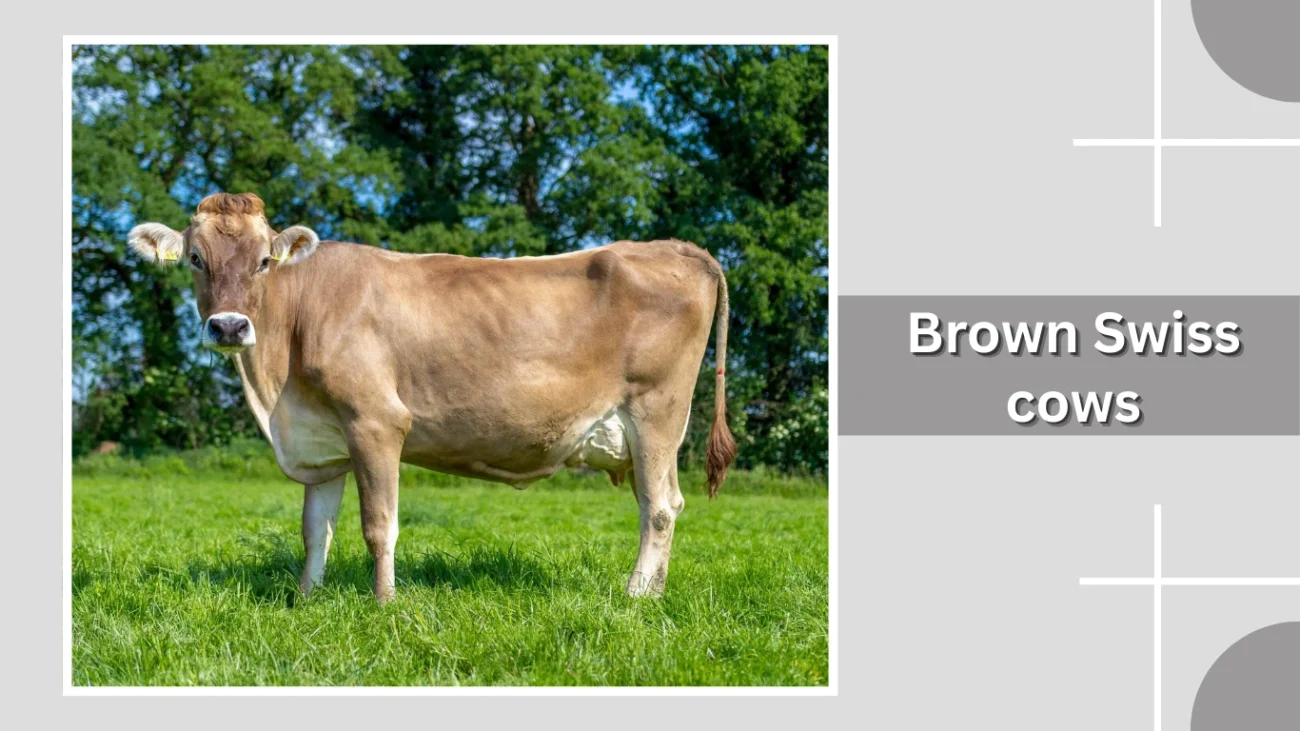
Brown Swiss cows are one of the oldest and most durable dairy breeds, originating from the Swiss Alps. They are admired for their calm temperament, longevity, and the ability to produce large quantities of milk with high protein content.
Identification
- Solid brown or greyish-brown coat, sometimes with lighter shading
- Large, strong frame with excellent bone structure
- Broad muzzle and gentle facial expression
- Well-developed udder suited for consistent milk flow
Habitat
Brown Swiss cattle thrive in cooler mountain climates but adapt well to a variety of environments worldwide. They perform efficiently in both grazing systems and modern dairy facilities.
Behaviors
Known for their calm, gentle personality, Brown Swiss cows are easy to manage and interact well with people. They display steady, predictable behavior and strong herd dynamics.
Diet
Their diet typically includes nutrient-rich grasses, hay, and silage, accompanied by grain supplements when needed. Their efficient metabolism allows them to convert feed into high milk volumes with balanced fat and protein levels.
6. Shorthorn cows
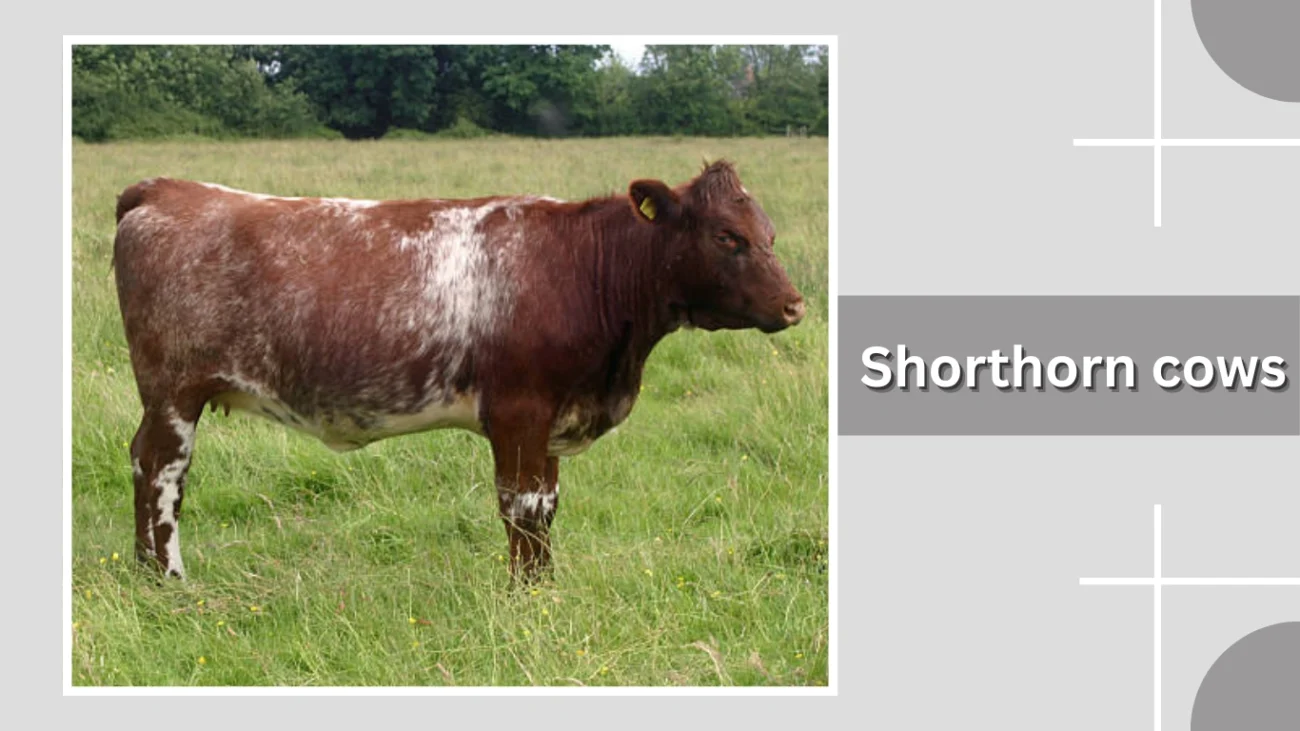
Shorthorn cows are a versatile breed originating from England, valued for both dairy and beef qualities. Their adaptability, gentle temperament, and strong maternal traits make them popular on farms worldwide.
Identification
- Red, white, or roan coat colors
- Medium-sized, sturdy frame with balanced proportions
- Well-developed udder in dairy lines
- Broad head with calm expression
Habitat
Shorthorns are highly adaptable and thrive in diverse climates, from temperate regions to hotter environments. They perform well in pasture-based systems and mixed farming operations.
Behaviors
This breed is known for its docile, manageable nature. Shorthorns are social, easy to handle, and excellent mothers, making them ideal for both small-scale and commercial farms.
Diet
Their diet includes pasture grasses, hay, silage, and grain supplements when necessary. Shorthorns are efficient grazers and can maintain good condition on moderate-quality forage.
7. Hereford cows
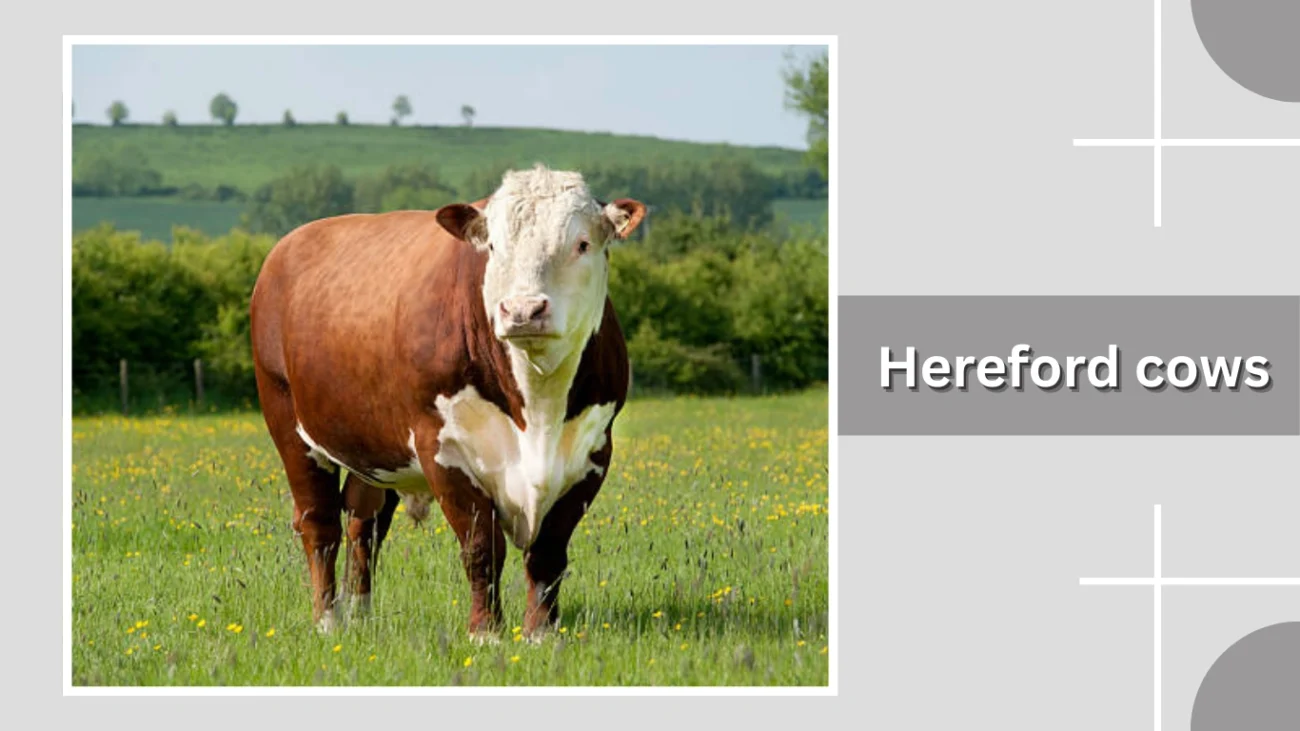
Hereford cows are a well-known beef breed originating from England, prized for their hardiness, adaptability, and high-quality meat. Their calm nature and ability to thrive in challenging environments make them one of the most widespread cattle breeds globally.
Identification
- Distinct red body with a white face, crest, brisket, and legs
- Medium to large frame with a muscular build
- Broad head and short, curved horns (polled versions also common)
- Thick hide suited for harsh weather conditions
Habitat
Herefords thrive in a variety of climates, from cold northern regions to arid pastures. They excel in open grazing systems and are often found in rangelands, ranches, and mixed-farming operations.
Behaviors
Known for their docile temperament, Herefords are easy to manage and highly resilient. They show strong grazing instincts, are good foragers, and maintain body condition even in tougher environments.
Diet
Herefords primarily consume pasture grasses, hay, and forage crops. They are efficient converters of roughage and require minimal supplemental grain except during finishing or extreme weather conditions.
8. Angus cows
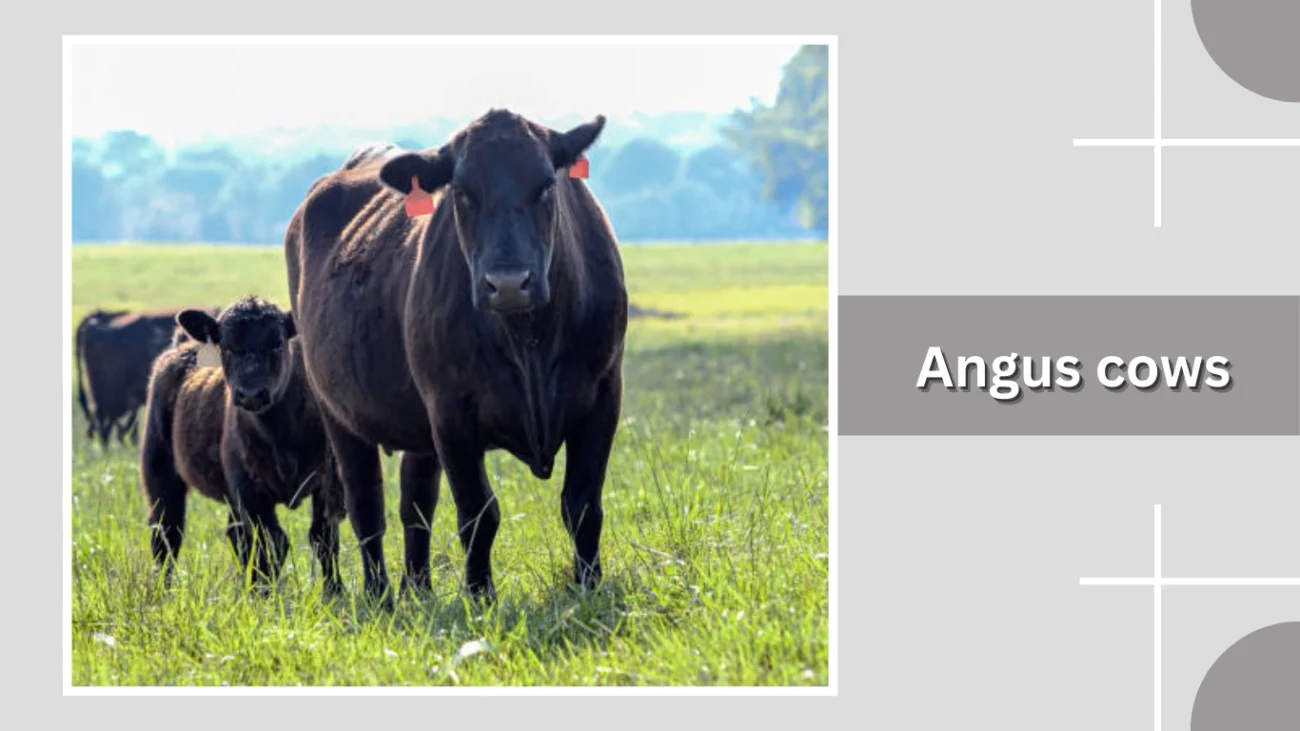
Angus cows, originating from Scotland, are one of the most popular beef breeds in the world. Renowned for their high-quality, well-marbled meat and strong adaptability, they are a favorite among ranchers and beef producers.
Identification
- Solid black or red coat with no horns (naturally polled)
- Medium-sized, muscular build
- Smooth body shape with deep barrel and strong legs
- Calm, alert expression
Habitat
Angus cattle thrive in a range of climates, from cool northern regions to warmer areas. They perform well on open rangelands, pastures, and mixed grazing systems commonly found on beef ranches.
Behaviors
Angus cattle are generally docile, easy to handle, and have excellent herd instincts. They are hardy, fertile, and recognized for strong maternal traits, making them valuable in breeding programs.
Diet
Their diet consists mainly of natural pasture grasses, hay, and forage crops. For finishing, Angus cattle may receive grain-based feeds to enhance marbling and flavor, contributing to their premium beef quality.
9. Charolais cows
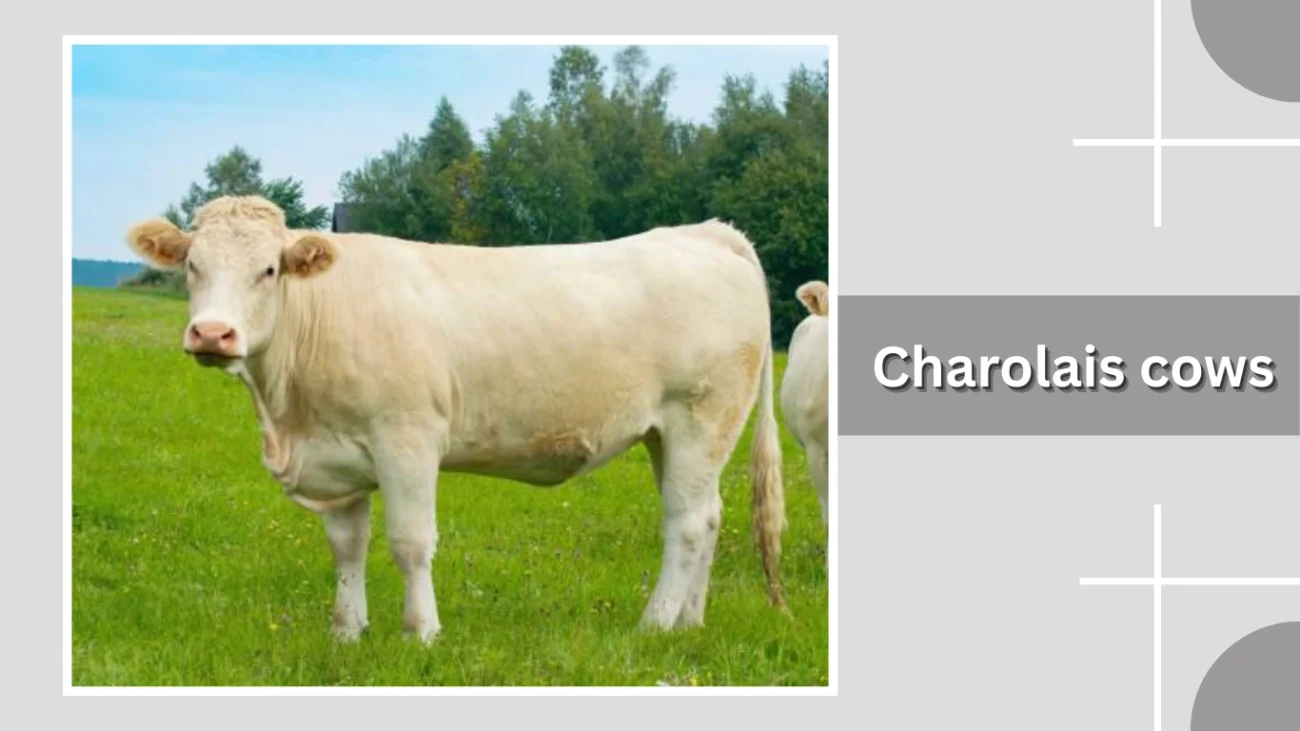
Charolais cows originate from France and are widely known for their impressive size, strength, and excellent beef production. This breed is favored for its rapid growth rate, muscular build, and ability to crossbreed effectively for improved meat yield.
Identification
- Creamy white to light beige coat
- Large, heavily muscled frame
- Broad body with deep chest and strong back
- Typically horned, though polled varieties exist
Habitat
Charolais cattle adapt well to various environments, including temperate regions, open grasslands, and large ranch operations. They thrive in spacious grazing systems where their size and grazing capacity can be maximized.
Behaviors
Although powerful in appearance, Charolais cows are generally calm and manageable. They show steady behavior, strong mothering abilities, and excellent performance in herd settings.
Diet
Their diet primarily includes pasture grasses, hay, and silage, supported by grain supplements during growth or finishing periods. Charolais cattle are efficient feed converters, contributing to their reputation for high-quality beef production.
10. Limousin cows
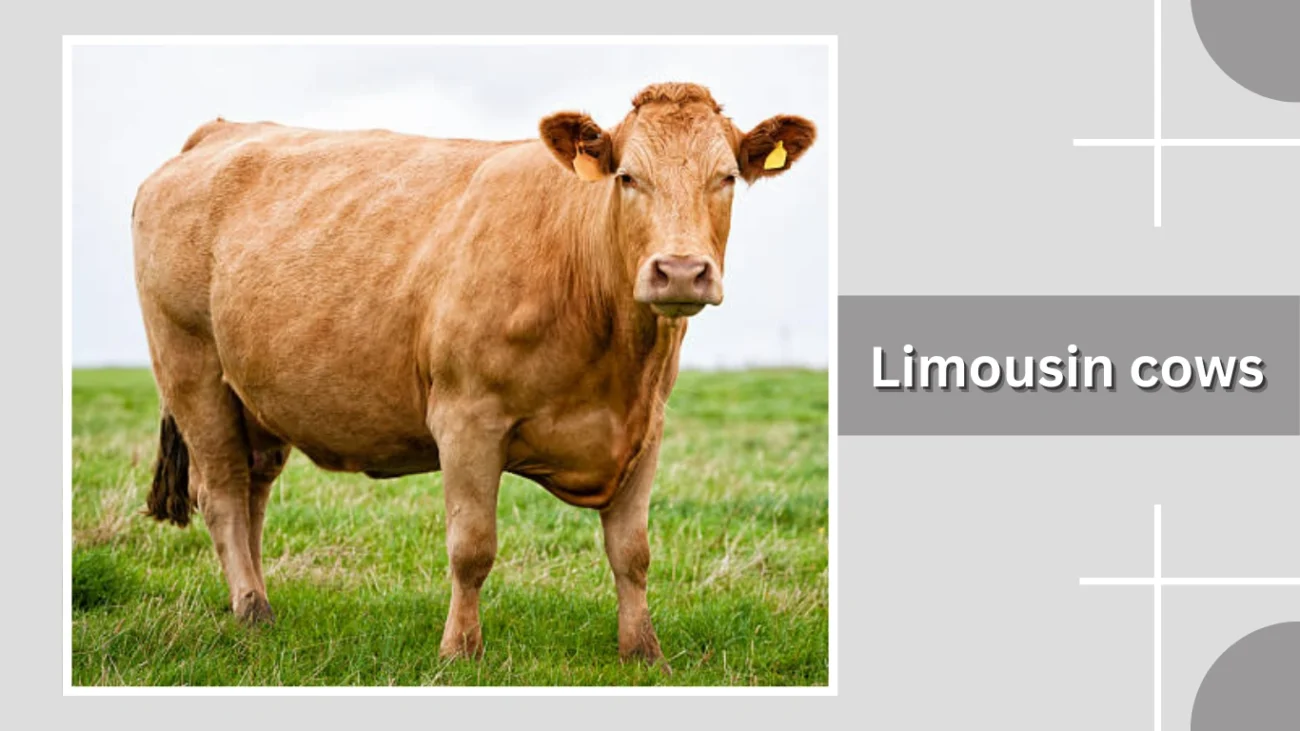
Limousin cows originate from France and are highly valued for their lean, tender beef and excellent muscle development. Known for their strength, adaptability, and efficiency, they are widely used in both purebred and crossbreeding programs.
Identification
- Golden-red to light wheat-colored coat
- Medium to large, muscular frame with defined hindquarters
- Short head with lighter-colored muzzle and eyes
- Strong legs and sturdy overall build
Habitat
Limousins thrive in temperate climates and are well-suited for open pastures, rolling hills, and ranching environments. They adapt easily to diverse grazing systems and perform well on both small and large farms.
Behaviors
This breed is naturally hardy and active, showing strong foraging instincts. While calm when handled properly, Limousins can be more alert and energetic compared to some other beef breeds, especially in open-range conditions.
Diet
Limousins consume a diet of pasture grasses, hay, and forage crops, with grain supplementation used during finishing. Their efficient metabolism allows them to produce high-quality, lean beef with excellent feed conversion rates.
11. Simmental cows

Simmental cows are one of the oldest and most versatile cattle breeds, originating in Switzerland. Known for their dual-purpose use—both dairy and beef—they are prized for their size, productivity, and adaptability across many farming systems.
Identification
- Red-and-white or gold-and-white coat, sometimes solid red
- Large, strong frame with heavy muscling
- Broad head with a white face (common but not universal)
- Well-developed udder in dairy lines
Habitat
Simmentals thrive in a wide range of climates, from cool mountainous regions to warm lowlands. They do well in pasture-based operations, mixed farms, and large-scale ranching systems due to their hardiness and adaptability.
Behaviors
Simmental cows are generally calm, docile, and easy to manage. They exhibit strong maternal instincts, good fertility, and steady herd behavior, making them a dependable breed for both dairy and beef operations.
Diet
Their diet includes lush pasture grasses, hay, silage, and grain supplements when needed. Because of their size and productivity, they benefit from nutrient-rich feed, especially in high-performance beef or dairy systems.
12. Brahman cows
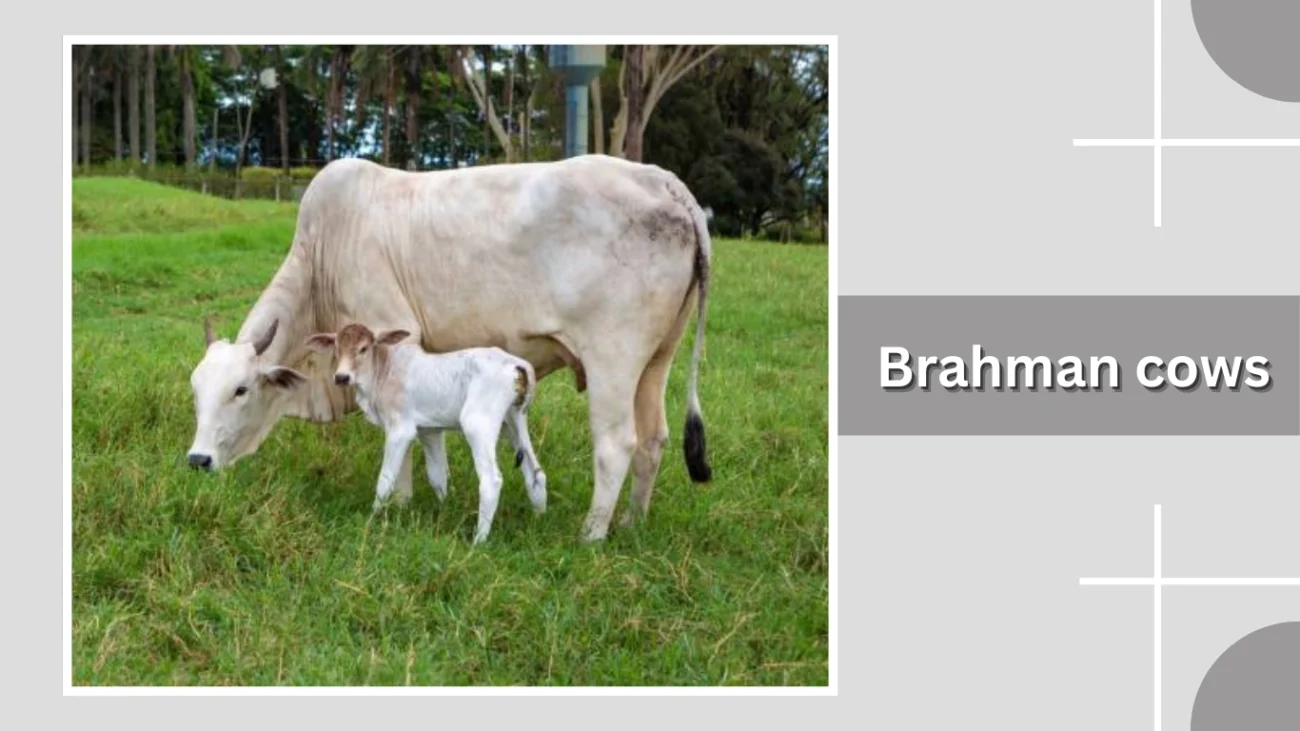
Brahman cows originate from India and are globally recognized for their exceptional heat tolerance, insect resistance, and overall hardiness. Their adaptability makes them a popular choice in tropical and subtropical regions.
Identification
- Light grey to red coat, sometimes almost black
- Distinctive hump over the shoulders
- Long, pendulous ears and loose skin
- Strong, muscular build with a pronounced dewlap
Habitat
Brahmans thrive in hot, humid climates and are commonly found in tropical regions, open rangelands, and semi-arid environments. Their natural resistance to heat and pests makes them well-suited for harsh conditions.
Behaviors
This breed is intelligent, alert, and often more independent than European cattle. While generally calm, Brahmans can be more protective in maternal situations. They are known for their excellent endurance and adaptability.
Diet
Brahmans efficiently utilize rough forage, thriving on grasses, hay, crop residues, and minimal supplemental grain. Their ability to maintain conditions on lower-quality forage makes them ideal for challenging environments.
13. Brangus cows
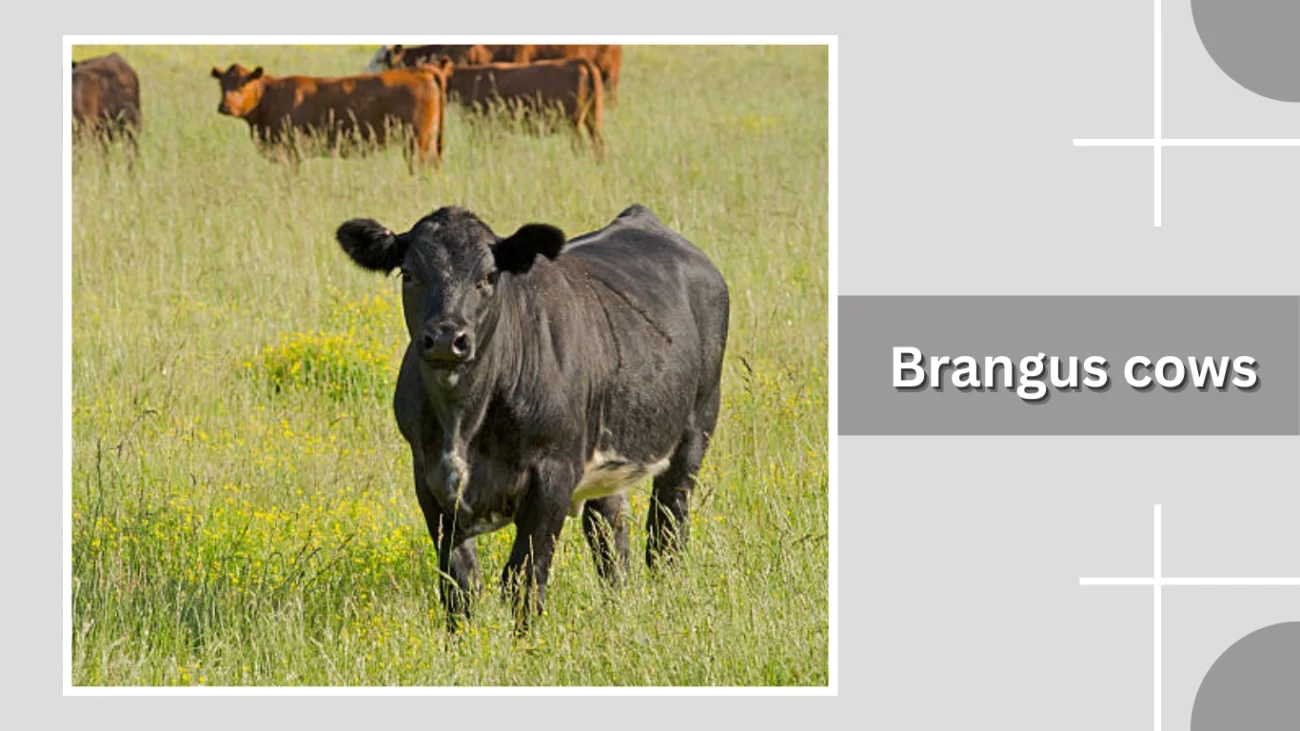
Brangus cows are a crossbreed of Brahman and Angus, developed to combine the heat tolerance of Brahman with the meat quality and temperament of Angus. They are hardy, productive, and well-suited for beef operations in warm climates.
Identification
- Solid black or red coat
- Naturally polled (no horns)
- Medium to large frame with well-defined muscling
- Slight Brahman influence visible in skin and ears
Habitat
Brangus thrive in hot and humid environments but also perform well in temperate regions. They are commonly raised on rangelands, pastures, and ranch systems that require durable and adaptable cattle.
Behaviors
This breed is known for being calm, fertile, and highly maternal. Brangus cattle exhibit strong resistance to heat and parasites while maintaining the gentle behavior characteristic of Angus genetics.
Diet
Their diet consists mainly of pasture grasses, hay, and forage crops. Grain supplementation may be provided for finishing. Brangus cattle are efficient grazers and maintain condition well even in tough grazing environments.
14. Beefmaster cows
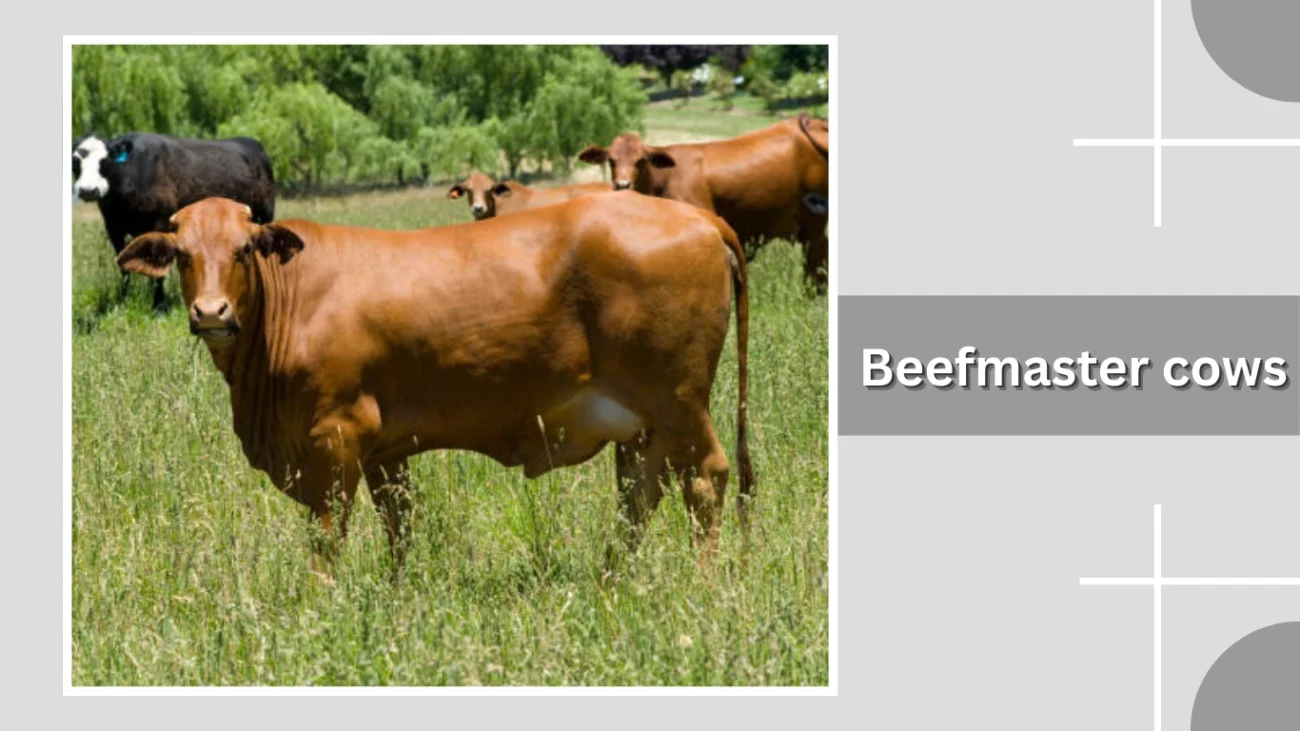
Beefmaster cows are an American breed developed from Brahman, Hereford, and Shorthorn cattle. They are designed for efficiency, adaptability, and strong maternal performance, making them a robust choice for beef production.
Identification
- Red, brown, or patterned coat
- Medium to large, muscular frame
- Loose skin with slight Brahman influence
- Strong head and well-balanced body structure
Habitat
Beefmasters thrive in hot climates, open rangelands, and semi-arid environments. Their hybrid vigor allows them to adapt to various grazing conditions, from lush pastures to rugged terrains.
Behaviors
Known for their calm disposition and excellent maternal instincts, Beefmasters are easy to manage and show strong herd behavior. They are resilient, fertile, and capable of thriving under challenging conditions.
Diet
Their diet commonly includes pasture grasses, hay, and forage crops, with supplemental grain used when needed. Beefmasters efficiently convert feed into lean, high-quality beef, even on lower-quality forage.
15. Galloway cows
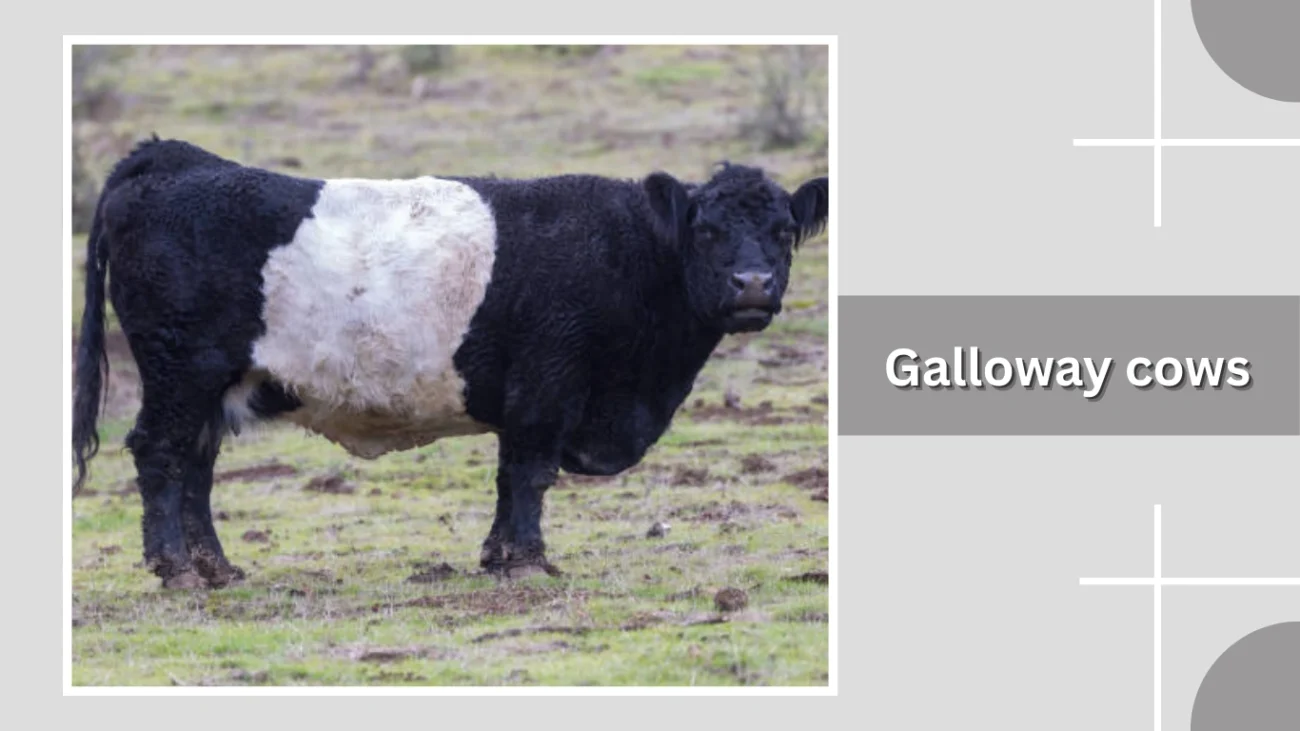
Galloway cows are a hardy Scottish breed known for their thick, double-layered coat and exceptional ability to thrive in cold, harsh climates. They are primarily raised for beef and are appreciated for their calm nature and efficient grazing.
Identification
- Solid black, red, or dun coat
- Distinctive double hair coat that provides insulation
- Medium-sized, sturdy frame
- Naturally polled (no horns)
Habitat
Galloways perform exceptionally well in cold, rugged environments, including highlands and open rangelands. They thrive on pasture-based systems and excel in extensive grazing operations where resilience is essential.
Behaviors
Galloways are docile, easy to handle, and known for their strong herd instincts. They are efficient foragers that utilize rough terrain well and maintain good condition even on sparse vegetation.
Diet
Their diet includes natural grasses, hay, and forage crops. They are highly efficient grazers capable of thriving on low to moderate-quality forage, making them ideal for extensive beef production systems.
16. Belted Galloway cows
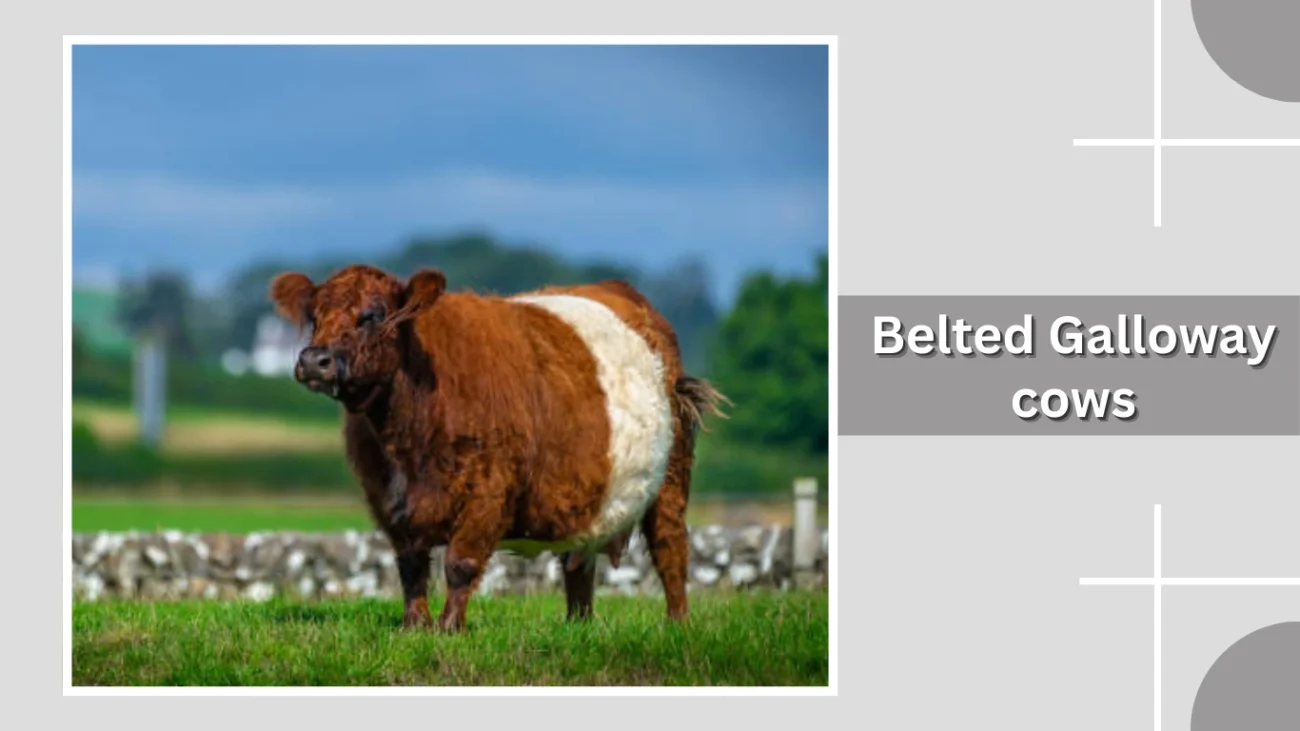
Belted Galloway cows, often called “Belties,” originate from Scotland and are easily recognized by their iconic white belt. Known for their hardiness and exceptional beef quality, they thrive in challenging environments.
Identification
- Black, red, or dun coat with a broad white belt around the midsection
- Thick, double-layered hair coat
- Medium-sized, sturdy build
- Naturally polled (no horns)
Habitat
Belted Galloways thrive in cold, windy, and rugged climates. They are commonly found in highland pastures, open rangelands, and extensive grazing systems where their resilience is most valuable.
Behaviors
These cattle are calm, hardy, and excellent foragers. They show strong herd instincts and maintain body condition even in poor weather and on low-quality forage.
Diet
Their diet consists mainly of pasture grasses, hay, and other forage crops. Belties are highly efficient grazers and excel on rough, marginal lands where other breeds may struggle.
17. Highland cows
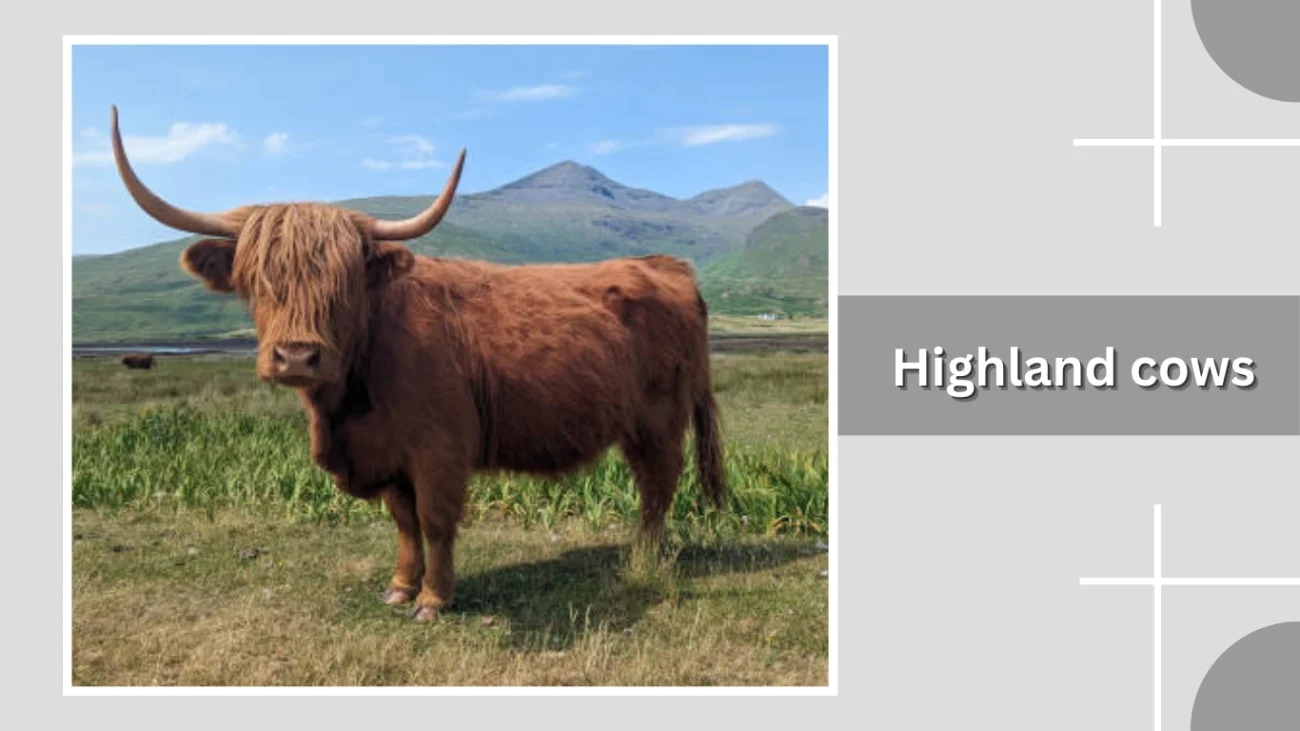
Highland cows originate from the Scottish Highlands and are known for their long, shaggy coats and impressive horns. They are one of the hardiest breeds, capable of surviving in extreme climates with minimal input.
Identification
- Long, shaggy hair in red, black, yellow, brindle, or dun
- Long, curved horns
- Compact yet strong frame
- Distinctively long forelock covering part of the face
Habitat
Highlands thrive in cold, mountainous, and wet climates. They are typically found on rugged pastures, highland ranges, and open grazing areas where resilience is essential.
Behaviors
This breed is gentle, calm, and easy to manage despite their imposing horns. They are excellent foragers, highly adaptable, and capable of thriving on sparse vegetation. Their maternal instincts are strong, and they handle harsh environments with ease.
Diet
Highland cattle feed on grasses, shrubs, hay, and other available forage. They are efficient grazers and can maintain good condition on low-quality pasture that many other breeds cannot utilize effectively.
18. Texas Longhorn cows
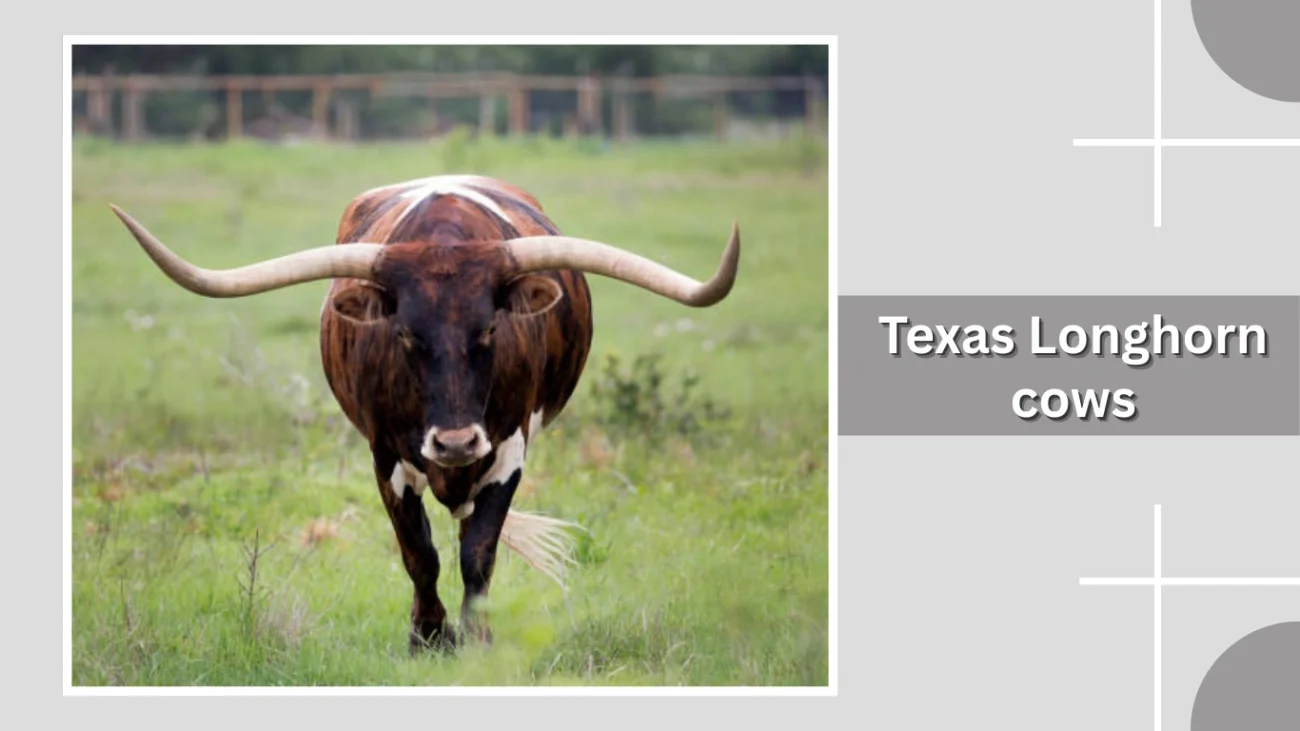
Texas Longhorn cows are an iconic American breed known for their extremely long, sweeping horns and exceptional adaptability. They are hardy, disease-resistant cattle well-suited for beef production in diverse environments.
Identification
- Extremely long, wide horns spreading outward and upward
- Multicolored coat patterns including red, white, black, brindle, and speckled
- Medium frame with a lean, athletic build
- Distinct narrow face and long legs
Habitat
Texas Longhorns thrive in hot, dry climates and are well-suited for open rangelands, deserts, and semi-arid regions. They adapt easily to challenging grazing conditions and can travel long distances in search of forage.
Behaviors
Longhorns are intelligent, alert, and independent yet generally calm. They have excellent survival instincts, strong disease resistance, and are known for easy calving. Their hardy nature makes them low-maintenance cattle.
Diet
They graze efficiently on native grasses, shrubs, and tough vegetation. Longhorns can maintain condition on sparse forage and require minimal supplemental feeding, making them ideal for extensive grazing systems.
19. Nelore cows

Nelore cows originate from India but have become one of the most important beef breeds in Brazil and other tropical regions. They are highly valued for their heat tolerance, parasite resistance, and strong adaptability.
Identification
- Predominantly white or light grey coat
- Distinctive shoulder hump
- Long, slender legs suited for hot climates
- Large ears and loose skin for better heat dissipation
Habitat
Nelore cattle thrive in tropical and subtropical climates. They are commonly raised on open pastures, large ranches, and extensive grazing systems where durability and heat resistance are essential.
Behaviors
Nelore cows are active, alert, and hardy. While they may be more energetic than European breeds, they are efficient survivors with strong mothering instincts and excellent calving ease.
Diet
Their diet consists mainly of tropical grasses, hay, and forage. Nelore cattle can thrive on low-quality forage and require minimal supplemental feeding, making them ideal for large-scale beef production in warm regions.
20. Gir cows
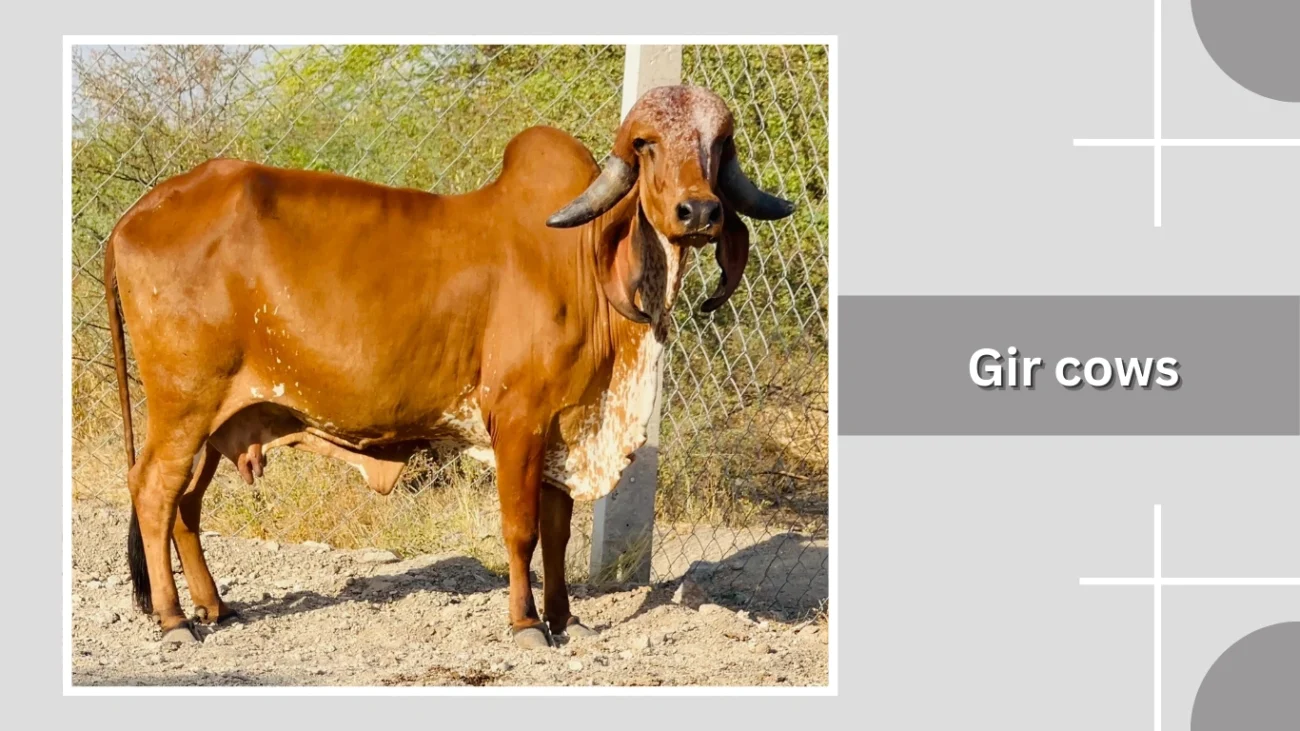
Gir cows originate from India and are one of the oldest and most respected dairy breeds in the country. They are known for their distinctive appearance, heat tolerance, and the ability to produce rich, flavorful milk.
Identification
- Red, spotted red, or mottled coat
- Long, pendulous ears shaped like a leaf
- Prominent domed forehead
- Medium frame with loose skin and a flowing tail
Habitat
Gir cattle thrive in hot, humid, and tropical climates. They are commonly raised on open pastures and semi-arid regions, particularly in India and Brazil, where their resilience and adaptability are highly valued.
Behaviors
Girs are gentle, intelligent, and friendly cattle. They show strong maternal instincts and adapt well to routine handling. Their calm disposition makes them suitable for both small and large dairy operations.
Diet
Their diet includes tropical grasses, hay, silage, and minimal grain supplementation. Gir cattle efficiently convert forage into nutrient-rich milk, making them an excellent choice for pasture-based dairy systems.
21. Sahiwal cows
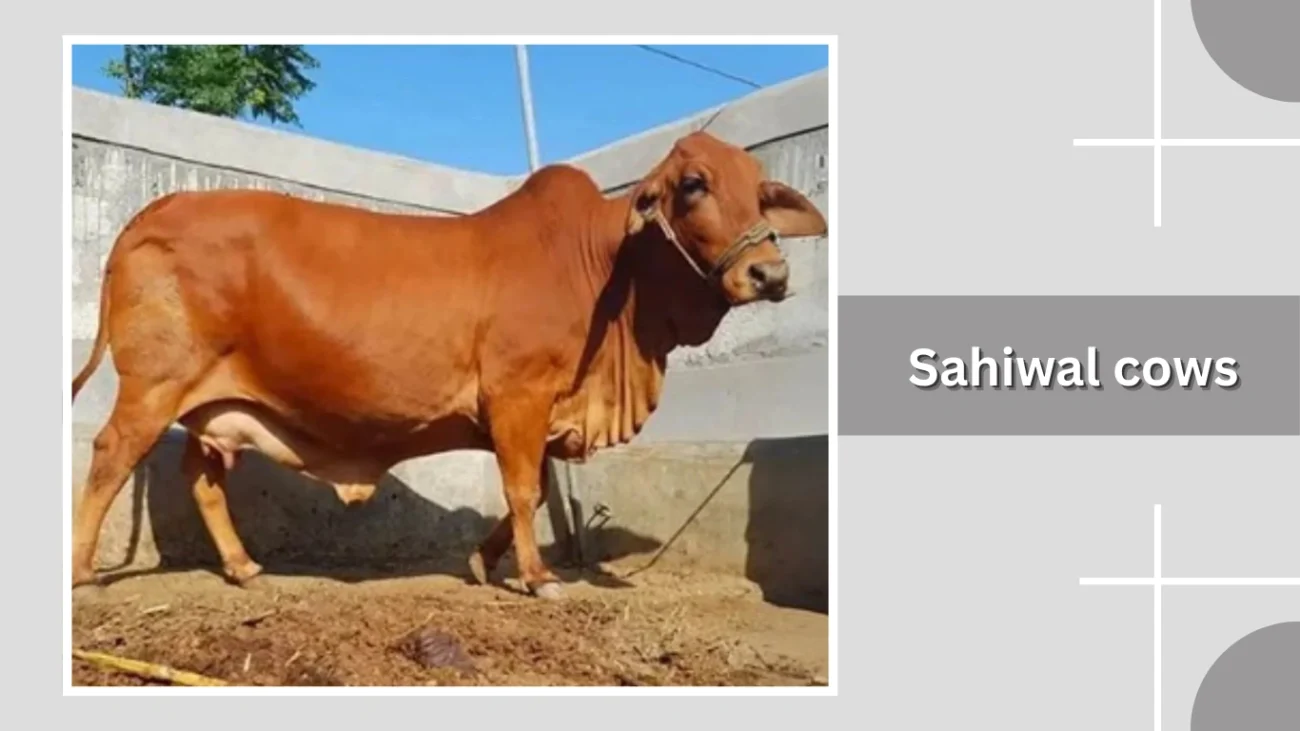
Sahiwal cows originate from the Punjab region of Pakistan and India and are renowned for their high milk production, heat tolerance, and gentle nature. They are considered one of the best Zebu dairy breeds.
Identification
- Reddish-brown coat, sometimes with lighter shading
- Medium-sized frame with loose skin
- Short horns and large, drooping ears
- Well-developed udder suited for dairy production
Habitat
Sahiwals thrive in hot, arid, and tropical climates. They are commonly found in open pastures, mixed farming systems, and regions with high temperatures where their heat resistance is an advantage.
Behaviors
These cows are calm, docile, and easy to manage. They display excellent maternal instincts and are highly disease-resistant. Their gentle behavior makes them suitable for small-scale and traditional dairy farms.
Diet
Their diet includes tropical grasses, hay, silage, and small amounts of grain. Sahiwals are efficient forage converters and can maintain good milk production even during periods of heat or limited feed.
22. Red Sindhi cows
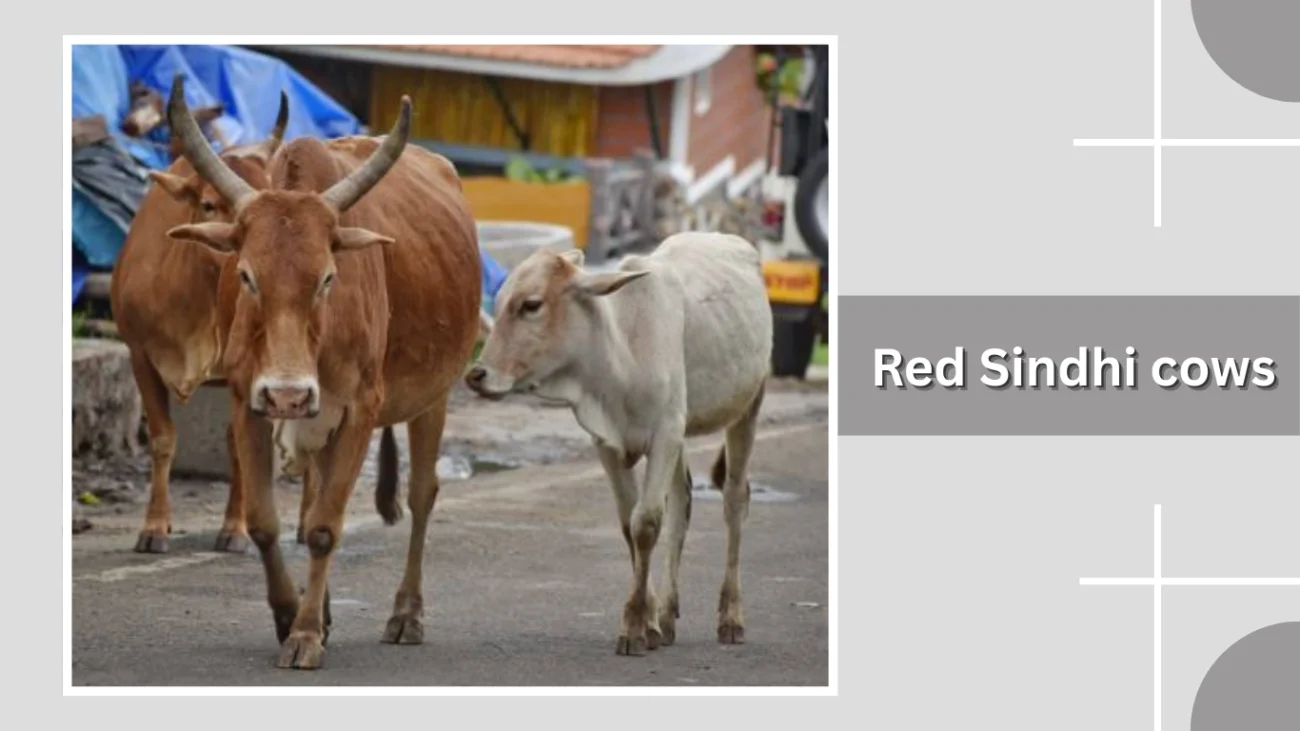
Red Sindhi cows originate from Pakistan and are known for their high milk production, disease resistance, and adaptability to hot climates. They are popular dairy cattle in many tropical regions.
Identification
- Deep reddish-brown coat, sometimes with darker shading
- Medium-sized frame with loose, smooth skin
- Short horns and long, drooping ears
- Well-developed udder suited for consistent milk production
Habitat
Red Sindhi cattle thrive in hot, humid, and arid environments. They are often raised on open pastures and traditional dairy farms across South Asia and other tropical regions.
Behaviors
This breed is gentle, calm, and easy to handle. Red Sindhis show strong maternal instincts, good fertility, and reliable milk production, even under harsh environmental conditions.
Diet
Their diet includes pasture grasses, hay, silage, and limited grain supplementation. Red Sindhis are highly efficient grazers and can maintain milk output even on moderate-quality forage.
23. Kankrej cows
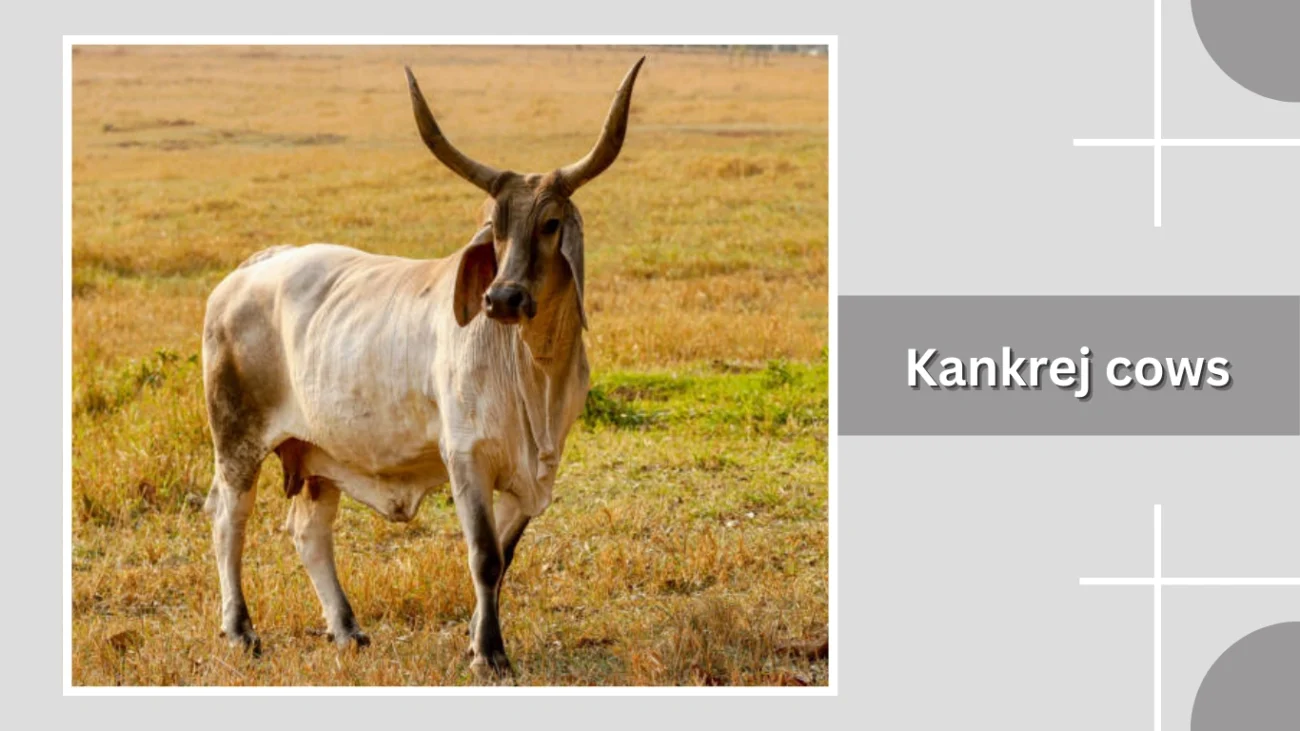
Kankrej cows originate from the Gujarat and Rajasthan regions of India and are valued for their strength, endurance, and dual-purpose use for both milk and draft work. They are one of the most resilient Zebu breeds.
Identification
- Silver-grey to iron-grey coat
- Strong, lyre-shaped horns
- Long, drooping ears
- Robust, muscular frame with deep chest
Habitat
Kankrej cattle thrive in hot, arid, and semi-arid climates. They are commonly raised in desert and dry grassland regions where drought resistance and durability are essential.
Behaviors
This breed is alert, active, and highly hardworking. Kankrej cows have strong maternal instincts, good temperament, and impressive endurance, making them suitable for both dairy and draft purposes.
Diet
Their diet consists of grasses, hay, crop residues, and minimal grain supplementation. Kankrej cattle efficiently utilize low-quality forage and maintain good health even in harsh grazing conditions.
24. Tharparkar cows
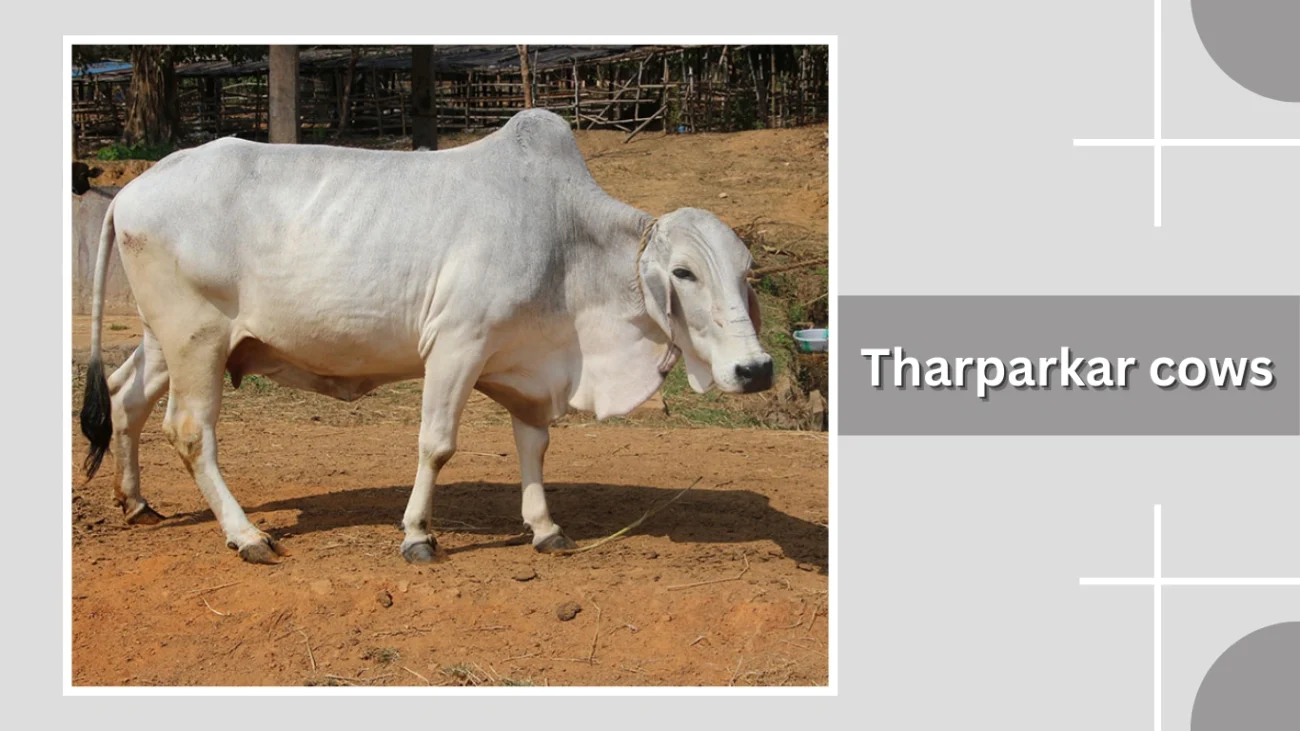
Tharparkar cows originate from the Thar Desert region of India and Pakistan. Known for their resilience, milk production, and hardiness, they are among the top Zebu dairy breeds suited for extreme climates.
Identification
- White to light grey coat
- Medium-sized frame with sturdy build
- Slight hump and long, drooping ears
- Well-developed udder ideal for consistent milk yield
Habitat
Tharparkar cattle thrive in arid, desert, and semi-arid environments. Their ability to tolerate heat, drought, and limited grazing makes them well-suited for harsh climates and low-input farming systems.
Behaviors
This breed is calm, adaptable, and hardy. Tharparkar cows exhibit strong maternal instincts and steady milk production even under stressful environmental conditions.
Diet
Their diet includes desert grasses, hay, crop residues, and supplemental feed when needed. They effectively convert sparse forage into energy, making them reliable dairy cattle in difficult environments.
25. Holstein-Friesian cows

Holstein-Friesian cows are a globally recognized dairy breed originating from the Netherlands and northern Germany. Known for their outstanding milk production, they are the most common dairy cattle in the world.
Identification
- Classic black-and-white or red-and-white coat
- Large frame with long, angular body
- Well-developed udder designed for high milk output
- Broad head with calm, alert expression
Habitat
Holstein-Friesians thrive in temperate climates but adapt well to various environments, including free-stall barns, open pastures, and modern dairy systems. Their versatility makes them suitable for dairy farms of all sizes.
Behaviors
These cows are gentle, social, and easy to handle. They adapt well to herd environments and routine milking schedules. Their high productivity requires consistent care and feeding.
Diet
Their diet includes high-quality forage such as grass, hay, and silage, along with balanced grain rations. Proper nutrition is essential to support their exceptional milk yield and overall health.
26. Santa Gertrudis cows

Santa Gertrudis cows were developed in the United States, specifically at the King Ranch in Texas. A mix of Brahman and Shorthorn, they were bred for heat tolerance, adaptability, and strong beef performance.
Identification
- Deep red coat, sometimes with minimal white
- Large, muscular frame
- Slight hump and loose skin from Brahman influence
- Strong legs and broad head
Habitat
Santa Gertrudis cattle thrive in hot, humid, and semi-arid climates. They are commonly raised on large ranches, open rangelands, and extensive grazing systems where durability is essential.
Behaviors
This breed is calm, hardy, and easy to manage. They display strong maternal instincts, good fertility, and excellent overall resilience. Their hybrid genetics give them remarkable adaptability.
Diet
Their diet consists of pasture grasses, hay, forage crops, and supplemental grain when needed. Santa Gertrudis cattle are efficient grazers capable of maintaining body condition in challenging environments.
27. Maine-Anjou cows
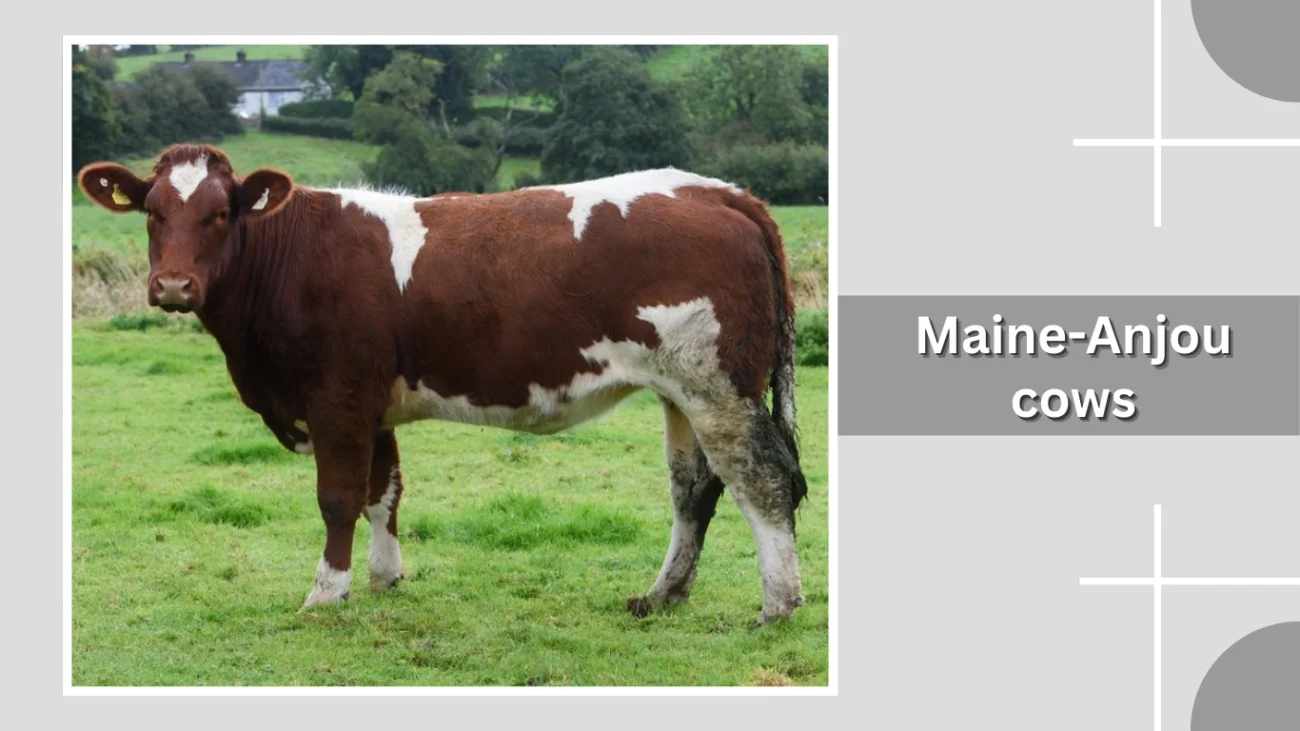
Maine-Anjou cows originate from France and are known for their impressive size, strong muscling, and excellent beef production qualities. They are widely used in commercial and crossbreeding programs.
Identification
- Dark red coat with white markings (modern types may be solid colors)
- Large, muscular frame
- Broad head with strong features
- Smooth body with well-defined hindquarters
Habitat
Maine-Anjou cattle thrive in temperate climates and are commonly raised on open pastures, mixed farms, and large ranch operations. They adapt well to both intensive and extensive grazing systems.
Behaviors
This breed is typically docile, manageable, and steady. Maine-Anjou cattle are known for good maternal instincts, strong growth rates, and efficient performance in herd settings.
Diet
Their diet includes pasture grasses, hay, silage, and grain supplementation, especially during finishing. Maine-Anjou cattle efficiently convert feed into high-quality, flavorful beef.
28. Chianina cows
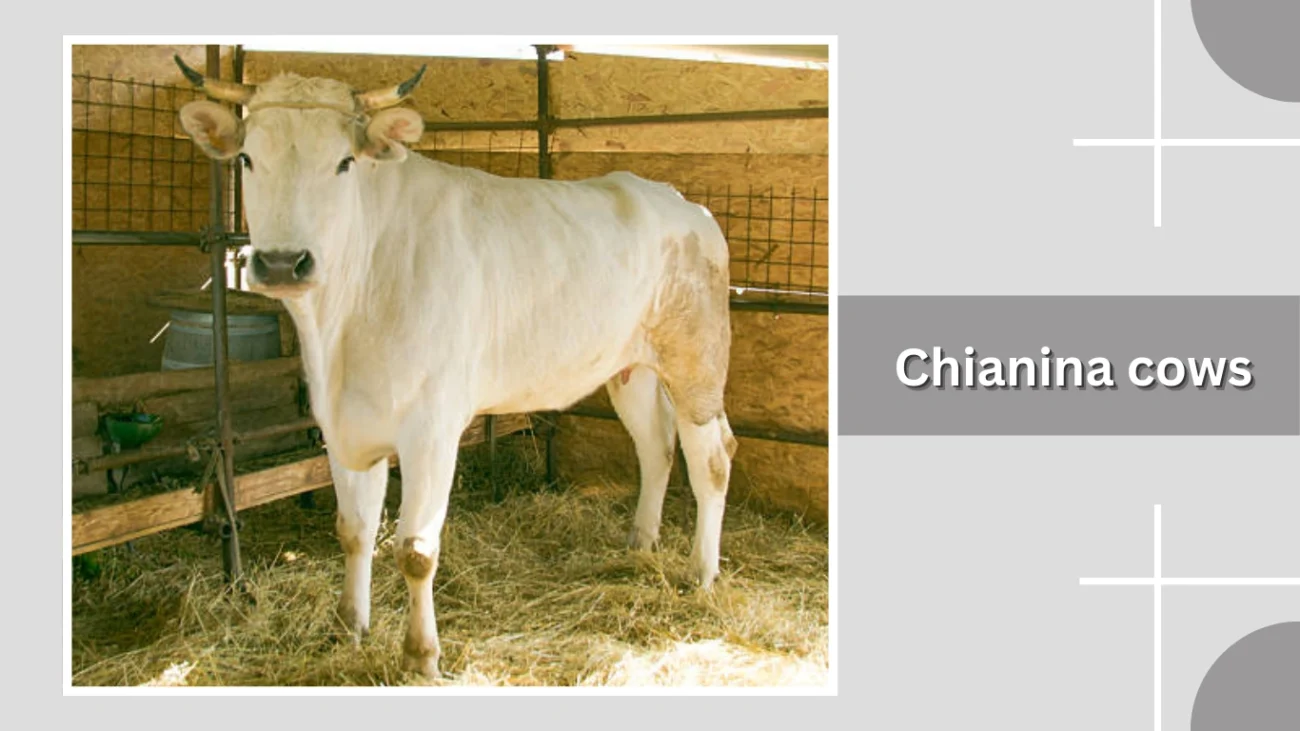
Chianina cows are one of the oldest and largest cattle breeds in the world, originating from Italy. They are prized for their size, strength, and lean beef production, as well as their historical use as draft animals.
Identification
- White to pale grey coat
- Very tall, long-legged, and muscular frame
- Black skin, muzzle, and eye pigmentation
- Short horns and refined head structure
Habitat
Chianina cattle thrive in warm climates and open pastures. They are commonly raised in Mediterranean regions, ranches, and mixed grazing systems where ample space allows them to move freely.
Behaviors
This breed is calm, intelligent, and adaptable. Despite their massive size, Chianina cows are generally gentle and easy to manage when properly socialized. They have strong endurance and are excellent grazers.
Diet
Their diet includes grasses, hay, silage, and supplemental grains during finishing. Chianina cattle are efficient converters of forage into lean, high-quality beef.
29. Belgian Blue cows
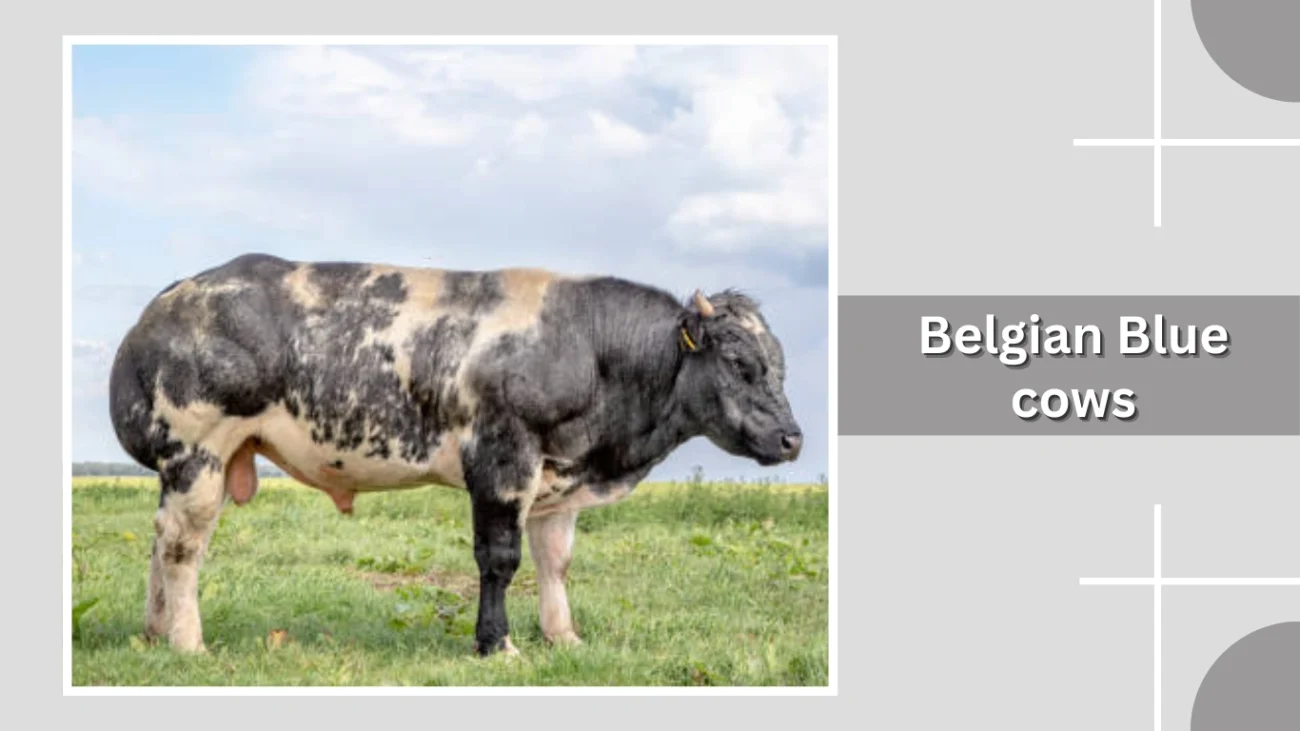
Belgian Blue cows originate from Belgium and are famous for their extraordinary muscle development caused by a natural “double-muscling” gene. They are highly valued for producing lean, tender, and high-yield beef.
Identification
- Blue-grey, white, or black-and-white coat
- Extremely muscular frame due to double-muscling
- Medium-sized body with deep, defined hindquarters
- Short head and calm expression
Habitat
Belgian Blues thrive in temperate climates and are typically raised on modern beef farms, pasture systems, and mixed agricultural operations. They adapt well to controlled environments that support their high nutritional needs.
Behaviors
Despite their powerful build, Belgian Blues are calm and easy to manage. They exhibit good temperament but may require extra care during calving due to their muscular offspring.
Diet
Their diet includes high-quality grasses, hay, silage, and nutrient-rich grain supplements. Belgian Blues benefit from balanced feeding programs that support their rapid growth and muscle development.
30. Wagyu cows
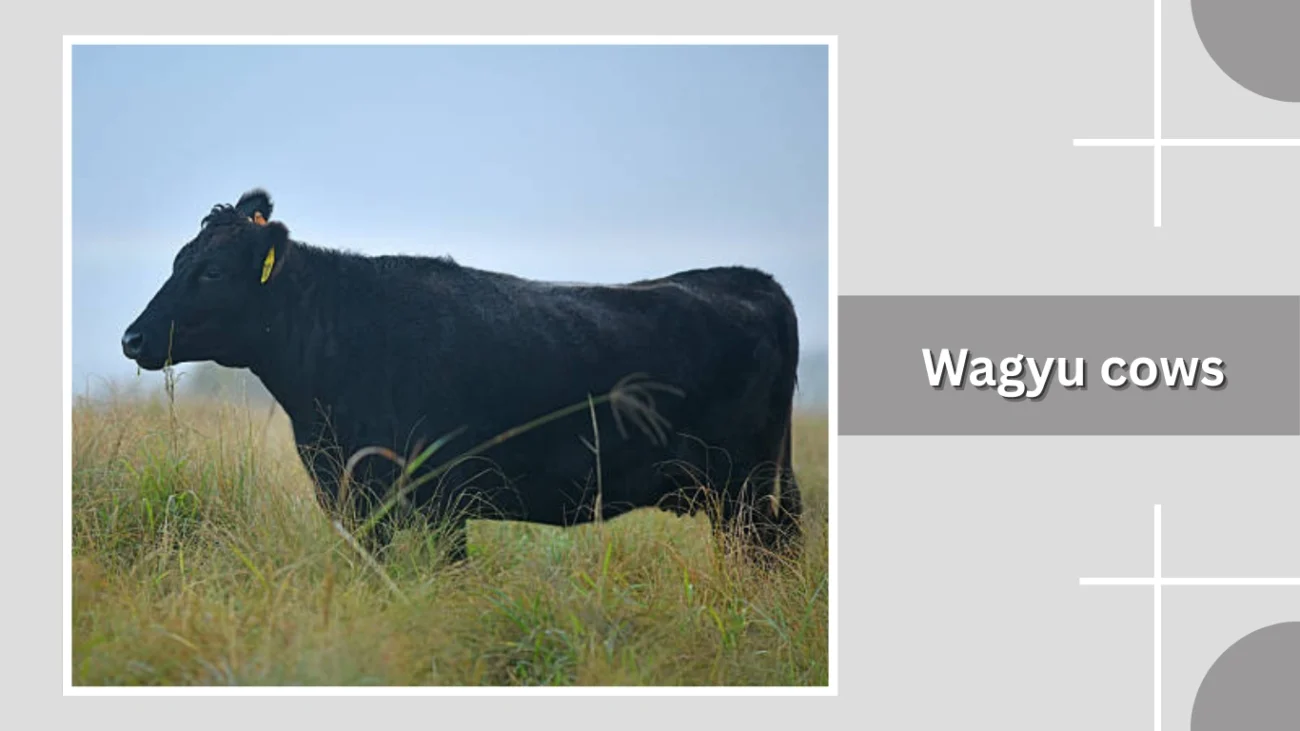
Wagyu cows originate from Japan and are globally renowned for producing extremely high-marbling, premium-quality beef. Their genetics and specialized feeding systems make Wagyu beef among the most sought-after in the world.
Identification
- Solid black or red coat
- Medium-sized frame with balanced build
- Naturally horned with smooth horns curving forward
- Soft coat and calm facial expression
Habitat
Wagyu cattle thrive in controlled, well-managed environments. They are typically raised on small farms, specialized feeding operations, and regions with temperate climates where stress levels can be minimized to support premium beef production.
Behaviors
Wagyu are gentle, docile, and easy to handle. They respond well to routine care and low-stress environments. Their calm behavior contributes to the development of consistent marbling in finished cattle.
Diet
Their diet includes high-quality grasses, hay, grains, and energy-dense rations. Wagyu feeding programs often last longer than typical beef production cycles, with careful nutritional management to optimize marbling and meat quality.
FAQs
1. Which cow breed produces the most milk?
Holstein and Holstein-Friesian cows are the top milk producers globally. They are known for their exceptional volume of milk, making them the preferred breed for large commercial dairy operations. Their productivity is unmatched, though they require high-quality nutrition and proper management to maintain output.
2. What is the hardiest cow breed for harsh climates?
Highland and Galloway cattle are among the hardiest breeds, thriving in cold, rugged environments. For hot climates, breeds like Brahman, Nelore, and Gir excel due to their heat tolerance and parasite resistance. These breeds adapt easily to extreme weather conditions.
3. Which breed is best for beef quality?
Wagyu is widely considered the best for premium beef quality thanks to its exceptional marbling. Angus is another leading beef breed, prized for tender, flavorful meat. Belgian Blue also produces high-yield, lean beef due to its double-muscling characteristics.
4. What is the calmest cow breed?
Jersey, Brown Swiss, and Angus are known for their calm, gentle temperaments. These breeds are easy to manage, interact well within herds, and are preferred by farmers who prioritize docile behavior and stress-free handling.
5. Which cow breed is best for beginners?
Jersey, Angus, and Hereford cattle are excellent choices for beginners. They are easy to maintain, docile, and adaptable. Jerseys are ideal for small dairies, while Angus and Herefords are great for small beef operations because of their low-maintenance nature and strong natural hardiness.


