White doves are known for their beauty, calm nature, and symbolic meaning. From pure white homing pigeons to rare albino mutations, each type has its own charm and care needs. Whether used in ceremonies, kept as pets, or admired in aviaries, these doves offer both elegance and peaceful behavior. This list covers 10 common types of white dove birds, with key details to help you identify and understand them.
1. White Dove (Domestic variant of Rock Pigeon)
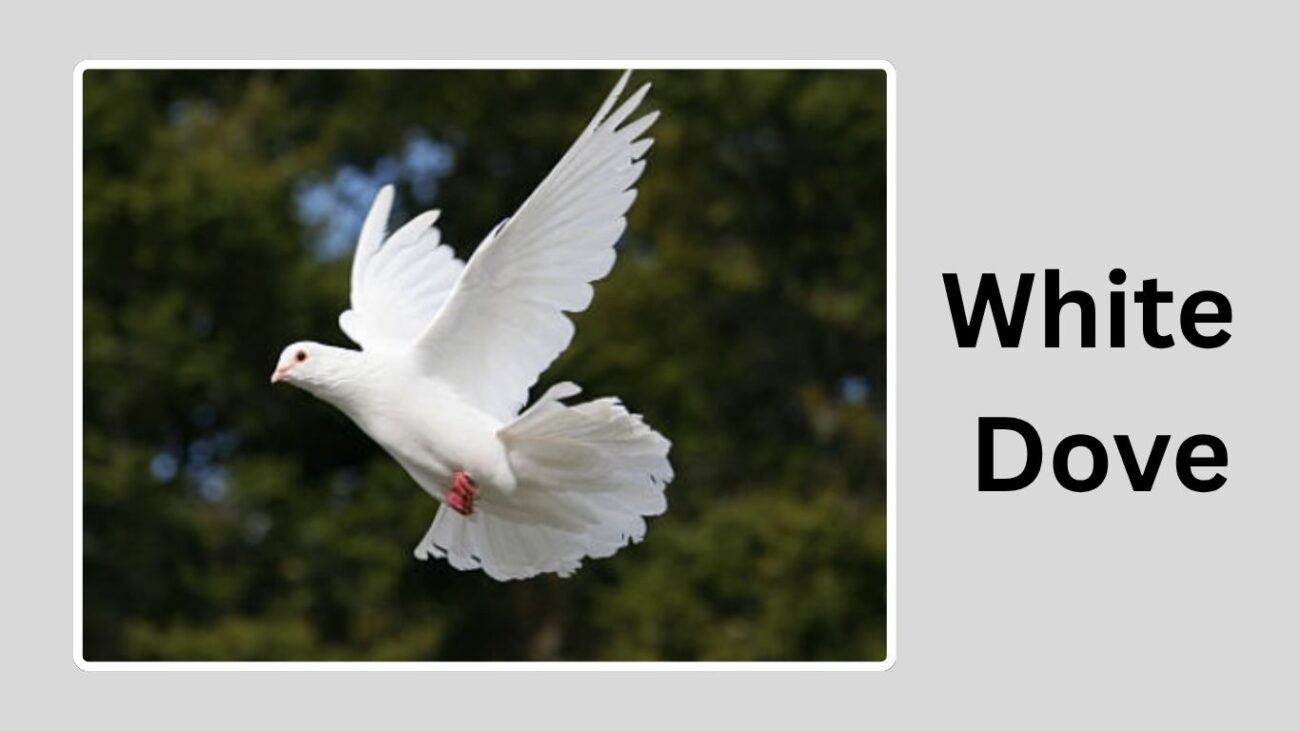
The White Dove is a pure white form of the Rock Pigeon (Columba livia), selectively bred for its color and gentle nature. It is often used in weddings, memorials, and peace ceremonies due to its symbolic beauty and calm behavior.
Identification
- All-white plumage with no markings
- Small, rounded head with a soft pink bill
- Pink legs and feet
- Red or dark eyes, depending on the strain
- About 30–33 cm in length with steady flight
Behavior
Calm, gentle, and easy to handle. They bond well with humans and prefer to live in pairs or flocks. Trained doves can return home after release, but untrained ones cannot survive in the wild.
Habitat
Fully domesticated. Kept in aviaries, lofts, or dove cotes with clean, safe spaces, perches, and nest boxes. Not naturally found in the wild.
2. White Homing Pigeon
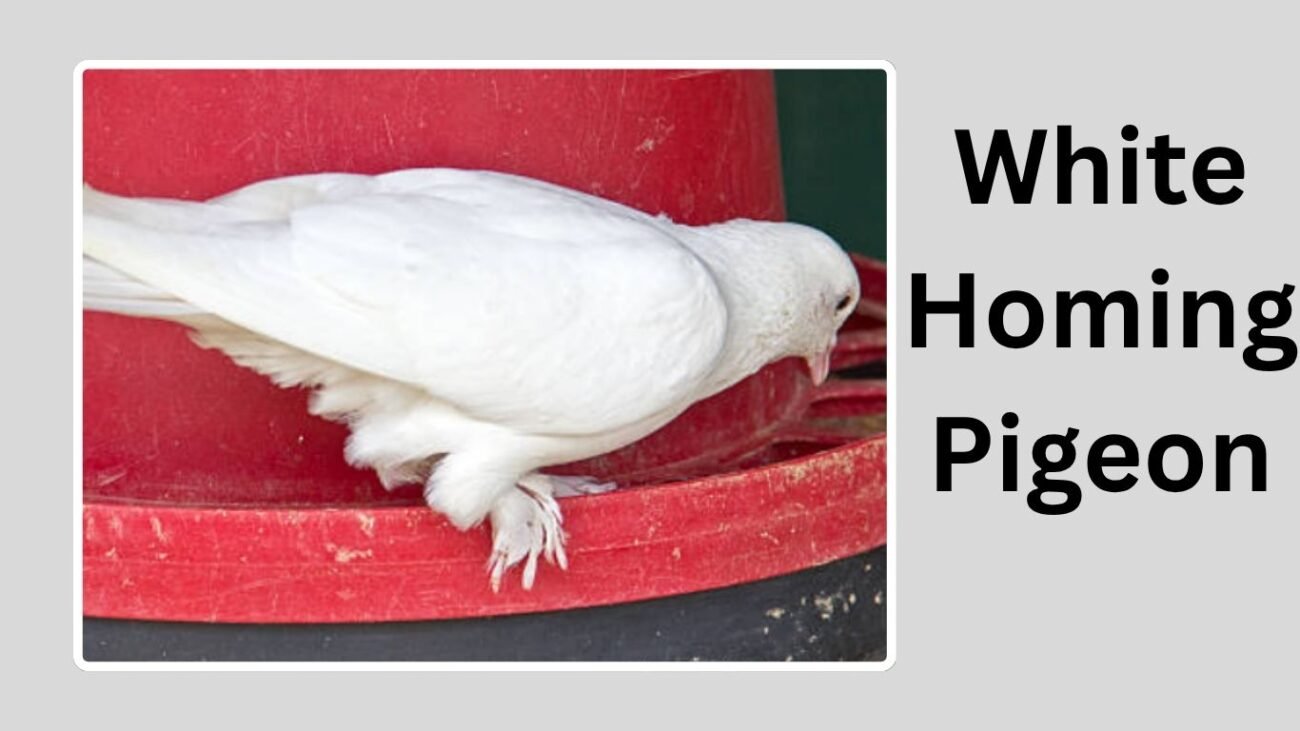
The White Homing Pigeon is a pure white variant of the homing pigeon, known for its excellent navigation skills. It is often used in ceremonial releases because it can fly back to its home loft from long distances.
Identification
- Pure white plumage with streamlined body
- Slightly larger and more muscular than typical doves
- Strong wings and wide tail
- Pink beak and feet
- Sharp, alert eyes (red or dark)
Behavior
Highly intelligent and loyal. Can be trained to return home from over 500 km away. They form strong pair bonds and are calm around humans. Used in racing, messaging, and events.
Habitat
Kept in lofts specially designed for homing pigeons. Needs open flying space and clean roosts. Not wild birds—fully managed by breeders and trainers.
3. Ringneck Dove (White Morph)

The White Ringneck Dove is a color mutation of the Ringneck Dove (Streptopelia risoria), a common domesticated dove species. It is popular in homes and aviaries for its soft cooing and friendly nature.
Identification
- Entirely white feathers with slim body
- Long tail and slender neck
- Pale pink beak and legs
- Small black eyes
- Often retains a faint neck ring, though white-on-white
Behavior
Docile, gentle, and easily tamed. Likes to perch, coo softly, and interact with humans. Pairs up easily and breeds in captivity with minimal effort.
Habitat
Commonly kept as a pet in indoor or outdoor aviaries. Needs a clean, dry space with food, water, and room to fly short distances. Not a wild species.
4. Eurasian Collared Dove (Leucistic or White Morph)

The White Eurasian Collared Dove is a rare leucistic form of the normally gray Eurasian Collared Dove (Streptopelia decaocto). While wild-type birds are light brownish-gray, this variation is pale cream to nearly white, often seen in captivity or rare wild sightings.
Identification
- Pale white to creamy plumage
- Distinct black collar around the back of the neck
- Pinkish legs and dark bill
- Red or dark eyes
- Slim body and long, squared tail
Behavior
Mild-tempered and adaptable. In the wild, it’s often seen in pairs or flocks around human settlements. The white form is more often captive-bred. These doves are good breeders and easily adapt to aviaries.
Habitat
Widespread in suburban areas, farms, and gardens. The white form is kept in aviaries or found in dove collections. In the wild, they nest in trees, buildings, or even hanging flower pots.
5. White Laughing Dove (Mutation)
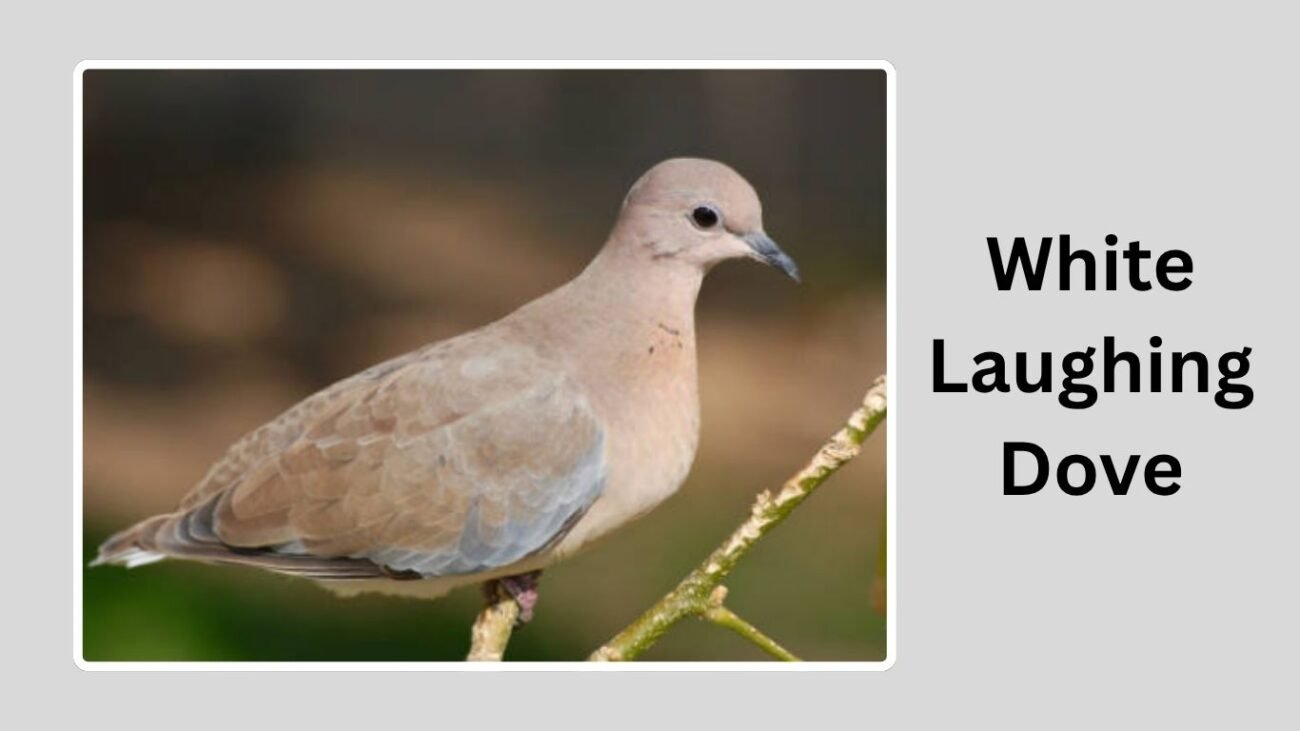
The White Laughing Dove is a rare color mutation of the Laughing Dove (Spilopelia senegalensis), a species known for its soft, bubbling coo. While wild Laughing Doves are pinkish-brown, this version is snowy white and often kept in captivity.
Identification
- All-white plumage with a slight pink sheen under sunlight
- Slender body and rounded head
- Black beak and pale pink legs
- Usually lacks the spotted neck patch seen in wild form
- Bright, curious eyes
Behavior
Very gentle and peaceful. Known for its signature coo that sounds like a soft chuckle. Adapts well to human contact and lives comfortably with other birds in aviaries.
Habitat
Mainly found in aviaries or bird farms as it is a mutation. Requires a sheltered, predator-free space with fresh food, water, and nesting spots. Not commonly found in the wild.
6. White Zebra Dove (Rare Mutation)

The White Zebra Dove is an uncommon color mutation of the Zebra Dove (Geopelia striata), a small bird native to Southeast Asia. While typical Zebra Doves have barred gray and brown feathers, the white variant has smooth, light plumage with little or no barring.
Identification
- Mostly white to pale cream feathers
- Slim, small body (18–20 cm long)
- Long, narrow tail
- Blue-gray eye ring
- Delicate black bill and pinkish legs
Behavior
Gentle, quiet, and ground-feeding. Often seen walking rather than flying. Known for soft, rapid cooing. Forms strong bonds with mates and does well in peaceful aviaries.
Habitat
Wild-type Zebra Doves live in open country, gardens, and city edges across Southeast Asia. The white form is mostly captive-bred and kept in aviaries or by dove hobbyists.
7. White Diamond Dove (Color Variant)
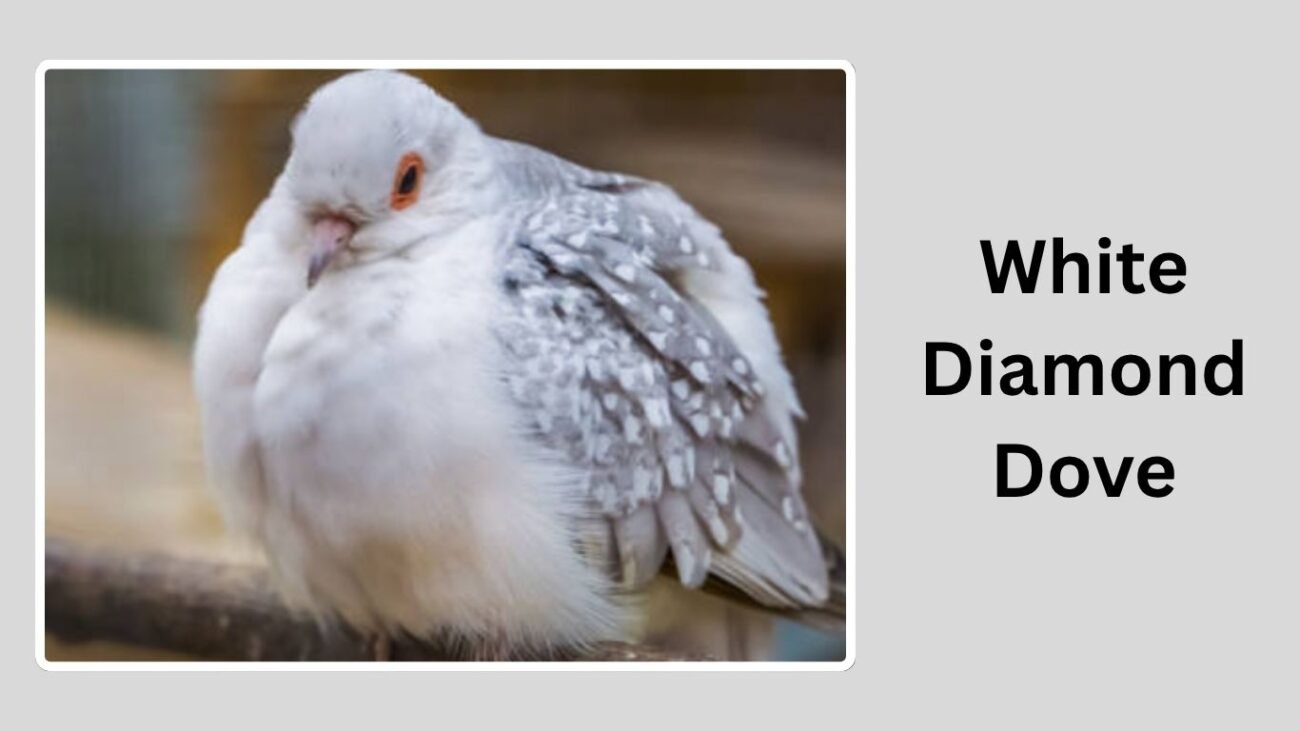
The White Diamond Dove is a color mutation of the Diamond Dove (Geopelia cuneata), a petite and elegant species from Australia. Popular in aviaries, it’s cherished for its delicate size and friendly nature.
Identification
- Pure white feathers
- Small body (about 19–21 cm)
- Bright red eye-ring
- Short bill and tail compared to other doves
- Pinkish legs and feet
Behavior
Very tame and social, especially with other doves. Known for soft cooing and calm demeanor. Ideal for beginners in bird keeping. Pairs well and breeds easily in captivity.
Habitat
Kept as a pet or aviary bird worldwide. Needs a warm, sheltered enclosure with perches, soft flooring, and daily feeding. Not found in the wild in white form.
8. White Inca Dove (Mutation Form)

The White Inca Dove is a rare color mutation of the Inca Dove (Columbina inca), a small species native to the southwestern U.S., Mexico, and Central America. While wild Inca Doves have scaled brown and gray feathers, the white form is smooth and pale.
Identification
- Pale cream to full white plumage
- Compact body, about 16–20 cm long
- Short tail with rounded feathers
- Black beak, pink legs
- May retain faint scalloped patterns on wings
Behavior
Peaceful and quiet. Often stays low to the ground, feeding on seeds. Not aggressive—gets along well in mixed aviaries. Known for soft cooing and gentle movements.
Habitat
Wild-type lives in open woodlands and urban areas. The white version is found in captivity. Needs a small aviary or cage with dry ground cover and safe shelter.
9. White Turtle Dove (Leucistic Form)
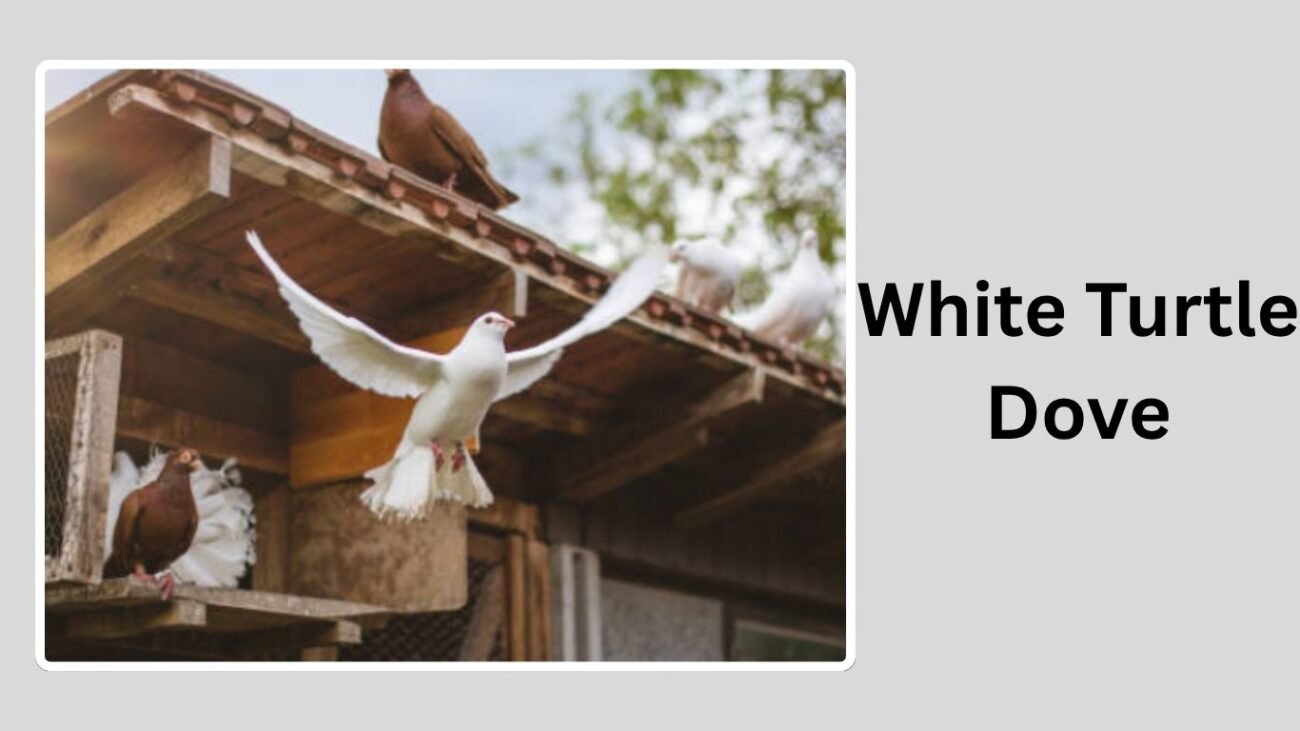
The White Turtle Dove is a leucistic (pale-colored) form of the Turtle Dove (Streptopelia turtur), a migratory species native to Europe, Asia, and North Africa. These white doves are rare and mostly seen in captivity or dove collections.
Identification
- Pale ivory to white plumage
- May show faint markings on neck or wings
- Long, wedge-shaped tail with white outer feathers
- Dark eyes and pink legs
- Slightly smaller and slimmer than Eurasian Collared Doves
Behavior
Shy and quiet. In the wild, turtle doves are known for their soft purring call and cautious behavior. The white form shares the same gentle nature and does best in calm aviary settings.
Habitat
Wild turtle doves migrate between Europe and Africa, preferring farmlands and woodlands. The white form is kept by breeders and hobbyists in aviaries or dove lofts.
10. Java Dove (Albino Ringneck Dove)

The Java Dove is an albino form of the Ringneck Dove (Streptopelia risoria), also known as the Albino Ringneck Dove. It is completely white with red eyes and lacks any pigmentation, making it distinct from leucistic or white morph doves.
Identification
- Pure white plumage with no markings
- Bright red or pink eyes (a key trait of albinism)
- Pale pink bill and legs
- Same size and shape as standard Ringneck Dove (about 30 cm)
- Slender body and long tail
Behavior
Docile, quiet, and friendly. Easily tamed and often kept as a pet or in dove shows. Bonds well with other doves and humans. Breeds easily in captivity and is not aggressive.
Habitat
Completely domesticated. Lives in indoor cages or outdoor aviaries with shelter and nesting areas. Requires protection from direct sunlight due to light sensitivity from albinism.
FAQs About White Dove Birds
1. Are white doves and pigeons the same?
Yes, many white doves are actually domesticated forms of Rock Pigeons. The term “dove” is often used for smaller, gentler pigeons, but biologically, they belong to the same bird family.
2. Can white doves survive if released into the wild?
Only trained white homing pigeons can return home safely. Most white doves, especially untrained or ornamental types, cannot survive in the wild due to lack of survival skills and predator awareness.
3. Do white doves make good pets?
Yes, they are gentle, quiet, and social birds. Many types, like Ringneck Doves or Diamond Doves, are ideal for indoor or aviary keeping with proper care and space.
4. What do white doves eat?
They eat seeds, grains, and occasional greens or grit for digestion. Commercial dove seed mixes are available, and fresh water should always be provided.
5. How long do white doves live?
With good care, white doves can live 10 to 15 years, and some even reach 20 years in captivity, especially if housed in clean, safe environments.