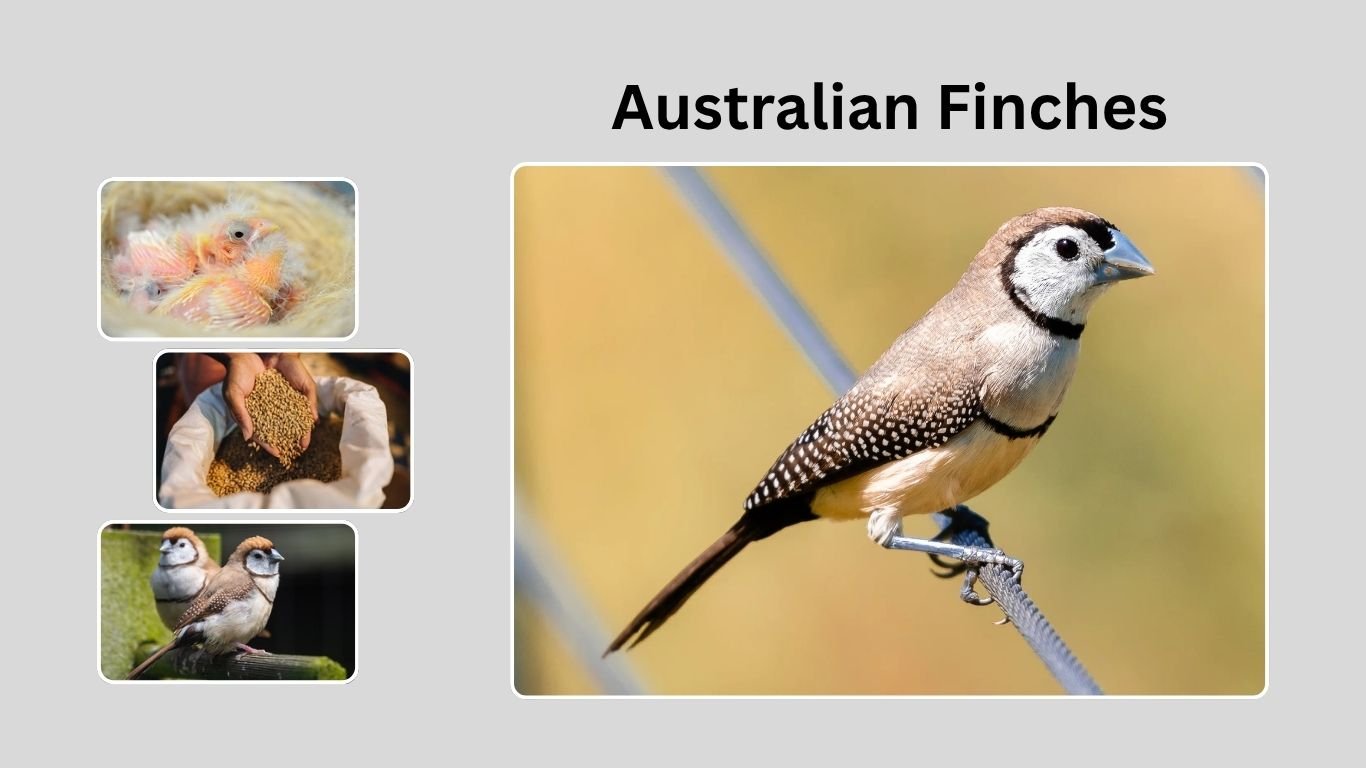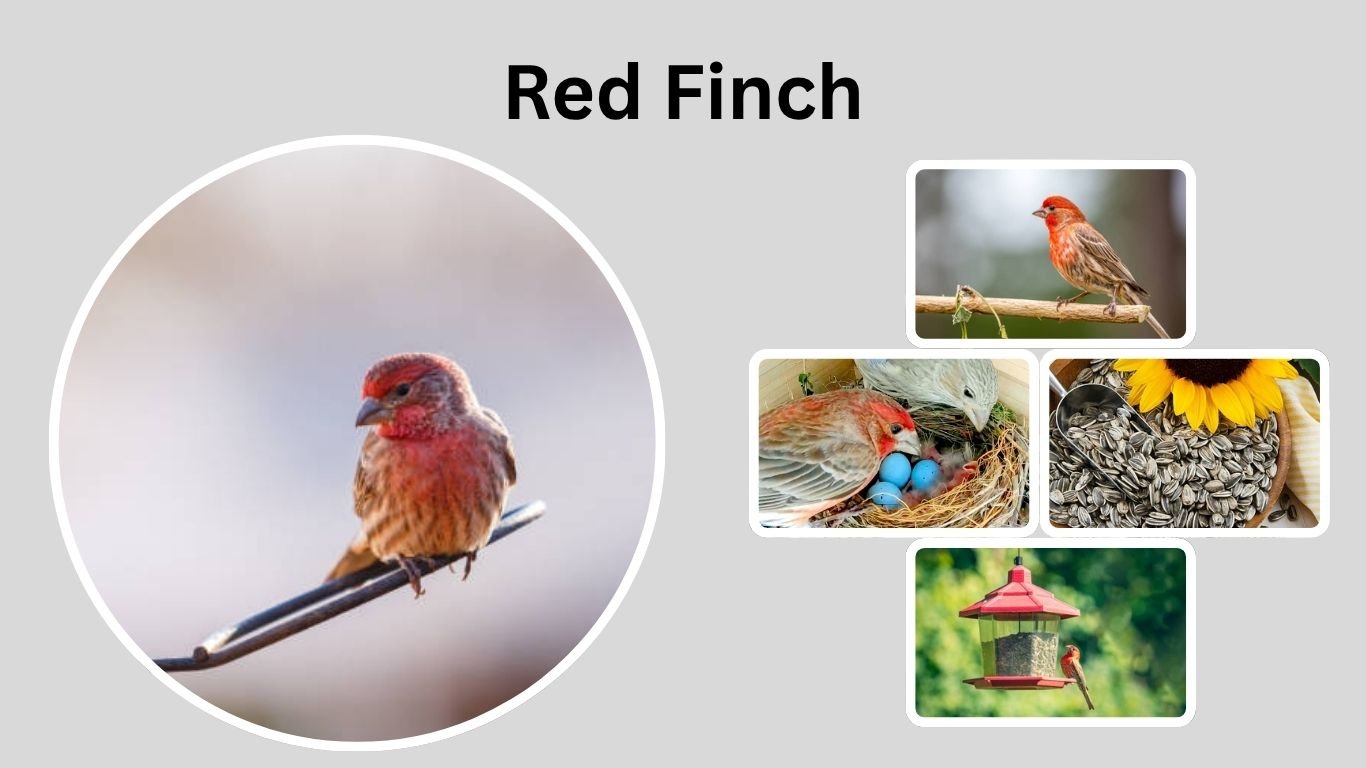
Introduce the red finch as one of North America’s most colorful and cheerful songbirds. Mention their striking red plumage, melodic song, and adaptability in urban and wild environments. Briefly touch on the confusion between species such as the house finch, purple finch, and red-headed finch.
What Is a Red Finch?

Physical Appearance
The red finch is a small songbird measuring 5–6 inches in length with a wingspan of about 8–10 inches.
- Color: Males show bright red on the head, chest, and rump, while females are brown and streaked for camouflage.
- Beak: Short, cone-shaped, ideal for cracking seeds.
- Body: Compact build with rounded wings and a slightly notched tail.
- Eyes: Dark, expressive, and positioned high on the head.
Red Finch vs. Red Sparrow
At first glance, many people confuse red finches with red-headed sparrows. However, a closer look reveals key differences. Sparrows generally have shorter, thicker beaks suited for cracking seeds, while finches possess more pointed, slender bills. Sparrows also have less vibrant coloration and tend to produce simpler chirps, unlike the finch’s cheerful warbling song. Behaviorally, finches are more social and often visit bird feeders in flocks.
Major Types of Red Finches
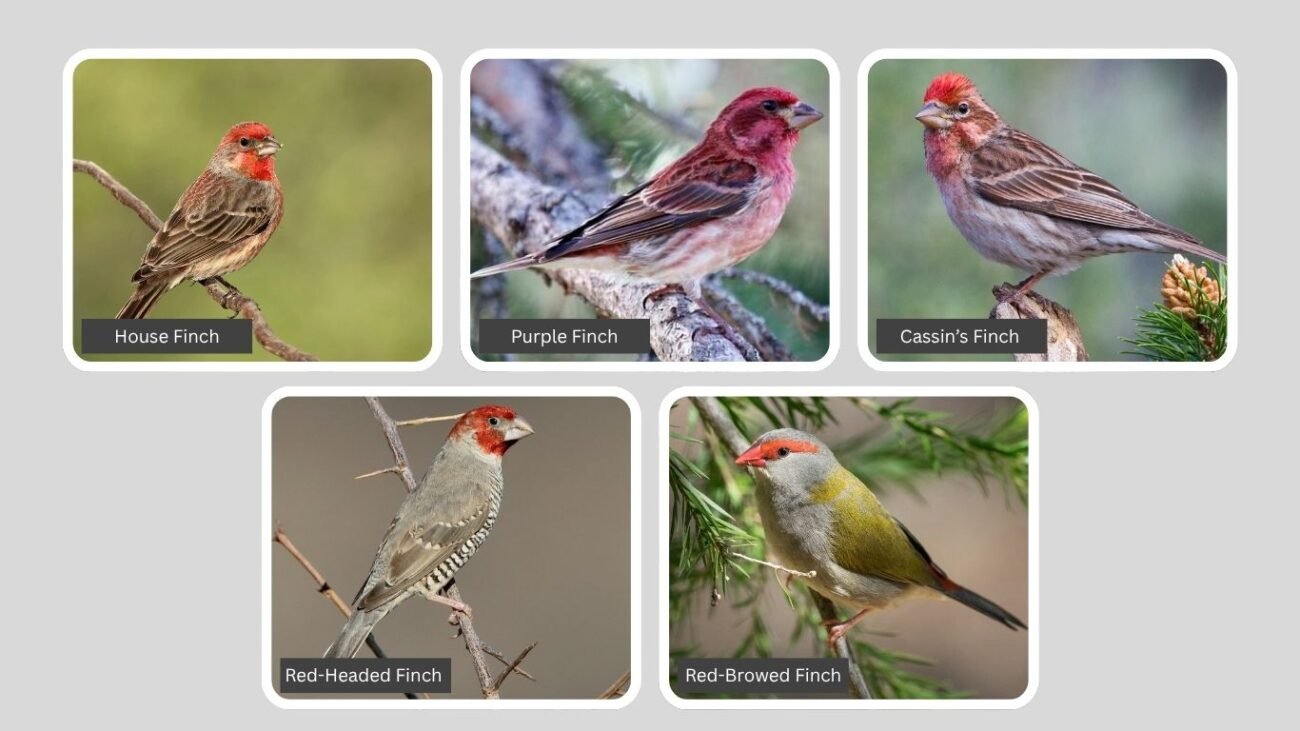
House Finch (Haemorhous mexicanus)
The house finch is the most familiar red finch species across North America. Males display a striking red crown and chest, contrasting with streaked brown wings and tails. Females, on the other hand, lack red pigmentation and appear brownish with light streaks. These adaptable birds thrive in urban settings—nesting on building ledges, hanging planters, and eaves. They are also known for their melodious, bubbly song, often sung by males to attract mates and defend territories.
Purple Finch (Haemorhous purpureus)
Slightly larger and rounder than the house finch, the purple finch is often described as having been “dipped in raspberry juice.” Its red hue is more uniform and extends from the head to the breast, giving it a richer, rosy appearance. The purple finch prefers wooded regions and is more common in the northeastern U.S. and Canada. While both species sing beautifully, the purple finch’s song is softer and more fluid compared to the house finch’s bolder tones.
Cassin’s Finch (Haemorhous cassinii)
Found in mountainous regions of the western United States, the Cassin’s finch features a bright red crown and throat with a paler belly. Its call is sweet and musical, resonating through pine forests. These birds often migrate seasonally, moving to lower elevations during winter. Their red coloration is particularly vivid, making them one of the most visually striking finches in North America.
Red-Headed Finch (Amadina erythrocephala)
Native to southern Africa, the red-headed finch stands out with its deep red face, pale grayish body, and finely patterned wings. Though less common in the wild outside Africa, it’s a popular aviary bird known for its calm temperament and social nature. Males typically have brighter red faces, while females exhibit duller hues. Their adaptability allows them to thrive in arid and semi-desert environments.
Red-Browed Finch (Neochmia temporalis)
The red-browed finch, also known as the red-browed firetail, is native to Australia. It features a distinctive red stripe above the eyes, a red rump, and a gray-green body. These birds live in small flocks and are often found in open forests, grasslands, and gardens. Their soft, high-pitched calls and delicate appearance make them a favorite among Australian bird lovers.
Coloration and Markings
The stunning red hues of finches are not just genetic—they’re also diet-driven. The pigments known as carotenoids, found in foods like berries and fruits, directly influence how bright a finch’s feathers appear. Birds consuming more carotenoid-rich foods display more vibrant reds. Interestingly, males with deeper red feathers are often more successful in attracting mates, as the coloration signals health and vitality. Females, on the other hand, tend to remain brown and streaked to better camouflage themselves while nesting.
Different regions and species also show slight variations in coloration. Some may have red breasts or throats, while others display a full red crown or even red eyebrows. These variations help in identifying different finch species across habitats.
Habitat and Distribution

Geographic Range
Red finches are widely distributed across the globe. The house finch dominates North America, from California and Texas to Michigan and Ohio. Purple and Cassin’s finches inhabit forests and mountain ranges across Canada and the western U.S. Meanwhile, the red-headed finch thrives in African grasslands, and the red-browed finch populates Australia’s coasts and bushlands. Their vast range demonstrates their adaptability to different climates and terrains.
Preferred Environments
These birds prefer habitats with ample vegetation and food sources. You can find them in forests, deserts, farms, and suburban gardens. Their comfort in urban areas is largely due to the availability of feeders and nesting sites. In cities, they commonly perch on fences, lampposts, or rooftops, bringing color and song to everyday surroundings.
Behavior and Song
Social Habits
Red finches are social, active, and highly communicative birds. They often form small flocks, especially during non-breeding seasons, and feed together in open areas. During the breeding season, males become territorial, performing fluttering displays and singing to attract females. These birds are diurnal, spending their days foraging for seeds, berries, and insects.
Vocalization
The song of the red finch is a defining characteristic. Their cheerful, warbling tunes can include complex patterns of notes lasting several seconds. Males use these songs both to court females and to assert dominance over rivals. Females also produce soft calls to communicate with mates and chicks. Each species has distinct tonal patterns, allowing experienced birdwatchers to identify them by ear alone.
Nesting and Reproduction

Nesting Habits
Red finches are known for their creative and adaptable nesting behavior. They build nests in trees, bushes, building ledges, hanging baskets, and even in decorative wreaths. The nests are cup-shaped, made from twigs, grass, feathers, and bits of string or paper. House finches, in particular, often reuse nesting sites year after year. The female primarily constructs the nest while the male guards the area, ensuring the safety of their territory.
Eggs and Breeding Season
During the breeding season, which typically runs from March through August, red finches may raise multiple broods. The female lays between three and six pale blue eggs speckled with fine brown dots. She incubates them for about two weeks while the male provides food. After hatching, both parents feed the chicks a diet of regurgitated seeds and insects. Young finches fledge within two to three weeks and remain close to their parents for a short period before joining flocks.
Diet and Feeding Habits
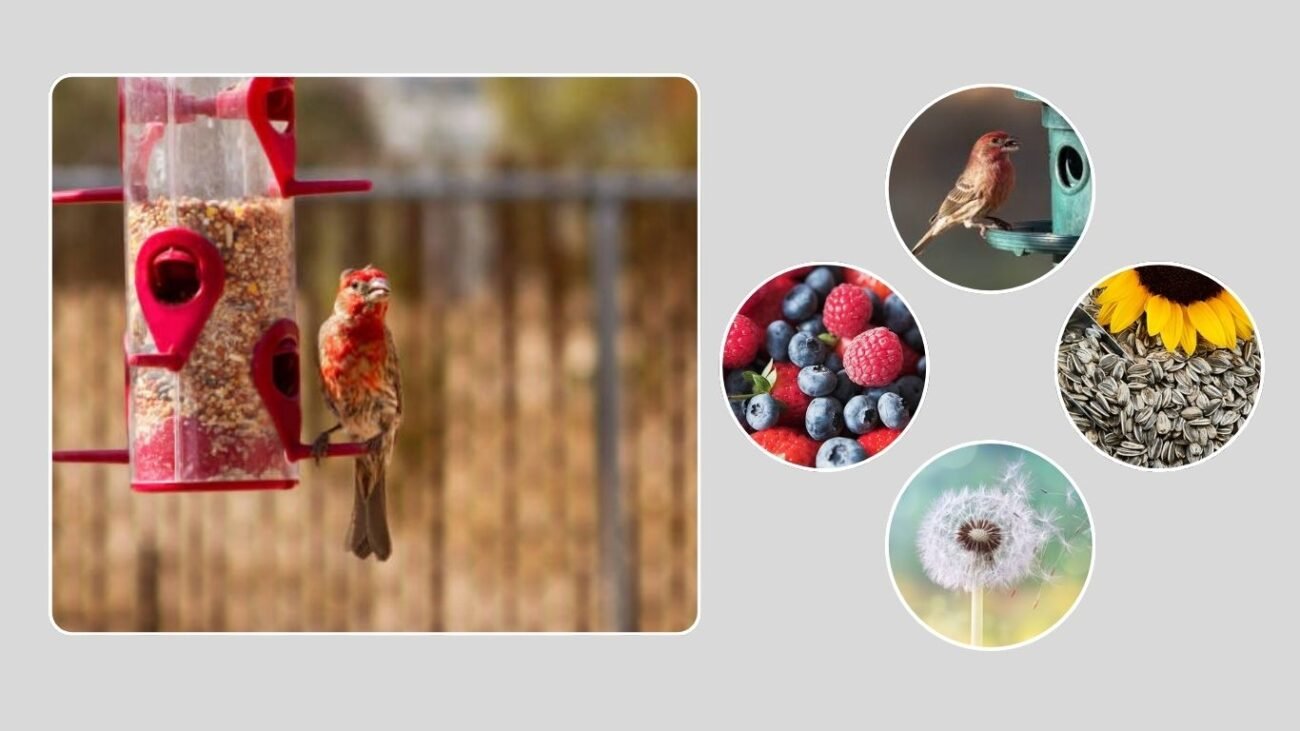
Red finches are primarily granivorous, meaning their diet consists largely of seeds. However, they are also opportunistic feeders and enjoy a wide range of plant-based foods. Their diet includes sunflower seeds, dandelion seeds, thistle, millet, and berries such as mulberries and cherries. Insects like aphids and caterpillars provide an additional protein boost, especially during breeding season.
A fascinating fact is that the brightness of a male finch’s red feathers directly depends on his diet. Finches that consume more carotenoid-rich foods, such as berries and fruits, develop deeper red plumage. Bird enthusiasts often attract these vibrant birds by placing feeders stocked with black oil sunflower seeds and nyjer seeds in their gardens.
Lifespan and Predators
Lifespan in the Wild
The average lifespan of a red finch ranges from 5 to 10 years in the wild, though some may live longer in captivity. Environmental factors, food availability, and predation all influence their longevity. While many fall victim to natural predators or harsh winters, their adaptability ensures strong population numbers across regions.
Common Predators
Red finches face threats from several predators, including hawks, owls, cats, snakes, and even larger birds like jays. Ground predators often target their nests, especially those built in shrubs or low trees. Humans can inadvertently pose risks too—through window strikes, habitat loss, and disease spread from unclean feeders.
Diseases
One notable threat to red finch populations is Mycoplasmal conjunctivitis, commonly called “finch eye disease.” It causes swelling around the eyes, leading to blindness and difficulty feeding. Regularly cleaning bird feeders with a bleach solution can significantly reduce transmission and help maintain healthy local populations.
Red Finch Symbolism and Cultural Meaning
Throughout history, red finches have carried deep symbolic meanings across different cultures. Their vibrant red color is often associated with passion, vitality, and love. Spiritually, seeing a red finch is thought to bring positive energy and emotional renewal. Many believe it represents joy, enthusiasm, and the celebration of life.
In Native American and Celtic traditions, birds with red plumage symbolize strength and vitality. Modern interpretations in art and home décor often depict red finches as emblems of happiness and resilience. Bird enthusiasts consider their cheerful songs as reminders to stay optimistic and connected to nature’s rhythm.
Red Finch vs. Other Birds
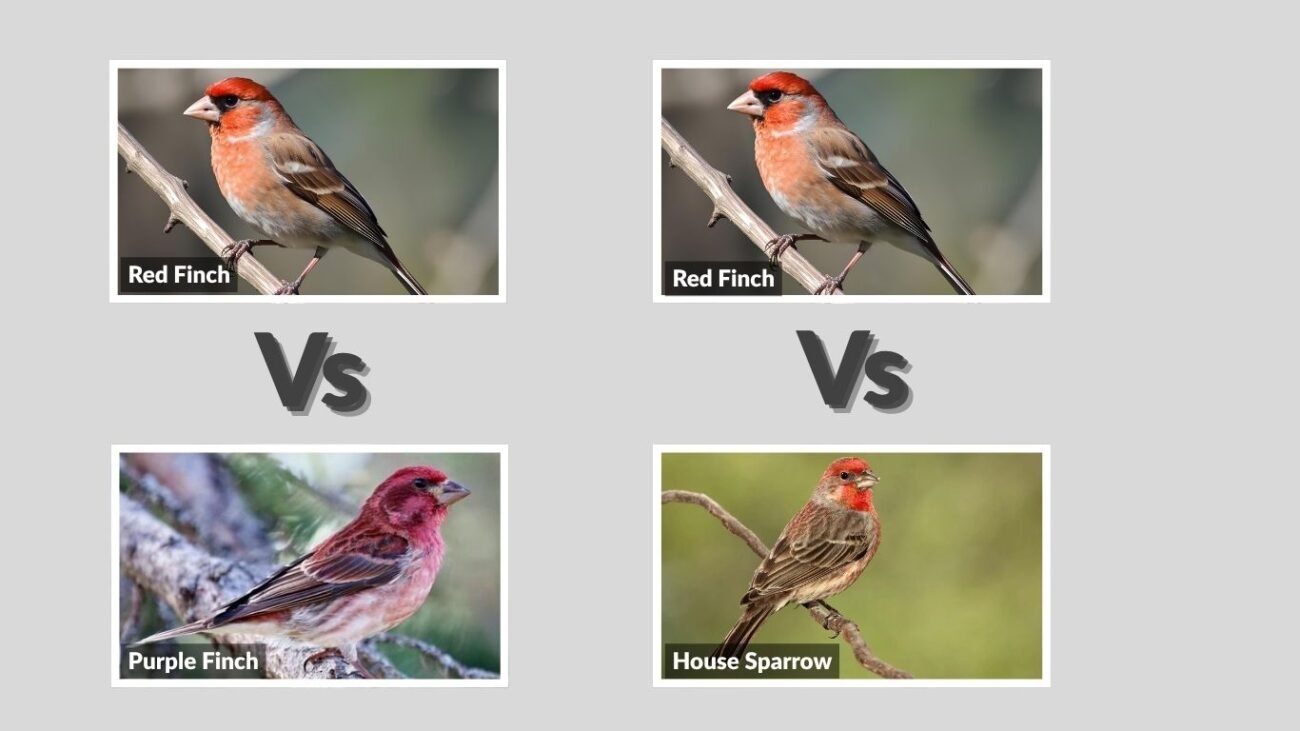
Red Finch vs. Purple Finch
At a distance, these two species can be difficult to tell apart. However, the purple finch has a more raspberry-colored plumage that appears evenly distributed across its body. The red finch, or house finch, has red confined mainly to the head and chest, with brown-streaked sides. Additionally, the house finch’s beak is slightly curved, while the purple finch’s is straighter. Their songs also differ—the house finch sings louder, more varied tunes, whereas the purple finch’s melody is gentler and flute-like.
Red Finch vs. House Sparrow
The red finch is often mistaken for the red-headed house sparrow due to its size and color hints. However, sparrows have more robust, stubby bodies and shorter tails. They chirp simple notes instead of the finch’s rich song. The house finch’s streaked belly and slender shape set it apart from sparrows, making identification easier once observed closely.
Red Finches Around the World
The term “red finch” doesn’t refer to a single species—it encompasses a variety of birds across continents. In Africa, the red-headed finch thrives in savannas and dry grasslands, adapting to arid climates. Australia is home to the charming red-browed finch, often found near water sources and gardens. In South America, the red siskin, once endangered due to trapping, is known for its bright scarlet plumage and lively temperament.
Despite their geographic diversity, all red finches share a love for open habitats, seeds, and social interaction. Their adaptability makes them one of the most widely spread and admired small birds in the world.
Fun Facts About Red Finches
- Male red finches owe their color entirely to their diet; those with poor nutrition appear dull orange or yellowish instead of red.
- They can produce multiple broods in a single breeding season, especially in warm climates.
- Red finches are highly social and often roost in flocks of dozens outside of breeding season.
- Their melodious songs vary individually—no two finches sing exactly the same tune.
- Unlike many birds, house finches thrive in urban areas, showing exceptional adaptability.
Key Takeaways
- Red finches are small, colorful songbirds found across the world, recognized for their vivid red plumage and cheerful songs.
- The house finch, purple finch, and red-headed finch are among the most common species.
- Males are bright red, while females remain brown for camouflage.
- Their diet directly affects the brightness of their red feathers.
- They symbolize joy, love, and vitality in many cultures, making them both ecologically and spiritually significant.
FAQs
What kind of bird is a red finch?
A red finch is a small, seed-eating songbird known for its bright red plumage. It belongs to the Fringillidae family, with popular species including the house finch, purple finch, and red-headed finch. These birds are common across North America, Africa, and Australia.
Why do some finches have red heads?
The red coloring comes from carotenoid pigments in their diet, found in berries and fruits. Males with higher pigment intake appear brighter red, signaling better health and increasing their chances of attracting mates.
How can you tell a house finch from a purple finch?
House finches show streaked brown bellies and red foreheads, while purple finches have a raspberry-like hue that covers the head and chest more uniformly. The purple finch also has a slightly thicker body and smoother coloration.
Where do red finches build their nests?
They nest in trees, bushes, hanging planters, and even building ledges. The female builds the nest using twigs, grasses, and feathers, while the male guards the area and provides food during incubation.
What does it mean if you see a red finch?
Spiritually, seeing a red finch is believed to bring messages of passion, vitality, and joy. Many interpret it as a sign of emotional growth or the arrival of positive changes in life.