How to Keep Horse Flies Away From Your Pool

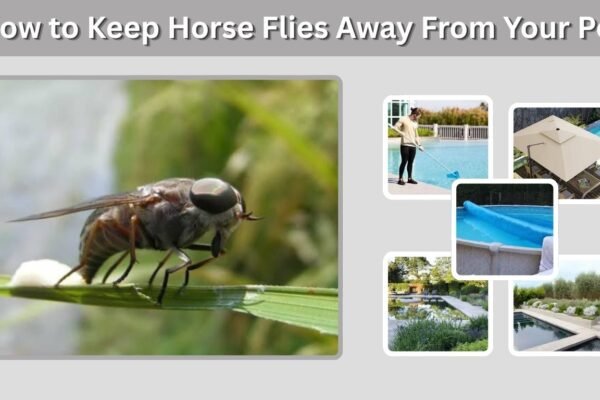
How to Keep Horse Flies Away From Your Pool

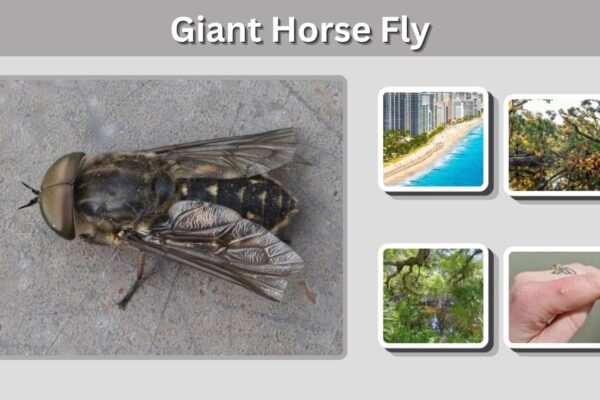
Horse flies around a swimming pool can quickly make outdoor time uncomfortable. They are attracted to reflective water, movement, body heat, carbon dioxide, and dark objects such as pool furniture or clothing. Although eliminating every horse fly may be impossible—especially near wetlands, ponds, or muddy ground—you can greatly reduce their activity. The most effective approach…

Read Full News
What Attracts Horse Flies? Colors, Heat, Water, and Movement

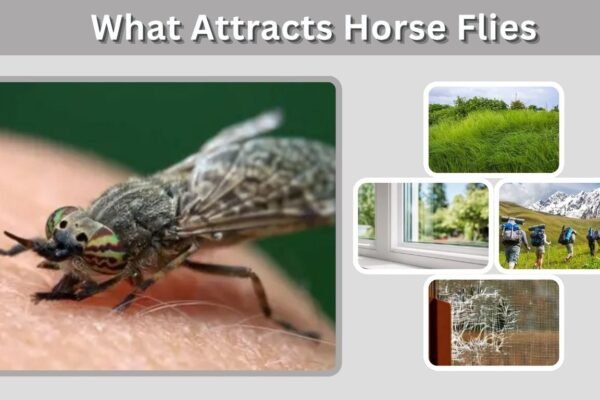
What Attracts Horse Flies? Colors, Heat, Water, and Movement

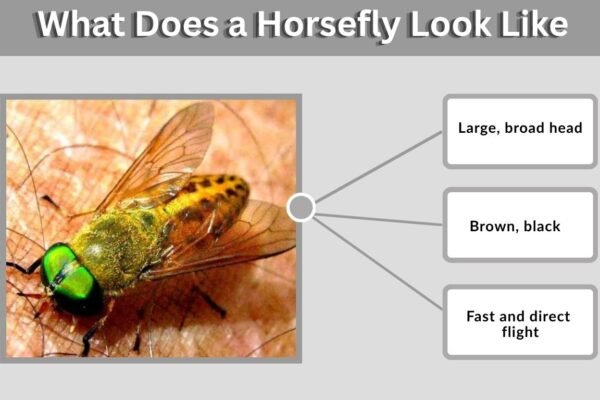
Horse flies are mainly attracted to large moving objects, dark colors, body heat, carbon dioxide, water, and the visual outline of animals or people. Female horse flies seek blood to produce eggs, while males feed primarily on nectar. Their strong eyesight helps them locate potential hosts during daylight, especially around wetlands, fields, farms, woodland edges,…

Read Full News
Horse Fly Bites on Humans: Symptoms, Treatment, and Prevention

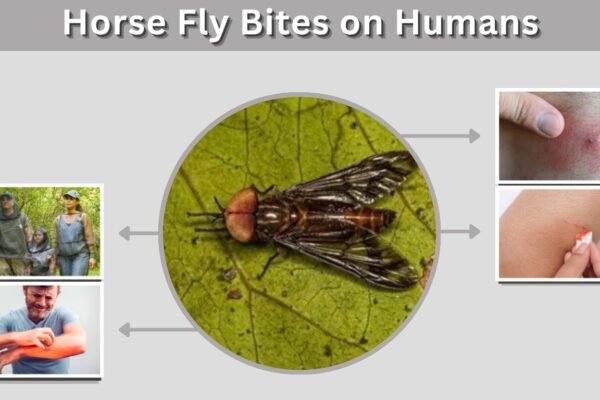
Horse Fly Bites on Humans: Symptoms, Treatment, and Prevention

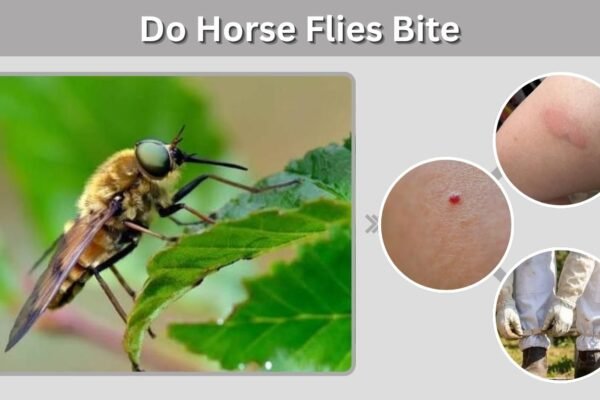
Horse flies can bite humans, causing sudden pain, redness, swelling, itching, and sometimes minor bleeding. Unlike mosquitoes, horse flies use cutting mouthparts to open the skin before feeding, so their bites often feel sharper and leave a larger wound. Most bites improve within several days with cleaning, a cold compress, and protection from scratching. However,…

Read Full News
Why Do Horse Flies Bite? Causes, Pain, and Prevention

Why Do Horse Flies Bite? Causes, Pain, and Prevention

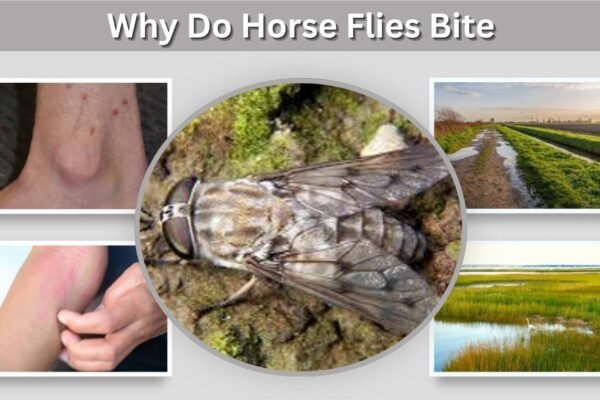
Horse flies bite because females need nutrients from blood to produce eggs. They attack humans, horses, cattle, dogs, deer, and other warm-blooded animals. Unlike mosquitoes, horse flies cut the skin with blade-like mouthparts, creating a painful wound from which they drink blood. Their bites often cause immediate pain, redness, itching, bleeding, and swelling. Understanding what…

Read Full News